NCERT Textbook & Solutions English for (Santoor: New NCERT) - Class 4 Free PDF Download

NCERT Solutions for NCERT Textbook & Solutions
Class 4 English NCERT Textbook and Solutions PDF Download Free
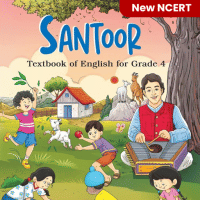
For students studying English in Class 4 through the new Santoor curriculum, having access to comprehensive study materials is essential for building strong language foundations. The NCERT textbooks for Class 4 English introduce young learners to diverse literary forms including poems, stories, and informational texts that develop reading comprehension, vocabulary, and creative expression. Many students at this age struggle with understanding story contexts and answering comprehension questions accurately, which is why having both the textbook and detailed solutions together becomes invaluable. The Santoor curriculum specifically focuses on interactive learning through engaging narratives like "The Lagori Champions" which teaches teamwork, and "Braille" which introduces students to inspiring real-world achievements. Parents often search for reliable PDF resources that combine textbook content with step-by-step solutions to help their children practice independently. These materials are particularly useful for revision before exams and for completing homework assignments where students need to understand not just the answer but the reasoning behind it. The chapter-wise organization helps students focus on one topic at a time, building confidence progressively throughout the academic year.
NCERT Solutions Class 4 English Chapter 1: Together We Can
This opening chapter introduces students to the concept of teamwork and cooperation through an engaging narrative. Students learn how working together can help achieve goals that seem impossible when working alone. The chapter includes vocabulary building exercises focusing on words related to collaboration and community. Comprehension questions test students' understanding of the main theme, character motivations, and sequence of events. Grammar exercises in this chapter typically focus on identifying nouns and verbs in sentences, which are foundational concepts for Class 4 learners.
NCERT Solutions Class 4 English Chapter 2: The Tinkling Bells
This poetic chapter exposes students to rhythmic language and imagery through verses about bells and their sounds. Students explore literary devices like onomatopoeia as they identify words that mimic bell sounds. The chapter helps develop auditory imagination and descriptive language skills. Exercises include identifying rhyming words, understanding the mood created by different bell sounds, and expressing their own experiences with sounds in their environment. Many students find the visualization exercises particularly helpful for understanding how poets create mental images through carefully chosen words.
NCERT Solutions Class 4 English Chapter 3: Be Smart, Be Safe
This important chapter focuses on safety awareness and responsible behavior in various situations. Students learn to identify potential dangers at home, school, and in public spaces. The text provides practical tips on road safety, dealing with strangers, and emergency situations. Comprehension questions assess students' ability to apply safety rules to hypothetical scenarios, which is a higher-order thinking skill. The chapter includes role-play activities where students practice saying "no" to uncomfortable situations, helping build confidence and decision-making abilities in real-life contexts.
NCERT Solutions Class 4 English Chapter 4: One Thing at a Time
This chapter teaches time management and the importance of focusing on single tasks rather than attempting multiple activities simultaneously. Through a relatable story, students understand how multitasking can lead to mistakes and incomplete work. The narrative often features a character who learns this lesson through personal experience, making it memorable for young readers. Exercises include sequencing activities, writing about daily routines, and planning schedules. Students commonly struggle with identifying the cause-and-effect relationships in the story, which the solutions address with clear explanations.
NCERT Solutions Class 4 English Chapter 5: The Old Stag
This moral tale presents students with a story about wisdom, experience, and the consequences of ignoring advice. The narrative typically involves an older animal whose knowledge saves others from danger, teaching respect for elders and their experiences. Students analyze character traits and motivations while learning new vocabulary related to animals and forest settings. The chapter includes inference-based questions where students must read between the lines to understand implied meanings, a critical reading skill. Grammar sections often focus on past tense verbs since the story format naturally uses narrative past tense.
NCERT Solutions Class 4 English Chapter 6: Braille
This informational chapter introduces students to Louis Braille and his revolutionary writing system for visually impaired individuals. Students learn about the challenges faced by blind people before Braille's invention and how the six-dot system works. The chapter builds empathy and awareness about differently-abled individuals while presenting factual information in an engaging manner. Exercises include understanding the Braille alphabet, writing simple words in Braille patterns, and appreciating innovations that improve lives. This chapter particularly helps students understand that disabilities don't limit achievements, as Braille himself was blind yet created a system used worldwide.
NCERT Solutions Class 4 English Chapter 7: Fit Body, Fit Mind, Fit Nation
This chapter emphasizes the connection between physical health and mental well-being, introducing students to the importance of exercise, proper nutrition, and healthy habits. The text explains how regular physical activity improves concentration, memory, and academic performance—concepts that directly relate to students' daily lives. Exercises include creating weekly fitness plans, identifying healthy food choices, and writing about favorite sports or physical activities. Students learn action verbs related to different exercises and sports. The chapter addresses the growing concern about sedentary lifestyles among children who spend excessive time on screens.
NCERT Solutions Class 4 English Chapter 8: The Lagori Champions
This exciting chapter revolves around a traditional Indian game called Lagori, also known as seven stones, teaching students about indigenous sports and cultural heritage. The narrative follows a group of children preparing for a Lagori competition, highlighting themes of practice, perseverance, and sportsmanship. Students learn sports-related vocabulary and expressions commonly used during games. Comprehension questions focus on understanding team dynamics, identifying problems the characters face, and predicting outcomes. The chapter often includes descriptive passages about the game's rules and strategies, helping students understand procedural writing.
NCERT Solutions Class 4 English Chapter 9: Hekko
This chapter introduces students to stories from Northeast India, specifically featuring cultural elements from regions like Nagaland or Mizoram. The narrative exposes students to the diversity of Indian cultures and traditions through engaging storytelling. Students encounter vocabulary specific to tribal customs, traditional practices, and regional festivals. The chapter builds geographical awareness while developing reading comprehension skills. Exercises typically include comparing their own cultural practices with those described in the story, promoting multicultural understanding. Many students find the unique cultural elements fascinating, which increases engagement with the reading material.
NCERT Solutions Class 4 English Chapter 10: The Swing
This delightful poem captures the joy and freedom children experience while swinging, using vivid imagery and rhythmic language. Students explore how poets create feelings and moods through word choice and structure. The chapter includes exercises on identifying similes and metaphors that compare swinging to flying or floating. Students practice reading the poem aloud with proper expression and rhythm, developing oral reading skills. Questions help students connect the poem to their own experiences on swings, making literature personally meaningful. The poem's simple yet evocative language makes it excellent for memorization and recitation practice.
NCERT Solutions Class 4 English Chapter 11: A Journey to the Magical Mountains
This imaginative chapter takes students on an adventure through mountain landscapes, combining geographical knowledge with creative storytelling. Students learn descriptive vocabulary related to mountains, weather, and natural phenomena while following the narrative's journey. The chapter develops students' ability to visualize settings and understand how authors create atmosphere through detailed descriptions. Comprehension questions assess understanding of sequence, cause and effect, and character emotions during the journey. Writing exercises often ask students to describe their own travel experiences or imagine adventures, promoting creative expression and personal narrative skills.
- NCERT Textbook: A Journey to the Magical Mountains
- NCERT Solutions: A Journey to the Magical Mountains
NCERT Solutions Class 4 English Chapter 12: Maheshwar
This final chapter explores the historical and cultural significance of Maheshwar, a town in Madhya Pradesh famous for its handloom weaving tradition. Students learn about traditional crafts and their economic importance while developing reading skills through informational text. The chapter introduces vocabulary related to textiles, weaving processes, and cultural heritage. Exercises include understanding how traditions are preserved, identifying main ideas and supporting details in non-fiction text, and appreciating skilled craftsmanship. This chapter helps students recognize that India's cultural wealth includes not just monuments but living traditions maintained by artisan communities.
Best NCERT English Textbook for Class 4 Students Learning Santoor Curriculum
The Santoor English curriculum for Class 4 represents a significant shift in NCERT's approach to language education, focusing on thematic learning and integrated skill development. Unlike older curricula that separated reading, writing, and grammar into distinct sections, Santoor weaves these skills together through carefully selected literary pieces. Each chapter builds upon previous learning while introducing new concepts at an appropriate developmental level for nine and ten-year-old learners. The curriculum addresses common challenges such as limited vocabulary range and difficulty in understanding contextual meanings by providing rich, diverse texts spanning different genres. Teachers particularly appreciate how the textbook includes culturally relevant content like "Maheshwar" and "Hekko" which help students from different regions see their own cultures reflected in their learning materials. The balanced mix of fiction, poetry, and informational texts ensures students don't develop a narrow view of what "reading" means. Parents searching for the best study materials should ensure they access both the textbook and solutions together, as the solutions explain not just what the correct answers are but why those answers make sense within the context of each chapter's themes and learning objectives.
Why Class 4 English NCERT Solutions Help Students Score Better in Exams
Students in Class 4 are at a critical stage where they transition from "learning to read" to "reading to learn," making this year foundational for future academic success. NCERT solutions specifically designed for the Santoor curriculum address a common problem: students often understand stories when they hear them but struggle to articulate answers in complete, grammatically correct sentences when writing. The solutions provide model answers that demonstrate proper sentence structure, helping students learn by example. For instance, when answering "Why was the old stag's advice important?" many students simply write "because it helped them," but detailed solutions show how to construct a complete response: "The old stag's advice was important because his experience helped the younger animals recognize and avoid danger." This modeling is invaluable for developing writing skills. Additionally, the step-by-step explanations in solutions help students who may have missed key details during their first reading, teaching them to read more carefully and critically. Exam preparation becomes more efficient when students can self-check their work against detailed solutions rather than waiting for teacher feedback, allowing them to identify and correct misunderstandings immediately. This immediate feedback loop significantly improves retention and understanding, which directly translates to better performance in both formative assessments and final examinations.
More Chapters in English for Class 4 (Santoor: New NCERT)
NCERT Textbook & Solutions | English for Class 4 (Santoor: New NCERT)

Top Courses for Class 4

Frequently asked questions About Class 4 Examination
- What are the main chapters in the English textbook for Class 4 NCERT?Ans. The NCERT English textbook for Class 4 contains two books: Marigold (main reader) and English Workbook. Marigold includes stories, poems, and comprehension passages that develop reading skills and vocabulary. The workbook provides grammar exercises, writing practice, and language development activities. Together, they cover essential topics like nouns, verbs, tenses, and creative writing to build foundational English competency.
- How do I answer reading comprehension questions in Class 4 English properly?Ans. Read the passage carefully first, then locate specific details before answering each question directly. Use words from the text to support responses, write in complete sentences, and avoid copying entire paragraphs unnecessarily. For inference questions, think about what the text suggests rather than only literal information. Practice with NCERT textbook passages regularly to improve comprehension skills and answer accuracy consistently.
- What grammar topics should I focus on for Class 4 English?Ans. Class 4 English grammar emphasises nouns, pronouns, verbs, adjectives, tenses (present, past, future), prepositions, and conjunctions. Students must master sentence structure, punctuation rules, and subject-verb agreement fundamentals. The NCERT curriculum also introduces letter writing formats and basic paragraph composition. Regular practice through textbook exercises strengthens grammatical understanding and written communication abilities.
- How can I improve my writing skills using the Class 4 NCERT textbook?Ans. The NCERT workbook provides structured writing activities including picture composition, descriptive paragraphs, and simple storytelling exercises. Start by understanding sentence patterns, then progress to writing short narratives. Practise regularly, revise your work, and focus on using new vocabulary encountered in reading passages. This systematic approach in the textbook develops fluency and confidence in written expression.
- What vocabulary words are important to learn from Class 4 English NCERT?Ans. Key vocabulary includes action verbs, descriptive adjectives, and thematic words from each story and poem. The NCERT textbook introduces words related to nature, emotions, animals, and everyday situations. Students should maintain a vocabulary notebook, note contextual meanings, and use new words in sentences. Building a strong word bank improves reading comprehension and writing quality significantly.
- How do I write better stories and compositions for Class 4 English assessments?Ans. Begin with a clear beginning, middle, and end structure demonstrated in NCERT stories. Use descriptive language, varied sentence lengths, and dialogue where appropriate. Plan your composition outline first, then write freely without worrying initially about perfection. Review for grammar, spelling, and punctuation before finalising. The textbook's model stories provide excellent templates for developing narrative writing skills.
- What's the difference between using adjectives and adverbs correctly in Class 4 English?Ans. Adjectives describe nouns (a blue book, happy child), while adverbs modify verbs, adjectives, or other adverbs (run quickly, very beautiful). The NCERT textbook illustrates these distinctions through contextual examples in passages and exercises. Practising sentence construction with both parts of speech reinforces understanding. This grammatical distinction strengthens sentence variety and writing precision for young learners.
- How should I approach poetry analysis in the Class 4 NCERT English textbook?Ans. Read poems aloud to understand rhythm and flow, then identify key themes, emotions, and literary devices like rhyme and repetition. Answer comprehension questions by referencing specific lines as evidence. The NCERT poetry selections build appreciation for language musicality and meaning-making skills. Discuss unfamiliar words and cultural contexts to deepen comprehension and interpretive abilities.
- What are common punctuation and spelling mistakes students make in Class 4 English?Ans. Frequent errors include incorrect comma usage, missing full stops, apostrophe confusion in contractions, and spelling mistakes with vowel combinations. Students often misuse capitals and forget question marks after queries. Regular proofreading, reference to NCERT textbook rules, and targeted practice address these issues effectively. Maintaining an error log helps students recognise personal patterns and improve accuracy.
- Where can I find additional practice materials and solutions for Class 4 NCERT English?Ans. EduRev offers comprehensive Class 4 NCERT English solutions, detailed chapter notes, flashcards for vocabulary, and MCQ tests aligned with the textbook. These resources provide practice beyond the workbook, helping students reinforce learning through varied formats. Accessing structured solutions and practice materials ensures consistent revision and concept clarification before assessments.


 | Explore Courses for Class 4 Exam |  |
