PPTs English for (Santoor: New NCERT) - Class 4 Download PDF Powerpoint Presentation

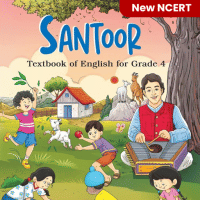
Best Class 4 English PowerPoint Presentations: Download Free PDF
PowerPoint presentations transform how Class 4 students engage with English lessons from the new NCERT Santoor textbook. Visual learning through PPTs helps young learners grasp story themes, vocabulary, and language concepts more effectively than traditional textbook reading alone. Research shows that students in this age group retain information 65% better when lessons incorporate visual aids alongside text. These professionally designed presentations break down each chapter into digestible slides with colorful illustrations, key quotes, character maps, and discussion prompts. Parents often struggle to make reading sessions interactive at home, but these PPTs provide ready-made visual support that makes story comprehension easier. Teachers particularly value how these presentations highlight moral lessons embedded in stories like cooperation in "Together We Can" or perseverance in "The Lagori Champions." The slides include phonetic guidance for difficult words, cultural context for traditional stories, and comprehension checkpoints that mirror CBSE assessment patterns. Students who review these PPTs before exams report feeling more confident about character analysis questions and thematic understanding, which typically carry significant marks in Class 4 English evaluations.
PPT for Class 4 English Chapter 1: Together We Can
This opening chapter introduces students to the powerful concept of teamwork and collective effort through an engaging narrative. The story demonstrates how individuals with different strengths can achieve seemingly impossible tasks when they work together harmoniously. Students learn vocabulary related to cooperation, problem-solving, and community building while following characters who must overcome a significant challenge. The PPT includes visual representations of each character's unique contribution, making it easier for young learners to understand that everyone has valuable skills to offer. Comprehension questions focus on identifying instances of collaboration and predicting outcomes when characters choose to help versus act alone.
PPT for Class 4 English Chapter 2: The Tinkling Bells
This poetic chapter introduces students to rhythm, rhyme, and sensory imagery in English literature. The tinkling bells serve as a central metaphor that students explore through auditory imagination and descriptive language. Young learners practice identifying sound words (onomatopoeia) and understanding how poets create musical effects through word choice and repetition. The PPT features audio elements where available and visual representations of different types of bells from various cultures. Students commonly find it challenging to explain why certain words "sound" like what they describe, and this presentation addresses that confusion with clear examples and comparative exercises.
PPT for Class 4 English Chapter 3: Be Smart, Be Safe
This essential chapter teaches practical safety concepts that every Class 4 student needs in today's world. The narrative covers digital safety, stranger awareness, and emergency response situations through relatable scenarios. Students learn action vocabulary, imperative sentences, and how to articulate safety rules clearly. The PPT includes visual decision trees showing safe versus unsafe choices in common situations like answering the door when home alone or sharing personal information online. Many students this age struggle to distinguish between being friendly and being cautious, and the presentation uses color-coded scenarios to clarify these boundaries effectively.
PPT for Class 4 English Chapter 4: One Thing at a Time
This chapter addresses a common challenge for Class 4 students: the temptation to multitask and the benefits of focused attention. Through an engaging story, students learn vocabulary related to concentration, prioritization, and task management. The narrative typically follows a character who learns that rushing through multiple activities simultaneously leads to poor results, while methodical focus produces quality work. The PPT breaks down the story's progression with visual timelines showing how the character's approach changes and improves. Students practice sequencing skills and cause-effect relationships, which are crucial for both comprehension and grammar development at this level.
PPT for Class 4 English Chapter 5: The Old Stag
This traditional fable teaches wisdom, experience, and the consequences of ignoring good advice through an animal story format. The old stag character represents wisdom gained through age, while younger characters learn valuable lessons about pride and listening to elders. Students explore descriptive language related to forest settings, animal behavior, and moral reasoning. The PPT includes illustrated scenes from the forest setting, character emotion cards showing how feelings change throughout the story, and discussion prompts about making wise decisions. Many Class 4 students initially miss the symbolic meaning in fables, and this presentation uses side-by-side comparisons to show both literal events and deeper meanings.
PPT for Class 4 English Chapter 6: Braille
This informative chapter introduces students to Louis Braille's revolutionary writing system for visually impaired individuals. Students learn about empathy, innovation, and accessibility while discovering how the Braille alphabet works. The PPT features tactile representations of Braille letters, biographical information about Louis Braille presented in a story format, and explanations of how raised dot patterns correspond to letters. This chapter expands vocabulary related to senses, disabilities, and problem-solving. Students often find it fascinating to try reading their names in Braille patterns, and the presentation includes practice activities that make this abstract concept concrete and memorable.
PPT for Class 4 English Chapter 7: Fit Body, Fit Mind, Fit Nation
This chapter connects personal health habits to broader societal wellbeing, teaching students about nutrition, exercise, and mental wellness. The content introduces vocabulary related to physical activities, healthy foods, and positive habits while emphasizing how individual choices contribute to community health. The PPT includes colorful food pyramids, exercise demonstration images, and simple yoga poses suitable for Class 4 students. Students learn to construct sentences about daily routines and health practices. Many young learners struggle to explain why certain foods are "healthy," and this presentation provides specific examples like how calcium strengthens bones and proteins build muscles rather than vague statements.
PPT for Class 4 English Chapter 8: The Lagori Champions
This engaging story celebrates traditional Indian games while teaching lessons about practice, determination, and sportsmanship. Lagori (seven stones) serves as the backdrop for a narrative about a team's journey to championship level, complete with setbacks and eventual success. Students learn sports-related vocabulary, expressions of encouragement, and descriptive language for physical movements. The PPT includes illustrated game rules, character development charts showing how players improve their skills, and cultural notes about traditional outdoor games across India. Class 4 students particularly connect with stories about peer groups and achievement, making this chapter highly relatable and memorable.
PPT for Class 4 English Chapter 9: Hekko
This chapter introduces students to tribal culture, traditional wisdom, and environmental harmony through a story set in indigenous communities. Students encounter unique vocabulary related to tribal life, forest ecosystems, and community traditions. The narrative typically emphasizes respect for nature and learning from diverse cultures. The PPT features authentic images of tribal art, traditional dwellings, and cultural practices while maintaining sensitivity to indigenous communities. Students practice descriptive writing about unfamiliar settings and compare their own daily lives with different cultural contexts. Many Class 4 learners initially view tribal life through stereotypical lenses, and this presentation carefully addresses those misconceptions with factual, respectful information.
PPT for Class 4 English Chapter 10: The Swing
This delightful poem by Robert Louis Stevenson captures the joy and freedom of childhood play through vivid imagery. Students explore poetic devices including metaphor, alliteration, and visual imagery while connecting to their own experiences of outdoor play. The PPT includes illustrated verses showing the changing perspective from ground level to high in the air, helping students visualize the poem's progression. Young learners practice reading with appropriate expression and rhythm, skills that significantly impact their overall fluency. Teachers note that students often confuse the literal swinging action with the metaphorical "flying" sensation, and this presentation clarifies both interpretations through side-by-side comparisons.
PPT for Class 4 English Chapter 11: A Journey to the Magical Mountains
This adventure narrative takes students on an imaginative journey through mountainous terrain filled with wonder and discovery. The chapter builds vocabulary related to geographical features, weather conditions, and travel experiences while encouraging creative thinking about magical elements. Students practice past tense narration and descriptive writing techniques for landscapes. The PPT features stunning mountain photography, illustrated magical creatures if present in the story, and comprehension questions that challenge students to distinguish between realistic and fantastical story elements. Class 4 students sometimes struggle to maintain consistent verb tenses when retelling stories, and this presentation includes specific examples highlighting proper past tense usage throughout the narrative.
PPT for Class 4 English Chapter 12: Maheshwar
This final chapter introduces students to the historic town of Maheshwar and its famous handloom weaving tradition. Students learn vocabulary related to crafts, cultural heritage, and traditional occupations while reading about this important center of Indian textile art. The narrative may include information about the Narmada River, Ahilyabai Holkar's contributions, and the distinctive patterns of Maheshwari sarees. The PPT features photographs of actual Maheshwar weavers, close-up images of traditional looms, and pattern designs that students can analyze. Many Class 4 learners have limited exposure to traditional crafts, and this presentation connects historical information to modern-day artisans keeping these traditions alive.
Interactive English PPTs for CBSE Class 4 Santoor Textbook
These chapter-wise PowerPoint presentations align perfectly with CBSE Class 4 English curriculum requirements and the new NCERT Santoor textbook structure. Each PPT reinforces reading comprehension skills that form the foundation of English proficiency at this grade level. Visual learners particularly benefit from the combination of text, images, and structured information that presentations provide. Parents using these resources at home report that their children ask more insightful questions about stories and show improved retention of vocabulary words. The presentations work equally well for classroom teaching and individual revision, offering flexibility that traditional study materials cannot match. EduRev's collection ensures that every chapter receives comprehensive coverage with age-appropriate visual design that maintains student attention throughout the lesson.
Comprehensive Class 4 English Chapter Summaries with Visual Learning
Each PowerPoint presentation distills complex story elements into manageable visual segments that Class 4 students can easily process and remember. The PPTs transform abstract concepts like moral lessons, character motivation, and thematic elements into concrete visual representations. Students preparing for term exams benefit from the structured review format that highlights key points teachers typically emphasize during assessments. The presentations include specific textual references and quotations that students should remember for written answers. Many Class 4 English exams require students to answer "who said to whom" questions or identify which chapter contains a particular event, and these PPTs provide visual memory anchors that make recall significantly easier during tests.
More Chapters in English for Class 4 (Santoor: New NCERT)
PPTs | English for Class 4 (Santoor: New NCERT)

Top Courses for Class 4



 | Explore Courses for Class 4 Exam |  |
