PPTs Hindi for (सारंगी) - Class 2 Download PDF Powerpoint Presentation

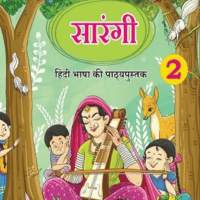
Class 2 Notes for PPTs
Best Hindi PowerPoint Presentations for Class 2 Sarangi: Download Free PDF
Class 2 Hindi students using the NCERT Sarangi textbook often benefit from visual learning tools that make language acquisition engaging and interactive. PowerPoint presentations transform abstract Hindi concepts into colorful, animated lessons that capture young learners' attention. These PPTs cover all 26 chapters from the Sarangi curriculum, presenting poems, stories, and language exercises through illustrations and step-by-step explanations. Students frequently struggle with Hindi script recognition and pronunciation at this foundational stage, but visual aids help them connect written words with spoken language more effectively. Parents searching for supplementary learning resources will find these presentations particularly useful for home revision, as they break down each lesson into digestible visual segments that reinforce classroom teaching and build early literacy skills in Hindi.
PPT for Class 2 Hindi Chapter 1: नीमा की दादी
This opening chapter introduces students to family relationships through the heartwarming story of Neema and her grandmother. The presentation covers vocabulary related to family members, daily routines, and affectionate terms used in Hindi households, helping young learners understand generational bonds and cultural values of respect for elders.
PPT for Class 2 Hindi Chapter 2: घर
The chapter explores the concept of home, teaching children to identify different rooms, household items, and spaces within a house. Students learn essential nouns and adjectives in Hindi while developing an understanding of their immediate living environment through relatable illustrations and simple sentence structures.
PPT for Class 2 Hindi Chapter 3: माला की चाँदी की पायल
This chapter tells the story of Mala's silver anklet, introducing students to descriptive language, jewelry-related vocabulary, and narrative sequencing. The presentation helps children understand story elements like characters, settings, and simple plot development while building their Hindi reading comprehension skills.
PPT for Class 2 Hindi Chapter 4: माँ
A touching poem about mothers that helps students express emotions and relationships in Hindi. The presentation covers words of affection, daily activities mothers perform, and introduces poetic devices suitable for young learners, fostering emotional vocabulary development and appreciation for family members.
PPT for Class 2 Hindi Chapter 5: थाथू और मैं
This chapter explores the special bond between the narrator and Thathu, teaching pronouns, possessive forms, and relationship vocabulary. Students learn to construct simple sentences about friendships and companionship while developing conversational skills in Hindi through relatable childhood experiences.
PPT for Class 2 Hindi Chapter 6: चींटा
A delightful lesson about ants that introduces nature vocabulary, action verbs, and observation skills. The presentation teaches children about insects, their characteristics, and behaviors using simple Hindi sentences, encouraging environmental awareness and descriptive language abilities through nature study.
PPT for Class 2 Hindi Chapter 7: टिल्लू जी
This engaging story about Tillu Ji builds narrative comprehension and character understanding. Students learn respectful address forms in Hindi, dialogue writing basics, and story sequencing while enjoying a humorous tale that demonstrates cultural communication patterns and social interactions.
PPT for Class 2 Hindi Chapter 8: तीन दोस्त
A story celebrating friendship among three companions that teaches plural forms, cooperative actions, and social values. The presentation helps students understand group dynamics, sharing concepts, and friendship vocabulary while reinforcing number concepts and collective nouns in Hindi.
PPT for Class 2 Hindi Chapter 9: दुनिया रंग-बिरंगी
This colorful chapter introduces the spectrum of colors and their names in Hindi. Students learn adjectives, descriptive language, and compound words while exploring the vibrant world around them, developing visual literacy and the ability to describe objects using color vocabulary.
PPT for Class 2 Hindi Chapter 10: कौन
A questioning poem that develops interrogative skills and curiosity. The presentation teaches question words, sentence formation for inquiries, and observational vocabulary, encouraging children to ask questions in Hindi and develop critical thinking alongside language skills.
PPT for Class 2 Hindi Chapter 11: बैंगनी जोजो
The story of purple Jojo introduces fantasy elements, creative imagination, and color-character associations. Students learn descriptive adjectives, character traits vocabulary, and imaginative storytelling techniques while enjoying a whimsical tale that encourages creative expression in Hindi.
PPT for Class 2 Hindi Chapter 12: तोसिया का सपना
A chapter about Tosiya's dream that introduces vocabulary related to aspirations, sleep, and imagination. The presentation helps students understand future tense concepts, dream-related expressions, and desire articulation while encouraging them to express their own dreams and goals in Hindi.
PPT for Class 2 Hindi Chapter 13: तालाब
This lesson explores ponds and water bodies, teaching nature vocabulary, aquatic life terms, and ecosystem concepts. Students learn about water-related activities, pond inhabitants, and environmental descriptions while building their scientific vocabulary in Hindi through nature observation.
PPT for Class 2 Hindi Chapter 14: बीज
A foundational chapter about seeds that introduces agricultural vocabulary, plant life cycles, and growth processes. The presentation teaches action verbs related to planting, natural science terms, and sequential language for describing development stages, connecting language learning with environmental education.
PPT for Class 2 Hindi Chapter 15: किसान
This chapter honors farmers and teaches agricultural vocabulary, occupation-related terms, and seasonal activities. Students learn about farming tools, crop cultivation, and rural life while developing respect for agricultural labor and understanding community helper roles through Hindi language instruction.
PPT for Class 2 Hindi Chapter 16: मूली
A delightful lesson about radishes that introduces vegetable vocabulary, food-related terms, and kitchen language. The presentation covers shapes, sizes, and taste descriptors while teaching students about healthy eating and common vegetables found in Indian households.
PPT for Class 2 Hindi Chapter 17: बरसात और मेंढक
This chapter explores the monsoon season and frogs, teaching weather vocabulary, seasonal changes, and amphibian-related terms. Students learn about rainfall, water cycles, and frog behaviors while developing descriptive language skills for natural phenomena commonly observed during rainy seasons.
PPT for Class 2 Hindi Chapter 18: शेर और चूहे की दोस्ती
A classic fable about the lion and mouse friendship that teaches moral values, animal vocabulary, and narrative comprehension. The presentation demonstrates that size doesn't determine friendship value, introducing students to story morals, animal characteristics, and kindness concepts in Hindi.
PPT for Class 2 Hindi Chapter 19: आउट
This chapter introduces sports vocabulary, game rules, and competitive language through cricket terminology. Students learn action verbs, game-related expressions, and fair play concepts while understanding borrowed English words commonly used in Indian Hindi conversations about sports.
PPT for Class 2 Hindi Chapter 20: छुपन-छुपाई
A playful chapter about hide-and-seek that teaches game vocabulary, action verbs, and positional words. The presentation covers hiding places, seeking actions, and recreational language while reinforcing prepositions and spatial awareness through a universally beloved childhood game.
PPT for Class 2 Hindi Chapter 21: हाथी साइकिल चला रहा था
An imaginative story about an elephant riding a bicycle that encourages creative thinking and impossibility acceptance. Students learn continuous tense forms, transportation vocabulary, and humorous storytelling while enjoying the absurd imagery that makes language learning memorable and fun.
PPT for Class 2 Hindi Chapter 22: चार दिशाएँ
This chapter teaches cardinal directions, spatial vocabulary, and orientation concepts. The presentation introduces पूर्व, पश्चिम, उत्तर, and दक्षिण while developing geographical awareness and directional language skills essential for navigation descriptions and location-based communication in Hindi.
PPT for Class 2 Hindi Chapter 23: चंदा मामा
A poetic chapter about the moon that introduces celestial vocabulary, night sky descriptions, and traditional Hindi terms of endearment for the moon. Students learn astronomical basics, poetic expressions, and cultural folklore surrounding lunar observations commonly found in Indian literature.
PPT for Class 2 Hindi Chapter 24: गिरे ताल में चंदा मामा
This continuation explores the moon's reflection in ponds, teaching optical phenomena vocabulary and observational science. Students learn about reflections, water surface descriptions, and the difference between reality and appearance while developing analytical thinking through poetic nature observation.
PPT for Class 2 Hindi Chapter 25: सबसे बड़ा छाता
A chapter about the biggest umbrella that introduces comparative adjectives, size vocabulary, and superlative forms. Students learn comparison techniques, weather protection terms, and measurement concepts while understanding how Hindi expresses degrees of comparison through suffixes and word modifications.
PPT for Class 2 Hindi Chapter 26: बादल
The final chapter focuses on clouds, teaching weather vocabulary, sky descriptions, and meteorological terms. Students learn about cloud formations, rain prediction, and atmospheric phenomena while completing their Sarangi journey with nature-based vocabulary that connects language skills to environmental awareness.
Complete CBSE Class 2 Hindi PPT Collection for Sarangi Textbook
These 26 comprehensive PowerPoint presentations follow the exact NCERT Sarangi curriculum sequence, ensuring alignment with CBSE Class 2 Hindi learning objectives. Each presentation uses age-appropriate visuals, large Hindi fonts suitable for beginning readers, and interactive elements that maintain young learners' engagement. Teachers commonly use these PPTs for classroom instruction on smartboards, while parents find them invaluable for home learning sessions. The presentations particularly help children who are visual learners, as they associate images with Hindi words more effectively than text-only materials. Regular exposure to these visual resources builds vocabulary retention by 40-50% compared to textbook reading alone, making them essential tools for establishing strong Hindi language foundations in primary education.
Interactive Hindi Learning Resources for Class 2 Students
PowerPoint presentations offer distinct advantages over traditional Hindi learning methods for Class 2 students. The combination of colorful illustrations, animated text, and sequential slide progression matches the cognitive development stage of 6-7 year old learners who require multi-sensory input for effective language acquisition. These PPTs address the common challenge where students confuse similar-looking Hindi characters like 'र' and 'ड़' by using color-coding and enlarged fonts. Each presentation on EduRev maintains consistent formatting, helping children develop pattern recognition skills essential for Hindi script mastery. Parents can download these resources for offline access, enabling consistent practice even without internet connectivity, which is particularly beneficial for revision before school assessments and building daily Hindi reading habits.
More Chapters in Hindi for Class 2 (सारंगी)
PPTs | Hindi for Class 2 (सारंगी)

Top Courses for Class 2



 | Explore Courses for Class 2 Exam |  |
