Short & Long Question Answers Hindi (Sparsh and Sanchayan) - Class 9 PDF Download

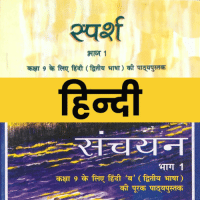
Best Short & Long Question Answers for CBSE Class 9 Hindi - Download Free PDF
Mastering question-answer formats is crucial for CBSE Class 9 Hindi exam success, as nearly 70% of board exam marks come from subjective answers. Students often struggle with differentiating between short and long answer techniques-short answers (2-3 marks) demand concise, point-based responses within 30-40 words, while long answers (5-6 marks) require detailed explanations spanning 100-150 words with relevant examples from the text. The Sparsh and Sanchayan textbooks contain diverse prose and poetry chapters that require distinct answering strategies. For instance, poetry analysis questions need identification of poetic devices and bhav-vivechan (interpretation of sentiments), whereas prose chapters require character analysis and thematic understanding. EduRev provides comprehensive question-answer resources covering all chapters from both books, helping students understand examiner expectations and scoring patterns. These materials include model answers that demonstrate proper structure, keyword usage, and point allocation-essential skills that distinguish average responses from high-scoring ones in CBSE Hindi examinations.
Short & Long Question Answers for Class 9 Hindi - Book 1: स्पर्श (Sparsh)
Chapter 1: दुःख का अधिकार
This prose chapter by Yashpal explores social inequality and the right to express grief across different economic classes. Students encounter questions about how society denies emotional expression to the poor while accepting it from the wealthy. The chapter critically examines class-based discrimination through the protagonist's observations of a grieving woman. Questions typically focus on characterization, thematic analysis of social discrimination, and the author's critique of societal hypocrisy regarding emotional display.
Chapter 2: एवरेस्ट: मेरी शिखर यात्रा
Bachendri Pal's autobiographical account describes her historic achievement as the first Indian woman to summit Mount Everest. Questions address the physical and mental challenges faced during high-altitude mountaineering, including oxygen deprivation, extreme weather, and teamwork. Students must explain technical climbing details like establishing camps, using oxygen cylinders, and navigating crevasses. The chapter emphasizes determination, courage, and breaking gender barriers-themes frequently tested through value-based questions worth 3-4 marks in examinations.
Chapter 3: तुम कब जाओगे, अतिथि
Sharad Joshi's humorous satire examines the Indian cultural tradition of hospitality and its exploitation by inconsiderate guests. The chapter presents a family's growing frustration with an overstaying guest who disrupts their routine and privacy. Questions require analysis of satirical elements, characterization of the guest and host, and the conflict between traditional values and modern practical limitations. Students often need to differentiate between genuine hospitality and its abuse, explaining the author's use of irony and exaggeration.
Chapter 4: वैज्ञानिक चेतना के वाहक: चन्द्र शेखर वेंकट रमन
This biographical chapter details C.V. Raman's contributions to science and his Nobel Prize-winning discovery of the Raman Effect. Questions focus on his scientific temperament, research methodology, and dedication to indigenous scientific development in India. Students must explain the significance of the Raman Effect, his approach to encouraging young scientists, and his emphasis on experimental physics. The chapter frequently generates questions about scientific attitude, curiosity, and the importance of research-connecting science education with real-world applications.
- Short Question Answers: वैज्ञानिक चेतना के वाहक: चन्द्र शेखर वेंकट रमन
- Long Question Answers: वैज्ञानिक चेतना के वाहक: चन्द्र शेखर वेंकट रमन
Chapter 5: शुक्र तारे के समान
Swami Anand's narrative celebrates the resilience and talent of differently-abled individuals through the story of a visually impaired girl. The chapter addresses social attitudes toward disability, educational challenges, and the protagonist's determination to excel despite obstacles. Questions examine themes of inclusion, perseverance, and societal prejudices. Students must analyze how the author portrays the girl's achievements and the contrast between her capabilities and society's low expectations, often tested through character-sketch questions.
Chapter 6: रैदास के पद
These devotional poems by Sant Ravidas express Bhakti philosophy and challenge caste-based social hierarchies prevalent in medieval India. Questions require identification of poetic devices like anupras, yamak, and upma, along with interpretation of the saint's spiritual messages about equality and devotion. Students must explain references to the nirguna bhakti tradition and Ravidas's vision of an ideal society without discrimination. Understanding archaic vocabulary and religious symbolism is essential for answering questions on these padas effectively.
Chapter 7: दोहे
This collection of dohas by Rahim presents timeless wisdom on human behavior, morality, and relationships through concise couplets. Each doha contains a complete thought in just two lines, using metaphors and analogies from nature and daily life. Questions test students' ability to extract moral lessons, identify literary devices, and explain the relevance of medieval wisdom to contemporary situations. Common exam questions ask for bhav-spashteekaran (elaboration of meaning) and examples demonstrating the doha's practical application in modern contexts.
Chapter 8: गीत-अगीत
Ramdharisingh Dinkar's poem contrasts sung songs (geet) with unsung emotions (ageet), exploring themes of expression and suppression of feelings. The poem uses natural imagery-birds singing freely versus humans containing their emotions-to critique social constraints on authentic self-expression. Questions focus on the central contrast, symbolic interpretation of birds and nature, and the poet's message about emotional honesty. Students must analyze how the poem celebrates spontaneity while questioning societal restrictions that prevent genuine emotional expression.
Chapter 9: अग्निपथ
Harivansh Rai Bachchan's motivational poem uses the metaphor of a fiery path to represent life's struggles and challenges. The poem encourages perseverance, self-reliance, and courage when facing difficulties without expecting sympathy or assistance. Questions address the poem's central message, the significance of the "agnipath" metaphor, and poetic devices like punarukti (repetition) and pratik (symbols). Students frequently encounter questions asking them to relate the poem's philosophy to real-life situations requiring determination and resilience during adversity.
Chapter 10: नए इलाके में
Arun Kamal's contemporary poem captures the disorientation experienced in rapidly urbanizing neighborhoods where traditional landmarks disappear. The poem contrasts old navigation methods using trees and temples with modern reliance on house numbers and street names, reflecting cultural loss in urban development. Questions examine the speaker's nostalgia, the impact of modernization on community connections, and the poet's critique of impersonal urban planning. Students must explain specific contrasts between traditional and modern orientation methods mentioned in the poem.
Chapter 11: खुशबू रचते हैं हाथ
Arjun Dev Charan's poem celebrates the dignity of labor by focusing on flower-sellers and workers whose hands create beauty and fragrance despite their own difficult living conditions. The poem addresses economic inequality, where those who produce beautiful things for others often live in poverty themselves. Questions require analysis of the irony between workers' contributions and their economic status, identification of sensory imagery, and the poet's social message about respecting manual labor and recognizing workers' essential contributions to society.
Short & Long Question Answers for Class 9 Hindi - Book 2: संचयन (Sanchayan)
Chapter 1: गिल्लू
Mahadevi Verma's touching memoir describes her relationship with an injured squirrel she nursed back to health. The narrative explores themes of compassion, interspecies bonding, and the capacity for emotional connection beyond human relationships. Questions focus on Gillu's characteristics, the author's emotional attachment, specific incidents demonstrating their bond, and the squirrel's death and burial. Students must describe the author's sensitive portrayal of animal intelligence and emotions, often tested through character-sketch or incident-narration questions worth 5-6 marks in examinations.
Chapter 2: स्मृति
Shriram Sharma's autobiographical piece recounts childhood memories focusing on relationships with family members and formative experiences. The narrative emphasizes how childhood incidents shape personality and values, using specific anecdotes to illustrate life lessons learned early. Questions require students to identify key events, analyze their impact on the narrator's development, and explain the significance of particular memories. The chapter frequently generates questions about the importance of childhood experiences and the role of family in character formation.
Chapter 3: कल्लू कुम्हार की उनाकोटी
This folk narrative from Tripura recounts the legend of Kallu Kumhar, a sculptor who attempted to create one crore (ten million) idols in a single night. The story blends mythology, art, and regional cultural heritage, explaining the origin of the Unakoti archaeological site. Questions address the narrative structure, cultural significance of the legend, Kallu's artistic dedication, and the moral lessons embedded in the story. Students must demonstrate understanding of folk traditions and their role in preserving regional history through oral narratives.
Chapter 4: मेरा छोटा-सा निजी पुस्तकालय
Dharamvir Bharati's essay celebrates the joy of building a personal book collection and the intimate relationship readers develop with their books. The narrative describes how books become companions, the pleasure of acquiring and organizing them, and the memories associated with individual volumes. Questions examine the author's passion for reading, the emotional connection with books, and arguments supporting personal libraries over public ones. This chapter often generates value-based questions about reading habits and the importance of books in personal development.
- Short Question Answers: मेरा छोटा-सा निजी पुस्तकालय
- Long Question Answers: मेरा छोटा-सा निजी पुस्तकालय
CBSE Class 9 Hindi Question Answers: Complete Preparation Strategy
Effective preparation for CBSE Class 9 Hindi subjective questions requires understanding the marking scheme's specific expectations. Examiners allocate marks based on content accuracy (40%), expression quality (30%), and structural organization (30%)-many students lose marks despite knowing content because they fail to structure answers properly. For poetry chapters, students must master technical terminology like alankar (figures of speech), chhanda (meter), and bhav-vyakhya (emotional interpretation), which are explicitly asked in 3-mark questions. Prose chapters demand skill in writing character sketches, identifying narrative techniques, and explaining thematic elements with textual evidence. Common mistakes include writing excessively long answers for short questions (wasting exam time) and failing to use quotations from the text in long answers (reducing credibility). EduRev's question-answer resources provide chapter-wise practice covering all question types-extract-based, direct recall, analytical, and value-based-helping students develop targeted answering skills that maximize scoring potential in CBSE examinations.
Hindi Sparsh and Sanchayan Question Bank for Class 9 Board Exams
The dual-textbook structure of Class 9 Hindi requires strategic preparation across diverse literary genres. Sparsh contains a balanced mix of prose, poetry, and bhakti literature, while Sanchayan focuses on supplementary prose readings that emphasize values and cultural awareness. Students must allocate preparation time proportionally-Sparsh carries approximately 65% weightage in board exams, with Sanchayan contributing 35%. Poetry chapters require memorization of specific lines for extract-based questions, whereas prose chapters need conceptual understanding for application-based questions. A critical preparation element involves practicing previous years' question papers to identify recurring question patterns-for instance, chapters like "दुःख का अधिकार" and "गिल्लू" consistently generate 5-6 mark questions on social themes and emotional bonding respectively. EduRev provides comprehensive question banks covering all possible question variations for both textbooks, enabling systematic practice that builds confidence and exam readiness for CBSE Class 9 Hindi board examinations.


More Chapters in Hindi Class 9 (Sparsh and Sanchayan)
Short & Long Question Answers | Hindi Class 9 (Sparsh and Sanchayan)
Top Courses for Class 9

Frequently asked questions on Class 9 Preparation
- What are the questions asked in Class 9 examinations?As per the CBSE exam pattern for Class 9 2021, the type of questions asked in the examination are Very Short Answer (VSA) type, Short Answer(SA) type, and Long Answer (LA) type. There will be CBSE internal marks for Class 9 2022 of 20 marks for both the terms.


$48/month

 | Explore Courses for Class 9 Exam |  |
