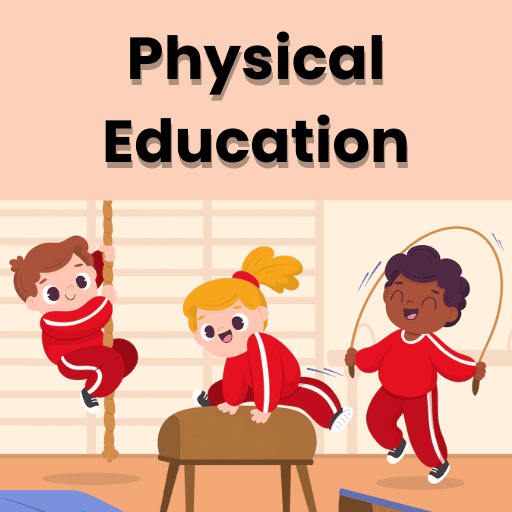
 | INFINITY COURSE Health & Physical Education for Grade 1 – Activities & ExercisesClifford Academy · Last updated on Apr 13, 2026 |
Health & Physical Education for Grade Study Material

Trending Courses for Grade 1

What is Health & Physical Education for Grade 1?
Health & Physical Education for Grade 1 is a foundational course designed for young learners aged 6-7 years, focusing on building healthy habits and physical literacy from an early age. This curriculum combines essential knowledge about nutrition, personal safety, emotional well-being, and physical activity to support overall development during these critical early learning years.
The Grade 1 Health curriculum represents a comprehensive approach to health education, integrating multiple domains that work together to create well-rounded, healthy individuals. Unlike traditional rote-learning approaches, this course emphasizes experiential learning where children develop practical skills through hands-on activities and real-world applications. Indian schools are increasingly adopting this holistic approach, recognizing that health education extends far beyond textbook knowledge.
The course structure ensures that Grade 1 health education addresses the specific needs of young children, using age-appropriate language and concepts that resonate with their lived experiences. Whether learning about healthy eating habits for young children or recognizing safe versus unsafe behavior, every lesson is carefully designed to build confidence and awareness in primary school students.
Understanding Healthy Eating Habits for Grade 1 Students
Teaching nutrition education to Grade 1 students involves introducing the concept that food serves two critical purposes: it provides energy for bodies and fuels the mind for learning. Young learners benefit from interactive lessons about healthy food choices for kids, where they can see, touch, and discuss various foods in their daily lives.
A balanced diet for Grade 1 students should include a variety of foods from different categories. The emphasis during these early years is on building positive associations with nutritious foods rather than restrictive eating patterns. Parents and educators working together on healthy eating for Grade 1 can create environments where children naturally gravitate toward better choices.
Key Nutrition Concepts for Young Learners
- Understanding that different foods provide different types of energy and nutrients
- Learning to identify fruits, vegetables, grains, and protein foods
- Recognizing water as the most important drink for growing bodies
- Developing awareness about meal times and mindful eating practices
Our detailed resource on Food for Healthy Bodies and Minds provides comprehensive guidance on implementing nutrition lessons that actually engage Grade 1 students and help them develop lifelong healthy eating habits.
Canada's Food Guide for Children: A Complete Overview
Canada's Food Guide, updated in 2019, offers valuable recommendations that have been adapted by educators worldwide, including in Indian schools following international standards. The Canada's Food Guide for Grade 1 introduces children to a simplified framework for understanding healthy eating patterns.
The modern approach to Canada's Food Guide for children moves away from rigid food group servings toward flexible healthy eating recommendations. This makes it particularly suitable for Grade 1 education, where flexibility and positive messaging matter more than exact measurements.
Core Messages from Canada's Food Guide
| Food Category | Key Recommendation | Examples for Young Children |
|---|---|---|
| Vegetables & Fruits | Make half your plate vegetables and fruits | Carrots, apples, bananas, spinach |
| Whole Grain Foods | Choose whole grain options | Brown rice, whole wheat bread, oats |
| Protein Foods | Include plant-based and animal sources | Eggs, beans, nuts, fish, chicken |
| Beverages | Make water your drink of choice | Plain water, unsweetened milk |
For comprehensive Canada's Food Guide activities for Grade 1, explore our dedicated Canada's Food Guide chapter which includes interactive lessons and practical classroom activities.
Teaching Personal Safety to Grade 1 Students
Personal safety Grade 1 education forms the cornerstone of safe practices for young children. Teaching young learners to recognize and respond to safety concerns requires age-appropriate language that doesn't create unnecessary fear while building genuine awareness.
Safety education for Grade 1 encompasses multiple environments where children spend their time. From home safety for Grade 1 students to school safety Grade 1 programs, each context requires specific knowledge and skills that help children navigate their world confidently.
Core Safety Education Areas
- Recognizing trusted adults who can help in unsafe situations
- Understanding personal boundaries and body autonomy
- Learning what to do in emergency situations
- Developing confidence to say "no" to uncomfortable situations
Our comprehensive guide on Personal Safety: Safe Practices provides detailed frameworks for teaching these crucial concepts in ways that empower rather than frighten young learners.
How to Recognize Hunger and Thirst Cues in Young Children
Body awareness for young learners begins with understanding basic physiological signals. Teaching children to recognize hunger cues for children and thirst cues Grade 1 helps them develop self-regulation skills that support healthy eating and overall wellness.
Listening to your body Grade 1 education teaches children that their bodies send important messages about what they need. This foundational body awareness skill supports not only nutrition but also the child's broader ability to understand and respond to their physical needs.
Practical Strategies for Body Awareness
Help children identify physical sensations associated with hunger, thirst, and fatigue. When a child says "My tummy feels funny," validate this as their body communicating a need. Create classroom routines that include regular water breaks and snack times, reinforcing the concept that paying attention to body signals is normal and important.
Explore our detailed resource on Hunger and Thirst Cues for evidence-based strategies that help Grade 1 students develop healthy listening habits with their own bodies.
Safe Practices at School and Home for Grade 1
School safety Grade 1 programs and home safety for Grade 1 students work together to create comprehensive protection across the child's environment. Safety tips for Grade 1 students should be practical, memorable, and regularly reinforced through repetition and practice.
| Location | Key Safety Focus | Example Practice |
|---|---|---|
| School | Following safety rules during transitions | Walking safely on stairs, staying with the group |
| Home | Knowing what to do in emergencies | Identifying a trusted adult, emergency numbers |
| Playground | Using equipment safely | Taking turns, playing with supervision |
| Bus/Transport | Following transportation safety rules | Staying seated, using seatbelts |
Both Safety at School and Staying Safe at Home, in the Community, Outdoors and Online chapters provide comprehensive frameworks for implementing consistent safety education across all of a child's environments.
Online Safety for Grade 1 Students: Essential Guidelines
Internet safety for young children has become increasingly important as technology exposure begins earlier in childhood. Online safety Grade 1 education introduces basic digital literacy concepts while building awareness about safe practices online.
Staying safe online Grade 1 lessons should emphasize parental involvement and supervised technology use. Young children benefit from clear, simple rules about screen time and the types of content they access. Teaching digital citizenship at this age creates foundations for safer technology use as children grow older.
Key Online Safety Concepts for Grade 1
- Understanding that online interactions involve real people
- Knowing not to share personal information without adult permission
- Recognizing that some online content isn't appropriate for children
- Developing habits of telling a trusted adult about uncomfortable online experiences
Mental Health Literacy for Young Learners
Mental health literacy Grade 1 education normalizes the concept that mental health is as important as physical health. Mental health education for young children helps them develop emotional vocabulary and recognize that all feelings are valid.
Social-emotional learning Grade 1 programs teach children to recognize emotions in themselves and others, understand that feelings are temporary, and develop healthy ways to express and manage emotions. The mental health for Grade 1 students framework emphasizes resilience, self-awareness, and help-seeking behaviors.
Children in Grade 1 benefit from learning that having difficult emotions is normal, and that there are adults available to help when feelings become overwhelming. Building emotional well-being Grade 1 foundations supports overall school success and life satisfaction.
Our comprehensive guide on Mental Health Literacy covers specific strategies for teaching emotional regulation and mental health awareness in age-appropriate ways.
Understanding Caring Behavior in Grade 1 Health Education
Distinguishing caring behavior Grade 1 from harmful behavior helps children develop healthy relationship skills and social awareness. Teaching young children about healthy relationships for young children means modeling and explicitly teaching kindness, respect, and consideration for others.
The caring versus exploitative behavior curriculum helps children recognize safe versus unsafe behavior in peer interactions. Children learn that caring behavior includes respecting others' bodies and feelings, while exploitative behavior involves taking advantage of or hurting others.
Social skills Grade 1 development benefits from clear examples and consistent reinforcement of caring behaviors. When children understand what caring looks like, they're better equipped to both receive and give respectful treatment in their relationships.
Explore our detailed resource on Caring versus Exploitative Behavior for practical classroom strategies that develop social awareness and healthy relationship patterns.
Substance Awareness Education for Young Children
Substance awareness Grade 1 education introduces young children to the concept that certain substances can be harmful to their bodies. Age-appropriate substance education for Grade 1 students focuses on making healthy choices rather than creating fear or shame.
Teaching children to recognize harmful substances and understand why saying no matters builds foundations for better decision-making in later years. The healthy choices Grade 1 curriculum emphasizes that children have the right to protect their bodies and can ask for help if someone tries to give them something unsafe.
For comprehensive guidance on this sensitive topic, refer to our chapter on Substance Use, Addictions and Related Behaviours which provides age-appropriate frameworks educators can use confidently.
Age-Appropriate Human Development Education for Grade 1
Human development Grade 1 education helps children understand their growing bodies in age-appropriate, matter-of-fact ways. Body parts education Grade 1 using proper terminology supports children's understanding of their own bodies and develops comfort with anatomically correct language.
Understanding bodies Grade 1 education teaches children that their bodies are their own and that privacy is important. Growing and changing Grade 1 lessons help children understand that bodies change over time, preparing them for the physical changes they'll experience.
Children benefit from learning proper terminology for all body parts, understanding that bodies are diverse and healthy in many forms, and knowing that trusted adults are available to answer questions about development. This foundation of knowledge and comfort supports healthy development and open communication.
Our comprehensive resource on Human Development and Sexual Health provides educators and parents with evidence-based approaches to these important conversations.
Physical Education Activities for Grade 1 Students
Physical education for Grade 1 goes beyond simple exercise to develop physical literacy for young children. PE activities Grade 1 programs focus on building fundamental movement skills while fostering a love of active living Grade 1.
Movement education Grade 1 programs include diverse activities that develop coordination, balance, and confidence in physical movement. Physical activities for Grade 1 students should be playful, inclusive, and designed to help every child experience success and enjoyment in physical activity.
Active living Grade 1 foundations built during these early years often persist into adolescence and adulthood. When children have positive experiences with physical activity, they're more likely to maintain healthy, active lifestyles throughout their lives.
Comprehensive Health Education Resources for Grade 1
Accessing quality health and physical education resources remains essential for educators and parents supporting Grade 1 students. EduRev provides comprehensive Grade 1 health education materials covering all curriculum areas with lesson plans, activities, and assessment resources.
Whether you're searching for specific health education activities Grade 1, PE lesson plans, or worksheets addressing particular topics, consistent, evidence-based resources support better outcomes for young learners. The curriculum areas covered-nutrition, safety, mental health, social skills, and physical activity-work together to support holistic child development during these foundational years.
Health & Physical Education for Grade 1 Exam Pattern 2026-2027
Introduction:
Health and Physical Education is an integral part of a child's overall development. It not only promotes physical fitness but also instills important life skills and healthy habits. In Grade 1, the curriculum focuses on introducing students to basic health concepts and developing their motor skills through physical activities.
Exam Pattern:
The Grade 1 Health & Physical Education exam pattern aims to assess students' understanding of the subject and their ability to apply the knowledge gained. The exam pattern typically consists of the following components:
1. Theory Exam: The theory exam assesses students' understanding of health-related concepts. It may include multiple-choice questions, short answer questions, and fill in the blanks. Topics covered in the theory exam may include personal hygiene, nutrition, body parts, and safety rules.
2. Practical Exam: The practical exam evaluates students' physical abilities and skills. It may include activities such as running, jumping, balancing, throwing, and catching. Students are assessed on their coordination, agility, and overall physical fitness.
3. Project Work: Grade 1 students may be required to complete a project related to health and physical education. This could involve creating a poster on personal hygiene or preparing a healthy recipe. The project work assesses their creativity, research skills, and understanding of the subject.
4. Oral Assessment: In some cases, oral assessments may be conducted to evaluate students' ability to communicate their understanding of health and physical education concepts. This may involve answering questions related to the topics covered in class.
Tips for Preparation:
To excel in the Grade 1 Health & Physical Education exam, students can follow these key pointers:
1. Regular Exercise: Engage in regular physical activities to improve overall fitness and enhance motor skills.
2. Study Resources: Refer to textbooks and study materials prescribed by the school to understand the concepts thoroughly.
3. Practice Worksheets: Solve practice worksheets and sample papers to familiarize yourself with the exam pattern and gain confidence.
4. Healthy Habits: Develop and maintain healthy habits such as personal hygiene, balanced diet, and proper sleep patterns.
5. Active Participation: Actively participate in practical sessions and group activities to improve coordination and teamwork skills.
6. Revision: Regularly revise the topics covered in class to reinforce learning and ensure better retention.
In conclusion, the Grade 1 Health & Physical Education exam pattern assesses students' knowledge of health-related concepts and their physical abilities. By following the tips mentioned above and putting in consistent effort, students can excel in this subject and lay a strong foundation for their overall well-being.


Health & Physical Education for Grade 1 Syllabus 2026-2027 PDF Download
Grade 1 Food for Healthy Bodies and Minds
- Understanding the importance of healthy food choices
- Identifying different food groups and their benefits
- Recognizing the importance of balanced meals
- Promoting healthy eating habits
Grade 1 Canada's Food Guide
- Introduction to Canada's Food Guide and its purpose
- Understanding the different food groups and their recommended servings
- Identifying healthy food options within each food group
- Planning and creating balanced meals based on Canada's Food Guide
Grade 1 Caring versus Exploitative Behavior
- Understanding the difference between caring and exploitative behaviors
- Recognizing and promoting empathy and kindness towards others
- Identifying and avoiding behaviors that may harm or exploit others
- Promoting positive social interactions and relationships
Grade 1 Hunger and Thirst Cues
- Recognizing and understanding the body's hunger and thirst cues
- Identifying the importance of listening to our body's needs for food and water
- Promoting healthy snacking habits and staying hydrated
- Recognizing the signs of hunger and thirst and responding appropriately
Grade 1 Personal Safety: Safe Practices
- Understanding personal safety rules and practices
- Recognizing and avoiding potential dangers in various settings
- Learning about safe practices for crossing the road, using pedestrian crossings, etc.
- Promoting personal safety habits and responsibility
Grade 1 Safety at School
- Understanding and following school safety rules and procedures
- Identifying safe behaviors in the classroom, playground, and other school areas
- Recognizing and reporting potential safety hazards at school
- Promoting a safe and inclusive school environment
Grade 1 Staying Safe at Home, in the Community, Outdoors, and Online
- Understanding safety rules and practices at home, in the community, outdoors, and online
- Identifying potential dangers and taking appropriate safety measures
- Learning about stranger danger and safe online behavior
- Promoting responsible and safe behaviors in various settings
Grade 1 Substance Use, Addictions, and Related Behaviors
- Introducing the concept of substances and their effects on the body
- Understanding the difference between healthy and harmful substances
- Recognizing the importance of making healthy choices and avoiding harmful behaviors
- Promoting a drug-free and healthy lifestyle
Grade 1 Human Development and Sexual Health
- Introducing the concept of human development and growth
- Understanding the changes that occur during puberty
- Promoting body positivity and self-acceptance
- Respecting personal boundaries and understanding consent
Grade 1 Mental Health Literacy
- Introducing the concept of mental health and emotions
- Understanding and expressing different emotions in a healthy way
- Recognizing the importance of self-care and stress management
- Promoting empathy and understanding towards others' mental health
Note: This syllabus is intended as a general guide and may vary depending on the specific curriculum and educational standards of the school or district.
This course is helpful for the following exams: Grade 1
How to Prepare Health & Physical Education for Grade 1?
Health and Physical Education is an essential subject for Grade 1 students as it promotes their overall well-being and physical development. It teaches them about the importance of leading a healthy lifestyle and engaging in regular physical activities. To effectively prepare for this subject, follow these key points:
1. Understanding the Course Objectives:
Before diving into the course material, it is important to understand the objectives of the Health & Physical Education curriculum for Grade 1. The course aims to introduce students to basic health concepts, educate them about maintaining personal hygiene, and encourage physical activity through games and exercises.
2. Familiarize Yourself with the Course Content:
Take some time to go through the course content provided by EduRev. This will give you a clear understanding of the topics and concepts that will be covered throughout the year. Pay attention to keywords such as health, hygiene, nutrition, exercise, and safety.
3. Create a Study Schedule:
To ensure effective learning, create a study schedule that dedicates specific time slots for Health & Physical Education. This will help you allocate enough time to understand the concepts, practice exercises, and engage in physical activities.
4. Encourage Active Learning:
Health & Physical Education is a practical subject that involves active learning. Encourage students to actively participate in class discussions, group activities, and outdoor games. This will not only enhance their understanding of the subject but also promote physical fitness.
5. Incorporate Interactive Learning Resources:
Make use of interactive learning resources such as videos, online quizzes, and educational games provided by EduRev. These resources can help reinforce the concepts taught in class and make learning more engaging for students.
6. Emphasize Personal Hygiene and Safety:
Personal hygiene and safety are crucial aspects of Health & Physical Education. Teach students about the importance of washing hands, brushing teeth, and maintaining cleanliness. Additionally, educate them about safety measures to follow during physical activities to prevent injuries.
7. Encourage Healthy Habits:
Promote healthy habits among students, such as eating nutritious food, staying hydrated, and getting enough sleep. Explain the benefits of a balanced diet and regular exercise, and encourage them to make healthy choices in their daily lives.
8. Assess Progress Regularly:
Regularly assess students' progress through quizzes, assignments, and practical demonstrations. This will help identify areas where additional support and guidance may be required. Provide constructive feedback and offer opportunities for improvement.
By following these key points, both educators and students can effectively prepare for the Health & Physical Education curriculum for Grade 1. Remember to make use of the resources provided by EduRev and encourage active learning to ensure a comprehensive understanding of the subject.
Importance of Health & Physical Education for Grade 1
Physical and mental well-being is of utmost importance, especially for young children in Grade 1. The Health & Physical Education Course offered by EduRev plays a crucial role in promoting a healthy lifestyle and overall development among grade 1 students.
Why is Health & Physical Education important for Grade 1 students?
1. Physical Fitness: The course focuses on physical activities that help in improving strength, endurance, flexibility, and overall fitness levels among grade 1 students. Regular physical exercise is essential for maintaining a healthy body weight and preventing diseases.
2. Mental Health: Engaging in physical activities not only boosts physical health but also has a positive impact on mental well-being. Regular exercise helps reduce stress, anxiety, and promotes better concentration and focus among grade 1 students.
3. Social Skills: Health & Physical Education courses provide opportunities for grade 1 students to interact and collaborate with their peers. Team sports and group activities help in developing social skills such as teamwork, cooperation, and communication.
4. Healthy Habits: The course emphasizes the importance of adopting healthy habits such as proper nutrition, personal hygiene, and adequate sleep. Grade 1 students learn about the benefits of a balanced diet and the importance of maintaining cleanliness to prevent illnesses.
5. Motor Skills: Through various physical activities and games, grade 1 students develop and enhance their motor skills. These skills include coordination, balance, agility, and spatial awareness, which are essential for their overall physical development.
6. Self-confidence: Participating in physical activities and achieving personal goals boosts the self-confidence of grade 1 students. They learn to set targets, work hard, and overcome challenges, which ultimately builds their self-esteem.
7. Academic Performance: Research has shown that regular physical activity positively impacts academic performance. Grade 1 students who engage in physical activities have improved cognitive abilities, better memory, and enhanced concentration, leading to better academic outcomes.
Conclusion:
The Health & Physical Education Course offered by EduRev for Grade 1 is essential in promoting the overall development and well-being of young students. It not only focuses on physical fitness but also enhances mental health, social skills, and academic performance. By instilling healthy habits and encouraging an active lifestyle from an early age, grade 1 students are equipped with the necessary tools to lead a healthy and successful life.
Health & Physical Education for Grade 1 FAQs
| 1. What are the basic body parts and bones that Grade 1 kids need to learn in Health and Physical Education? |  |
| 2. How do I teach my child healthy eating habits for Grade 1? | |
| 3. What exercises and movement activities should Grade 1 students practice regularly? | |
| 4. Why is personal hygiene important for Grade 1 children and what should they learn? | |
| 5. What are the five senses and how do they help Grade 1 students understand their environment? | |
| 6. How can I help my Grade 1 child develop good posture and sitting habits? | |
| 7. What safety rules should Grade 1 students follow during sports and outdoor play? | |
| 8. How do emotions and feelings relate to physical health in Grade 1 Health Education? | |
| 9. What daily routines and habits should Grade 1 children establish for overall wellness? | |
| 10. How can Grade 1 students understand and practise basic first aid for minor injuries? | |
 | View your Course Analysis |  |
 | Create your own Test | |



|
 Ratings
 | Explore Courses for Grade 1 exam |  |


