Practice Questions Hindi (Sparsh and Sanchayan) - Class 9 with Solutions PDF Download

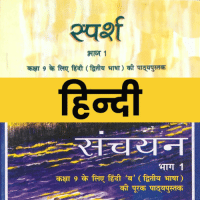
Best CBSE Class 9 Hindi Practice Questions with Solutions - Download Free PDF
Students preparing for CBSE Class 9 Hindi examinations often struggle with applying theoretical concepts to practical question-solving. The practice questions available on EduRev are specifically designed to address this challenge by covering all chapters from both Sparsh and Sanchayan textbooks. These comprehensive question sets include detailed solutions that explain the reasoning behind each answer, helping students understand common mistakes like misinterpreting the central theme of prose pieces or incorrectly analyzing poetic devices in Hindi literature. The questions range from short answer formats to long descriptive answers, mirroring the actual exam pattern. By working through these practice materials, students develop critical thinking skills necessary for analyzing literary texts, comprehending author perspectives, and articulating responses in proper Hindi language structure. The step-by-step solutions particularly benefit students who find difficulty in expressing literary analysis in Hindi, as they demonstrate proper vocabulary usage and answer structuring techniques expected in CBSE board examinations.
Practice Questions for Class 9 Hindi - Book 1: Sparsh
Chapter 1: दुःख का अधिकार
This chapter by Yashpal explores the social discrimination faced by the lower classes, particularly focusing on a woman's grief being dismissed due to her social status. Students often find it challenging to analyze the subtle social commentary and the irony in how society permits certain people to express emotions while denying others. The practice questions cover the story's themes of social inequality, emotional suppression, and human dignity. Questions require students to critically examine the protagonist's internal conflict and society's hypocritical attitudes toward grief expression across different social classes.
Chapter 2: एवरेस्ट: मेरी शिखर यात्रा
Bachendri Pal's autobiographical account describes her historic journey as the first Indian woman to summit Mount Everest. The practice questions focus on understanding the physical challenges, mental determination, and technical aspects of mountaineering described in the chapter. Students must grasp specific details about altitude sickness, oxygen levels, and team coordination. The questions also explore themes of women's empowerment and breaking gender stereotypes. Many students struggle with technical mountaineering vocabulary, so the solutions provide contextual explanations of terms like 'sherpa', 'base camp', and 'summit ridge'.
Chapter 3: तुम कब जाओगे, अतिथि
Sharad Joshi's humorous satire on the Indian concept of 'Atithi Devo Bhava' presents the narrator's frustration with an overstaying guest. The practice questions examine the use of satire, irony, and humor to critique social customs. Students must identify the contrast between traditional hospitality values and practical inconveniences. Questions explore character motivations, the narrator's changing emotions, and the societal pressure to maintain appearances. The solutions help students understand how the author uses exaggeration and situational comedy to highlight the absurdity of blindly following traditions without considering modern realities.
Chapter 4: वैज्ञानिक चेतना के वाहक: चन्द्र शेखर वेंकट रमन
This biographical sketch of Nobel laureate C.V. Raman explores his scientific temperament, curiosity, and contributions to physics. Practice questions require students to understand the Raman Effect, his experimental approach, and his role in popularizing scientific thinking in India. Students often confuse biographical facts with scientific concepts explained in the chapter. The questions test comprehension of Raman's personality traits, his dedication to research despite limited resources, and how his discoveries brought international recognition to Indian science. Solutions clarify the distinction between describing his life events and explaining his scientific achievements.
Chapter 5: शुक्र तारे के सामान
This chapter captures childhood innocence through the eyes of a young boy fascinated by his grandmother's button-like appearance of the Venus star. Practice questions focus on understanding the child's perspective, the emotional bond between generations, and the symbolic significance of the star. Students must analyze the descriptive language, sensory details, and the contrast between a child's simple worldview and adult complexities. The questions explore themes of family relationships, childhood wonder, and the passage of time. Solutions demonstrate how to identify and explain literary devices used to convey emotions and create imagery.
Chapter 6: रैदास के पद
Sant Ravidas's devotional poetry challenges caste-based discrimination and emphasizes spiritual equality. The practice questions require students to interpret medieval Hindi poetic language, understand bhakti movement philosophy, and analyze the social reform message embedded in the verses. Students frequently struggle with archaic vocabulary and religious metaphors. Questions examine Ravidas's use of everyday imagery to convey profound spiritual truths, his critique of ritualistic religion, and his vision of a casteless society. The solutions provide line-by-line explanations of complex verses and contextualize his teachings within the broader bhakti tradition.
Chapter 7: रहीम के दोहे
Rahim's couplets offer timeless wisdom on human behavior, relationships, and moral values through concise yet profound observations. Practice questions test students' ability to decode the layered meanings in each doha, identify the moral lesson conveyed, and appreciate the use of metaphors drawn from nature and daily life. Students often miss the subtle irony and double meanings characteristic of Rahim's style. Questions require explaining how a simple two-line verse can contain complex philosophical insights. Solutions demonstrate the technique of unpacking condensed poetic language and connecting abstract wisdom to practical life situations.
Chapter 8: गीत - अगीत
Ramdhári Singh 'Dinkar's poem contrasts formal, celebrated songs (geet) with unsung, ignored melodies (ageet) that represent marginalized voices in society. The practice questions explore the symbolic meaning of musical metaphors, the poet's social consciousness, and his critique of elitist art forms that ignore common people's expressions. Students must analyze the contrasting imagery, understand the political undertones, and identify how Dinkar uses the song metaphor to discuss social justice. Solutions help students recognize that the poem is not merely about music but about whose voices are valued in society.
Chapter 9: अग्नि पथ
Harivansh Rai Bachchan's motivational poem encourages readers to persevere through life's challenges without complaint or despair. Practice questions focus on understanding the extended metaphor of the fiery path, analyzing the repetitive structure's impact, and interpreting the poet's philosophy of stoic resilience. Students often overlook how the poem's rhythm and word choice reinforce its message of determination. Questions examine specific images like burning feet, dark nights, and the solitary journey. Solutions explain how Bachchan uses harsh imagery deliberately to emphasize that meaningful achievements require enduring hardships without seeking sympathy or support.
Chapter 10: नए इलाके में...खुशबू रचते हैं हाथ...
These two contemporary poems reflect on urbanization and labor's dignity respectively. The practice questions analyze how 'Naye Ilake Mein' captures the disorientation in newly developed urban areas lacking natural landmarks, while 'Khushbu Rachte Hain Haath' celebrates craftspeople creating beauty through manual work. Students must contrast traditional navigation methods with modern addresses and understand the poet's nostalgia for simpler times. The second poem requires recognizing how different professions contribute fragrance to life metaphorically. Solutions demonstrate techniques for analyzing modern Hindi poetry that uses everyday language and urban imagery.
Practice Questions for Class 9 Hindi - Book 2: Sanchayan
Chapter 1: गिल्लू
Mahadevi Verma's touching account of her pet squirrel Gillu explores themes of interspecies bonding, compassion, and mortality. Practice questions require students to understand the narrative style, emotional depth, and descriptive techniques used to portray the squirrel's personality. Students often struggle to express the subtle emotions and observations that make this essay a masterpiece of Hindi prose. Questions explore how Verma humanizes Gillu without sentimentality, her detailed observations of animal behavior, and the philosophical reflections on life and death triggered by Gillu's passing. Solutions guide students in appreciating nature writing and personal essay formats.
Chapter 2: स्मृति
Shridhar Pathak's poem evokes nostalgic memories through vivid sensory imagery and emotional reflection on the past. The practice questions focus on identifying the poetic devices used to recreate memory, understanding the melancholic tone, and analyzing how specific images trigger emotional responses. Students must recognize the contrast between past happiness and present longing. Questions explore the universal theme of nostalgia and how the poet uses natural imagery-seasons, landscapes, sounds-to represent lost time. Solutions demonstrate techniques for analyzing subjective, emotion-centered poetry that doesn't follow a linear narrative but instead captures fleeting moments and feelings.
Chapter 3: कल्लू कुम्हार की उनाकोटी
This story from Tripura's folklore explains the origin of Unakoti's rock carvings through the legend of sculptor Kallu Kumhar. Practice questions examine the blend of mythology, local history, and moral lessons embedded in the narrative. Students must understand the significance of religious devotion, artistic dedication, and the consequences of pride. Questions explore the cultural context of pilgrimage sites, the relationship between legends and historical monuments, and how folklore preserves regional identity. Solutions help students analyze folk narrative structures that differ from modern short stories, including oral storytelling elements and mythological frameworks.
Chapter 4: मेरा छोटा-सा निजी पुस्तकालय
Dharamvir Bharati's autobiographical essay describes his personal library's growth and its role in shaping his literary sensibility. Practice questions require understanding the relationship between readers and their book collections, the emotional attachment to physical books, and how libraries reflect personality. Students must analyze Bharati's humorous yet affectionate descriptions of acquiring, organizing, and treasuring books despite limited space. Questions explore themes of intellectual development, the democratization of knowledge through personal libraries, and the pre-digital era's reading culture. Solutions guide students in writing about abstract concepts like the love of reading with concrete examples.
CBSE Class 9 Hindi Sparsh and Sanchayan Important Practice Questions with Answers
Scoring well in CBSE Class 9 Hindi requires more than memorizing chapter summaries-students must demonstrate analytical skills, proper Hindi expression, and the ability to connect literary themes to broader social contexts. The practice questions on EduRev address common exam challenges such as misinterpreting a poet's intent in the poetry section or providing superficial character analysis in prose chapters. For example, students frequently lose marks in questions about Rahim's dohas because they provide literal translations instead of explaining the underlying wisdom. Similarly, biographical chapters like the one on C.V. Raman require distinguishing between describing events and analyzing their significance. These practice sets prepare students for both short-answer questions that test specific recall and long-answer questions demanding synthesis and critical thinking, ensuring comprehensive exam readiness.
Complete Chapter-wise Hindi Practice Material for Class 9 CBSE Board Students
The fourteen chapters across Sparsh and Sanchayan textbooks cover diverse literary forms-prose, poetry, biography, folklore, and personal essays-each requiring different analytical approaches. Many Class 9 students struggle particularly with poetry chapters because they focus on word meanings rather than poetic devices and thematic interpretation. For instance, in analyzing Bachchan's "Agni Path," successful answers must discuss the motivational philosophy and metaphorical language, not just translate verses. Similarly, prose chapters like "Tum Kab Jaoge, Atithi" require recognizing satirical intent rather than treating it as a straightforward narrative. The structured practice questions on EduRev develop these genre-specific skills systematically, helping students approach each literary form with appropriate analytical frameworks and examination strategies.


More Chapters in Hindi Class 9 (Sparsh and Sanchayan)
Practice Questions | Hindi Class 9 (Sparsh and Sanchayan)
Top Courses for Class 9

Frequently asked questions on Class 9 Preparation
- What are the questions asked in Class 9 examinations?As per the CBSE exam pattern for Class 9 2021, the type of questions asked in the examination are Very Short Answer (VSA) type, Short Answer(SA) type, and Long Answer (LA) type. There will be CBSE internal marks for Class 9 2022 of 20 marks for both the terms.


$48/month

 | Explore Courses for Class 9 Exam |  |
