Worksheets for Hindi: Hindi (सारंगी) - Class 1 Practice Questions

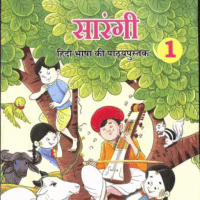
Class 1 Notes for Worksheets for Hindi: Class 1
Class 1 Hindi Worksheets with Solutions - Download Free PDF
Finding the best Class 1 Hindi worksheets is crucial for young learners beginning their language journey with the NCERT Sarangi textbook. Parents and teachers searching for comprehensive Class 1 Hindi practice material need resources that combine engaging activities with clear solutions. These NCERT-based worksheets cover all chapters from the Sarangi curriculum, helping children develop foundational reading and writing skills in Hindi. Each worksheet focuses on age-appropriate vocabulary, simple sentence formation, and picture-based comprehension that keeps first graders interested. The accompanying solutions enable parents to guide their children effectively at home, making it easier to identify which concepts need more practice-such as distinguishing between similar-looking Hindi letters or understanding matra placement, which are common challenges for Class 1 students.
Worksheet for Class 1 Hindi Chapter: मीना का परिवार
This chapter introduces young learners to family relationships through the story of Meena and her family members. Students learn essential Hindi vocabulary related to family bonds, which forms the foundation for conversational skills. The best Class 1 Hindi worksheets for this chapter include picture-matching activities where children connect family members with their Hindi names, helping them remember words like माता, पिता, भाई, and बहन. Practice exercises focus on identifying family relationships and writing simple sentences about one's own family, a skill that builds both language proficiency and personal expression in young NCERT Hindi learners.
- Worksheet: मीना का परिवार - 1
- Worksheet Solutions: मीना का परिवार - 1
- Worksheet: मीना का परिवार - 2
- Worksheet Solutions: मीना का परिवार - 2
Worksheet for Class 1 Hindi Chapter: दादा-दादी
The chapter on grandparents teaches children about the special bond between grandchildren and their दादा-दादी, emphasizing respect for elders in Indian culture. Class 1 Hindi practice worksheets for this lesson include activities where students describe their grandparents, helping them learn adjectives like बूढ़े, प्यारे, and अच्छे. Young learners often struggle with correctly using masculine and feminine forms in Hindi, and these NCERT-aligned exercises provide targeted practice. The worksheets incorporate drawing activities where children illustrate their grandparents and label the picture in Hindi, combining visual learning with language development effectively.
Worksheet for Class 1 Hindi Chapter: रीना का दिन
This chapter walks students through Reena's daily routine, introducing time-related vocabulary and action words in Hindi. The best worksheets for Class 1 Hindi students include sequencing activities where children arrange daily activities in correct order, teaching them words like सुबह, दोपहर, शाम, and रात. NCERT Sarangi-based practice materials focus on simple present tense verbs such as उठना, नहाना, खाना, and पढ़ना. Many first graders find it challenging to remember the correct sequence of daily activities in Hindi, so these worksheets use clock faces and picture sequences to make the concept visual and memorable.
Worksheet for Class 1 Hindi Chapter: रानी भी
This chapter centers on inclusion and equality, teaching children that everyone deserves fair treatment through the story of Rani. Class 1 Hindi worksheets for this lesson emphasize understanding emotions and fairness, with vocabulary including भी, समान, and साथ. The NCERT-aligned exercises help young learners practice forming sentences with the word "भी" (also/too), which is essential for expressing similar situations. Students work on fill-in-the-blank activities and picture-based comprehension that strengthen their grasp of inclusive language. These worksheets are particularly valuable because they combine language learning with important social values that parents appreciate.
Worksheet for Class 1 Hindi Chapter: मिठाई
The chapter on sweets introduces children to food vocabulary in Hindi, particularly different types of मिठाई found in Indian culture. Best practice worksheets for this NCERT chapter include naming exercises where students identify sweets like लड्डू, जलेबी, बर्फी, and गुलाब जामुन through pictures. Class 1 Hindi learners enjoy this topic because it connects to their real-life experiences during festivals and celebrations. The exercises often include counting activities combined with sweet names, helping children practice both numbers and nouns simultaneously. Many young students confuse similar-sounding sweet names, so these worksheets provide repeated exposure with visual cues.
Worksheet for Class 1 Hindi Chapter: तीन साथी
This story-based chapter teaches about friendship through the tale of three companions, introducing vocabulary related to relationships and cooperation. Class 1 Hindi worksheets for तीन साथी include comprehension questions that test understanding of the story's moral values. NCERT-based exercises focus on words like दोस्त, साथी, मदद, and खेलना, which are essential for social communication. The best worksheets combine story sequencing activities with character identification, helping young learners develop both reading comprehension and narrative skills. Students practice writing short sentences about their own friends, personalizing the language learning experience and making it more meaningful.
Worksheet for Class 1 Hindi Chapter: वाह, मेरे घोड़े!
This rhythmic chapter about horses helps Class 1 students learn through poetry and repetitive patterns, which are excellent for language retention. The best Hindi worksheets for this lesson focus on recitation practice and understanding exclamatory expressions like वाह! NCERT Sarangi exercises include activities where children identify animals, particularly the घोड़ा, and describe its characteristics using simple adjectives. Young learners enjoy the musical quality of this chapter, and worksheets often include illustration activities where students draw and label horses. Common challenges include correctly writing the conjunct consonant in घोड़ा, which these practice materials address through tracing and writing exercises.
Worksheet for Class 1 Hindi Chapter: खतरे में साँप
This environmental awareness chapter introduces children to the importance of protecting snakes and understanding wildlife. Class 1 Hindi worksheets for this topic teach vocabulary related to animals and nature, including साँप, खतरा, जंगल, and बचाना. NCERT-based exercises help young learners understand that not all creatures that seem scary are harmful, an important lesson in environmental education. The best practice materials include true/false questions about snake facts and picture-based activities identifying different animals. Students practice forming sentences about animal protection, combining language skills with values of compassion and ecological awareness that parents find valuable.
Worksheet for Class 1 Hindi Chapter: आलू की सड़क
This imaginative chapter about a road made of potatoes sparks creativity while teaching Hindi vocabulary related to vegetables and infrastructure. Class 1 worksheets for this NCERT lesson include activities where students name different सब्जियाँ like आलू, टमाटर, प्याज, and गाजर. The best Hindi practice materials use the whimsical story to teach prepositions and location words such as पर, में, and के नीचे. Young learners often find abstract concepts difficult, but the concrete imagery of vegetables forming a road makes spatial vocabulary memorable. These exercises combine imagination-building with essential language practice, helping children express creative ideas in Hindi.
Worksheet for Class 1 Hindi Chapter: झूलम-झूली
This rhythmic chapter about swinging introduces action vocabulary and playful language that resonates with young children's experiences. The best Class 1 Hindi worksheets for झूलम-झूली focus on movement words like झूलना, हिलना, and चलना, which are commonly used in everyday conversation. NCERT Sarangi-based exercises include matching activities where students connect actions with pictures, reinforcing verb comprehension. Many first graders struggle with correctly using gender agreement with action words in Hindi, and these practice materials provide repeated exposure to masculine and feminine verb forms through playful contexts that keep children engaged while learning grammatical accuracy.
Worksheet for Class 1 Hindi Chapter: भुट्टे
This chapter on corn teaches children about agricultural vocabulary and seasonal foods in Hindi. Class 1 worksheets for this NCERT topic introduce words like भुट्टा, खेत, किसान, and फसल, connecting language learning with awareness of where food comes from. The best practice materials include picture-based identification of different grains and vegetables, helping students distinguish between similar crops. Young learners practice counting corn kernels while learning numbers in Hindi, combining mathematical and linguistic skills. These exercises often include coloring activities where children color corn yellow while writing its name in Hindi, using multi-sensory learning approaches that improve retention.
Worksheet for Class 1 Hindi Chapter: फूली रोटी
This delightful chapter about puffed bread introduces food preparation vocabulary and family kitchen experiences in Hindi. Class 1 NCERT worksheets for this lesson teach words like रोटी, फूलना, चूल्हा, and पकाना, connecting to children's daily experiences with meals. The best practice materials include sequencing activities showing the steps of making रोटी, helping students understand process vocabulary and temporal words like पहले, फिर, and अंत में. Many young learners enjoy this chapter because it validates their observation of cooking at home. These exercises combine language learning with practical life knowledge, and parents appreciate how the content bridges classroom and home environments.
Worksheet for Class 1 Hindi Chapter: मेला
The chapter on fairs introduces children to cultural vocabulary and festive experiences common in Indian communities. Class 1 Hindi worksheets for मेला teach words like मेला, खिलौने, झूले, खाना, and भीड़, which relate to exciting real-world experiences. NCERT-based exercises include picture comprehension showing various fair activities, helping students identify and name different stalls and attractions in Hindi. The best practice materials ask students to describe their own fair experiences, encouraging personal narrative skills in their developing Hindi vocabulary. Young learners often confuse similar festive vocabulary, so these worksheets provide repeated practice distinguishing between मेला, त्योहार, and उत्सव through contextual usage.
Worksheet for Class 1 Hindi Chapter: बरखा और मेघा
This chapter about rain and clouds teaches weather-related vocabulary through the characters Barkha and Megha. Class 1 NCERT Hindi worksheets introduce essential words like बारिश, बादल, पानी, and भीगना, helping children describe natural phenomena. The best practice materials include observation-based activities where students draw and label rainy scenes, combining artistic expression with language learning. Young learners practice forming simple sentences about weather, such as "बादल आए" or "बारिश हो रही है," which are useful for everyday conversation. These exercises often include sound-word activities teaching onomatopoeia like टप-टप and छम-छम, which make language learning playful and memorable for first graders.
Worksheet for Class 1 Hindi Chapter: होली
This festive chapter introduces children to the celebration of Holi, teaching cultural vocabulary and festival-related words in Hindi. Class 1 worksheets for this NCERT topic include words like रंग, गुलाल, त्योहार, खुशी, and मिठाई, all central to understanding Indian celebrations. The best practice materials feature picture-matching activities where students connect festival items with their Hindi names, reinforcing visual memory. Young learners practice writing about their Holi experiences, developing both language skills and cultural identity. These exercises often include color identification in Hindi, helping students learn रंगों के नाम like लाल, पीला, हरा, and नीला through the joyful context of the festival.
Worksheet for Class 1 Hindi Chapter: जन्मदिवस पर पेड़ लगाओ
This environmental chapter teaches children about tree plantation on birthdays, combining celebration vocabulary with ecological awareness. Class 1 NCERT Hindi worksheets for this lesson introduce words like पेड़, पौधा, लगाना, जन्मदिन, and बढ़ना, teaching both nature vocabulary and the concept of giving back to the environment. The best practice materials include activities where students plan their own tree-planting ceremony, describing it in simple Hindi sentences. Young learners practice action verbs related to tree care like पानी देना, खाद डालना, and देखभाल करना. These exercises connect language learning with environmental responsibility, a combination that parents and educators increasingly value for holistic child development.
Worksheet for Class 1 Hindi Chapter: हवा
This chapter on wind introduces children to natural elements and sensory vocabulary in Hindi. Class 1 worksheets for this NCERT topic teach words like हवा, चलना, तेज़, धीमी, and ठंडी, helping students describe weather conditions and physical sensations. The best practice materials include activities where children describe how wind feels and what it does, using adjectives and action verbs appropriately. Young learners often struggle with abstract concepts like wind that cannot be directly seen, so these exercises use concrete examples like flying kites, moving trees, and fluttering clothes to make the vocabulary tangible and memorable through relatable experiences.
Worksheet for Class 1 Hindi Chapter: कितनी प्यारी है ये दुनिया
This appreciation-focused chapter teaches children to observe and describe the beauty of the world in Hindi. Class 1 NCERT worksheets for this lesson introduce descriptive vocabulary like प्यारी, सुंदर, रंगीन, खुशी, and अच्छी, helping young learners express positive observations. The best practice materials include picture description activities where students write simple sentences about beautiful things they see around them, combining language skills with mindfulness. Young learners practice forming exclamatory sentences using words like कितना and क्या, which add emotional expression to their Hindi communication. These exercises develop both linguistic and emotional intelligence simultaneously.
Worksheet for Class 1 Hindi Chapter: चाँद का बच्चा
This imaginative chapter about the moon's child sparks creativity while teaching celestial vocabulary in Hindi. Class 1 worksheets for this NCERT lesson introduce words like चाँद, तारे, आकाश, रात, and चमकना, helping children describe nighttime phenomena. The best practice materials include story comprehension questions that test understanding while building vocabulary related to sky objects. Young learners enjoy the fantastical element of the moon having a child, which makes abstract astronomical concepts more relatable. These exercises often combine science awareness with language learning, asking students to draw and label night sky scenes, thereby reinforcing both Hindi writing skills and observational abilities.
NCERT Class 1 Hindi Practice Material for Sarangi Curriculum
The NCERT Sarangi textbook for Class 1 Hindi is specifically designed for young learners beginning their journey with the Devanagari script and basic Hindi comprehension. Quality practice worksheets complement the textbook by providing additional exercises that reinforce letter recognition, matra usage, and simple word formation-areas where first graders commonly need extra practice. EduRev offers comprehensive worksheet sets with detailed solutions that help parents guide home learning effectively, even if they're not Hindi language experts themselves. Each worksheet aligns with specific chapters, ensuring systematic skill development that matches classroom progression and builds confidence in young Hindi learners.
Best Resources for Class 1 Hindi Worksheet Practice
Effective Class 1 Hindi learning requires worksheets that balance skill-building with engagement appropriate for 6-7 year old children. The best resources include picture-heavy exercises that support early readers, tracing activities for handwriting development, and audio components that help with pronunciation-though written worksheets remain the foundation. EduRev provides chapter-wise organized materials with progressive difficulty levels, allowing students to master basic concepts before advancing. Parents searching for reliable NCERT-aligned Hindi worksheets benefit from having both practice exercises and complete solutions in one place, eliminating the need to search multiple platforms and ensuring consistency in learning methodology throughout the academic year.
More Chapters in Hindi for Class 1 (सारंगी)
Worksheets for Hindi: Class 1 | Hindi for Class 1 (सारंगी)

Top Courses for Class 1



 | Explore Courses for Class 1 Exam |  |
