
Test Level 1: Syllogism - 1 CAT MCQs & solutions - Free
MCQ Practice Test & Solutions: Test Level 1: Syllogism - 1 (10 Questions)
You can prepare effectively for CAT Level-wise Tests for CAT with this dedicated MCQ Practice Test (available with solutions) on the important topic of "Test Level 1: Syllogism - 1". These 10 questions have been designed by the experts with the latest curriculum of CAT 2026, to help you master the concept.
Test Highlights:
- - Format: Multiple Choice Questions (MCQ)
- - Duration: 20 minutes
- - Number of Questions: 10
Sign up on EduRev for free to attempt this test and track your preparation progress.

Direction: The question consists of three statements followed by two conclusions labelled I and II. Consider the statements to be true even if they are at variance from the commonly known facts. Read all the conclusions and then decide which of the given conclusions logically follow(s) from the given statements.
Statements:
All Punjabi is Nigerian.
Some German is Punjabi.
Some European is German.
All American is Nigerian.
Conclusions:
I. All German is Nigerian.
II. Some European is American.
III. Some Punjabi is European.
All Punjabi is Nigerian.
Some German is Punjabi.
Some European is German.
All American is Nigerian.
Conclusions:
I. All German is Nigerian.
II. Some European is American.
III. Some Punjabi is European.
Detailed Solution: Question 1

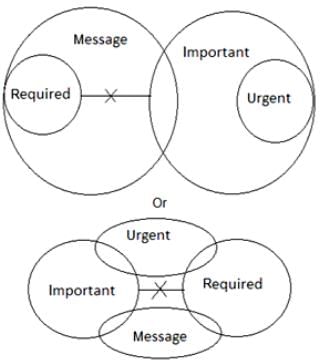
Directions: In the question below are given three statements followed by three conclusions numbered I, II and III. You have to take the given statements to be true even if they seem to be at variance with commonly known facts. Read all the statements and then decide which of the given conclusions logically follow(s) from the given statements, disregarding commonly known facts.
Statements:
Some messages are important.
Some important are urgent.
No important is required.
Conclusions:
I. All required may be messages.
II. Some urgent are not important.
III. Some required is urgent.
Some messages are important.
Some important are urgent.
No important is required.
Conclusions:
I. All required may be messages.
II. Some urgent are not important.
III. Some required is urgent.
Detailed Solution: Question 2

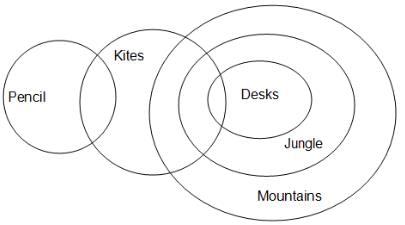
Directions: In the question below, four statements are followed by conclusions numbered I, II, III and IV. You have to take the given statements to be true, even if they seem to be at variance from commonly known facts. Read all the conclusions and then decide which of the given conclusions logically follow(s) from the given statements, disregarding commonly known facts.
Statements:
Some pencils are kites.
Some kites are desks.
All desks are jungles.
All jungles are mountains.
Conclusions:
I. Some mountains are pencils.
II. Some jungles are pencils.
III. Some mountains are desks.
IV. Some jungles are kites.
Some pencils are kites.
Some kites are desks.
All desks are jungles.
All jungles are mountains.
Conclusions:
I. Some mountains are pencils.
II. Some jungles are pencils.
III. Some mountains are desks.
IV. Some jungles are kites.
Detailed Solution: Question 3
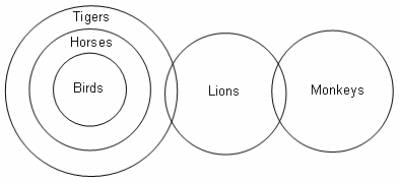
Directions: In the question below, four statements are followed by four conclusions numbered I, II, III and IV. You have to take the given statements to be true even if they seem to be at variance with commonly known facts. Read all the conclusions and then decide which of the given conclusions logically follow(s) from the given statements, disregarding commonly known facts.
Statements:
All birds are horses.
All horses are tigers.
Some tigers are lions.
Some lions are monkeys.
Conclusions:
I. Some tigers are horses.
II. Some monkeys are birds.
III. Some tigers are birds.
IV. Some monkeys are horses.
All birds are horses.
All horses are tigers.
Some tigers are lions.
Some lions are monkeys.
Conclusions:
I. Some tigers are horses.
II. Some monkeys are birds.
III. Some tigers are birds.
IV. Some monkeys are horses.
Detailed Solution: Question 4
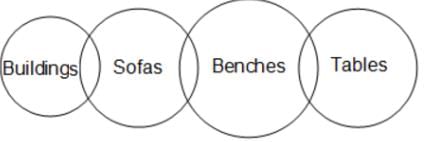
Direction: In the question below, three statements are given followed by two conclusions numbered I and II. You have to take the given statements to be true even if they seem to be at variance from commonly known facts. Read all the statements and then decide which of the two conclusions logically follow(s) from the given statements, disregarding commonly known facts.
Statements:
Some buildings are sofas.
Some sofas are benches.
Some benches are tables.
Conclusions:
I. Some tables are sofas.
II. No table is a sofa.
Some buildings are sofas.
Some sofas are benches.
Some benches are tables.
Conclusions:
I. Some tables are sofas.
II. No table is a sofa.
Detailed Solution: Question 5
 Or
Or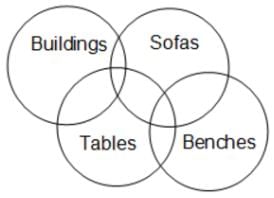
Directions: In the item, four statements are given below followed by three conclusions numbered I, II and Ill. You have to take the given statements to be true even if they seem to be at variance from commonly known facts. Read all the conclusions and then decide which of the given conclusions logically follow(s) from the given statements disregarding the commonly known facts.
Statements:
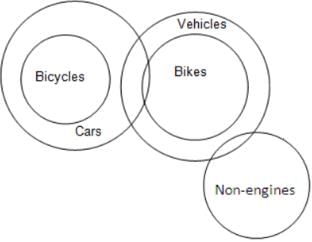
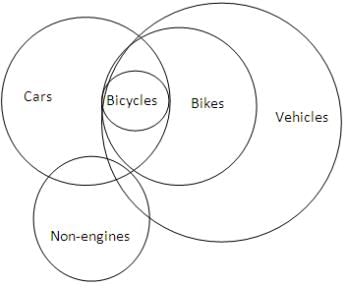
All bicycles are cars.
Some cars are bikes.
All bikes are vehicles.
Some vehicles are non-engines.
Conclusions:
I. Some bicycles are bikes.
II. Some cars being vehicles and non-engines is a possibility.
III. All bicycles are bikes is a possibility.
All bicycles are cars.
Some cars are bikes.
All bikes are vehicles.
Some vehicles are non-engines.
Conclusions:
I. Some bicycles are bikes.
II. Some cars being vehicles and non-engines is a possibility.
III. All bicycles are bikes is a possibility.
Detailed Solution: Question 6
Directions: In the question below, two statements are given followed by three conclusions numbered I, II and III. You have to take the given statements to be true, even if they seem to be at variance with commonly known facts. Read all the conclusions and then decide which of the given conclusions logically follow(s) from the given statements, disregarding commonly known facts.
Statements:
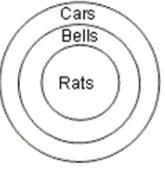
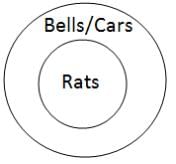
All rats are bells.
All bells are cars.
Conclusions:
I. All bells are rats.
II. Some cars are neither bells nor rats.
III. No cars are rats.
All rats are bells.
All bells are cars.
Conclusions:
I. All bells are rats.
II. Some cars are neither bells nor rats.
III. No cars are rats.
Detailed Solution: Question 7
Directions: In the question below are given three statements followed by conclusions numbered I, II and III. You have to take the given statements to be true even if they seem to be at variance with the commonly known facts. Read all the statements and then decide which of the given conclusions logically follow(s) from the given statements, disregarding the commonly known facts.
Statements:
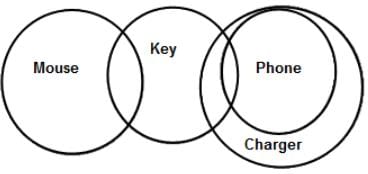
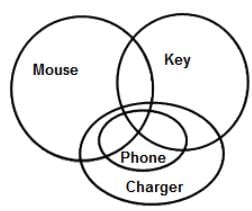
Some mouse are keys.
Some keys are phones.
All phones are chargers.
Conclusions:
I. Some phones are mouse.
II. Some chargers are keys.
III. No mouse is phone.
Some mouse are keys.
Some keys are phones.
All phones are chargers.
Conclusions:
I. Some phones are mouse.
II. Some chargers are keys.
III. No mouse is phone.
Detailed Solution: Question 8
Directions: In the question below are given three statements followed by three conclusions numbered I, II and III. You have to take the given statements to be true even if they seem to be at variance with commonly known facts. Read all the statements and then decide which of the given conclusions logically follow(s) from the given statements, disregarding commonly known facts.
Statements:
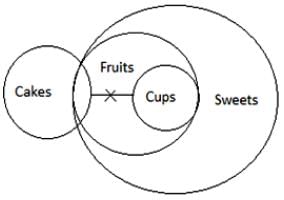
No cup is cake.
Some cakes are fruits.
All fruits are sweets.
Conclusions:
I. Some cakes are sweets.
II. Some cups are not fruits.
III. Some sweets are fruits.
No cup is cake.
Some cakes are fruits.
All fruits are sweets.
Conclusions:
I. Some cakes are sweets.
II. Some cups are not fruits.
III. Some sweets are fruits.
Detailed Solution: Question 9
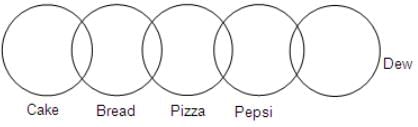
Directions: Read the statements carefully and decide which of the given conclusions logically follow(s) from the given statements.
Statements:
Some cakes are breads
Some breads are pizza.
Some pizzas are pepsi.
Some pepsi are dew.
Conclusions:
(I) Some dew are pepsi.
(II) Some pizzas are dew.
Some cakes are breads
Some breads are pizza.
Some pizzas are pepsi.
Some pepsi are dew.
Conclusions:
(I) Some dew are pepsi.
(II) Some pizzas are dew.
Detailed Solution: Question 10
5 docs|246 tests |
