CBSE Class 4  >  Class 4 Test  >  Science  >  Test: Adaptation in Animals- 1 - Class 4 MCQ

Adaptation in Animals- 1 - Free MCQ Practice Test with solutions,


MCQ Practice Test & Solutions: Test: Adaptation in Animals- 1 (10 Questions)

You can prepare effectively for Class 4 Science for Class 4 with this dedicated MCQ Practice Test (available with solutions) on the important topic of "Test: Adaptation in Animals- 1". These 10 questions have been designed by the experts with the latest curriculum of Class 4 2026, to help you master the concept.

Test Highlights:

  • - Format: Multiple Choice Questions (MCQ)
  • - Duration: 15 minutes
  • - Number of Questions: 10

Sign up on EduRev for free to attempt this test and track your preparation progress.

Test: Adaptation in Animals- 1 - Question 1

Which of the following animals has hind limbs longer than the forelimbs?

Detailed Solution: Question 1
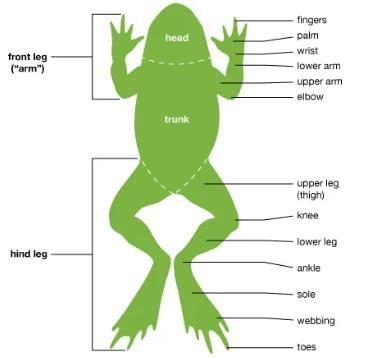
A frog has longer hind limbs than the fore limbs.

Test: Adaptation in Animals- 1 - Question 2

Birds, some insects, and bats are examples of _____ animals.

Detailed Solution: Question 2
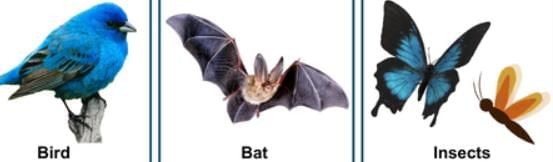
Aerial animals are those that can fly, like birds, some insects, and bats. They have special features like wings and feathers that help them fly in the sky.

Test: Adaptation in Animals- 1 - Question 3

What is an adaptation?

Detailed Solution: Question 3

  • An adaptation is like when an animal changes something about itself, like how it looks or acts, to help it live better in its home.
  • For example, polar bears have thick fur to stay warm in cold places.
  • So, when animals make these changes to stay safe and healthy in their habitats, we call it an adaptation.

Test: Adaptation in Animals- 1 - Question 4

Animals live in places that provide food, water, and __________, which is called their habitat.

Detailed Solution: Question 4
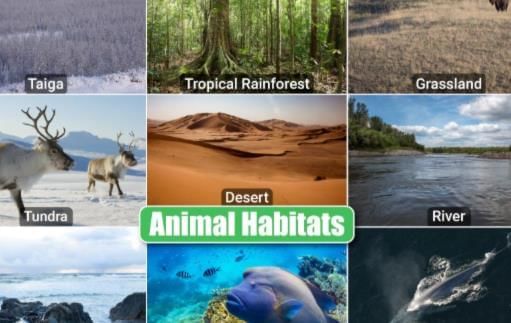
Animals live in places that provide food, water, and shelter which is called their habitat. Shelter is a place where animals stay safe and protected from weather and other dangers.

Test: Adaptation in Animals- 1 - Question 5

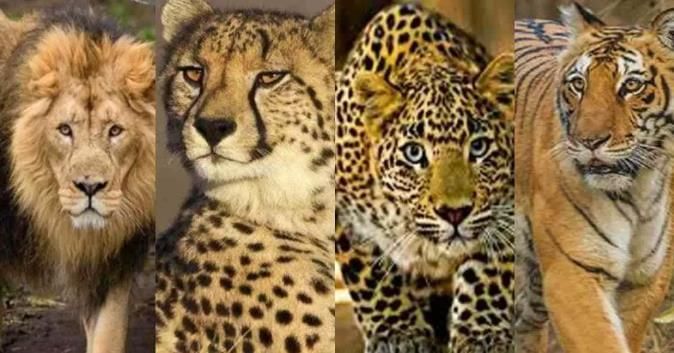
Tigers and leopards have stripes on their bodies. How does this adaptation help them?
Detailed Solution: Question 5

Correct answer: C. In mixing with the surroundings(providing camouflage)

  • Camouflage: 
    The stripes break up their body outline against the dappled light and shadows in their habitat, making it difficult for predators or prey to spot them. 
  • Predator advantage:
    Tigers and leopards use their stripes to sneak up on prey by blending in with the vegetation. 
  • Protection from predators: 
    The stripes also help them hide from potential threats by making it harder to identify their shape and movement. 

Test: Adaptation in Animals- 1 - Question 6

Which of the following birds can survive in cold winter in Polar Regions?

Detailed Solution: Question 6

The penguin can survive in Polar Regions due to the presence of fat and a large body.

Test: Adaptation in Animals- 1 - Question 7

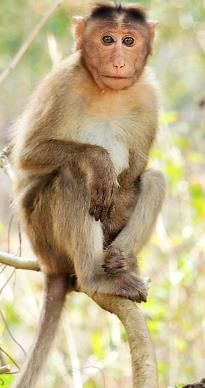
Which of the following body parts maintain balance in a monkey?
Detailed Solution: Question 7

The tail of a monkey helps it in maintaining the balance of body.

Test: Adaptation in Animals- 1 - Question 8

State whether the following statement is True or False

Scales on the skin of animals like lizards, chameleons, and snakes protect them from drying.

Detailed Solution: Question 8

Yes, it's true! Animals like lizards, chameleons, and snakes have scaly bodies. These scales on their skin help to keep them from getting dry. Just like how our skin protects us, their scales are like special shields that keep them safe and healthy.

Test: Adaptation in Animals- 1 - Question 9

Which of the following adaptations protects a stick insect from its enemies?

Detailed Solution: Question 9

A stick insect blends with its surroundings to protect itself from its enemies which is called Camouflage.

Test: Adaptation in Animals- 1 - Question 10

Animals like seals and whales living in very cold regions have _____ on their bodies to protect them from extreme cold.

Detailed Solution: Question 10

Blubber is a thick layer of fat found in animals like whales, seals, and polar marine mammals. It provides insulation, stores energy, and helps maintain body temperature in extremely cold regions.

Note (concept clarity):

  • Fur → common in land animals (polar bear, arctic fox)
  • Blubber → common in marine animals (seal, whale)


48 videos|193 docs|34 tests
Information about Test: Adaptation in Animals- 1 Page
In this test you can find the Exam questions for Test: Adaptation in Animals- 1 solved & explained in the simplest way possible. Besides giving Questions and answers for Test: Adaptation in Animals- 1, EduRev gives you an ample number of Online tests for practice
48 videos|193 docs|34 tests
Download as PDF