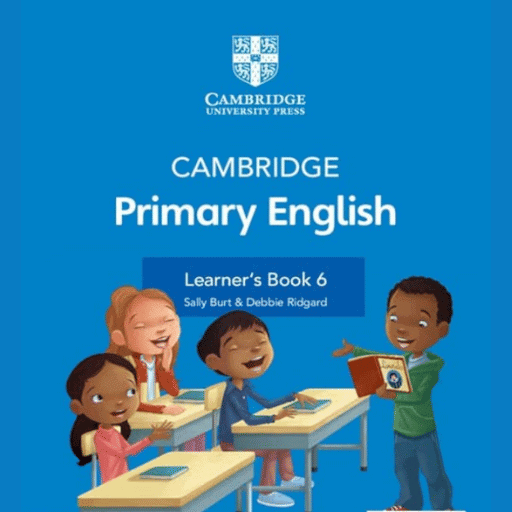
 | PARTNER COURSE Cambridge Primary English Year 6 Worksheets, Notes & TestsKeystone Instructors · Last updated on Apr 10, 2026 |
Cambridge Primary English Year 6 Worksheets, Study Material


Trending Courses for Class 6

Overview of Year 6 English IGCSE Cambridge Course
The Year 6 English IGCSE Cambridge course represents a crucial foundation for young learners transitioning from primary to secondary education. This Cambridge Year 6 English syllabus is specifically designed to develop comprehensive English language and literature skills through eight engaging, thematic chapters that cover diverse text types and literary concepts.
The Year 6 English IGCSE program focuses on building strong reading comprehension, analytical thinking, and creative expression abilities. Whether you're a student preparing for this examination or a parent seeking to understand your child's curriculum, this Cambridge IGCSE English course guide will help you navigate the key concepts and resources available.
What makes this IGCSE English Year 6 course particularly valuable is its balanced approach to both literature and language skills. Students encounter fiction, non-fiction, poetry, and media texts, ensuring a well-rounded understanding of English as both an art form and a practical communication tool.
Understanding Different Voices: Different Times in Cambridge IGCSE English
The "Different Voices: Different Times" chapter forms the cornerstone of the Cambridge IGCSE English course by exploring texts from various historical periods and perspectives. This chapter teaches students how authors from different eras express themselves uniquely, reflecting the values and concerns of their times.
Students learn to analyze how language evolves across centuries and how understanding historical context enhances textual comprehension. The Different Voices Different Times IGCSE chapter encourages critical thinking about perspective and interpretation—skills that extend far beyond the exam hall.
To deepen your understanding of this foundational chapter, explore the detailed materials available through Different Voices: Different Times learning resources.
Personification and Imagery: Key Literary Devices for Year 6 Students
Literary devices form the backbone of English literature analysis, and mastering personification and imagery is essential for Year 6 students. These literary techniques for students are not merely abstract concepts—they're tools that writers use to create vivid, memorable experiences for readers.
Understanding Personification Examples Year 6
Personification involves giving human qualities to non-human objects or abstract ideas. In Year 6 English, students encounter examples like "the wind whispered through the trees" or "the city awakened." These personification examples Year 6 students analyze help them understand how authors make writing more engaging and emotionally resonant.
Mastering Imagery in Poetry and Prose
Imagery refers to descriptive language that appeals to the senses. Whether discussing the "silver moonlight" or "the bitter taste of defeat," imagery in poetry creates mental pictures that transport readers into the text. This literary device appears across all text types in the Cambridge Year 6 English syllabus.
For comprehensive study of these crucial literary devices, visit the Personification and Imagery detailed chapter guide on EduRev.
Poetry at Play: Developing Poetic Analysis Skills
Poetry holds a special place in the Year 6 English IGCSE curriculum. The "Poetry at Play" chapter develops poetic analysis skills by encouraging students to engage actively with verses, rhythms, and emotions embedded in poetic texts.
Building Poetic Analysis Skills
Students learn to identify poetic devices such as rhyme, meter, alliteration, and metaphor. More importantly, they develop the ability to explain how these techniques create meaning and emotional impact. Poetic analysis skills go beyond recognizing patterns—they involve understanding why poets make specific choices.
- Analyze rhyme schemes and their effects on reader experience
- Understand meter and how rhythm influences meaning
- Interpret metaphorical language and symbolism
- Connect personal responses to textual evidence
To explore how to analyze poetry Year 6 style, check out the Poetry at Play comprehensive resources available on EduRev.
Best Study Materials for Cambridge Year 6 English IGCSE Free Download
Securing the right Year 6 English IGCSE free resources is crucial for effective preparation. Students need access to Cambridge Year 6 English PDF download materials, worksheets, and practice exercises that reinforce classroom learning.
Types of Materials Available
| Resource Type | Purpose | Usage |
|---|---|---|
| Chapter Notes | Comprehensive summaries and explanations | Quick revision and understanding core concepts |
| Practice Worksheets | Hands-on exercises for skill development | Regular practice and self-assessment |
| Sample Questions | Exam-style questions for preparation | Familiarization with question formats |
| Study Guides | Detailed chapter-wise guidance | Structured learning and revision |
EduRev offers comprehensive Year 6 English study materials that include textbook summaries, practice questions, and detailed explanations. The best Year 6 English study materials combine theory with practical application, helping students move from understanding concepts to applying them confidently.
How to Master Literary Techniques in Year 6 English
Mastering literary techniques requires systematic practice and deep engagement with texts. How to master literary techniques in Year 6 English involves moving beyond simple identification to understanding purpose and effect.
A Progressive Learning Approach
Start by recognizing individual techniques, then progress to analyzing their combined effects. For instance, when studying a poem, students should identify personification, imagery, and metaphor separately before understanding how these devices work together to create the poet's overall message.
Practical strategies include:
- Creating technique identification charts for various texts
- Writing analytical paragraphs explaining device effects
- Comparing how different authors use similar techniques
- Reading extensively across multiple genres
The People in the News chapter teaches techniques for analyzing real-world texts, while the Back to the Future chapter explores narrative techniques across different time settings.
Chapter-wise Guide to Cambridge IGCSE Year 6 English Syllabus
Understanding the complete Year 6 English IGCSE Cambridge syllabus structure helps students approach their studies systematically. Each chapter builds specific skills while contributing to overall language development.
Complete Syllabus Overview
| Chapter Name | Key Focus Areas | Skills Developed |
|---|---|---|
| Different Voices: Different Times | Historical perspectives and textual analysis | Critical thinking, historical awareness |
| People in the News | Non-fiction writing and media literacy | Analytical reading, information evaluation |
| Personification and Imagery | Literary devices and descriptive language | Language analysis, creative appreciation |
| Back to the Future | Narrative techniques and time in storytelling | Narrative analysis, temporal understanding |
| Poetry at Play | Poetic devices and interpretation | Poetic analysis, emotional engagement |
| A different Medium | Cross-media text analysis | Media literacy, format adaptation |
| Make it Happen | Instructional and persuasive writing | Persuasive communication, clarity |
| A Moment in Time | Descriptive writing and observation | Descriptive skills, moment capture |
Explore A different Medium resources to understand how texts function across various formats, and access Make it Happen materials for persuasive writing techniques.
Writing and Reading Skills Development for Young IGCSE Learners
The Year 6 English IGCSE program emphasizes balanced development of both reading comprehension and writing abilities. These complementary skills are essential for success in both the examination and real-world communication.
Reading Comprehension Development
Effective reading comprehension goes beyond understanding individual words. It involves extracting main ideas, recognizing author's purpose, understanding tone, and making inferences. Young IGCSE learners develop these abilities by engaging with diverse texts and answering analytical questions.
Writing Skills Across Genres
Cambridge Year 6 English writing skills span creative fiction, analytical essays, persuasive pieces, and descriptive passages. Students learn that different purposes and audiences require different writing approaches. The A Moment in Time chapter particularly focuses on developing descriptive writing abilities through capturing specific scenes and experiences vividly.
Free Resources and Practice Materials for Year 6 English IGCSE
Accessing Cambridge English practice materials PDF and free IGCSE English Year 6 notes shouldn't be challenging. Students preparing for this examination need reliable resources that provide accurate information and authentic practice opportunities.
Where to Find Quality Resources
EduRev offers comprehensive Year 6 English worksheets free of charge, alongside detailed chapter notes and practice exercises. These Year 6 English revision materials are structured to support progressive learning from foundational concepts to advanced analysis.
When selecting study materials, ensure they:
- Align with the Cambridge IGCSE English syllabus
- Include diverse text examples and types
- Provide detailed explanations, not just answers
- Offer progressive difficulty levels
- Include practice questions with sample responses
Essential Tips for Excelling in Cambridge Year 6 English Course
Success in the Year 6 English IGCSE Cambridge course requires more than passive reading. Students need active engagement strategies and consistent practice habits to truly excel.
Study Strategy Development
Effective IGCSE English learning strategies include regular reading from diverse sources, maintaining vocabulary journals, analyzing texts with specific devices in mind, and practicing timed writing exercises. The key is building these habits gradually rather than cramming before examinations.
Active Text Engagement
Rather than simply reading texts, students should annotate them—marking literary devices, writing margin notes about author's choices, and questioning the impact of specific word selections. This active approach transforms passive reading into analytical practice.
Practical Preparation Tips
- Read one chapter resource weekly to maintain consistency
- Practice analyzing one poem or passage daily
- Write regular responses to develop writing fluency
- Discuss texts with peers to gain alternative perspectives
- Keep detailed notes on literary techniques you discover
- Review vocabulary in context rather than in isolation
The Cambridge IGCSE English course ultimately aims to develop thoughtful, articulate communicators. By engaging genuinely with the material and practicing consistently, Year 6 students build skills that serve them throughout their educational journey and beyond. Access comprehensive chapter guides today through EduRev to begin your systematic preparation for this important course.
Year 6 English IGCSE (Cambridge) for Class 6 CBSE Exam Pattern 2026-2027
Year 6 Primary English (Cambridge) Exam Pattern for Year 6
The Year 6 Primary English exam conducted by Cambridge is designed to assess students' proficiency in key areas of the English language. Understanding the exam pattern is crucial for effective preparation. Below are the key components of the exam pattern:
1. Exam Structure
- Duration: The exam typically lasts for around 60 minutes.
- Format: The exam includes multiple-choice questions, short answers, and extended writing tasks.
2. Content Areas
- Reading Comprehension: Students will read passages and answer questions to demonstrate understanding.
- Grammar and Vocabulary: Questions will test knowledge of grammar rules and vocabulary usage.
- Writing Skills: Students will be required to produce a piece of writing, such as a narrative or description.
3. Assessment Criteria
- Content: The relevance and clarity of ideas presented in writing.
- Organization: The logical flow and structure of the written work.
- Language Use: The correct use of grammar, punctuation, and spelling.
4. Preparation Tips
- Practice Regularly: Engage in daily reading and writing exercises to build confidence.
- Familiarize with Exam Format: Review past papers to understand the types of questions asked.
- Seek Feedback: Have teachers or peers review your writing for constructive feedback.
By understanding the exam pattern and focusing on the key areas outlined above, Year 6 students can enhance their preparation for the Cambridge Primary English exam.


Year 6 English IGCSE (Cambridge) Syllabus 2026-2027 PDF Download
Year 6 English Syllabus Overview
The Year 6 English curriculum focuses on a diverse range of themes and literary concepts that enhance students' understanding and appreciation of language. Below is a detailed syllabus designed to engage students through immersive learning experiences.
Year 6: Different Voices - Different Times
- Explore various perspectives through literature.
- Analyze the language used by different characters from diverse backgrounds.
- Discuss how time periods influence voice and expression.
Year 6: People in the News
- Study significant figures in current events.
- Understand the impact of media and journalism on public perception.
- Create presentations on chosen individuals and their contributions.
Year 6: Personification and Imagery
- Learn about figurative language and its effects on writing.
- Practice using personification and imagery in creative pieces.
- Explore how these devices evoke emotions and paint vivid pictures.
Year 6: Back to the Future
- Engage in creative writing by imagining future scenarios.
- Discuss the implications of technology and innovation on society.
- Develop stories that weave past, present, and future experiences.
Year 6: Poetry at Play
- Experiment with different forms of poetry, such as haikus and free verse.
- Encourage self-expression through rhythmic and lyrical writing.
- Analyze famous poems to identify themes and stylistic choices.
Year 6: A Different Medium
- Explore storytelling through various media, including digital formats.
- Learn about the use of visuals, sounds, and text in communication.
- Create projects that incorporate multiple forms of expression.
Year 6: Make it Happen
- Focus on persuasive writing and speaking skills.
- Develop campaigns or initiatives to advocate for causes.
- Engage in debates and discussions to refine argumentation skills.
Year 6: A Moment in Time
- Encourage reflective writing by focusing on personal experiences.
- Explore historical events and their significance through narrative.
- Create timelines that connect personal moments to larger historical contexts.
This Year 6 English syllabus provides a comprehensive framework for developing essential literacy skills in young learners. Each unit is designed to foster creativity, critical thinking, and a deeper appreciation for diverse voices and mediums.
This course is helpful for the following exams: Class 6
How to Prepare Year 6 English IGCSE (Cambridge) for Class 6?
How to Prepare Year 6 Primary English (Cambridge) for Year 6?
Preparing for Year 6 Primary English (Cambridge) can be an exciting journey for both students and parents. It is essential to approach this phase strategically to ensure that students are well-equipped for their assessments and future academic endeavors. Here are some effective strategies to prepare for Year 6 Primary English (Cambridge):
1. Understand the Curriculum
To prepare effectively for Year 6 Primary English (Cambridge), it is crucial to have a solid understanding of the curriculum. Familiarize yourself with the key components, such as reading comprehension, writing skills, and grammar. This knowledge will guide your preparation efforts.
2. Develop a Reading Habit
Encouraging a consistent reading habit is vital. Expose students to a variety of texts, including fiction, non-fiction, and poetry. This will not only enhance their vocabulary but also improve their comprehension skills, which are essential for Year 6 Primary English (Cambridge).
3. Practice Writing Regularly
Writing is a critical component of Year 6 Primary English (Cambridge). Encourage students to keep a journal or engage in creative writing exercises. Regular practice helps them articulate their thoughts clearly and improves their overall writing skills.
4. Focus on Grammar and Vocabulary
A strong grasp of grammar and vocabulary is essential for success in Year 6 Primary English (Cambridge). Utilize workbooks, online resources, and educational games to reinforce these concepts. Daily vocabulary exercises can also be beneficial.
5. Take Practice Tests
One of the best ways to prepare for Year 6 Primary English (Cambridge) is to take practice tests. These tests help students familiarize themselves with the exam format and time constraints. Review the answers together to identify areas for improvement.
6. Encourage Group Study
Studying with peers can enhance understanding and retention of material. Organize group study sessions where students can discuss topics covered in Year 6 Primary English (Cambridge) and help each other with difficult concepts.
7. Seek Additional Support
If necessary, consider seeking additional support through tutoring or online resources focused on Year 6 Primary English (Cambridge). This can provide personalized guidance to strengthen any weak areas.
8. Stay Positive and Motivated
Finally, maintaining a positive attitude towards learning is crucial. Encourage students to set achievable goals and celebrate their progress. A motivated learner is more likely to excel in Year 6 Primary English (Cambridge).
In conclusion, preparing for Year 6 Primary English (Cambridge) requires a well-rounded approach that includes understanding the curriculum, developing skills through practice, and maintaining a positive learning environment. By following these strategies, students will be well-prepared to tackle the challenges of Year 6.
Importance of Year 6 English IGCSE (Cambridge) for Class 6
Importance of Year 6 Primary English (Cambridge) Course for Year 6
The Year 6 Primary English (Cambridge) Course offered by EduRev plays a pivotal role in shaping students' literacy skills and preparing them for the academic challenges ahead. This course is specifically designed to cater to the needs of Year 6 students, ensuring they gain a strong foundation in English language and comprehension.
1. Building Strong Language Skills
The course emphasizes the development of essential language skills, including:
- Reading Comprehension: Enhances the ability to interpret and analyze texts effectively.
- Writing Proficiency: Focuses on structuring essays, narratives, and reports clearly and coherently.
- Vocabulary Expansion: Introduces a wide range of vocabulary to improve communication skills.
2. Preparation for Future Academic Success
Completing the Year 6 Primary English course equips students with the necessary skills to:
- Transition Smoothly: Prepare for secondary education where English plays a crucial role.
- Excel in Examinations: Familiarizes students with Cambridge assessment standards and expectations.
3. Encouraging Critical Thinking
This course fosters critical thinking by:
- Engaging Discussions: Encouraging students to express opinions and justify their thoughts.
- Analyzing Texts: Developing skills to identify themes, main ideas, and author intentions.
4. Enhancing Creative Expression
The Year 6 Primary English course nurtures creativity through:
- Creative Writing: Encourages imaginative storytelling and personal expression.
- Literary Appreciation: Exposure to various genres and styles of writing that inspire creativity.
5. Fostering a Love for Reading and Learning
By integrating enjoyable reading materials, the course:
- Inspires Lifelong Readers: Instills a passion for books and literature.
- Encourages Continuous Learning: Promotes inquiry and curiosity about the world.
Conclusion
In conclusion, the Year 6 Primary English (Cambridge) Course by EduRev is invaluable for Year 6 students. It not only strengthens their English language skills but also prepares them for future academic endeavors, fosters critical thinking, enhances creativity, and cultivates a lasting love for learning. Enrolling in this course is a significant step towards achieving academic excellence.
Year 6 English IGCSE (Cambridge) for Class 6 FAQs
| 1. What are the main differences between fiction and non-fiction texts in Year 6 English? |  |
| 2. How do I write a character sketch for a story character in Class 6 English? | |
| 3. What is the format for comprehension passage questions in IGCSE Year 6 English? | |
| 4. How do I improve my vocabulary and word meanings for Year 6 English exams? | |
| 5. What grammar topics do Year 6 IGCSE English students need to master? | |
| 6. How should I approach essay writing for Year 6 English assignments? | |
| 7. What are common reading comprehension strategies for Year 6 passage analysis? | |
| 8. How do I understand and answer inference questions in English comprehension tests? | |
| 9. What punctuation rules should Year 6 students know for written expression? | |
| 10. How do I revise and prepare effectively for Year 6 English IGCSE exams? | |
Best Year 6 English IGCSE (Cambridge) for Class 6 NCERT Solutions and Study Materials
 | View your Course Analysis |  |
 | Create your own Test | |



 Buy Now
 Documents
 Top teachers of India
 | Explore Courses for Class 6 exam |  |


