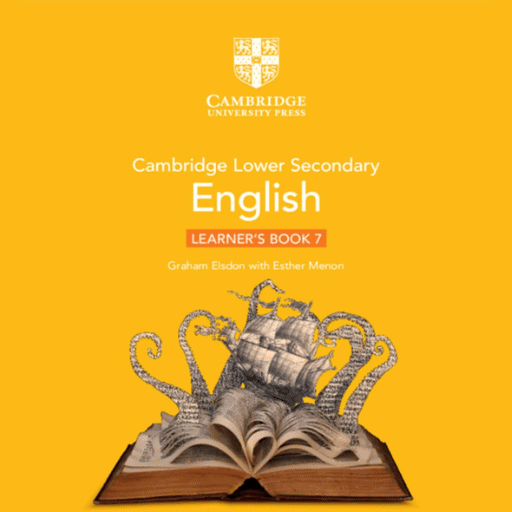
 | PARTNER COURSE Cambridge English Year 7 Worksheets, Notes & TestsKeystone Instructors · Last updated on Apr 10, 2026 |
Cambridge English Year 7 Worksheets, Notes Study Material

Trending Courses for Class 7

What is Year 7 English IGCSE Cambridge Course?
Year 7 English IGCSE Cambridge is an internationally recognized foundational English course designed for students aged 11-12 years. It's part of the Cambridge Assessment International Education curriculum, which is followed by over 10,000 schools across 160+ countries worldwide. In India, many premier schools have adopted this Cambridge Year 7 English course as part of their English language development program.
The IGCSE Year 7 English course focuses on building strong linguistic foundations that prepare students for advanced studies. Unlike traditional Indian board examinations, Cambridge IGCSE English Year 7 emphasizes a balanced development of reading, writing, speaking, and listening skills. This curriculum helps students develop critical thinking abilities alongside language proficiency, making it an excellent choice for Indian families seeking global educational standards.
Core Components of the Course
The Class 7 English IGCSE curriculum is structured around four essential language skills that every student must master:
- Reading Comprehension: Students analyze diverse literary texts, ranging from contemporary narratives to classic adventure stories, developing analytical thinking skills
- Writing Skills: From descriptive essays to analytical pieces, students learn to express themselves clearly and creatively
- Speaking and Presentation: Regular class discussions and presentations build confidence in oral communication
- Listening and Understanding: Active listening skills are developed through various classroom activities and multimedia resources
The Cambridge Year 7 English curriculum integrates literature study with practical language skills, ensuring students don't just memorize grammatical rules but actually apply them in meaningful communication contexts.
Best Study Resources for Year 7 English IGCSE
Finding the right Year 7 English IGCSE study materials is crucial for your success. The best resources combine official Cambridge content with supplementary materials that clarify concepts. EduRev offers comprehensive Year 7 English IGCSE resources that align perfectly with the Cambridge curriculum.
Types of Essential Resources
| Resource Type | Purpose | Best For |
|---|---|---|
| Chapter Notes and Summaries | Quick revision and concept clarity | Daily study and quick reviews |
| Practice Exercises | Application of learned concepts | Building confidence and identifying weak areas |
| Reading Comprehension Materials | Improving analytical skills | Competitive reading and interpretation |
| Writing Templates and Guides | Structured approach to essays and compositions | Developing consistent writing quality |
When selecting Year 7 English IGCSE notes, ensure they cover all nine chapters thoroughly. The best online resources provide interactive content alongside static PDFs, catering to different learning styles.
Free PDF Notes and Study Materials for Cambridge IGCSE Year 7 English
Access to quality Year 7 English IGCSE notes PDF is essential for effective preparation. Many students search for "Cambridge IGCSE Year 7 English notes free download" to build their resource library without additional expenses. EduRev provides downloadable study material PDF that covers the complete Year 7 English IGCSE syllabus comprehensively.
What to Look For in Study Materials
Effective Year 7 English IGCSE study material PDF should include:
- Chapter-wise summaries aligned with Cambridge curriculum standards
- Key vocabulary lists with contextual usage examples
- Grammar rules explained with practical examples
- Sample answers for writing exercises
- Reading comprehension passages with detailed explanations
The Year 7 English IGCSE guide PDF should serve as your quick reference during revision periods. Many students find that having both a comprehensive textbook and condensed notes works best for retention and quick recollection during exams.
How to Study Adventure and Life Stories Chapters Effectively
Two of the most engaging chapters in the Cambridge Year 7 English course are Adventure and Life Stories. These chapters develop your ability to understand character motivation, narrative techniques, and thematic elements in literature.
Mastering the Adventure Chapter
The Adventure chapter Year 7 English introduces students to exciting narratives that explore human courage and exploration. To study this effectively:
- Identify the protagonist's journey and internal transformation
- Analyze how authors create tension and excitement through descriptive language
- Note the challenges faced and how they drive the narrative forward
- Practice writing your own adventure narratives using similar techniques
Understanding the Life Stories chapter helps you appreciate how authors convey biographical information compellingly. This chapter develops your ability to extract key information from narratives while appreciating the emotional depth of personal accounts.
Reading Comprehension Skills for Year 7 English IGCSE
Reading comprehension is fundamental to success in Year 7 English IGCSE. Strong comprehension skills aren't just about understanding words; they involve analyzing context, inferring meaning, and evaluating author's intent.
Developing Effective Reading Strategies
Year 7 English IGCSE reading comprehension requires a multi-layered approach:
- Pre-Reading: Scan the text structure, headings, and opening lines to predict content
- Active Reading: Highlight key ideas, make marginal notes, and question the text
- Post-Reading: Summarize main points and reflect on how different elements work together
- Critical Analysis: Evaluate author's techniques and their effectiveness
To improve your Year 7 IGCSE English vocabulary and comprehension simultaneously, maintain a vocabulary journal while reading. Record unfamiliar words with their meanings and usage examples. This practice strengthens both passive understanding and active use of new terms.
Writing Skills Development in Cambridge Year 7 English
Writing skills are equally important as reading comprehension in Year 7 English IGCSE. The Cambridge curriculum emphasizes that good writing combines clarity, creativity, and grammatical accuracy.
Key Writing Competencies
Cambridge Year 7 English grammar instruction focuses on practical application rather than isolated rules. You'll develop skills in:
- Crafting clear, well-organized paragraphs with topic sentences and supporting details
- Using varied sentence structures to maintain reader interest
- Employing literary devices like metaphor, simile, and personification effectively
- Maintaining appropriate tone and register for different writing purposes
- Editing and proofreading for clarity and correctness
Regular writing practice is essential. Attempt different writing styles-narrative essays, descriptive passages, analytical pieces-to develop versatility. The best online resources for Year 7 English IGCSE include writing templates and sample essays that demonstrate excellent technique.
Year 7 English IGCSE Chapter Summaries and Notes
Having access to comprehensive chapter summaries ensures you understand every topic in the Year 7 English IGCSE curriculum. EduRev provides detailed Year 7 English IGCSE chapter summaries covering all nine chapters of the Cambridge course.
The Nine Essential Chapters
Understanding each chapter's themes and literary elements is crucial:
| Chapter | Focus Areas | Key Skills |
|---|---|---|
| Hey, You Down There | Dialogue and character voice | Understanding characterization through speech |
| Film and Fame | Media literacy and cultural analysis | Critical evaluation of entertainment media |
| Small but Perfect | Descriptive writing and observation | Creating vivid imagery through language |
Study each chapter's notes systematically. Don't rush through chapters; take time to absorb key concepts before moving forward. The Unusual Education chapter explores alternative learning approaches, while The Travel Agency develops your understanding of descriptive and persuasive writing.
Best Books and Textbooks for Cambridge IGCSE English Year 7
Supplementing your study with the best Year 7 English IGCSE books enhances your learning experience. The top Year 7 English IGCSE books 2026 combine engaging content with rigorous Cambridge curriculum alignment.
Recommended Reading Materials
Essential textbooks for Year 7 English IGCSE include:
- Cambridge International English Language textbooks specifically designed for Year 7
- Literature anthologies featuring diverse authors and genres
- Workbooks with integrated practice exercises and answers
- Grammar and vocabulary reference guides for quick consultation
Beyond prescribed textbooks, reading widely helps develop your English language skills naturally. Classic and contemporary literature both provide excellent models for writing style and language use. Your school library or EduRev's curated resources can guide your supplementary reading selections.
Practice Exercises for Year 7 English IGCSE Students
Consistent practice through Year 7 English IGCSE exercises is non-negotiable for building confidence and competence. Year 7 English IGCSE worksheets should cover reading, writing, grammar, and vocabulary comprehensively.
Types of Practice to Incorporate
Your preparation strategy should include:
- Reading comprehension exercises: Gradually increase text difficulty and complexity
- Writing practice: Timed essays to simulate examination conditions
- Vocabulary exercises: Context-based word meaning and usage practice
- Grammar activities: Sentence correction, completion, and transformation exercises
- Literature questions: Analysis of themes, character, and literary devices
Cambridge Year 7 English practice questions on EduRev are designed by educators familiar with the curriculum standards. Regular engagement with Year 7 English IGCSE sample papers builds familiarity with question types and expected response formats.
Important Topics in Film and Fame and In The City Chapters
The Film and Fame IGCSE notes section develops your media literacy and critical evaluation skills. This chapter examines celebrity culture and entertainment industry from linguistic and cultural perspectives.
The In The City chapter notes explores urban environments through descriptive and analytical writing. Students learn how authors use setting to create mood and atmosphere, and how cities themselves become characters in narratives.
Additionally, the Dangers of the Sea Year 7 English chapter combines adventure narrative with factual information, developing your ability to work with different text types and purposes simultaneously.
Online Resources and Free Study Guides for Year 7 IGCSE English
Digital learning has transformed how students access quality educational content. Best online resources Year 7 English IGCSE provide flexibility and personalized learning experiences. EduRev offers comprehensive free study guides that complement classroom instruction.
Leveraging Online Learning Platforms
Effective online preparation includes:
- Accessing chapter-specific lessons with video explanations where available
- Using interactive quizzes for self-assessment and progress tracking
- Engaging with discussion forums to clarify doubts with peers and educators
- Downloading printable resources for offline study during travels or study groups
The advantage of best Year 7 English IGCSE study guides online is their accessibility. You can revisit difficult concepts multiple times, study at your own pace, and combine multiple resource types for comprehensive understanding. Whether preparing for regular assessments or focused revision, online platforms provide structured, reliable support.
Tips for Improving English Language Skills in Year 7 IGCSE
Improving your Year 7 English IGCSE preparation requires a holistic approach beyond classroom study. Language skills develop through consistent, varied practice across multiple contexts.
Daily Habits for Language Development
To accelerate your English language improvement:
- Read extensively: Mix fiction, non-fiction, and news articles daily
- Write regularly: Maintain a journal, attempt creative pieces, and analyze published work
- Listen actively: Consume podcasts, audiobooks, and English language films
- Speak confidently: Participate in class discussions and practice pronunciation
- Build vocabulary strategically: Learn words in contextual groups rather than isolated lists
The best way to prepare Year 7 English IGCSE combines structured curriculum study with authentic language engagement. Reading literature that genuinely interests you, discussing ideas with peers, and writing for real purposes accelerates learning far more effectively than isolated drill exercises.
Your Year 7 English IGCSE syllabus provides the framework, but your personal engagement determines your success. Use EduRev's comprehensive resources as your foundation, supplement with wide reading, practice consistently, and don't hesitate to seek clarification on challenging concepts. With dedication and the right Cambridge Year 7 English curriculum materials, you'll develop the strong linguistic foundation necessary for success in advanced English studies.
Year 7 English IGCSE (Cambridge) for Class 7 CBSE Exam Pattern 2026-2027
Year 7 English (Cambridge) Exam Pattern for Year 7
The Year 7 English exam under the Cambridge curriculum is designed to assess students' proficiency in various aspects of the English language. This examination evaluates reading, writing, and comprehension skills essential for academic success. Below is a detailed breakdown of the exam pattern.
1. Overview of the Exam Structure
- Duration: Typically, the exam lasts for 2 hours.
- Format: The exam consists of multiple sections including reading comprehension, writing tasks, and language mechanics.
2. Sections of the Exam
- Reading Comprehension:
- Students read passages followed by questions that test their understanding.
- Questions may include multiple-choice, short answer, and inferential questions.
- Writing Task:
- Students are required to compose an essay or creative piece based on a given prompt.
- This section assesses writing skills such as structure, coherence, and vocabulary usage.
- Language Mechanics:
- This section tests grammar, punctuation, and spelling.
- Students may be required to edit sentences or complete grammar exercises.
3. Assessment Criteria
- Comprehension Skills: Ability to understand and interpret texts.
- Writing Skills: Clarity, organization, and creativity in written expression.
- Language Proficiency: Correct use of grammar, punctuation, and spelling.
4. Preparation Tips
- Read Widely: Engage with various genres to improve comprehension skills.
- Practice Writing: Regularly write essays and short stories to enhance writing abilities.
- Revise Language Rules: Review grammar rules and practice language exercises.
Understanding the exam pattern is crucial for effective preparation. Students should familiarize themselves with the format and types of questions to perform their best. Good luck!


Year 7 English IGCSE (Cambridge) Syllabus 2026-2027 PDF Download
Year 7 English Syllabus Overview
The Year 7 English syllabus is designed to engage students with various literary themes and genres, fostering critical thinking, creativity, and communication skills. Below is a detailed breakdown of the curriculum components:
Year 7 Adventure
- Exploration of adventure genres in literature.
- Analysis of character development in adventure stories.
- Creative writing exercises focused on creating original adventure narratives.
- Group discussions on themes of bravery and exploration.
Year 7 Hey, You Down There
- Introduction to poetry and its forms.
- Study of voice and perspective in poetic works.
- Writing poetry that captures personal experiences and emotions.
- Performative aspects of poetry through readings and recitations.
Year 7 Film and Fame
- Analysis of narrative techniques in film and literature.
- Exploration of themes in celebrity culture.
- Projects on adapting written stories into screenplays.
- Critical viewing of selected films and discussion of their impact.
Year 7 Small but Perfect
- Focus on short stories and the art of brevity.
- Study of narrative structure and thematic depth in short narratives.
- Writing exercises focused on crafting concise and impactful stories.
- Peer review sessions to enhance editing and feedback skills.
Year 7 Unusual Education
- Exploration of non-traditional education methods in literature.
- Reading texts that challenge conventional educational norms.
- Creative projects on personalized learning experiences.
- Debates on the effectiveness of alternative education systems.
Year 7 Life Stories
- Introduction to autobiographies and biographies.
- Study of narrative voice and perspective in life writing.
- Personal writing assignments focused on student life stories.
- Guest speakers to share their life experiences and stories.
Year 7 The Travel Agency
- Exploration of travel literature and its cultural significance.
- Writing travel narratives that include descriptive language and sensory details.
- Research projects on different countries and their literary contributions.
- Group presentations on travel experiences and adventures.
Year 7 In The City
- Study of urban literature and its themes.
- Creative writing focused on city life and its complexities.
- Field trips to explore local culture and storytelling.
- Discussions on the impact of urban settings on narratives.
Year 7 Dangers of the Sea
- Exploration of maritime literature and folklore.
- Analysis of themes related to survival and nature's challenges.
- Creative projects on ocean adventures and environmental awareness.
- Research on the history of maritime exploration and its cultural impact.
This syllabus is structured to provide a comprehensive understanding of various literary themes, ensuring students develop their analytical, creative, and communication skills throughout the year.
This course is helpful for the following exams: Class 7
How to Prepare Year 7 English IGCSE (Cambridge) for Class 7?
How to Prepare Year 7 English (Cambridge) for Year 7?
Preparing for Year 7 English (Cambridge) can be an exciting journey for students. This course is designed to equip learners with essential skills, and here are some effective strategies to ensure they are ready for the challenges ahead.
1. Understand the Syllabus
To prepare for Year 7 English (Cambridge), it is crucial to familiarize yourself with the syllabus. The syllabus outlines the key topics and skills that will be covered, including reading comprehension, grammar, writing techniques, and literary analysis. Reviewing the syllabus will help students focus their study efforts effectively.
2. Develop Reading Habits
Encouraging regular reading is an excellent way to prepare for Year 7 English (Cambridge). Students should explore a variety of genres, including fiction, non-fiction, poetry, and plays. This will enhance their vocabulary, comprehension skills, and overall appreciation of language.
3. Practice Writing Skills
Writing is a significant component of Year 7 English (Cambridge). Students should practice writing essays, short stories, and descriptive pieces. Focusing on structure, coherence, and creativity will help them become more confident writers. Additionally, seeking feedback from teachers or peers can provide valuable insights for improvement.
4. Engage in Discussions
Participating in discussions about books and themes studied in Year 7 English (Cambridge) can deepen understanding. Encourage students to express their opinions and listen to others. This will help develop critical thinking and communication skills, which are essential for success in English.
5. Utilize Study Resources
Utilizing study resources specifically designed for Year 7 English (Cambridge) can further enhance preparation. Textbooks, workbooks, and supplementary materials can provide practice exercises and additional explanations of key concepts. Exploring these resources will give students a comprehensive understanding of the course content.
6. Take Mock Tests
Taking mock tests can be an effective way to prepare for Year 7 English (Cambridge). These tests simulate the exam environment, helping students manage their time and assess their understanding of the material. Reviewing mistakes after each test can guide future study efforts.
7. Seek Help When Needed
Finally, it is essential for students to seek help when they encounter challenges in Year 7 English (Cambridge). Whether it’s through teachers, tutors, or study groups, getting assistance can clarify doubts and reinforce learning.
By following these strategies, students can effectively prepare for Year 7 English (Cambridge) and build a strong foundation for their academic journey ahead. Encouragement and support from parents and teachers will also play a crucial role in this preparation process.
Importance of Year 7 English IGCSE (Cambridge) for Class 7
Importance of Year 7 English (Cambridge) Course for Year 7
The Year 7 English (Cambridge) course offered by EduRev plays a crucial role in shaping the educational journey of students. This course not only enhances language skills but also lays a solid foundation for future academic success. Here are some key reasons why this course is important:
1. Development of Core Language Skills
- Reading Comprehension: Students learn to analyze texts, understand themes, and interpret meanings.
- Writing Proficiency: Emphasis on various writing styles helps students express their thoughts clearly and effectively.
- Speaking and Listening: Engaging discussions and presentations build confidence and communication skills.
2. Critical Thinking and Analytical Skills
The curriculum encourages students to think critically about texts, fostering analytical skills that are essential for higher education.
3. Exposure to Diverse Literature
- Variety of Genres: Students explore fiction, non-fiction, poetry, and drama, broadening their literary appreciation.
- Cultural Understanding: Reading diverse authors helps students gain insights into different cultures and perspectives.
4. Preparation for Future Studies
The skills acquired in this course prepare students for more advanced studies in English and other subjects, ensuring they are well-equipped for academic challenges ahead.
5. Boosting Confidence
As students improve their language skills, they gain confidence in their abilities, which positively impacts their overall academic performance.
6. Encouraging a Lifelong Love for Learning
By engaging with engaging texts and stimulating discussions, the course fosters a passion for reading and learning that can last a lifetime.
Conclusion
The Year 7 English (Cambridge) course from EduRev is not just an academic requirement; it is a vital stepping stone that cultivates essential skills for personal and academic growth. Emphasizing language proficiency, critical thinking, and cultural appreciation, this course sets students on a path to success.
Year 7 English IGCSE (Cambridge) for Class 7 FAQs
| 1. What are the main themes in "The Tempest" for Year 7 English IGCSE? |  |
| 2. How do I write a character sketch for Romeo in Year 7 English IGCSE exams? | |
| 3. What's the difference between metaphor and simile in Year 7 English literature analysis? | |
| 4. How do I answer extract-based questions in Year 7 IGCSE English exams? | |
| 5. What is the significance of the witches in "Macbeth" for Year 7 English IGCSE? | |
| 6. How should I structure a persuasive essay for Year 7 English assessments? | |
| 7. What poetic devices should I identify in "Ozymandias" for Year 7 English analysis? | |
| 8. How do I compare two characters effectively in Year 7 IGCSE English exams? | |
| 9. What are the key differences between prose and poetry in Year 7 English curriculum? | |
| 10. How do I revise effectively for Year 7 IGCSE English using summary notes and practice questions? | |
Best Year 7 English IGCSE (Cambridge) for Class 7 NCERT Solutions and Study Materials
 | View your Course Analysis |  |
 | Create your own Test | |




 Documents
 Tests
Tests Top teachers of India
 | Explore Courses for Class 7 exam |  |


