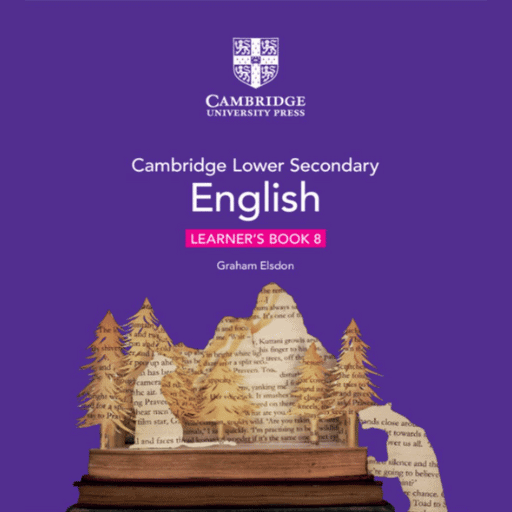
 | PARTNER COURSE Cambridge English Year 8 Worksheets, Notes & TestsKeystone Instructors · Last updated on Apr 10, 2026 |
Cambridge English Year 8 Worksheets, Notes Study Material



Trending Courses for Class 8

Year 8 English IGCSE Cambridge: Complete Course Overview
Year 8 English IGCSE Cambridge is a foundational course that prepares students for advanced international qualifications. If you're an Indian student looking to pursue the Cambridge IGCSE English pathway, understanding the course structure and content is essential for building strong language and literary skills. This comprehensive guide will help you navigate the Year 8 curriculum effectively.
The Cambridge IGCSE English Year 8 course is designed for students aged 13-14 and serves as a crucial stepping stone before the formal IGCSE examinations in Years 10-11. The curriculum focuses on developing critical reading abilities, analytical writing skills, and a deep appreciation for literature across multiple genres and cultures.
What Makes This Course Valuable?
Year 8 Cambridge English goes beyond basic grammar and vocabulary. It emphasizes literary analysis, creative expression, and the ability to understand complex texts. Students gain exposure to diverse writing styles, cultural narratives, and thematic explorations that prepare them for higher academic pursuits. The course balances between literature study and practical language skills development.
Understanding the Nature and Humans Theme in IGCSE English
One of the foundational themes in Year 8 English IGCSE is the relationship between humans and the natural world. This theme appears across poetry, prose, and dramatic texts, encouraging students to explore how writers portray environmental connections and human responsibility.
The Nature and Humans theme helps you develop several critical skills simultaneously. You'll learn to identify literary devices used to describe natural settings, understand symbolism in environmental narratives, and recognize how nature can reflect human emotions and conflicts. To deepen your understanding of this essential theme, explore our dedicated Nature and Humans chapter resources.
Key Concepts in Nature and Humans
- Personification and pathetic fallacy in describing nature
- Symbolism of natural elements in literature
- Environmental themes in contemporary and classical texts
- Human impact on ecosystems through literary perspectives
- Connection between setting and character development
How to Analyze Literary Texts in Year 8 English IGCSE
Literary analysis is at the heart of Cambridge IGCSE English Year 8. Mastering text analysis techniques will significantly improve your examination performance and deepen your appreciation for literature. The process involves examining not just what a text says, but how and why the author conveys meaning through specific language choices.
When analyzing literary texts, adopt a structured approach: identify the text type and genre, examine language techniques, explore thematic elements, and consider the author's purpose. Look beyond surface-level comprehension to understand layers of meaning, cultural contexts, and the writer's intentions. This analytical mindset will serve you well throughout your IGCSE English journey.
Essential Analysis Techniques
| Technique | Definition | Example in Practice |
|---|---|---|
| Metaphor | Direct comparison without "like" or "as" | Understanding extended metaphors in poetry |
| Simile | Comparison using "like" or "as" | Analyzing descriptive passages in prose |
| Imagery | Language that creates sensory impressions | Examining visual and auditory descriptions |
| Tone | Author's attitude toward the subject | Recognizing shifts in narrative voice |
Best Study Materials for Cambridge IGCSE English Year 8
Finding quality Year 8 English IGCSE study materials can be challenging with so much information available online. The best resources combine official Cambridge guidelines with comprehensive explanations suited to Indian students' learning styles. EduRev offers extensive IGCSE English revision notes and study guides specifically designed for the Cambridge curriculum.
When selecting Year 8 English IGCSE notes and Cambridge IGCSE English study materials, ensure they cover all thematic units, include practice questions, and provide detailed answer explanations. High-quality Cambridge IGCSE English notes PDF downloads should break down complex concepts into manageable sections with clear examples from prescribed texts.
Components of Effective Study Materials
- Chapter-wise summaries with key points highlighted
- Character analysis guides with textual evidence
- Language technique explanations with literary examples
- Practice questions with model answers
- Thematic overviews connecting multiple chapters
- Free IGCSE English resources for self-study
Chapter-wise Summary and Analysis for IGCSE English Literature
The Year 8 English IGCSE curriculum comprises nine distinct thematic chapters, each offering unique insights into human experience, literature, and language. Understanding each chapter's focus and contribution to your overall development is crucial for comprehensive exam preparation.
Let's explore the key chapters and their significance in your learning journey:
Cultural Heritage and Contemporary Themes
Grandmother's Song introduces students to cultural narratives and the power of storytelling across generations. This chapter emphasizes how literature preserves traditions and communicates across time. Similarly, The Plantation explores historical narratives and social contexts through literary examination, helping you understand how authors address complex social issues.
Imaginative Worlds and Fantasy
Strange Islands takes you into imaginative landscapes where writers create alternative worlds to explore human nature and possibilities. This chapter develops your ability to interpret symbolic settings and fantastical elements as vehicles for deeper meanings.
Modern Society and Change
This is the Modern World examines contemporary issues through literature, helping you understand how writers respond to technological advancement, social change, and modern pressures. This chapter ensures you're analyzing texts that resonate with current global contexts.
Character Studies and Heroism
Heroes and Monsters explore character complexity and moral ambiguity. Heroes examines what defines heroism in literature, while Monsters challenges simplistic notions of villainy, teaching you that character analysis requires nuance and textual evidence.
Decision-Making and Consequences
Choices and Decisions focuses on narratives centered around pivotal moments and their consequences, developing your ability to trace cause-and-effect relationships in literature. Endings explores how writers conclude narratives, teaching you to analyze thematic resolution and evaluate narrative effectiveness.
Developing Reading Comprehension Skills for Cambridge IGCSE
IGCSE English reading comprehension skills form the foundation of successful examination performance. These skills extend beyond simple understanding to include inference, interpretation, and critical evaluation of texts. Developing robust reading comprehension abilities now will significantly enhance your performance in future IGCSE examinations.
Effective reading comprehension involves several interconnected skills: understanding explicit information, making inferences from textual clues, recognizing author's intent, identifying tone and mood, and evaluating language choices. Practice reading diverse text types regularly and maintain a vocabulary journal to track new words and expressions encountered during your studies.
Practical Comprehension Strategies
- Read texts multiple times: first for overall understanding, then for detailed analysis
- Annotate while reading to mark important passages and language techniques
- Ask critical questions: Why did the author use this phrase? What effect does it create?
- Connect textual details to broader themes and character motivations
- Practice summarizing key points in your own words
- Compare texts to identify different perspectives on similar themes
Creative Writing Techniques for Year 8 IGCSE English Students
Creative writing is an integral component of Year 8 English IGCSE, allowing you to apply literary techniques in your own compositions. Mastering creative writing techniques helps you understand how professional writers craft engaging narratives and develop your unique voice as a writer.
When approaching creative writing assignments, focus on showing rather than telling—use descriptive language and specific details instead of summarizing emotions or events. Vary your sentence structures to maintain reader interest, employ dialogue effectively, and ensure your writing demonstrates awareness of audience and purpose. These skills directly support your literary analysis abilities as you recognize and appreciate similar techniques in published texts.
Heroes and Monsters: Character Analysis in IGCSE Literature
Character analysis represents one of the most important skills you'll develop in Year 8 English IGCSE. The Heroes and Monsters units specifically challenge conventional thinking about character morality and motivation, encouraging you to examine complex, multifaceted characters with nuance and textual support.
Effective character analysis requires examining motivations, tracking character development, analyzing relationships with other characters, and supporting observations with specific textual evidence. Avoid simplistic judgments and instead explore why characters make particular choices and how their actions reveal deeper themes about human nature.
Character Analysis Framework
| Analysis Element | Questions to Ask | Textual Evidence to Seek |
|---|---|---|
| Motivation | What drives this character's actions? | Dialogue, internal monologue, actions |
| Development | How does the character change throughout? | Behavioral shifts, attitude changes, realizations |
| Relationships | How do other characters respond to them? | Interactions, dialogue exchanges, reactions |
| Morality | What ethical questions does this character raise? | Decisions made, conflicts faced, consequences endured |
Free PDF Notes and Resources for Year 8 English IGCSE
Accessing comprehensive Year 8 English IGCSE free PDF resources has become essential for effective preparation. EduRev provides extensive Cambridge IGCSE English notes PDF downloads covering all curriculum chapters, making quality study materials accessible to every student regardless of economic circumstances.
These free resources typically include chapter summaries, vocabulary lists, practice questions, model answers, and thematic guides. Using these materials strategically alongside prescribed textbooks creates a well-rounded preparation approach. Regular revision using these notes strengthens retention and deepens understanding of key concepts.
How to Prepare for Cambridge IGCSE English Assessments
Preparing for Cambridge IGCSE English assessments requires a structured, consistent approach developed throughout Year 8 and beyond. Begin by understanding the specific skills each chapter develops, then practice applying these skills to unfamiliar texts, which is the ultimate goal of any assessment.
Develop a personalized IGCSE English revision strategy that includes regular reading practice, timed writing exercises, vocabulary building, and consistent engagement with study materials. Join study groups, seek feedback on your written work, and maintain a portfolio of your best analytical writing to track your progress over time.
Assessment Preparation Checklist
- Master language techniques and their effects on readers
- Practice analyzing unseen texts under timed conditions
- Develop clear, well-structured essay writing
- Build confidence in speaking about literature with textual evidence
- Review all chapter themes regularly for retention
- Complete practice papers and assess your work critically
Understanding Themes in Year 8 IGCSE English: From Nature to Modern World
Thematic understanding is perhaps the most valuable skill you'll develop in Year 8 English IGCSE. Each chapter explores distinct themes that recur across multiple texts, helping you recognize patterns, make connections, and understand how literature communicates universal human experiences through varied cultural lenses.
The curriculum moves from explorations of nature's influence on humanity to examinations of contemporary society, ensuring you develop comprehensive thematic awareness. By recognizing how different authors approach similar themes—whether nature's power, cultural identity, heroism, or moral complexity—you develop sophisticated analytical thinking applicable to any literary text.
IGCSE English Revision Guide: Key Chapters and Concepts
A comprehensive IGCSE English revision guide consolidates key concepts from all curriculum chapters into an accessible reference tool. This guide helps you identify gaps in understanding, review challenging concepts, and reinforce learning as examination preparation intensifies.
Effective revision involves active engagement with material rather than passive reading. Create concept maps connecting related themes across chapters, develop comparison matrices for character studies, and maintain an updated glossary of literary terminology and language techniques. This active approach to revision transforms fragmented knowledge into integrated understanding.
As you progress through Year 8 English IGCSE, remember that genuine learning extends beyond memorization. Engage deeply with texts, question author's choices, develop your analytical voice, and maintain consistent practice. The skills you build now—reading comprehension, literary analysis, creative expression, and critical thinking—serve as foundations not just for future IGCSE success, but for academic achievement across all disciplines and professional communication in your future career.
Year 8 English IGCSE (Cambridge) for Class 8 CBSE Exam Pattern 2026-2027
Year 8 English (Cambridge) Exam Pattern for Year 8
The Year 8 English exam under the Cambridge curriculum is designed to assess students' understanding and proficiency in the English language. Understanding the exam pattern is crucial for effective preparation. Below, we outline the key components and structure of the exam.
1. Exam Structure
- Duration: The exam typically lasts for 1.5 to 2 hours, depending on the specific guidelines of the school.
- Format: The exam consists of various sections that may include reading comprehension, writing tasks, and grammar exercises.
2. Key Sections
- Reading Comprehension: Students are required to read passages and answer questions that test their comprehension and analytical skills.
- Writing: This section involves writing essays or creative pieces. Students are evaluated on their ability to express ideas clearly and coherently.
- Grammar and Vocabulary: A series of questions focusing on grammar rules, punctuation, and vocabulary usage are included in this section.
3. Assessment Criteria
- Content: Relevance and depth of ideas presented in writing tasks.
- Structure: Organization of essays and clarity of expression.
- Language Mechanics: Correct use of grammar, punctuation, and spelling.
4. Preparation Tips
- Practice Past Papers: Familiarizing yourself with previous exam questions can enhance your understanding of the exam format.
- Read Widely: Engaging with a variety of texts can improve comprehension skills and vocabulary.
- Seek Feedback: Share your writing with teachers or peers to gain insights on areas for improvement.
By understanding the Year 8 English (Cambridge) exam pattern, students can tailor their study strategies effectively, ensuring they are well-prepared for success.


Year 8 English IGCSE (Cambridge) Syllabus 2026-2027 PDF Download
Year 8 English (Cambridge)
The Year 8 English curriculum is designed to enhance students' literacy skills through a diverse range of texts and themes. This syllabus focuses on various literary and non-literary genres, encouraging critical thinking and creative expression.
Year 8 Nature and Humans
- Explore the relationship between nature and human existence.
- Analyze various texts that reflect on environmental themes.
- Engage in discussions about the impact of human activities on nature.
Year 8 Grandmother's Song
- Study the significance of family heritage and storytelling.
- Examine poetic forms and their emotional resonance.
- Write personal narratives inspired by family experiences.
Year 8 Strange Islands
- Dive into fictional and non-fictional narratives about islands.
- Analyze themes of exploration and isolation.
- Encourage creative writing through imaginative island scenarios.
Year 8 This is the Modern World
- Investigate contemporary issues and their representation in literature.
- Discuss the role of technology in shaping modern narratives.
- Explore diverse voices and perspectives in modern storytelling.
Year 8 Heroes
- Identify characteristics of heroes in literature and real life.
- Analyze texts featuring various heroic figures.
- Encourage students to write their own hero stories.
Year 8 Monsters
- Examine the symbolism of monsters in literature.
- Discuss the cultural significance of fear and the unknown.
- Encourage creative writing focusing on personal 'monsters.'
Year 8 The Plantation
- Explore historical narratives surrounding plantations and their impact on society.
- Analyze literature that addresses themes of colonialism and exploitation.
- Encourage reflective writing on historical injustices.
Year 8 Choices and Decisions
- Discuss the importance of choices in character development.
- Analyze texts that highlight pivotal decisions.
- Encourage students to write about their own decision-making processes.
Year 8 Endings
- Investigate different types of endings in literature.
- Discuss how endings affect the overall message of a story.
- Encourage creative writing by crafting alternative endings to well-known stories.
This Year 8 syllabus aims to develop a comprehensive understanding of English literature and its relevance to human experiences. Through engaging texts and themes, students will be encouraged to think critically and creatively, preparing them for future academic challenges.
This course is helpful for the following exams: Class 8
How to Prepare Year 8 English IGCSE (Cambridge) for Class 8?
How to Prepare Year 8 English (Cambridge) for Year 8?
Preparing for Year 8 English (Cambridge) can set a strong foundation for your academic journey. Here are some effective strategies to help you get ready for this course offered by EduRev.
Understand the Curriculum
Familiarize yourself with the Year 8 English (Cambridge) curriculum. Knowing the key topics and themes covered in the course will help you identify areas you need to focus on. Look for:
- Literary Genres: Poetry, prose, and drama.
- Language Skills: Grammar, punctuation, and writing techniques.
- Comprehension: Reading and understanding different texts.
Enhance Your Reading Skills
Reading is a vital part of Year 8 English (Cambridge). To improve your comprehension and analytical skills, consider:
- Diverse Texts: Explore a variety of genres, including fiction, non-fiction, and poetry.
- Regular Practice: Set aside time daily to read and analyze texts.
- Discussion: Join study groups to discuss themes and characters with peers.
Develop Writing Techniques
Writing plays a crucial role in Year 8 English (Cambridge). Enhance your writing by:
- Daily Writing Exercises: Practice writing essays, stories, and reports.
- Feedback: Share your work with teachers or peers for constructive criticism.
- Structure: Learn how to organize your writing clearly with introductions, bodies, and conclusions.
Engage with Grammar and Vocabulary
A strong grasp of grammar and vocabulary is essential for Year 8 English (Cambridge). To improve in these areas:
- Grammar Exercises: Utilize worksheets and online resources to practice grammar rules.
- Vocabulary Building: Learn new words daily and use them in sentences to enhance retention.
- Word Games: Engage in crossword puzzles or word searches to make learning fun.
Practice Past Papers
Familiarize yourself with the format of assessments in Year 8 English (Cambridge) by practicing past papers. This will help you:
- Understand Question Types: Get comfortable with different types of questions.
- Time Management: Practice completing papers within the allotted time.
- Identify Weak Areas: Focus on topics that need improvement based on your performance.
Seek Help When Needed
Don't hesitate to ask for assistance if you're struggling with certain topics in Year 8 English (Cambridge). Consider:
- Tutoring: Hiring a tutor for personalized guidance.
- Study Groups: Forming study groups with classmates for collaborative learning.
- Online Resources: Utilizing educational resources available through EduRev for extra support.
Conclusion
By following these strategies, you can effectively prepare for Year 8 English (Cambridge) offered by EduRev. A proactive approach will not only boost your confidence but also enhance your skills, setting you up for success in your academic endeavors.
Importance of Year 8 English IGCSE (Cambridge) for Class 8
Importance of Year 8 English (Cambridge) Course for Year 8
The Year 8 English (Cambridge) course offered by EduRev plays a pivotal role in shaping students' linguistic abilities and critical thinking skills. This course is specifically designed to meet the educational needs of Year 8 students, ensuring they are well-prepared for their academic journey ahead.
1. Foundation for Future Learning
The Year 8 English course lays a solid foundation in reading, writing, and comprehension skills that are crucial for success in higher grades. It equips students with:
- Critical Thinking: Enhances the ability to analyze texts and arguments.
- Effective Communication: Develops skills in articulating thoughts clearly and persuasively.
2. Engaging Curriculum
The curriculum is designed to be engaging and relevant, incorporating a variety of literary genres and contemporary themes. This approach fosters:
- Creativity: Encourages students to express themselves through imaginative writing.
- Empathy: Promotes understanding of diverse perspectives through literature.
3. Preparation for Assessments
With a focus on the Cambridge assessment style, students gain valuable experience in:
- Exam Techniques: Familiarizes students with the format and expectations of standardized tests.
- Time Management: Teaches students how to effectively manage their time during assessments.
4. Development of Lifelong Skills
Beyond academic benefits, the Year 8 English course fosters skills that are essential for personal and professional success:
- Research Skills: Teaches students how to gather and evaluate information critically.
- Collaboration: Encourages teamwork through group projects and discussions.
5. Boosting Confidence
Participating in the Year 8 English course helps to build confidence in students through:
- Public Speaking: Opportunities to present their ideas in front of peers.
- Feedback Mechanisms: Constructive feedback enhances self-awareness and improvement.
Conclusion
Overall, the Year 8 English (Cambridge) course offered by EduRev is integral to the academic growth and personal development of students. By providing essential skills and knowledge, it prepares them not just for exams, but for lifelong success in an increasingly complex world.
Year 8 English IGCSE (Cambridge) for Class 8 FAQs
| 1. How do I write a character analysis for Scout in To Kill a Mockingbird for Year 8 English? |  |
| 2. What are the main themes in A Christmas Carol that I need to know for my Class 8 exams? | |
| 3. How do I identify and analyse poetic devices in Year 8 English poetry texts? | |
| 4. What is the difference between direct and indirect characterisation in narrative texts? | |
| 5. How do I structure a persuasive writing response for Year 8 English exams? | |
| 6. What should I understand about narrative perspective and unreliable narrators in Class 8 texts? | |
| 7. How do I write an effective extract-based response for IGCSE Class 8 English literature? | |
| 8. What techniques should I use to understand symbolism and metaphor in Year 8 literature texts? | |
| 9. How do I compare and contrast two characters effectively in Class 8 English exam questions? | |
| 10. What are common extract question types and how should I approach each one? | |
Best Year 8 English IGCSE (Cambridge) for Class 8 NCERT Solutions and Study Materials
 | View your Course Analysis |  |
 | Create your own Test | |



 Buy Now
 Documents
 Tests
Tests Top teachers of India
 | Explore Courses for Class 8 exam |  |


