 | INFINITY COURSE Class 7 Social Science New NCERT Solutions, Notes & MCQs39,138 students learning this week · Last updated on Apr 08, 2026 |
Class 7 Social Science New NCERT Study Material











Trending Courses for Class 7

What is Social Science Class 7 New NCERT Syllabus?
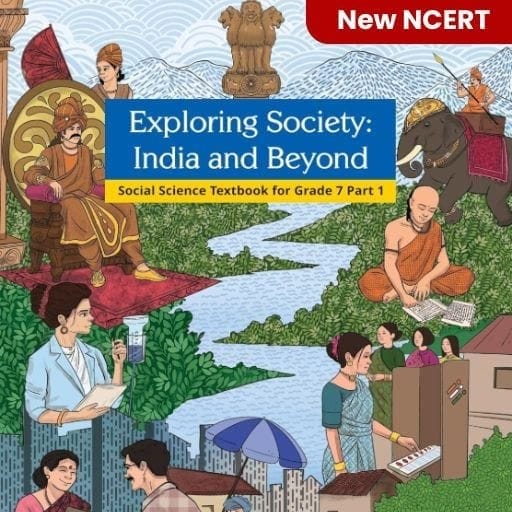
Social Science for Class 7 under the New NCERT curriculum represents a comprehensive and integrated approach to learning about our country, its geography, history, governance, and economy. If you're preparing for Class 7 Social Science exams or simply want to understand what this course covers, you've come to the right place. The New NCERT Social Science Class 7 syllabus has been redesigned to help students develop a deeper understanding of India's diversity, constitutional framework, economic systems, and historical evolution.
The Social Science Class 7 New NCERT course brings together four distinct yet interconnected disciplines: Geography, History, Civics, and Economics. This integrated approach ensures that students don't just memorize facts but understand how different aspects of our society work together. For instance, when studying Indian climate patterns, you'll also learn how agriculture develops in different regions—connecting Geography with Economics.
Whether you're appearing for your half-yearly or final exam, or simply aiming to secure good marks in Class 7 Social Science, understanding the structure of the New NCERT curriculum is your first step toward success. Let's explore what makes this course unique and how you can prepare effectively.
Complete Chapter List for Class 7 Social Science New NCERT
The Class 7 Social Science New NCERT curriculum contains 20 comprehensive chapters spread across four main subject areas. Having a clear picture of all the chapters helps you plan your preparation strategy and allocate time effectively for exam revision.
Geography Chapters
The Geography section of Class 7 Social Science focuses on understanding India's physical landscape and environmental systems. These chapters are crucial for building foundational knowledge about our nation's diverse terrain and climate patterns. You'll explore how India's geographical features influence human activities and development.
- Geographical Diversity of India — Understand India's varied physical features, from mountains and plateaus to plains and coastal areas
- Understanding the Weather — Learn about weather systems, temperature, and precipitation patterns affecting India
- Climates of India — Study the different climate zones and their characteristics across the country
- India and Her Neighbours — Explore India's geographical relationship with neighboring countries and regional interactions
Geographical Diversity of India Social Science
- Chapter Notes: Geographical Diversity of India
- PPT: Geographical Diversity of India
- Worksheet: Geographical Diversity of India
- Worksheet Solutions: Geographical Diversity of India
- More study material of Geographical Diversity of India Social Science
Understanding the Weather Social Science
History Chapters
History in Class 7 Social Science takes you on a journey through India's rich past, from ancient cities and empires to medieval kingdoms and cultural developments. These chapters help you understand how historical events have shaped modern India and its values.
- New Beginnings: Cities and States — Discover early urban civilizations and the formation of organized states in ancient India
- The Rise of Empires — Study major empires and their contributions to Indian civilization
- The Age of Reorganisation — Learn about significant political and social reorganization periods in ancient India
- The Gupta Era: An Age of Tireless Creativity — Explore the golden age of Indian culture, science, and arts during the Gupta period
- How the Land Becomes Sacred — Understand the cultural and religious significance of places in Indian history
- Empires and Kingdoms: 6th to 10th Centuries — Study the various kingdoms and empires that flourished during this period
- Turning Tides: 11th and 12th Centuries — Examine the significant changes and transitions in medieval India
- India, a Home to Many — Explore India's multicultural heritage and diverse communities throughout history
New Beginnings Cities and States Social Science
- Worksheet: New Beginnings: Cities and States
- Worksheet Solutions: New Beginnings: Cities and States
- Chapter Notes: New Beginnings: Cities and States
- Very Short Answer Questions: New Beginnings: Cities and States
- More study material of New Beginnings Cities and States Social Science
The Rise of Empires Social Science
Civics and Political Science Chapters
The Civics section introduces you to India's governmental systems, constitutional framework, and democratic principles. These chapters are essential for understanding how our country is governed and your role as a citizen.
- From the Rulers to the Ruled: Types of Governments — Learn about different forms of government and how they function
- The Constitution of India — An Introduction — Understand the fundamental principles and structure of the Indian Constitution
- The State, the Government, and You — Discover how government institutions work at different levels and citizen participation
From the Rulers to the Ruled Types of Governments Social Science
- Chapter Notes: From the Rulers to the Ruled: Types of Governments
- Short & Long Answer Questions: From the Rulers to the Ruled: Types of Governments
- Worksheet: From the Rulers to the Ruled: Types of Governments
- Worksheet Solutions: From the Rulers to the Ruled: Types of Governments
- More study material of From the Rulers to the Ruled Types of Governments Social Science
The Constitution of India — An Introduction Social Science
- Chapter Notes: The Constitution of India — An Introduction
- Worksheet: The Constitution of India — An Introduction
- Worksheet Solutions: The Constitution of India — An Introduction
- PPT: The Constitution of India — An Introduction
- More study material of The Constitution of India — An Introduction Social Science
Economics Chapters
Economics in Class 7 Social Science helps you understand how money, markets, and resources function in society. These practical chapters connect theoretical concepts to real-world applications you see in daily life.
- From Barter to Money — Trace the evolution of monetary systems and understand why money is essential
- Understanding Markets — Study how markets work and the role of supply and demand
- The Story of Indian Farming — Explore India's agricultural sector and farming practices across different regions
- Infrastructure: Engine of India's Development — Learn about transportation, communication, and development infrastructure
- Banks and the Magic of Finance — Understand banking systems and their role in the economy
From Barter to Money Social Science
- PPT: From Barter to Money
- Worksheet: From Barter to Money
- Worksheet Solutions: From Barter to Money
- Very Short Answer Questions: From Barter to Money
- More study material of From Barter to Money Social Science
Understanding Markets Social Science
Climates of India
- Worksheet: Climates of India
- Worksheet Solutions: Climates of India
- Chapter Notes: Climates of India
- NCERT Solutions: Climates of India
- More study material of Climates of India
India and Her Neighbours Social Science
Geography Topics in Class 7 Social Science: Climate and Diversity of India
Geography forms a crucial part of Class 7 Social Science, and two of its most important topics are climate and geographical diversity. These topics appear frequently in Class 7 Social Science question papers and half yearly exams, making them essential for good exam preparation.
Understanding the geographical diversity of India means learning about the varied landscapes—from the snow-capped Himalayas in the north to the tropical coastlines in the south. The monsoon system and different climate zones across India create distinct ecosystems and influence how people live and work in different regions.
For your Class 7 Social Science exam preparation, focus on understanding not just the "what" but the "why" behind climate patterns. Why does the northeast monsoon bring rain to the Tamil Nadu coast? Why are some regions arid while others receive abundant rainfall? These conceptual questions often appear in Class 7 Social Science study materials and question papers.
History Chapters in Class 7 New NCERT: From Ancient Empires to Medieval India
History in Class 7 New NCERT takes you on a fascinating journey through different periods of Indian civilization. The course covers everything from early urban settlements to the flourishing medieval period, emphasizing how each era contributed to shaping modern India.
The Gupta Era, often called India's golden age, is a particularly important topic in Class 7 Social Science history. This period witnessed remarkable advances in mathematics, astronomy, literature, and art. Understanding this era helps you appreciate India's intellectual heritage and contributions to world civilization.
Medieval India, covered through chapters on empires and kingdoms from the 6th to 12th centuries, shows how Indian society evolved with new political structures, cultural exchanges, and religious developments. These Class 7 History chapters provide essential background for understanding contemporary India.
Civics and Political Science in Class 7: Constitution and Government
One of the most important aspects of Class 7 Social Science is understanding India's constitutional framework and governmental systems. The Constitution of India is the world's longest written constitution, and Class 7 introduces you to its basic features and principles.
Understanding types of governments—democracy, monarchy, dictatorship, and others—helps you appreciate why India chose democratic governance. The chapter on the Indian Constitution explains fundamental rights, duties, and the three-tier governmental structure (national, state, and local levels).
For your Class 7 Social Science exam, remember that Civics questions often test your understanding of how government works at different levels and your role as a citizen. Study materials should help you grasp these concepts clearly so you can answer both objective and descriptive questions with confidence.
Economics Concepts for Class 7: Markets, Banking, and Infrastructure
Economics in Class 7 Social Science introduces real-world concepts that affect your daily life. Understanding how money works, how markets function, and how banks serve the economy makes you a more informed citizen.
The evolution from barter to modern banking systems shows how economies become more complex and efficient. When you study the story of Indian farming or infrastructure development, you're learning how different economic sectors contribute to national development.
Key topics in Class 7 Economics include:
- Market mechanisms and price determination
- Banking services and financial institutions
- Agricultural practices and farmers' role in economy
- Infrastructure projects driving development
- Money management and personal finance basics
These concepts often appear in Class 7 Social Science question papers as case studies or practical scenarios, so focus on understanding applications rather than just definitions.
How to Prepare for Class 7 Social Science Exams?
Effective preparation for Class 7 Social Science exams requires a structured approach combining concept understanding, regular practice, and strategic revision. Here's how to prepare efficiently:
Create a Study Schedule
Start your Class 7 Social Science preparation by dividing chapters into manageable sections. Allocate more time to topics with higher weightage and those that traditionally appear in exams. Balance all four subjects—Geography, History, Civics, and Economics—to ensure comprehensive preparation.
Active Learning Methods
- Make chapter notes highlighting key concepts and important dates
- Create timelines for historical events in Class 7 History chapters
- Draw and label maps for geographical topics
- Prepare comparison charts for different political systems or economic concepts
Practice Regularly
Solve previous year Class 7 Social Science question papers and unit tests to understand exam patterns and question types. This helps you identify weak areas and build confidence before your final exam.
Best Study Resources for Class 7 Social Science New NCERT
Having access to quality Class 7 Social Science study materials significantly improves your preparation. Beyond the NCERT textbook, several resource types can enhance your learning:
Digital Learning Tools
Modern Class 7 Social Science preparation includes interactive digital resources that make learning engaging and effective. Flashcards for quick revision help you memorize important facts, dates, and definitions efficiently. These are particularly useful during final revision phases when you need quick recall of information.
Mindmaps provide visual representations of concepts, showing how different ideas connect—perfect for understanding relationships between topics. Visual learners particularly benefit from this format.
Flashcards Social Science
- Flashcards: Geographical Diversity of India
- Flashcards: Understanding the Weather
- Flashcards: Climates of India
- Flashcards: New Beginnings Cities and States
- More study material of Flashcards Social Science
Mindmaps Social Science
Comprehensive Study Materials
PowerPoint presentations (PPTs) offer chapter-wise content in an organized, easy-to-follow format. These work well for classroom revision or self-study sessions.
Worksheets with solutions allow you to practice problems and check your understanding immediately. This active learning approach strengthens concept retention.
PPTs Social Science
- PPT: Geographical Diversity of India
- PPT: Understanding the Weather
- PPT: Climates of India
- PPT: New Beginnings: Cities and States
- More study material of PPTs Social Science
Worksheet with Solutions Social Science
Free Study Materials: Flashcards, Mindmaps, and Worksheets for Class 7
Comprehensive Class 7 Social Science preparation doesn't require expensive coaching classes. High-quality free materials are readily available for serious students committed to excelling in their exams.
Flashcards serve multiple purposes in your preparation strategy. Use them for quick daily revision, testing yourself on important facts, or during commute times. They're especially valuable for remembering dates in history chapters, capitals of Indian states, or economic terminology.
Mindmaps help you see the bigger picture of how concepts interconnect. Rather than memorizing isolated facts, you understand how geographical features influence climate, which affects agriculture, which impacts the economy. This holistic understanding helps you answer application-based questions in your Class 7 Social Science exams.
Regular practice with worksheets builds confidence and identifies knowledge gaps. Working through different question types—multiple choice, short answer, long answer, and map-based questions—prepares you comprehensively for actual exam conditions.
Class 7 Social Science Question Papers and Practice Tests
One of the most effective preparation strategies for Class 7 Social Science involves solving actual question papers and practice tests. Half yearly and final exam papers give you insight into actual exam patterns, question distribution, and marking schemes followed by most schools.
Unit tests help you assess understanding of individual chapters or topics before moving forward. Taking these tests under timed conditions simulates exam pressure and helps you improve your answering speed and accuracy.
Additionally, check the academic calendar to align your preparation timeline with your school's exam schedule.
Unit Tests Social Science
Important Topics in Class 7 Social Science for Exam Preparation
Certain topics carry higher weightage in Class 7 Social Science exams and appear more frequently in question papers. Prioritizing these ensures efficient preparation:
Must-Study Topics
| Subject | Important Topics | Typical Marks |
|---|---|---|
| Geography | Monsoon system, climate zones, geographical features | 15-20 |
| History | Gupta era, medieval empires, historical events | 15-20 |
| Civics | Constitution, government types, citizen rights | 10-15 |
| Economics | Money, markets, banking, farming, infrastructure | 10-15 |
These weightages vary by school and board, so check your specific exam pattern. Focus on understanding concepts deeply rather than memorizing, as modern Class 7 Social Science exams emphasize application and analysis over rote learning.
Remember, success in Class 7 Social Science comes from consistent effort, active learning, and strategic practice. Use all available resources—textbooks, digital materials, practice papers, and expert guidance—to build a strong foundation in these essential subjects.
Social Science Class 7 - New NCERT ( Part 1 and Part 2) CBSE Exam Pattern 2026-2027
Social Science Class 7 - New NCERT Exam Pattern for Class 7
The exam pattern for Social Science in Class 7, based on the New NCERT curriculum, is designed to assess students' understanding of various concepts in history, geography, political science, and economics. Below is an overview of the key components of the exam pattern:
1. Structure of the Exam
- Type of Questions: The exam will consist of multiple-choice questions (MCQs), short answer questions, and long answer questions.
- Distribution of Marks: The total marks for the Social Science exam will typically be around 100, divided among different sections.
2. Sections of the Exam
- History: Understanding of historical events, important personalities, and timelines.
- Geography: Concepts related to physical geography, maps, and human geography.
- Civics: Awareness of government systems, rights, and responsibilities of citizens.
- Economics: Basic economic concepts, resources, and the role of various sectors in the economy.
3. Question Format
- MCQs: Assessment of factual knowledge and comprehension.
- Short Answer Questions: Requires concise explanations and the ability to summarize key points.
- Long Answer Questions: In-depth analysis and critical thinking on given topics.
4. Marking Scheme
- MCQs: Usually carry 1 mark each.
- Short Answer Questions: Typically worth 2-3 marks, depending on the question's complexity.
- Long Answer Questions: Can range from 4-5 marks, requiring detailed explanations.
5. Preparation Tips
- Understand the Syllabus: Familiarize yourself with the NCERT syllabus to cover all necessary topics.
- Regular Revisions: Schedule revision sessions to reinforce learning and memory retention.
- Practice Previous Year Papers: Solve past exam papers to understand the question patterns and time management.
- Group Study: Engage in group discussions to clarify doubts and enhance understanding.
By following this exam pattern and preparation strategies, students can perform effectively in their Social Science Class 7 examinations. Understanding the structure and expectations will not only help in scoring well but also in gaining a deeper insight into the subject matter.


Social Science Class 7 - New NCERT ( Part 1 and Part 2) Syllabus 2026-2027 PDF Download
Class 7 Social Science Syllabus Overview
The Class 7 Social Science syllabus, aligned with the New NCERT curriculum, covers a comprehensive range of topics that explore geographical, historical, and economic aspects of India. Below is a detailed breakdown of the syllabus for Class 7 Social Science.
Class 7 Geographical Diversity of India
- Understanding the diverse geographical features of India
- Major landforms and their significance
- Regional variations in culture and lifestyle
Class 7 Understanding the Weather
- Defining weather and climate
- Factors affecting weather patterns
- Tools and instruments for measuring weather
Class 7 Climates of India
- Different climatic zones of India
- Impact of climate on agriculture and lifestyle
- Monsoon and its significance
Class 7 New Beginnings: Cities and States
- Historical emergence of cities in India
- Formation of states and their importance
- Urbanization and its effects on society
Class 7 The Rise of Empires
- The concept of empires in Indian history
- Major empires and their contributions
- Trade and cultural exchanges during the empire era
Class 7 The Age of Reorganisation
- Political changes in India post-independence
- The reorganization of states and its implications
- Role of language and culture in state formation
Class 7 The Gupta Era: An Age of Tireless Creativity
- Overview of the Gupta period in Indian history
- Cultural, scientific, and artistic achievements
- Impact on subsequent Indian civilization
Class 7 How the Land Becomes Sacred
- Understanding sacred geography in India
- Significance of sacred sites and pilgrimage
- Religious beliefs and their connection to land
Class 7 From the Rulers to the Ruled: Types of Governments
- Different forms of government in India: democracy, monarchy, etc.
- Role of citizens in a democracy
- Historical evolution of governance in India
Class 7 The Constitution of India — An Introduction
- Basics of the Indian Constitution and its importance
- Fundamental rights and duties of citizens
- Structure and functions of various government bodies
Class 7 From Barter to Money
- Understanding the concept of barter system
- Evolution of money and its significance in trade
- Modern economic exchanges and their impact
Class 7 Understanding Markets
- Role of markets in the economy
- Types of markets and their functions
- Consumer rights and responsibilities
This syllabus aims to provide Class 7 students with a well-rounded understanding of the social sciences, focusing on key themes relevant to Indian society and its history. A solid grasp of these topics will prepare students for further studies in social science and develop their critical thinking skills.
This course is helpful for the following exams: Class 7
How to Prepare Social Science Class 7 - New NCERT ( Part 1 and Part 2)?
How to Prepare Social Science Class 7 - New NCERT for Class 7?
Preparing for Social Science in Class 7 using the New NCERT syllabus can be an enriching experience. With the right strategies and resources, students can enhance their understanding and performance in this subject. Here’s a guide on how to effectively prepare for Social Science Class 7 - New NCERT.
1. Understand the Syllabus
Before diving into your studies, it’s crucial to familiarize yourself with the syllabus of Social Science Class 7 - New NCERT. Knowing the topics covered will help you plan your study schedule effectively.
2. Use NCERT Textbooks
The New NCERT textbooks are specifically designed to cater to the curriculum of Class 7. Make sure to read these books thoroughly, as they are the primary source of information for Social Science.
3. Create a Study Schedule
Planning your study time is essential. Allocate specific time slots for each chapter in your Social Science Class 7 - New NCERT syllabus. This will ensure that you cover all topics systematically.
4. Take Notes
While studying, jot down important points and concepts. Summarizing each chapter will help reinforce your learning and make revision easier before exams.
5. Use Visual Aids
In subjects like Social Science, visual aids such as maps, charts, and diagrams can enhance understanding. Create or use existing visual aids to remember important information related to Social Science Class 7 - New NCERT.
6. Practice Sample Papers
Solving sample papers and previous years’ question papers is a great way to assess your knowledge. This practice can help you get familiar with the exam format for Social Science Class 7 - New NCERT.
7. Group Study
Engaging in group studies can be beneficial. Discussing topics with peers can provide different perspectives and help clarify doubts regarding Social Science concepts from the Class 7 - New NCERT syllabus.
8. Seek Help When Needed
If you find certain topics challenging, don’t hesitate to seek help from teachers or classmates. Understanding these concepts is crucial for mastering Social Science Class 7 - New NCERT.
9. Regular Revision
Frequent revision is key to retaining information. Set aside time each week to review what you have learned in Social Science Class 7 - New NCERT.
10. Utilize Additional Resources
Apart from the New NCERT textbooks, consider using additional study materials such as reference books, online lectures, and educational videos that align with the Social Science Class 7 - New NCERT curriculum.
By following these strategies, students can effectively prepare for Social Science Class 7 - New NCERT and achieve academic success. Remember, consistent effort and a well-structured study plan are the keys to mastering this subject.
Importance of Social Science Class 7 - New NCERT ( Part 1 and Part 2)
Importance of Social Science Class 7 - New NCERT Course for Class 7
Social Science is a crucial subject in the academic curriculum for Class 7, providing students with a comprehensive understanding of the world around them. The New NCERT course, offered by EduRev, is designed to engage students with relevant and enriching content. Here are some key points highlighting the importance of this course:
1. Holistic Understanding of Society
The Social Science curriculum helps students grasp the complexities of society, including its structure, culture, and dynamics. This understanding is vital for fostering informed and responsible citizens.
2. Development of Critical Thinking Skills
By analyzing historical events, geographical facts, and social issues, students enhance their critical thinking abilities. The course encourages them to question, evaluate, and form their own opinions.
3. Awareness of Global Issues
The curriculum covers contemporary global issues such as climate change, human rights, and economic development. This awareness prepares students to be active participants in a globalized world.
4. Connection to Other Subjects
Social Science integrates concepts from history, geography, political science, and economics, allowing students to see connections between different fields of study. This interdisciplinary approach enriches their overall learning experience.
5. Encouragement of Empathy and Tolerance
Studying diverse cultures and societies fosters empathy and tolerance among students. They learn to appreciate differences and understand the importance of coexistence in a multicultural world.
6. Preparation for Future Studies
A strong foundation in Social Science equips students with the knowledge and skills necessary for higher education. It prepares them for more advanced topics in Class 8 and beyond, ensuring a smooth academic transition.
7. Engaging Learning Resources
The New NCERT course on EduRev provides a variety of engaging learning materials, including interactive lessons, quizzes, and study guides. These resources make learning more effective and enjoyable.
Conclusion
In conclusion, the Social Science Class 7 - New NCERT Course offered by EduRev is essential for nurturing knowledgeable and responsible individuals. It not only enriches students' understanding of the world but also equips them with the skills necessary to navigate and contribute positively to society.
Social Science Class 7 - New NCERT ( Part 1 and Part 2) FAQs
| 1. What topics are covered in Social Science Class 7 NCERT? |  |
| 2. How should I prepare for Class 7 Social Science exams effectively? | |
| 3. What's the difference between history and geography in Class 7 Social Science? | |
| 4. Why is civics important in Class 7 Social Science curriculum? | |
| 5. How do I remember historical dates and events for Class 7? | |
| 6. What geography skills should Class 7 students master? | |
| 7. How can I use mind maps and notes for Class 7 Social Science revision? | |
| 8. What economic concepts does Class 7 Social Science introduce? | |
| 9. How do I answer map-based questions in Class 7 Social Science exams? | |
| 10. What study materials help Class 7 Social Science preparation most? | |
Best Social Science Class 7 - New NCERT ( Part 1 and Part 2) NCERT Solutions and Study Materials
 | View your Course Analysis |  |
 | Create your own Test | |



|
 Videos
 Documents
 Tests
Tests Ratings
 | Explore Courses for Class 7 exam |  |


