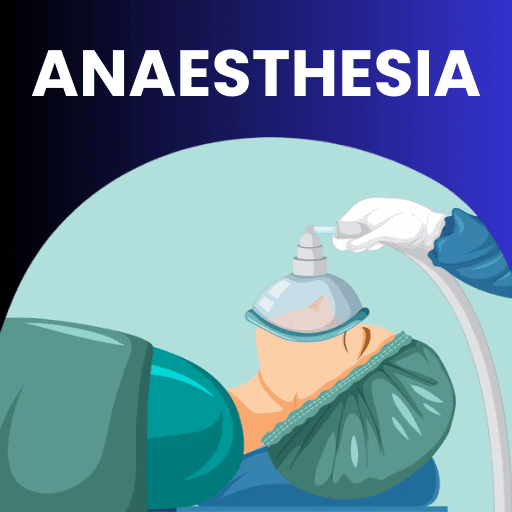
 | INFINITY COURSE NEET PG Anaesthesia Drugs, Techniques & Critical Care662 students learning this week · Last updated on Apr 10, 2026 |
NEET PG Anaesthesia Drugs, Techniques Study Material


Trending Courses for NEET PG

Anaesthesia for NEET PG Exam Pattern 2026-2027
Anaesthesia Exam Pattern for NEET PG
The NEET PG (National Eligibility cum Entrance Test for Postgraduate) is a crucial examination for aspiring postgraduate medical students in India. The exam assesses the knowledge and skills required for various specializations, including Anaesthesia. Understanding the exam pattern is essential for effective preparation.
1. Exam Structure
- Type of Exam: Computer-based test (CBT)
- Duration: 3 hours 30 minutes
- Total Questions: 240 multiple-choice questions (MCQs)
2. Distribution of Questions
- Subject Areas:
- Pre-clinical subjects
- Clinical subjects
- Para-clinical subjects
- Anaesthesia Specific Questions: Typically, around 10-15 questions are specific to Anaesthesia.
3. Marking Scheme
- Correct Answer: +1 mark
- Incorrect Answer: -0.25 mark
- Unanswered Questions: 0 marks
4. Syllabus Overview
The syllabus for Anaesthesia in NEET PG encompasses the following key areas:
- Basic Principles of Anaesthesia: Pharmacology, physiology, and monitoring techniques.
- Types of Anaesthesia: General, regional, and local anaesthesia.
- Patient Management: Preoperative assessment, intraoperative care, and postoperative management.
- Complications and Emergencies: Identification and management of anaesthetic complications.
5. Preparation Tips
To excel in the Anaesthesia section of the NEET PG exam, consider the following preparation strategies:
- Study Material: Utilize standard textbooks and reference materials.
- Mock Tests: Take regular mock tests to familiarize yourself with the exam format.
- Revision: Regularly revise key concepts and techniques in Anaesthesia.
- Practice MCQs: Solve previous years’ question papers for better understanding.
6. Conclusion
Understanding the exam pattern for Anaesthesia in NEET PG is vital for effective preparation. Focus on the syllabus, marking scheme, and types of questions to enhance your chances of success in this highly competitive examination.


Anaesthesia Syllabus 2026-2027 PDF Download
NEET PG Anaesthesia Syllabus Overview
The NEET PG Anaesthesia syllabus is meticulously designed to cover essential topics that are crucial for aspiring postgraduate medical students. This syllabus provides a comprehensive framework for candidates preparing for the NEET PG exam, specifically focusing on Anaesthesia. The syllabus encompasses a variety of subjects and concepts that are pivotal in the field of Anaesthesia.
Core Topics in NEET PG Anaesthesia
- Basic Sciences:
- Physiology
- Anatomy
- Pharmacology
- Clinical Anaesthesia:
- General Anaesthesia
- Regional Anaesthesia
- Pain Management
- Critical Care:
- Monitoring Techniques
- Ventilation Strategies
- Fluid Management
- Emergency Situations:
- Cardiac Arrest Management
- Airway Management
- Postoperative Care:
- Pain Assessment
- Complications and Management
Important Subtopics in NEET PG Anaesthesia
- Pharmacology of Anaesthetic Agents:
- Inhalational Agents
- Intravenous Agents
- Adjuvants
- Anaesthesia Techniques:
- Induction Techniques
- Maintenance Techniques
- Emergence Techniques
- Patient Safety and Ethics:
- Informed Consent
- Risk Assessment
- Latest Advances in Anaesthesia:
- Regional Anaesthesia Innovations
- Monitoring Technology
Preparation Tips for NEET PG Anaesthesia
- Understand the Syllabus: Familiarize yourself with the NEET PG Anaesthesia syllabus and focus on the core areas.
- Practice Regularly: Take mock tests and solve previous years’ papers to enhance your preparation.
- Focus on Clinical Scenarios: Apply theoretical knowledge to clinical situations and case studies.
- Join Study Groups: Collaborate with peers to enhance learning and share resources.
Conclusion
Mastering the NEET PG Anaesthesia syllabus is essential for success in the examination. A structured approach to studying the key topics and subtopics will provide candidates with a solid foundation in Anaesthesia, ultimately leading to successful outcomes in their medical careers. For more resources and guidance, consider exploring options available on EduRev.
This course is helpful for the following exams: NEET PG
How to Prepare Anaesthesia for NEET PG?
Preparing for the Anaesthesia portion of the NEET PG examination requires a well-structured approach and a deep understanding of the subject. As part of the comprehensive course offered by EduRev, aspiring candidates can enhance their knowledge and skills effectively. Here are some key strategies to prepare for Anaesthesia for NEET PG:
1. Understand the Syllabus
To begin your preparation for Anaesthesia, familiarize yourself with the NEET PG syllabus. This includes:
- Basic principles of Anaesthesia
- Pharmacology related to Anaesthesia
- Clinical applications of Anaesthesia
- Recent advancements in Anaesthesia techniques
Understanding the syllabus will help you focus your study efforts on the most relevant topics.
2. Choose the Right Study Material
Using quality study materials is crucial for mastering Anaesthesia. EduRev offers comprehensive resources tailored for NEET PG preparation, including:
- Textbooks
- Lecture notes
- Video tutorials
- Mock tests and question banks
Select materials that cover both theoretical concepts and practical applications in Anaesthesia.
3. Create a Study Schedule
A well-defined study schedule is essential for effective preparation. Allocate specific time slots for Anaesthesia topics and stick to your plan. Ensure that your schedule includes:
- Daily study hours
- Revision sessions
- Practice tests
This structured approach will help you manage your time efficiently.
4. Focus on Clinical Cases
Anaesthesia is a clinical subject that requires practical knowledge. Engage in clinical case discussions and simulations to understand real-life applications. Consider:
- Participating in group study sessions
- Joining workshops or practical sessions offered by EduRev
- Analyzing previous years' NEET PG questions related to Anaesthesia
This hands-on approach will enhance your understanding and retention of Anaesthesia concepts.
5. Revise Regularly
Regular revision is crucial to solidify your understanding of Anaesthesia. Set aside time each week to review previously studied topics. Focus on:
- Key concepts
- Important formulas and algorithms
- Common complications and their management
Frequent revision will help reinforce your knowledge and identify areas that need further improvement.
6. Practice Mock Tests
Taking mock tests is an effective way to prepare for the Anaesthesia section of NEET PG. EduRev provides a variety of practice tests that simulate the actual exam environment. Benefits include:
- Identifying strengths and weaknesses
- Improving time management skills
- Familiarizing yourself with the exam format
Regular practice will boost your confidence and performance on exam day.
7. Stay Updated on Recent Developments
Anaesthesia is a rapidly evolving field. Keep yourself updated on the latest research, techniques, and guidelines. Subscribe to:
- Medical journals
- Online forums
- Webinars and conferences related to Anaesthesia
Staying informed will enhance your understanding and demonstrate your commitment to the field.
Conclusion
Preparing for Anaesthesia in the NEET PG examination requires a strategic approach and dedication. By following these tips and utilizing the resources provided by EduRev, you can build a strong foundation in Anaesthesia and increase your chances of success in the exam. Remember, consistent effort and effective study techniques are key to mastering this important subject.
Importance of Anaesthesia for NEET PG
Importance of Anaesthesia Course for NEET PG
The NEET PG exam is a crucial stepping stone for medical graduates aspiring to specialize in various fields of medicine. Among these specialties, Anaesthesia plays a vital role in ensuring patient safety and comfort during surgical procedures. Enrolling in an Anaesthesia course specifically designed for NEET PG can offer numerous benefits:
1. Comprehensive Understanding of Anaesthesia
Students gain in-depth knowledge of:
- Pharmacology: Understanding anesthetic agents and their effects.
- Techniques: Mastering various anaesthetic techniques and procedures.
- Patient Safety: Learning protocols to ensure patient safety during procedures.
2. Improved Exam Preparation
Focused study on Anaesthesia can help candidates:
- Revise Key Concepts: Efficiently cover essential topics relevant to the exam.
- Practice MCQs: Tackle multiple-choice questions to boost confidence.
- Mock Tests: Participate in simulated exams to assess readiness.
3. Expert Guidance and Resources
Enrolling in a specialized course provides access to:
- Experienced Faculty: Learn from experts with vast knowledge in Anaesthesia.
- Updated Materials: Receive the latest information and research in the field.
- Study Aids: Utilize comprehensive resources such as videos, notes, and case discussions.
4. Enhanced Clinical Skills
Through practical training and simulations, students can:
- Develop Hands-On Skills: Gain practical experience in administering anaesthesia.
- Understand Patient Monitoring: Learn to monitor patients effectively during procedures.
- Critical Thinking: Enhance decision-making skills in high-pressure environments.
5. Networking Opportunities
Joining an Anaesthesia course offers the chance to:
- Connect with Peers: Build relationships with fellow aspirants and professionals.
- Engage with Alumni: Learn from those who have successfully navigated the NEET PG.
- Participate in Workshops: Attend sessions and conferences to stay informed about the latest advancements.
In conclusion, the importance of an Anaesthesia course for NEET PG cannot be overstated. It equips aspiring specialists with the necessary knowledge, skills, and confidence to excel in their exams and future careers. By choosing the right course, students can significantly improve their chances of success in the competitive landscape of medical education.
Anaesthesia for NEET PG FAQs
| 1. What are the different types of general anaesthesia used in NEET PG anaesthesia? |  |
| 2. How do you manage difficult airway intubation in anaesthesia practice? | |
| 3. What is the role of neuromuscular monitoring in perioperative anaesthesia? | |
| 4. How do inhalational anaesthetic agents affect cardiovascular and respiratory systems? | |
| 5. What are the signs and management of malignant hyperthermia during surgery? | |
| 6. How do you perform spinal anaesthesia correctly and what are common complications? | |
| 7. What is the significance of pre-operative assessment and fasting guidelines in anaesthesia? | |
| 8. How does epidural analgesia provide pain relief and what are epidural catheter complications? | |
| 9. What are total intravenous anaesthesia (TIVA) protocols and their advantages over volatile anaesthesia? | |
| 10. How do you manage post-operative nausea and vomiting (PONV) using multimodal antiemetic strategies? | |
 | View your Course Analysis |  |
 | Create your own Test | |



|
 Tests
Tests Ratings
 | Explore Courses for NEET PG exam |  |


