 | INFINITY COURSE Class 8 Physical Education Khel Yatra New NCERT Solutions, MCQsDr Manju Sen · Last updated on Apr 07, 2026 |
Class 8 Physical Education Khel Yatra Study Material





Trending Courses for Class 8

What is Physical Education and Well-being (Khel Yatra) for Class 8?
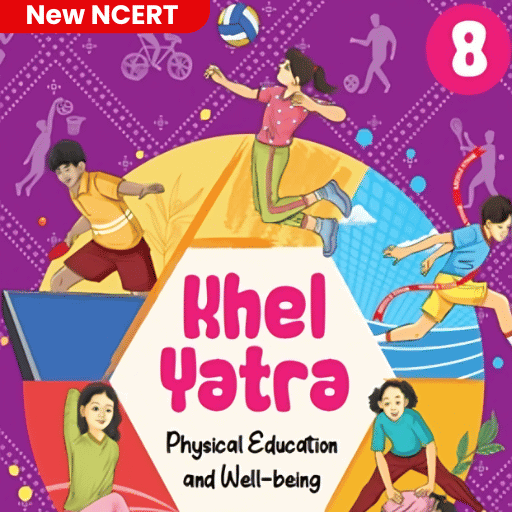
Physical Education and Well-being, commonly known as Khel Yatra, is a comprehensive course designed for Class 8 students as part of the CBSE curriculum. This program represents a holistic approach to student development, combining traditional Indian wellness practices with modern sports education. If you're a Class 8 student wondering what Khel Yatra Class 8 is all about, you're looking at a subject that goes far beyond just playing games in the school ground.
The Khel Yatra course emphasizes the importance of physical activity, fitness, and mental well-being during the crucial adolescent years. Rather than focusing solely on competitive sports, this Physical Education and Well-being Class 8 program develops well-rounded individuals through diverse physical activities, sports skills, and wellness practices including yoga. The course ensures that every student—whether naturally athletic or not—benefits from structured physical education.
Core Objectives of the Course
- Promote physical fitness and healthy lifestyle habits from an early age
- Develop fundamental motor skills and sports techniques
- Integrate traditional Indian wellness practices like yoga into modern fitness routines
- Build confidence, teamwork, and leadership qualities
- Enhance overall well-being through structured physical activities
To dive deeper into the foundational concepts, explore our detailed resource on Foundations of Physical Education and Well-being which covers the essential principles that guide this entire course.
Foundations of Physical Education and Well-being for Class 8 Students
Understanding the foundations of physical education is crucial for Class 8 students embarking on this journey. The foundational concepts establish why physical education matters in student development and how it connects to overall well-being. These foundations aren't just theoretical—they explain the "why" behind every activity you do in your PE classes.
At this stage in your academic journey, the Foundations of Physical Education Class 8 curriculum introduces you to health concepts that will serve you throughout life. You'll learn how physical activity impacts your body, mind, and social interactions. The course distinguishes between health and fitness, helping you understand that true well-being encompasses physical strength, mental clarity, and emotional stability.
Key Concepts Covered
- Defining physical education in the context of overall student development
- Understanding the relationship between physical activity and academic performance
- Exploring the benefits of regular exercise during adolescence
- Learning about different dimensions of well-being: physical, mental, and social
- Recognizing the role of discipline and consistency in fitness routines
Physical and Motor Fitness: Essential Components for Class 8
Physical fitness Class 8 students develop during this course comprises multiple components that work together to create overall fitness. Rather than thinking of fitness as a single quality, it's actually a combination of different abilities your body develops through training.
Motor fitness for Class 8 students involves developing coordination, balance, agility, and reaction time. These aren't just athletic skills—they're life skills that help you navigate your daily environment more effectively. When you improve your motor fitness, you're training your nervous system to respond more efficiently to physical challenges.
Components of Physical Fitness
| Fitness Component | What It Means | Benefits for Class 8 Students |
|---|---|---|
| Strength | Ability of muscles to exert force | Better posture, reduced injury risk |
| Endurance | Ability to sustain activity over time | Improved stamina for sports and daily activities |
| Flexibility | Range of motion in joints | Enhanced movement, fewer muscle strains |
| Speed | Ability to move quickly | Athletic performance improvement |
For comprehensive training methods and assessment techniques, check out our detailed guide on Physical and Motor Fitness which provides practical exercises and fitness activities Class 8 students can perform.
Motor Fitness Elements
- Coordination: Training your limbs to work together smoothly
- Balance: Maintaining stability during static and dynamic movements
- Agility: Quickly changing direction and position
- Reaction Time: Responding promptly to stimuli
Fundamental Skills of Athletics for Class 8 Physical Education
Athletics forms a foundational component of physical education, and learning athletics skills Class 8 students develop here provides a strong base for lifelong fitness. Athletics isn't just about running fast—it encompasses running techniques, jumping skills, and throwing abilities that develop multiple fitness components simultaneously.
The athletics fundamentals Class 8 curriculum covers track and field basics that are age-appropriate and build progressively. Whether you're interested in sprinting, middle-distance running, long jump, or shot put basics, these athletics skills Class 8 programs teach proper form and technique to prevent injuries while maximizing performance.
Key Athletics Skills Covered
- Sprinting techniques for short-distance running
- Middle-distance running strategies and pacing
- Long jump fundamentals and approach techniques
- High jump basics and proper form
- Shot put basics and throwing mechanics
Master the technical aspects of these sports by exploring our complete resource on Fundamental Skills of Sports – Athletics which breaks down each technique step-by-step.
Table Tennis Skills and Techniques for Class 8 Beginners
Table Tennis for Class 8 students represents an excellent introduction to racquet sports that develops hand-eye coordination, quick reflexes, and strategic thinking. Learning Table Tennis basics for beginners Class 8 students involves mastering fundamental strokes and understanding court positioning.
This sport is particularly valuable because it accommodates different skill levels—beginners and advanced players can play together with slight modifications. The table tennis fundamentals you learn during Class 8 include grip techniques, basic strokes, serving methods, and footwork principles.
Essential Table Tennis Techniques
- Shakehand grip: The standard Western grip used by most players
- Penhold grip: Traditional Asian grip offering different advantages
- Forehand strokes: Used for balls on your natural side
- Backhand strokes: Essential for coverage on the opposite side
- Serving techniques: Various serves to gain tactical advantage
To develop proper technique and avoid bad habits, study our comprehensive guide on Fundamental Skills of Sports – Table Tennis which provides detailed explanations of each skill.
Volleyball Fundamentals: Basic Skills for Class 8 Students
Volleyball skills Class 8 students learn emphasize teamwork, communication, and coordinated movement. Unlike individual sports, volleyball fundamentals for Class 8 require players to work as a unit, making it excellent for developing social skills alongside physical abilities.
The volleyball techniques Class 8 students master include the basic stance, passing, setting, and serving. These fundamental skills form the building blocks for understanding the game's strategy and enjoying it throughout your life. Volleyball also develops jumping ability, timing, and spatial awareness.
Core Volleyball Skills
| Skill | Purpose | Importance |
|---|---|---|
| Passing | Receiving and controlling the ball | Foundation of all plays |
| Setting | Preparing the ball for attack | Enables teammates to score |
| Serving | Starting each rally | Initiates offensive play |
| Positioning | Strategic court placement | Maximizes team defense |
Build your volleyball foundation by accessing our detailed resource on Fundamental Skills of Sports – Volleyball which covers everything from basic stance to game strategies.
Yoga for Class 8: Asanas and Benefits for Student Well-being
Yoga for Class 8 students offers a unique approach to physical education that emphasizes flexibility, breathing, and mental calm. Unlike competitive sports, yoga asanas for Class 8 students develop body awareness and inner peace while improving physical capabilities. The yoga practices integrated into your Khel Yatra curriculum connect to India's rich ancient wellness tradition.
The benefits of yoga for Class 8 students extend far beyond physical flexibility. Regular practice helps manage stress, improves concentration for studies, enhances sleep quality, and builds emotional resilience during these formative years. Yoga teaches valuable techniques that you'll benefit from throughout your life.
Age-Appropriate Yoga Asanas
- Tadasana (Mountain Pose): Builds stability and alignment awareness
- Uttanasana (Forward Bend): Stretches hamstrings and improves flexibility
- Virabhadrasana (Warrior Pose): Develops strength and balance
- Bhujangasana (Cobra Pose): Strengthens back and opens chest
- Shavasana (Corpse Pose): Promotes relaxation and mental clarity
Mental and Physical Benefits
Regular yoga practice provides numerous advantages for Class 8 students navigating academic pressures and physical development. Students who practice yoga typically show improved focus during studies, better emotional regulation, and enhanced overall health consciousness.
Discover comprehensive yoga guidance through our resource on Yoga which details asanas, breathing techniques, and wellness benefits specifically tailored for Class 8 students.
How to Improve Physical Fitness in Class 8: Tips and Exercises
Physical fitness exercises for Class 8 students should be progressive, age-appropriate, and enjoyable to sustain long-term commitment. Rather than extreme fitness regimens, Class 8 students benefit from consistent, moderate-intensity activities combined with proper nutrition and adequate rest.
Practical Fitness Tips
- Start each day with stretching to improve flexibility gradually
- Combine cardio activities like running with strength-building exercises
- Include balance and coordination drills in your routine
- Practice proper form over speed to prevent injuries
- Stay hydrated and maintain nutritious eating habits
- Get adequate sleep for recovery and growth
Free Study Resources for Class 8 Physical Education (Notes, Flashcards & Mind Maps)
Effective preparation for Class 8 Physical Education requires quality study materials that present information clearly and accessibly. Finding the best Physical Education notes for Class 8 can significantly enhance your understanding of concepts covered throughout the year.
EduRev offers comprehensive Class 8 Physical Education chapter notes that break down each topic systematically. These Class 8 PE study material resources are designed specifically for CBSE students preparing to master this subject.
Available Study Tools
Beyond traditional notes, effective learning requires multiple formats. Class 8 Physical Education flashcards provide quick-reference summaries perfect for revision sessions. These flashcard sets cover key concepts, terminology, and important facts in bite-sized format.
Visual learners particularly benefit from Class 8 Physical Education mind maps which organize information hierarchically, showing connections between different concepts. Mind maps for Class 8 PE help you see the bigger picture while understanding individual components.
Study Material Benefits
- Chapter notes provide detailed explanations of each topic
- Flashcards enable quick revision during study breaks
- Mind maps show topic relationships and organization
- Combined resources create comprehensive study coverage
Benefits of Physical Education for Class 8 Students
The benefits of Physical Education for Class 8 students extend well beyond improved athletic performance. Regular physical education participation develops multiple dimensions of student well-being that support academic success and lifelong health.
Physical Benefits
- Increased muscle strength and bone density during critical growth years
- Improved cardiovascular health and respiratory capacity
- Enhanced flexibility and better posture development
- Reduced risk of obesity and lifestyle diseases
Mental and Emotional Benefits
- Stress relief and improved emotional regulation
- Better sleep quality essential for growing adolescents
- Enhanced self-confidence and self-esteem
- Improved concentration benefiting academic performance
Social Benefits
Physical education creates opportunities for developing crucial social skills. Through team sports and group activities, Class 8 students learn cooperation, communication, and leadership—qualities essential for success in all life areas. Sports participation builds friendships and creates a sense of community within your school.
Class 8 Khel Yatra Course: Complete Chapter-wise Guide
Understanding the complete structure of your Class 8 Khel Yatra course helps you approach each chapter strategically. The course-wise guide organized by chapters ensures you don't miss any important concepts while preparing comprehensively.
Course Structure Overview
Your Class 8 Physical Education Class 8 course is organized into distinct chapters that build upon each other. Beginning with foundational concepts, the course progresses through various sports disciplines and wellness practices, culminating in integrated understanding of complete physical education.
Each chapter in the Class 8 Khel Yatra course serves specific learning objectives while connecting to other chapters. This integrated approach ensures that concepts learned in one chapter enhance understanding in subsequent chapters.
Best Physical Education Activities for Class 8 Students
The most effective Physical Education Class 8 activities combine enjoyment with skill development. When activities feel fun rather than like forced exercise, students develop positive attitudes toward lifelong fitness. Best Physical Education activities for Class 8 should challenge students appropriately while remaining achievable.
Recommended Activity Types
- Team sports that emphasize cooperation and communication
- Individual sports that develop personal discipline and goal-setting
- Traditional Indian activities including yoga and martial arts basics
- Fitness activities focusing on strength, endurance, and flexibility
- Adventure activities that build confidence and resilience
Your Class 8 Physical Education and Well-being course through Khel Yatra provides a comprehensive foundation for lifelong health and fitness habits. By engaging seriously with the material, trying your best in activities, and approaching the subject with genuine interest, you'll benefit far beyond what any marks or grades represent. These skills, values, and habits will serve you throughout your life.
Physical Education and Well-being (Khel Yatra) Class 8 CBSE Exam Pattern 2026-2027
Physical Education and Well-being (Khel Yatra) Class 8 Exam Pattern for Class 8
The exam pattern for Physical Education and Well-being (Khel Yatra) in Class 8 is designed to evaluate students' understanding of physical education concepts, practical skills, and overall well-being. Below are the key components of the exam pattern:
1. Exam Structure
- Theory Examination: This section assesses students' theoretical knowledge about physical education, sports, and health.
- Practical Examination: Students will demonstrate their skills in various physical activities and sports.
- Project Work: Students may be required to complete a project related to physical education, promoting research and application of concepts learned.
2. Weightage Distribution
- Theory: Typically accounts for 60% of the total marks.
- Practical: Usually contributes 30% of the total marks.
- Project Work: Generally represents 10% of the overall assessment.
3. Types of Questions
- Multiple Choice Questions (MCQs): These assess basic knowledge and understanding.
- Short Answer Questions: Require concise explanations of key concepts.
- Long Answer Questions: Demand detailed responses and critical thinking.
- Practical Demonstration: Evaluation of skills in sports, games, and physical activities.
4. Preparation Tips
- Regular Practice: Engage in daily physical activities to improve skills and fitness.
- Study Theory: Revise theoretical concepts and focus on important topics covered in class.
- Group Discussions: Collaborate with peers to discuss and reinforce learning.
- Seek Guidance: Don't hesitate to ask teachers for clarification on complex topics.
5. Importance of Examination
The examination serves as a tool to:
- Assess Knowledge: Evaluate students' understanding of physical education concepts.
- Encourage Participation: Motivate students to actively partake in sports and physical activities.
- Promote Well-being: Foster a lifestyle that values health and fitness among students.
By understanding the exam pattern and preparing accordingly, students can excel in Physical Education and Well-being (Khel Yatra) for Class 8.


Physical Education and Well-being (Khel Yatra) Class 8 Syllabus 2026-2027 PDF Download
Class 8 Physical Education and Well-being (Khel Yatra) Syllabus
The syllabus for Class 8 Physical Education and Well-being is designed to foster a holistic approach to physical fitness, sportsmanship, and mental well-being. The curriculum emphasizes the importance of physical activities and sports in promoting a healthy lifestyle among students.
Class 8 Foundations of Physical Education and Well-being
- Introduction to Physical Education: Importance and Objectives
- Understanding Well-being: Physical, Mental, and Social Aspects
- Role of Physical Education in Personal Development
- Health-related Fitness Components
- Nutrition and its Role in Physical Well-being
Class 8 Physical and Motor Fitness
- Assessment of Physical Fitness: Tests and Standards
- Components of Motor Fitness: Agility, Balance, Coordination, Speed, Reaction Time
- Developing a Personal Fitness Plan
- Importance of Warm-up and Cool-down Exercises
- Injury Prevention and Management in Physical Activities
Class 8 Fundamental Skills of Sports – Athletics
- Introduction to Athletics: Track and Field Events
- Running Techniques: Sprints, Middle-distance, and Long-distance
- Jumping Events: Long Jump, High Jump, Triple Jump
- Throwing Events: Shot Put, Discus, Javelin
- Rules and Regulations of Athletics Competitions
Class 8 Fundamental Skills of Sports – Table Tennis
- Introduction to Table Tennis: History and Overview
- Fundamental Skills: Grip, Stance, and Stroke Techniques
- Basic Rules and Scoring in Table Tennis
- Strategies for Singles and Doubles Play
- Importance of Practice and Skill Development
Class 8 Fundamental Skills of Sports – Volleyball
- Introduction to Volleyball: History and Basic Concepts
- Fundamental Skills: Serving, Passing, Setting, Hitting
- Basic Rules and Scoring in Volleyball
- Teamwork and Communication on the Court
- Strategies for Offense and Defense
Class 8 Yoga
- Introduction to Yoga: Philosophy and Benefits
- Basic Yoga Asanas: Postures for Flexibility and Strength
- Breathing Techniques: Pranayama for Relaxation
- Meditation Practices for Mental Well-being
- Integrating Yoga into Daily Life for Holistic Health
Conclusion
This Class 8 Physical Education and Well-being syllabus aims to equip students with essential knowledge and skills to lead a healthy and active lifestyle. By engaging in various sports and fitness activities, students will develop not only their physical abilities but also their mental resilience and social skills, aligning with the overall goals of Khel Yatra.
This course is helpful for the following exams: Class 8
How to Prepare Physical Education and Well-being (Khel Yatra) Class 8?
How to Prepare for Physical Education and Well-being (Khel Yatra) Class 8
Preparing for Physical Education and Well-being (Khel Yatra) Class 8 can be an exciting journey that promotes not only physical fitness but also mental well-being. Here are some essential tips to help students excel in this course offered by EduRev.
1. Understand the Course Objectives
Before diving into the Physical Education and Well-being (Khel Yatra) Class 8 curriculum, it's crucial to familiarize yourself with the key objectives of the course. This will help you align your preparation with the expectations.
2. Create a Study Schedule
A well-structured study schedule is vital for success. Allocate specific times each week to focus on different aspects of the Physical Education and Well-being (Khel Yatra) Class 8 syllabus, ensuring you cover all topics comprehensively.
3. Engage in Regular Physical Activities
Since the Physical Education and Well-being (Khel Yatra) Class 8 course emphasizes physical fitness, participate in various sports and exercises. This practical experience will enhance your understanding and appreciation of the subject.
4. Focus on Nutrition and Health
Well-being is not just about physical activity; it also involves proper nutrition. Educate yourself on healthy eating habits as part of your preparation for Physical Education and Well-being (Khel Yatra) Class 8.
5. Utilize Resources Wisely
Make the most of the resources provided in the Physical Education and Well-being (Khel Yatra) Class 8 course by EduRev. Use textbooks, online materials, and any supplementary resources available to deepen your understanding.
6. Participate in Group Activities
Collaborative learning is beneficial. Engage in group discussions or activities related to Physical Education and Well-being (Khel Yatra) Class 8 to enhance your learning experience and gain different perspectives.
7. Practice Mindfulness and Relaxation Techniques
Physical well-being is closely linked to mental health. Incorporate mindfulness and relaxation techniques into your routine to maintain a balanced approach as you prepare for the Physical Education and Well-being (Khel Yatra) Class 8 course.
8. Seek Feedback and Guidance
Don’t hesitate to reach out to teachers or mentors for feedback and guidance. They can provide valuable insights and support as you navigate through the Physical Education and Well-being (Khel Yatra) Class 8 syllabus.
Conclusion
In summary, preparing for Physical Education and Well-being (Khel Yatra) Class 8 involves a combination of understanding the curriculum, engaging in physical activities, focusing on nutrition, and maintaining mental wellness. With these strategies, students can thrive in their Physical Education and Well-being (Khel Yatra) Class 8 course offered by EduRev.
Importance of Physical Education and Well-being (Khel Yatra) Class 8
Importance of Physical Education and Well-being (Khel Yatra) Class 8 Course
Physical Education and Well-being play a crucial role in the holistic development of students. The Class 8 course offered by EduRev, titled "Khel Yatra," provides an exceptional platform for young learners to enhance their physical and mental health. Below are some key points that highlight the importance of this course:
1. Promotes Physical Health
Engaging in physical education helps students:
- Improve Physical Fitness: Regular activities enhance strength, endurance, and flexibility.
- Prevent Lifestyle Diseases: Active participation reduces the risk of obesity, diabetes, and heart-related issues.
2. Enhances Mental Well-being
Physical activity is linked to better mental health, offering benefits such as:
- Stress Relief: Exercise acts as a natural stress reliever, helping students cope with academic pressures.
- Improved Mood: Physical activity stimulates the release of endorphins, which promote happiness and well-being.
3. Develops Social Skills
Khel Yatra encourages teamwork and cooperation, allowing students to:
- Build Relationships: Participating in team sports fosters friendships and social connections.
- Learn Sportsmanship: Students understand the importance of fair play, respect, and empathy towards others.
4. Instills Discipline and Time Management
Through regular practice and participation, students learn:
- Goal Setting: Setting and achieving fitness goals helps instill a sense of accomplishment.
- Time Management: Balancing sports with studies teaches students to prioritize tasks effectively.
5. Encourages Lifelong Healthy Habits
The Khel Yatra course emphasizes the importance of:
- Active Lifestyle: Students are inspired to continue being active beyond school.
- Healthy Choices: Knowledge about nutrition and wellness helps students make informed choices throughout their lives.
Conclusion
The Physical Education and Well-being (Khel Yatra) Class 8 course by EduRev is not just about physical activity; it is a comprehensive program designed to nurture well-rounded individuals. By participating in this course, students can expect to enhance their physical health, mental well-being, and social skills, paving the way for a healthier and more fulfilling life.
Physical Education and Well-being (Khel Yatra) Class 8 FAQs
| 1. What are the main components of physical fitness that Class 8 students need to know for PE exams? |  |
| 2. How do I improve my flexibility and why is it important in physical education? | |
| 3. What are the different types of physical activities and games covered in Class 8 PE curriculum? | |
| 4. How can I calculate and understand my BMI as a Class 8 student? | |
| 5. What is the importance of warm-up and cool-down exercises before and after sports? | |
| 6. How does nutrition and balanced diet support physical performance in Class 8 sports? | |
| 7. What are the basic rules and techniques of popular games like badminton and volleyball? | |
| 8. How can I improve cardiovascular endurance through aerobic exercises and running? | |
| 9. What is the role of mental health and stress management in overall well-being for students? | |
| 10. What are the common sports injuries in Class 8 PE and how can students prevent them? | |
Best Physical Education and Well-being (Khel Yatra) Class 8 NCERT Solutions and Study Materials
 | View your Course Analysis |  |
 | Create your own Test | |



|
 Documents
 Tests
Tests Ratings
 | Explore Courses for Class 8 exam |  |


