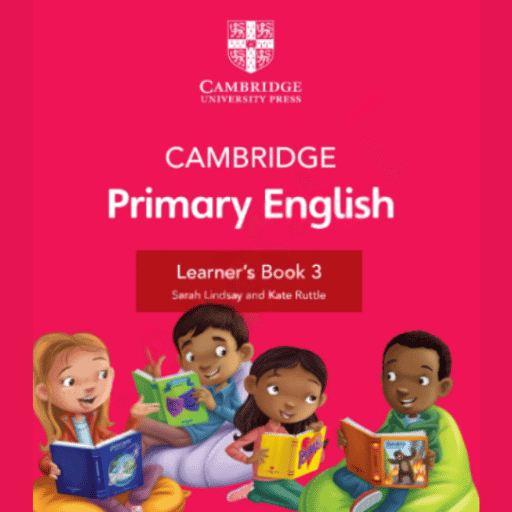
 | INFINITY COURSE Cambridge English Year 3 Worksheets, Notes & TestsKeystone Instructors · Last updated on Apr 10, 2026 |
Cambridge English Year 3 Worksheets, Notes Study Material


Trending Courses for Year 3

What is Year 3 English IGCSE Cambridge Course?
The Year 3 English IGCSE Cambridge course is a comprehensive English language programme designed for young learners who are beginning their journey in international education. This course forms the foundation of the Cambridge IGCSE framework, which is recognised globally for its rigorous yet engaging approach to language learning. For Indian students, the Year 3 English IGCSE represents an excellent opportunity to develop strong English fundamentals while being exposed to diverse literary traditions and creative expression techniques.
The Cambridge IGCSE English Year 3 curriculum focuses on building competency across multiple dimensions of language use. Students develop proficiency in reading, writing, speaking, and listening through carefully curated content that balances traditional literature study with contemporary creative writing activities. The course emphasises developing confident communicators who can express themselves clearly, analyse texts critically, and appreciate literature from various cultures.
Core Focus Areas of the Course
The Year 3 English course structure encompasses nine engaging chapters that progressively build your language skills:
- Creative storytelling and narrative writing techniques
- Poetry analysis and international literary appreciation
- Communication through letters and formal writing
- Understanding myths and legends across cultures
- Practical performance and oral expression skills
- Adventure narrative writing with descriptive techniques
- Vocabulary expansion and grammar fundamentals
This Year 3 English IGCSE Cambridge structure ensures that learners don't simply memorise grammar rules but apply them meaningfully in creative contexts. The course recognises that young learners thrive when they can connect learning to real-world applications and their own experiences.
Story Writing with Roald Dahl: Creative Writing Techniques for Year 3
One of the most exciting aspects of Year 3 English is exploring story writing with Roald Dahl's techniques. Roald Dahl was a master storyteller who captivated millions of readers worldwide with his distinctive narrative voice, imaginative characters, and unexpected plot twists. For Year 3 students, studying his work provides invaluable lessons in creative writing that can be applied to your own compositions.
Roald Dahl's creative writing techniques include building suspense, creating memorable characters with distinctive personalities, using humour effectively, and crafting surprising endings. When you examine his works, you'll notice how he begins stories with compelling hooks that immediately grab the reader's attention. His dialogue feels natural and authentic, often revealing character traits without explicit description.
Key Story Writing Techniques to Master
- Character Development: Create multidimensional characters with clear motivations and personalities that evolve throughout your narrative
- Plot Structure: Build your story with a clear beginning, middle, and end, with rising action that leads to a climactic moment
- Descriptive Language: Use vivid imagery and sensory details to immerse your reader in the story world
- Dialogue: Write authentic conversations that advance the plot and reveal character traits
- Narrative Techniques: Employ foreshadowing, flashbacks, and other literary devices to enhance your storytelling
To develop your story writing with Roald Dahl's approach, you should explore the dedicated chapter on Story Writing with Roald Dahl. This resource provides detailed analysis of his techniques and practical exercises to help you apply these strategies in your own creative compositions.
How to Write Myths and Legends in Year 3 English
Understanding how to write myths and legends is a crucial skill in the Year 3 English curriculum. These traditional narratives have shaped cultures across the world and continue to captivate readers through their archetypal characters, universal themes, and imaginative worldbuilding. Learning how to craft myths and legends helps you understand timeless storytelling patterns while developing your own narrative voice.
Myths typically explain natural phenomena or cultural origins, while legends tell stories of legendary figures with potentially historical bases. Both share common elements: heroes facing challenges, magical or supernatural elements, and lessons or morals embedded within the narrative. When learning how to write myths and legends, you're essentially mastering fundamental storytelling structures that underlie much of world literature.
Essential Elements of Myth and Legend Writing
| Element | Description | Example |
|---|---|---|
| Hero/Protagonist | A character with special qualities facing significant challenges | A warrior or explorer with exceptional courage or wisdom |
| Quest or Challenge | The central conflict driving the narrative forward | Retrieving a magical artefact or defeating a supernatural creature |
| Supernatural Elements | Magic, gods, or fantastical creatures that feel authentic to the world | Enchanted objects, divine intervention, or mythical beasts |
| Cultural Significance | Themes reflecting the values and beliefs of the originating culture | Lessons about courage, loyalty, wisdom, or human nature |
Our comprehensive chapter on Myths and Legends explores how different cultures craft these stories and guides you through the process of creating your own mythological narratives that honour traditional structures while showcasing your creativity.
Poetry Analysis and Appreciation: Poems from Around the World
Poetry is one of the most concentrated forms of human expression, and studying poetry analysis skills opens doors to understanding language at its most powerful. The Year 3 English curriculum introduces you to poems from around the world, expanding your cultural awareness while building your capacity to appreciate subtle language techniques. Poetry appreciation isn't about memorising facts; it's about developing sensitivity to how words, sounds, and imagery work together to create meaning and emotion.
When engaging in poetry analysis, you'll examine various elements including rhythm, rhyme schemes, metaphors, similes, alliteration, and other literary devices. These aren't merely technical features-they're tools that poets use to evoke specific emotions, create vivid images, and communicate complex ideas in condensed form. Understanding these techniques deepens your appreciation for poetry and improves your own writing across all genres.
Poetry Analysis Skills to Develop
- Identifying poetic devices and understanding their effects on the reader
- Analysing rhythm and metre to understand how sound contributes to meaning
- Exploring imagery and symbolism in different cultural contexts
- Understanding tone, voice, and perspective in poetry
- Making connections between poems from different traditions
Explore our detailed resource on Poems from Around the World to study poetry from diverse cultures and develop your poetry appreciation skills through guided analysis activities.
Best Letter Writing Skills for Year 3 Students
In an increasingly digital world, the formal letter writing skill remains fundamentally important and is a key component of Year 3 English IGCSE. Letters serve as bridges between people, conveying information, emotions, and intentions. Mastering letter writing skills teaches you not just formatting conventions but also how to communicate with clarity, courtesy, and appropriate tone depending on your audience and purpose.
Letter writing skills encompass several varieties: formal letters (business, complaints, applications), semi-formal letters (to acquaintances or organisations), and informal letters (to friends and family). Each requires different approaches to tone, structure, and vocabulary. For Year 3 students, the focus is typically on developing competence in formal and semi-formal correspondence, which are practical skills you'll use throughout your educational and professional journey.
Structure of Formal Letters
- Sender's Address: Your contact information placed at the top
- Date: The date you're writing the letter
- Recipient's Address: The recipient's full address
- Salutation: A formal greeting (e.g., "Dear Mr./Ms. [Name]")
- Body: The main content organised into clear paragraphs with specific purpose
- Closing: A polite conclusion (e.g., "Yours sincerely" or "Yours faithfully")
- Signature: Your handwritten signature followed by typed name
To master these communication techniques, review our chapter on Writing to Each Other, which provides detailed guidance on developing your letter writing skills with practical examples and exercises.
Creative Writing Activities: Bringing Stories Alive in Year 3
The true magic of language learning emerges when students move beyond passive comprehension to active creation. Creative writing activities form the heart of Year 3 English, and bringing stories alive through performance and written expression develops confidence, creativity, and deeper engagement with literature. These activities transform reading from a solitary activity into an interactive experience where you become both creator and performer.
Bringing stories alive encompasses various approaches: dramatic readings, character monologues, rewriting scenes from different perspectives, extending story narratives, and visualising literary worlds through descriptive writing. Each activity strengthens different aspects of your English skills simultaneously-you're reading closely to understand source material, writing creatively to extend narratives, speaking expressively to perform scenes, and listening carefully to understand how others interpret the same text.
Types of Story-Bringing Activities
- Dramatic Performance: Acting out scenes from literature with appropriate tone and expression
- Character Development: Creating extended backstories or future narratives for literary characters
- Perspective Shifting: Rewriting scenes from different characters' viewpoints
- Sensory Description: Using detailed language to recreate story settings and atmospheres
- Interactive Storytelling: Collaboratively developing stories through group participation
Our comprehensive chapter on Bringing Stories Alive offers practical activities and techniques for transforming static text into dynamic, living narratives that deepen your understanding and enjoyment of literature.
Adventure Story Writing: Tips and Techniques for Young Writers
Adventure story writing represents one of the most engaging genres for young writers because it combines action, mystery, character development, and often explores themes of courage, discovery, and personal growth. Whether your adventure is set in fantastical worlds, historical periods, or contemporary settings, the fundamental techniques of adventure narrative writing remain consistent and teachable.
Successful adventure stories maintain reader engagement through well-paced plotting that builds tension progressively. The protagonist faces escalating challenges that test their abilities and character. Environment becomes a character itself-whether it's a dense jungle, mysterious island, or bustling city. The adventure story structure typically includes clear goal-setting, obstacles that force characters to adapt and grow, and resolutions that feel earned rather than convenient.
Adventure Story Writing Framework
| Story Element | Function | Key Considerations |
|---|---|---|
| Setting | Establishes the world and atmosphere | Make it vivid and integral to the adventure |
| Protagonist | The character embarking on the adventure | Give them clear motivations and growth potential |
| Goal/Quest | The central objective driving the narrative | Make it significant and challenging |
| Obstacles | Challenges preventing easy achievement | Escalate difficulty and complexity |
| Resolution | The outcome of the adventure | Show character transformation and learning |
Develop your adventure story writing skills through our dedicated chapter on Going on an Adventure, which provides practical tips and techniques specifically designed for young writers seeking to craft compelling adventure narratives.
Free Year 3 English IGCSE Study Materials and Resources
Access to quality study materials significantly impacts your preparation journey. Free Year 3 English IGCSE resources are available through EduRev, offering comprehensive study materials designed specifically for the Cambridge curriculum. These Year 3 English study materials and resources include chapter summaries, practice exercises, vocabulary lists, and guided activities across all nine course chapters.
EduRev provides free Year 3 English practice exercises that allow you to apply learning from each chapter in practical contexts. The Year 3 English worksheets free on EduRev cover grammar fundamentals, vocabulary development, creative writing prompts, and comprehension activities. Additionally, IGCSE English PDF resources on EduRev enable structured, offline learning that accommodates various study schedules and preferences.
Learning with EduRev Resources
EduRev's Year 3 English notes PDF combine structured learning paths with flexible access. Whether you're strengthening grammar foundations, exploring creative writing techniques, or analysing poetry, comprehensive resources support your learning journey. The platform also provides best Year 3 English books recommendations alongside interactive resources to create a holistic learning experience.
Improving Reading Comprehension for IGCSE English Year 3
Reading comprehension forms the foundation of English language proficiency. Improving reading comprehension involves developing skills to understand explicit information, infer unstated meanings, identify author intent, and engage critically with diverse texts. For Year 3 students, building these reading comprehension skills early establishes strong foundations for advanced IGCSE studies.
Effective reading comprehension strategies include previewing texts to activate prior knowledge, annotating while reading to mark important points, questioning the text to deepen understanding, and reflecting on how content connects to your own experiences. These strategies transform reading from passive reception into active engagement.
Explore our resources on Let's have a Party and Wonderful World for diverse texts that strengthen your reading comprehension abilities across different genres and contexts.
Year 3 English Grammar and Vocabulary Development
Grammar and vocabulary form the scaffolding upon which all other English skills are built. Year 3 English grammar instruction focuses on building systematic understanding of sentence structure, parts of speech, tense usage, and punctuation conventions. Rather than learning isolated rules, grammar study in Year 3 is integrated with authentic writing contexts where you apply grammatical knowledge meaningfully.
Vocabulary development in Year 3 extends beyond simple word lists. You'll encounter new words within literary contexts, understand words through their roots and relationships, and practice using new vocabulary in your own writing and speaking. This contextual vocabulary learning creates deeper, more lasting retention than memorisation alone.
How to Prepare for Year 3 English IGCSE Cambridge
Preparing for Year 3 English IGCSE Cambridge requires a structured yet flexible approach that builds skills progressively. Your Year 3 English preparation should commence early, allowing time to explore each chapter thoroughly rather than rushing through material superficially. Effective Year 3 English tips for preparation emphasise consistency, active engagement, and regular practice across all skill areas.
Your IGCSE English study guide should include regular reading of diverse literary texts, consistent creative writing practice with feedback, vocabulary expansion activities, and performance opportunities for oral skills. Improve English skills Year 3 by setting specific, measurable learning goals for each chapter and tracking your progress against these objectives.
Don't overlook the Year 3 English syllabus overview-understanding the full scope helps you allocate study time appropriately across different chapters and skill areas. Cambridge English Year 3 preparation benefits from exploring the complete learning objectives, which guide your studies toward genuine proficiency rather than test-specific cramming.
Best Books and Resources for Year 3 English IGCSE
Beyond the structured curriculum, engaging with supplementary literature enriches your Year 3 English learning experience. The best books for Year 3 English IGCSE include classic children's and young adult literature that parallels curriculum content, poetry collections featuring international voices, and adventure narratives that exemplify strong storytelling techniques. Roald Dahl's works naturally feature prominently, but also explore contemporary authors who bring fresh perspectives to similar themes.
The best Year 3 English resources combine textual materials with interactive learning platforms. EduRev offers integrated resources including Laughing Allowed for exploring humour in literature, alongside comprehensive study materials that support your comprehensive Year 3 English learning journey.
Your Year 3 English IGCSE preparation is an exciting journey of linguistic and creative growth. By engaging thoroughly with curriculum materials, practising consistently across all skill areas, and seeking genuine understanding rather than surface-level knowledge, you'll develop genuine English proficiency that extends far beyond examination success. Begin today with EduRev's comprehensive Year 3 English IGCSE Cambridge resources and embark on this transformative learning experience.
Year 3 English IGCSE (Cambridge) Exam Pattern 2026-2027
Year 3 English IGCSE (Cambridge) Exam Pattern for Year 3
The Year 3 English IGCSE (Cambridge) exam pattern is designed to assess the students' proficiency in various aspects of the English language. It is essential for students to understand the structure of the exam to prepare effectively. Below, we outline the key components of the exam pattern.
1. Exam Structure
- Paper 1: Reading and Writing
- Duration: 2 hours
- Weightage: 50% of total marks
- Sections:
- Reading Comprehension
- Writing Tasks (e.g., essays, letters)
- Paper 2: Listening
- Duration: 40 minutes
- Weightage: 25% of total marks
- Focus: Understanding spoken English through various tasks.
- Paper 3: Speaking
- Duration: 10-15 minutes
- Weightage: 25% of total marks
- Format: Individual and group discussions.
2. Assessment Objectives
- Understanding and Analysis: Students must demonstrate their ability to comprehend and analyze texts.
- Writing Skills: Clear and effective communication in various writing styles is essential.
- Listening Skills: Ability to follow and understand spoken English in different contexts.
- Speaking Proficiency: Confidence and clarity in oral communication are evaluated.
3. Preparation Tips
- Practice Regularly: Regular reading and writing exercises can enhance skills.
- Mock Exams: Taking practice exams under timed conditions can improve performance.
- Group Study: Discussing topics with peers can aid understanding and retention.
- Seek Feedback: Getting feedback from teachers can help identify areas for improvement.
4. Conclusion
Understanding the Year 3 English IGCSE exam pattern is crucial for effective preparation. By familiarizing themselves with the structure and requirements, students can build confidence and improve their chances of success in the examination.


Year 3 English IGCSE (Cambridge) Syllabus 2026-2027 PDF Download
Year 3 English IGCSE (Cambridge) Syllabus Overview
The Year 3 English IGCSE curriculum is designed to immerse students in a rich tapestry of literature, creative writing, and communication skills. Throughout the year, students will explore various themes and genres, enhancing their appreciation for language and storytelling.
Year 3 Story Writing with Roald Dahl
- Introduction to Roald Dahl and his storytelling techniques.
- Exploration of character development and plot structure.
- Creative writing exercises inspired by Dahl's whimsical style.
- Sharing and critiquing stories in small groups.
Year 3 Let’s Have a Party
- Understanding the elements of a good party: planning, invitations, and themes.
- Writing invitations and thank-you notes.
- Creating party-related dialogues and role-plays.
- Collaborative project: organizing a class celebration.
Year 3 Poems from Around the World
- Introduction to poetry and its various forms.
- Reading and analyzing poems from different cultures.
- Creating original poems inspired by global themes.
- Performing poems aloud to develop confidence and expression.
Year 3 Myths and Legends
- Exploring the significance of myths and legends in different cultures.
- Identifying common themes and characters in mythological stories.
- Writing original myths and legends, incorporating moral lessons.
- Group presentations on selected myths to enhance public speaking skills.
Year 3 Writing to Each Other
- Understanding the importance of communication through letters.
- Practicing different types of letters: formal, informal, and persuasive.
- Engaging in pen-pal activities with classmates.
- Feedback sessions to improve writing clarity and expression.
Year 3 Bringing Stories Alive
- Exploring dramatic elements in storytelling.
- Creating scripts based on popular stories.
- Participating in group performances to bring stories to life.
- Reflection on the storytelling process and its impact on audience engagement.
Year 3 Going on an Adventure
- Introducing the concept of adventure in literature.
- Reading adventure stories and identifying key elements.
- Writing personal adventure stories based on real or imagined experiences.
- Illustrating adventure stories to enhance creativity.
Year 3 Wonderful World
- Exploring descriptive writing through nature and the environment.
- Encouraging observational skills and sensory details in writing.
- Creating a class anthology of nature-inspired writings.
- Discussing environmental issues through written expression.
Year 3 Laughing Allowed
- Understanding humor in literature and its importance.
- Reading funny stories and analyzing comedic techniques.
- Writing original jokes, riddles, and humorous stories.
- Performing comedic pieces to foster confidence and joy in writing.
This Year 3 English IGCSE curriculum emphasizes creativity, cultural appreciation, and communication, ensuring a well-rounded educational experience. Students will not only develop their writing skills but also gain confidence in expressing themselves through various literary forms.
This course is helpful for the following exams: Year 3
How to Prepare Year 3 English IGCSE (Cambridge)?
How to Prepare Year 3 English IGCSE (Cambridge) for Year 3?
Preparing for the Year 3 English IGCSE (Cambridge) is crucial for laying a strong foundation in English language skills. With the right approach, students can excel in their assessments and develop a love for the language. Here are key strategies to help you prepare effectively:
1. Understand the IGCSE Curriculum
Familiarize yourself with the Year 3 English IGCSE (Cambridge) curriculum. Understanding what is expected will guide your study sessions and help you focus on essential topics.
2. Develop Reading Skills
Regularly reading a variety of texts can significantly enhance comprehension skills. Encourage reading of both fiction and non-fiction to build vocabulary and understanding of different contexts.
3. Practice Writing
Writing is a critical component of the Year 3 English IGCSE (Cambridge). Practice writing essays, reports, and creative pieces. Pay attention to structure, grammar, and clarity of expression.
4. Enhance Listening Skills
Listening exercises can improve your ability to understand spoken English. Engage in activities such as listening to audiobooks, podcasts, or watching English shows to develop this skill.
5. Participate in Discussions
Engaging in discussions about various topics can help refine your speaking and critical thinking skills. Participate in group activities or find a study buddy to discuss different subjects.
6. Utilize Practice Papers
Working through past Year 3 English IGCSE (Cambridge) papers can familiarize you with the exam format. Time yourself while completing these papers to improve your time management skills.
7. Seek Feedback
Constructive feedback is essential for improvement. Share your writing and speaking exercises with teachers or peers and ask for suggestions on how to enhance your skills.
8. Manage Your Time Wisely
Create a study schedule that allocates time for each aspect of the Year 3 English IGCSE (Cambridge). Consistency is key, so ensure you dedicate regular time to study.
9. Join Study Groups
Being part of a study group can provide motivation and support. Discussing topics with peers can enhance understanding and retention of information.
10. Stay Positive and Curious
Maintain a positive mindset towards learning. Cultivating curiosity about the English language can make the preparation process enjoyable and less stressful.
By implementing these strategies, you can effectively prepare for the Year 3 English IGCSE (Cambridge) and build the skills necessary for future success. Remember, consistent practice and a proactive approach will yield the best results!
Importance of Year 3 English IGCSE (Cambridge)
Importance of Year 3 English IGCSE (Cambridge) Course for Year 3
The Year 3 English IGCSE (Cambridge) course offered by EduRev plays a crucial role in shaping the foundational skills of young learners. In this article, we will explore the significance of this course and how it benefits students in their early educational journey.
1. Development of Language Skills
The course emphasizes the development of core language skills, including:
- Reading Comprehension: Enhances the ability to understand and interpret texts.
- Writing Proficiency: Encourages clear and effective written communication.
- Speaking and Listening: Fosters verbal skills and the ability to engage in discussions.
2. Building Critical Thinking
Students are encouraged to think critically and analyze information, which includes:
- Evaluating Sources: Learning to assess the credibility of different texts.
- Formulating Opinions: Developing the ability to express and support personal viewpoints.
3. Preparing for Future Academic Challenges
The Year 3 English IGCSE course lays the groundwork for:
- Advanced Studies: Equipping students with the skills needed for higher-level English courses.
- Standardized Tests: Preparing learners for future assessments and examinations.
4. Fostering a Love for Literature
Through exposure to various literary genres, students can:
- Explore Different Cultures: Gain insights into diverse perspectives and experiences.
- Enhance Imagination: Stimulate creativity through engaging stories and characters.
5. Boosting Confidence
Completing the Year 3 English IGCSE course helps build:
- Self-Assurance: Students gain confidence in their language abilities.
- Public Speaking Skills: Opportunities to present and communicate effectively in front of peers.
Conclusion
In summary, the Year 3 English IGCSE (Cambridge) course offered by EduRev is vital for young learners. It not only enhances language skills but also fosters critical thinking, prepares students for future academic challenges, cultivates a love for literature, and boosts their confidence.
Year 3 English IGCSE (Cambridge) FAQs
| 1. How do I write a character sketch for an IGCSE Year 3 English literature character? |  |
| 2. What's the difference between direct and indirect characterisation in IGCSE English texts? | |
| 3. How do I answer extract-based questions on poetry for Year 3 IGCSE English? | |
| 4. What techniques do writers use to create suspense and tension in narrative texts? | |
| 5. How do I analyse the use of symbolism and motifs in IGCSE literature set texts? | |
| 6. What should I include in a high-scoring response to an unseen prose extract question? | |
| 7. How do I structure a comparative essay on two poetry texts for IGCSE exams? | |
| 8. What are the key differences between analysing drama and prose in Year 3 IGCSE English? | |
| 9. How do I identify and analyse the writer's tone and voice in unseen texts? | |
| 10. What common mistakes do students make when answering IGCSE English literature exam questions? | |
 | View your Course Analysis |  |
 | Create your own Test | |



|
 Documents
 Ratings
 | Explore Courses for Year 3 exam |  |


