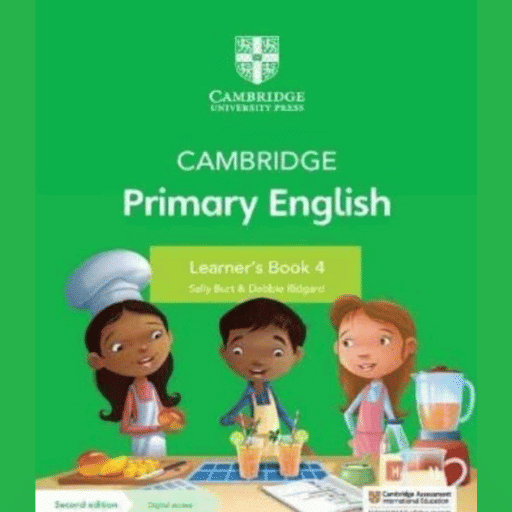
 | INFINITY COURSE Cambridge English Year 4 Worksheets, Notes & TestsKeystone Instructors · Last updated on Apr 10, 2026 |
Cambridge English Year 4 Worksheets, Notes Study Material



Trending Courses for Year 4

What is Year 4 English IGCSE (Cambridge)?
Year 4 English IGCSE Cambridge is a comprehensive English language programme designed for young learners in primary education. This qualification, offered by Cambridge Assessment International Education, forms a crucial foundation for developing essential literacy skills that students will carry throughout their academic journey. The Year 4 English IGCSE curriculum combines traditional language learning with modern pedagogical approaches, making it one of the most sought-after foundational courses for students in Indian schools following the Cambridge system.
The Cambridge IGCSE English Year 4 programme focuses on nurturing a love for language while building competence across multiple dimensions of English communication. Whether you're a parent exploring educational options or a student curious about what this course entails, understanding the structure of Year 4 English IGCSE will help you appreciate its comprehensive nature. This internationally recognized qualification prepares students to excel in reading, writing, speaking, and listening skills with confidence and creativity.
Understanding the Cambridge Framework
Cambridge IGCSE English Year 4 operates within a structured framework that aligns with international educational standards. The curriculum emphasizes text analysis, creative expression, and critical thinking. Students engage with various text types including fiction, non-fiction, and poetry, developing the ability to analyze, interpret, and respond to literature meaningfully. The programme encourages learners to develop their own voice while mastering fundamental English language conventions.
Best Study Materials for Year 4 English IGCSE Cambridge
Selecting the right study materials is crucial for success in Year 4 English IGCSE. The best resources combine structured learning with engaging content that captures students' imagination while building core competencies. EduRev provides comprehensive Year 4 English IGCSE study materials specifically designed for the Cambridge curriculum, offering an integrated approach to learning that encompasses all aspects of the course.
Core Resources You'll Need
- Textbooks and Workbooks: Cambridge-approved Year 4 English IGCSE books provide the foundation with structured lessons and practice exercises
- Online Learning Platforms: Digital resources offering interactive exercises and instant feedback
- Practice Materials: Comprehensive Year 4 English IGCSE exercises designed to reinforce learning concepts
- Teacher-Prepared Resources: Curated worksheets and guides that simplify complex concepts
The best Year 4 English IGCSE books combine visual learning, practical activities, and age-appropriate content. When selecting resources, prioritize materials that offer variety in text types and writing styles. This ensures you're building a well-rounded understanding of English language fundamentals.
How to Prepare for Cambridge IGCSE English in Year 4
Effective preparation for Year 4 Cambridge English requires a strategic approach combining regular practice, diverse reading, and intentional skill development. The foundation you build now will significantly impact your progress in higher years. Understanding how to prepare for Year 4 English IGCSE means creating a balanced study routine that addresses all key skill areas.
Building a Preparation Strategy
Start by understanding the Cambridge IGCSE English Year 4 preparation tips that experts recommend. Create a study schedule that allocates time to different skill areas: reading comprehension, creative writing, grammar, and oral communication. Most successful students dedicate 30-45 minutes daily to English study, mixing lessons with creative activities.
Key Preparation Components
| Skill Area | Daily Practice Time | Recommended Activities |
|---|---|---|
| Reading Skills Year 4 IGCSE | 15 minutes | Read diverse texts, answer comprehension questions |
| Writing Skills Cambridge English Year 4 | 15 minutes | Creative writing exercises, story writing |
| Grammar and Vocabulary | 10 minutes | Grammar exercises, vocabulary building activities |
| Speaking and Listening | 10 minutes | Read aloud, audio activities, speaking practice |
Your best way to study Year 4 English IGCSE involves engaging with the Cambridge IGCSE English curriculum Year 4 systematically. Don't just passively read-actively engage with texts by noting new vocabulary, identifying literary devices, and practicing responses to what you've learned.
Free Year 4 English IGCSE Resources and PDF Downloads
Access to quality free resources is invaluable for students preparing for Year 4 English IGCSE. EduRev provides extensive free Year 4 English IGCSE resources, including Year 4 English IGCSE notes PDF free download options that you can access anytime, anywhere. These free Cambridge IGCSE English Year 4 notes are expertly curated to match the official Cambridge curriculum.
Types of Free Resources Available
- Year 4 English IGCSE PDF downloads covering all major topics
- Sample Year 4 Cambridge English PDF documents with worked examples
- Free practice worksheets targeting specific skill areas
- Summary notes for quick revision and concept clarification
- Vocabulary lists and grammar guides
The availability of free Year 4 English practice materials means you can supplement your learning without additional costs. Many students find that combining paid comprehensive guides with free practice resources creates an optimal learning environment. Make sure you're downloading from reliable sources that align with the official Cambridge curriculum.
Story Time: Developing Reading and Comprehension Skills
Story Time forms a crucial component of Year 4 English IGCSE, emphasizing the development of reading comprehension and analytical skills through narrative engagement. This section of the curriculum introduces students to various story structures, character development, and thematic analysis. By engaging with well-crafted stories, you'll enhance your ability to understand complex texts and respond critically to literature.
Building Your Reading Comprehension
Developing strong reading skills Year 4 IGCSE requires more than just reading-it demands active engagement with text. When you encounter a story, ask yourself: What is the author trying to communicate? How do characters develop throughout the narrative? What literary techniques does the writer employ? Our detailed Story Time chapter explores these questions in depth, helping you develop sophisticated comprehension strategies.
Key Reading Techniques
- Preview the text by reading titles, summaries, and headings
- Identify the main characters and their motivations
- Track how the plot develops and what conflicts arise
- Recognize the author's writing style and tone
- Connect story events to broader themes and messages
Creative Writing and Imagination in Year 4 English
Year 4 English IGCSE places significant emphasis on nurturing creative writing skills and imaginative expression. This component encourages students to develop their unique voice while mastering writing conventions. Creative writing Year 4 Cambridge is not just about storytelling-it's about learning to express ideas with clarity, coherence, and creativity while maintaining proper grammar and structure.
Developing Your Creative Voice
Creative writing Year 4 IGCSE challenges you to move beyond simple narratives toward more sophisticated expression. Start with Unlock Your Imagination chapter, which provides frameworks for generating original ideas and developing compelling narratives. Explore your Mind Pictures to understand how visualization enhances creative expression.
Essential Writing Techniques
| Technique | Description | Example Application |
|---|---|---|
| Descriptive Writing | Using vivid language to paint mental images | Character descriptions, setting details |
| Narrative Structure | Organizing events with clear beginning, middle, end | Story writing, incident reports |
| Dialogue | Realistic conversation between characters | Character interaction, personality revelation |
| Show, Don't Tell | Demonstrating emotions through action and description | Character emotions, situation atmosphere |
Poetry Analysis: Understanding Poems to See and Hear
Poetry understanding Year 4 is an integral part of the Cambridge IGCSE English curriculum. This section develops your ability to appreciate poetic devices, rhythm, and meaning. Poetry analysis Year 4 Cambridge goes beyond simple reading-it involves understanding how poets craft language to create specific effects and convey profound meanings.
Key Elements of Poetry Study
When studying Poems to See and Hear, focus on identifying poetic devices such as metaphor, simile, alliteration, and imagery. Understanding how poets use rhythm and rhyme to create musicality is crucial. Poetry analysis requires you to consider both the literal meaning of words and their deeper significance within the poem's context.
- Identify patterns in rhythm and meter
- Recognize figurative language and its purpose
- Analyze how sound devices enhance meaning
- Consider the poet's perspective and emotions
- Explore connections between visual and auditory elements
Making The News: Non-Fiction Writing Skills for Year 4
Making The News introduces you to non-fiction writing, specifically news reporting and factual communication. Writing skills Cambridge English Year 4 expand to include how to research, organize, and present information clearly and engagingly. Making The News English Year 4 teaches you that effective communication requires accuracy, clarity, and understanding your audience.
Non-Fiction Writing Fundamentals
Our comprehensive Making The News chapter covers essential elements of factual writing. You'll learn how journalists structure news stories with compelling headlines, clear opening paragraphs that answer who, what, when, where, why, and how, and supporting details that provide context. Practice organizing information hierarchically, placing the most important details first.
Practical News Writing Techniques
- Craft attention-grabbing headlines
- Write concise opening paragraphs with key facts
- Use clear, direct language avoiding jargon
- Source and verify information accurately
- Maintain objective, balanced perspective
Performance and Drama Skills in Cambridge English
Performance skills English IGCSE represents a vital component often overlooked by students focusing solely on written work. Drama and performance Year 4 develops confidence in oral communication, character interpretation, and expressive delivery. These skills are essential for becoming a well-rounded communicator in any context.
Developing Performance Confidence
Explore our Let's Perform chapter to understand how to approach dramatic interpretation and performance. Whether reading scripts aloud, performing monologues, or participating in group performances, developing stage presence and vocal clarity is crucial. Additionally, consider ethical dilemmas through What would You do? to enhance your understanding of character motivation and moral complexity.
Key Learning Objectives for Year 4 English IGCSE
Understanding Cambridge IGCSE English curriculum Year 4 clearly requires familiarity with specific learning objectives. These goals shape what you'll study, how you'll be assessed, and what skills you'll develop. The Year 4 English IGCSE curriculum is designed to develop critical thinking and text analysis, expand vocabulary and usage, strengthen grammar and sentence structure, enhance persuasive and descriptive writing, and foster oral communication and presentation abilities.
Core Competencies You'll Develop
- Critical Thinking: Analyzing texts from multiple perspectives and interpreting complex meanings
- Communication: Expressing ideas clearly and effectively across various formats
- Creativity: Generating original ideas and expressing them with imagination
- Collaboration: Working effectively with peers in group activities and discussions
- Technical Skills: Mastering grammar, punctuation, and spelling conventions
Best Practice Exercises for Year 4 Cambridge English
Year 4 English IGCSE practice is essential for converting learning into proficiency. Best practice exercises Year 4 English provide targeted opportunities to apply concepts in realistic scenarios. Consistent practice builds confidence and fluency, transforming theoretical knowledge into practical skill. Year 4 Cambridge English worksheets and free Year 4 English practice materials offered on EduRev provide systematic opportunities for skill development across all curriculum areas.
Creating Your Practice Routine
Effective Year 4 English IGCSE exercises PDF materials combine variety, appropriate challenge levels, and immediate feedback mechanisms. Allocate specific time for each skill area, mixing guided exercises with independent practice. Start with structured worksheets that scaffold learning, then progress toward open-ended challenges requiring greater independence and creativity.
Tips for Improving English Language Skills in Year 4
Improving your English language skills Year 4 extends beyond classroom learning. Develop habits that immerse you in English: read extensively across different genres, listen to English audiobooks and podcasts, write regularly in journals or online platforms, and engage in conversations with peers and teachers. Building strong reading skills Year 4 IGCSE through diverse materials-from fantasy novels to news articles to poetry collections-creates a rich foundation for advanced learning. Strengthen writing skills Cambridge English Year 4 by writing frequently without self-judgment initially, then revising with critical attention to clarity and impact.
Practical Daily Habits
- Read for 15-20 minutes daily, choosing varied texts
- Practice writing short pieces: journal entries, stories, descriptions
- Learn 5-10 new vocabulary words weekly with context
- Listen to English podcasts or audiobooks during travel
- Engage in speaking practice through discussions and presentations
- Review grammar concepts through targeted exercises
- Keep a reading journal noting favorite passages and insights
Remember that Food for Thought encourages deeper reflection on your learning journey. Take time to consider what you've learned, how you've grown, and what challenges remain. This metacognitive practice strengthens your overall English language skills Year 4 development and builds independent learning capacity that will serve you throughout your academic career.
Your Year 4 English IGCSE Cambridge journey is an exciting opportunity to build foundational skills while discovering the joy of language learning. By engaging consistently with quality resources, practicing strategically, and embracing both challenges and creative expression, you'll develop the competence and confidence needed for academic success and lifelong communication skills.
Year 4 English IGCSE (Cambridge) Exam Pattern 2026-2027
Year 4 English IGCSE (Cambridge) Exam Pattern for Year 4
The Year 4 English IGCSE exam is designed to assess students' proficiency in English language and literature. This exam pattern provides a comprehensive overview of the structure and components of the examination.
1. Exam Structure
- Components: The exam typically consists of two main components:
- Paper 1: Reading and Writing
- Paper 2: Literature
- Duration: Each paper is usually 2 hours long.
- Marks Allocation: The papers are graded on a total of 100 marks.
2. Paper 1: Reading and Writing
- Sections:
- Reading Comprehension: Students read various texts and answer questions to demonstrate understanding.
- Writing Tasks: This section requires students to produce different forms of writing, such as essays, letters, and articles.
- Skills Assessed:
- Understanding of texts
- Writing clarity and coherence
- Grammar and vocabulary usage
3. Paper 2: Literature
- Content: This paper focuses on the analysis of literary texts, including poetry, prose, and drama.
- Key Tasks:
- Analysis of themes, characters, and stylistic devices
- Personal responses and interpretations
- Skills Assessed:
- Critical thinking
- Literary analysis
- Ability to articulate ideas effectively
4. Assessment Criteria
- Performance Bands: Students are graded on a scale that reflects their performance level, ranging from A* to U.
- Key Areas of Focus:
- Fluency and coherence in writing
- Understanding of literary texts
- Accuracy in grammar and syntax
5. Preparation Tips
- Practice Regularly: Engage in regular reading and writing exercises to strengthen skills.
- Familiarize with Texts: Read a variety of literary works to enhance understanding and analysis capabilities.
- Mock Exams: Attempt past papers to get accustomed to the exam format and timing.
With a clear understanding of the Year 4 English IGCSE exam pattern, students can prepare effectively and approach their exams with confidence.
This HTML content provides a detailed overview of the Year 4 English IGCSE exam pattern, highlighting the structure, components, and assessment criteria while maintaining an appealing visual format.


Year 4 English IGCSE (Cambridge) Syllabus 2026-2027 PDF Download
Year 4 English IGCSE (Cambridge)
- Overview: The Year 4 English IGCSE (Cambridge) syllabus is designed to enhance students' language skills through various engaging modules, encouraging creativity, critical thinking, and effective communication.
Year 4 Story Time
- Objectives: Develop storytelling skills, enhance vocabulary, and improve listening comprehension.
- Activities:
- Reading diverse stories
- Creating original stories
- Story retelling sessions
- Assessment: Participation in storytelling sessions and creative writing assignments.
Year 4 Exploring Earth
- Objectives: Foster an understanding of environmental issues and geography through reading and writing.
- Activities:
- Research projects on different ecosystems
- Writing descriptive essays about natural phenomena
- Class discussions on environmental conservation
- Assessment: Project presentations and written reports.
Year 4 Mind Pictures
- Objectives: Enhance visualization skills and creative writing abilities.
- Activities:
- Descriptive writing exercises
- Using imagery in poetry and stories
- Art integration through visual storytelling
- Assessment: Submission of creative writing pieces and visual arts projects.
Year 4 Unlock Your Imagination
- Objectives: Encourage creativity and independent thinking through imaginative tasks.
- Activities:
- Writing prompts to spark creativity
- Character development workshops
- Group brainstorming sessions for story ideas
- Assessment: Evaluation of imaginative writing and collaborative projects.
Year 4 Making The News
- Objectives: Introduce students to journalism and the structure of news writing.
- Activities:
- Writing news articles on current events
- Interviewing peers and community members
- Creating a class newsletter
- Assessment: Quality of news articles and newsletter contributions.
Year 4 Let's Perform
- Objectives: Build confidence and public speaking skills through performance arts.
- Activities:
- Drama workshops
- Group performances of plays or poetry
- Monologue presentations
- Assessment: Performance evaluations and peer feedback.
Year 4 What Would You Do?
- Objectives: Develop critical thinking and ethical reasoning through hypothetical scenarios.
- Activities:
- Role-playing different situations
- Class debates on moral dilemmas
- Writing reflective essays on personal values
- Assessment: Participation in debates and quality of reflective writing.
Year 4 Food for Thought
- Objectives: Explore the connections between food, culture, and language.
- Activities:
- Writing recipes and food reviews
- Researching cultural dishes
- Class discussions on nutrition and health
- Assessment: Recipe submissions and class presentations.
Year 4 Poems to See and Hear
- Objectives: Appreciate poetry through reading, writing, and performance.
- Activities:
- Analyzing different poetic forms
- Writing original poems
- Poetry recitation events
- Assessment: Quality of original poetry and performance skills.
Conclusion:
- This Year 4 English IGCSE (Cambridge) syllabus aims to create a well-rounded language education experience, fostering creativity, critical thinking, and effective communication through engaging modules.
This course is helpful for the following exams: Year 4
How to Prepare Year 4 English IGCSE (Cambridge)?
How to Prepare Year 4 English IGCSE (Cambridge) for Year 4?
Preparing for Year 4 English IGCSE (Cambridge) is an essential step in ensuring that students are equipped with the necessary skills and knowledge to excel in their examinations. Below are some effective strategies and tips to help students successfully prepare for their Year 4 English IGCSE (Cambridge) course offered by EduRev.
1. Understand the Syllabus
Familiarize yourself with the Year 4 English IGCSE (Cambridge) syllabus. Knowing the key topics and areas of focus will help you prioritize your study sessions and ensure that you cover all necessary content.
2. Develop a Study Schedule
Create a structured study plan that allocates time to each subject area within the Year 4 English IGCSE (Cambridge) curriculum. This will help you balance your workload and avoid last-minute cramming.
3. Utilize EduRev Resources
Make the most of the resources provided by EduRev for the Year 4 English IGCSE (Cambridge) course. These resources may include study guides, practice papers, and interactive quizzes that enhance your learning experience.
4. Practice Writing Skills
Focus on improving your writing skills, as this is a significant component of the Year 4 English IGCSE (Cambridge) assessment. Practice different types of writing, such as essays, reports, and creative pieces, to build your confidence and proficiency.
5. Enhance Reading Comprehension
Reading comprehension is vital for success in the Year 4 English IGCSE (Cambridge) exam. Engage with a variety of texts—fiction, non-fiction, poetry—to develop your understanding and analytical skills.
6. Join Study Groups
Collaborating with peers in study groups can be beneficial. Discussing topics covered in the Year 4 English IGCSE (Cambridge) course can provide new insights and reinforce your understanding of complex concepts.
7. Take Practice Tests
Regularly taking practice tests will familiarize you with the exam format and types of questions you may encounter in the Year 4 English IGCSE (Cambridge) examination. This practice will also help you manage your time effectively during the actual exam.
8. Seek Feedback
Don’t hesitate to seek feedback on your writing and comprehension skills from teachers or tutors who are familiar with the Year 4 English IGCSE (Cambridge) curriculum. Constructive criticism can significantly improve your performance.
9. Stay Motivated
Maintaining motivation is crucial during your preparation for the Year 4 English IGCSE (Cambridge) course. Set achievable goals and reward yourself for meeting them to keep your spirits high.
Conclusion
Preparing for the Year 4 English IGCSE (Cambridge) offered by EduRev requires dedication, strategic planning, and the utilization of available resources. By following these tips, students can enhance their skills and confidence, leading to a successful performance in their examinations.
By incorporating these strategies, students will be well-prepared to tackle the challenges of the Year 4 English IGCSE (Cambridge) course and achieve their academic goals.
Importance of Year 4 English IGCSE (Cambridge)
Importance of Year 4 English IGCSE (Cambridge) Course for Year 4
The Year 4 English IGCSE (Cambridge) course offered by EduRev plays a crucial role in the academic development of students. This course is designed to build a strong foundation in English language skills, which are essential for both academic success and effective communication.
Key Benefits of the Course
- Enhanced Language Skills: The course focuses on improving reading, writing, speaking, and listening skills, enabling students to articulate their thoughts clearly and confidently.
- Critical Thinking Development: Engaging with diverse texts helps students develop critical thinking abilities, allowing them to analyze information and form well-reasoned arguments.
- Comprehensive Curriculum: The curriculum covers a wide range of topics, ensuring that students gain exposure to various genres and styles of writing, from fiction to non-fiction.
- Preparation for Future Studies: The skills acquired in this course lay the groundwork for higher-level English studies, making the transition to IGCSE and beyond smoother.
- Boosting Confidence: By participating in discussions and presentations, students build confidence in their speaking and interpersonal skills, which are vital for their overall development.
Why Choose EduRev for Year 4 English IGCSE?
EduRev's Year 4 English IGCSE course is not only comprehensive but also tailored to meet the specific needs of young learners. The interactive platform encourages students to explore and engage with the material, making learning enjoyable and effective.
Conclusion
In conclusion, the Year 4 English IGCSE (Cambridge) course from EduRev is an essential stepping stone for students. It equips them with the necessary skills to excel in academics and prepares them for future challenges in their educational journey.
This structure provides a clear and organized overview of the importance of the Year 4 English IGCSE course while ensuring it remains visually appealing and easy to follow.
Year 4 English IGCSE (Cambridge) FAQs
| 1. How do I write a character sketch for Year 4 IGCSE English? |  |
| 2. What's the difference between direct and indirect speech in IGCSE Year 4 English? | |
| 3. How do I identify the main theme in a short story for Year 4 exams? | |
| 4. What techniques do authors use to create suspense in narratives? | |
| 5. How should I approach an unseen poetry extract question in Year 4 IGCSE? | |
| 6. What makes a strong opening paragraph in an IGCSE English essay? | |
| 7. How do I write a convincing persuasive letter for Year 4 English assessments? | |
| 8. What's the difference between narrative point of view and how does it affect reader understanding? | |
| 9. How do I compare two characters effectively in IGCSE English structured questions? | |
| 10. What strategies help me improve my vocabulary for Year 4 English writing tasks? | |
 | View your Course Analysis |  |
 | Create your own Test | |



|
 Documents
 Ratings
 | Explore Courses for Year 4 exam |  |


