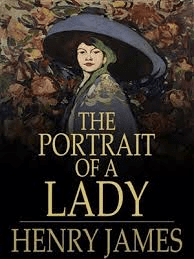
 | INFINITY COURSE The Portrait of a Lady Summary – themes & charactersBook Nerd · Last updated on Apr 14, 2026 |
The Portrait of a Lady Summary Study Material


Trending Courses for Novels

The Portrait of a Lady: Complete Summary and Plot Overview
Henry James's The Portrait of a Lady stands as one of the most celebrated works of American literature, first published in 1881. This masterpiece of literary realism has captivated readers for over a century with its intricate psychological portraiture and exploration of freedom, choice, and personal destiny. If you're appearing for examinations or studying novels at the undergraduate level in India, understanding this work's plot and themes is absolutely essential.
The narrative follows the journey of Isabel Archer, a young American woman who arrives in Europe with dreams of independence and self-determination. What unfolds is a complex tale of ambition, manipulation, and the consequences of choice. The Portrait of a Lady novel begins when Isabel's aunt, Mrs. Touchett, brings her to England, setting her on a collision course with wealth, romance, and ultimately, betrayal.
The story progresses through Isabel's encounters with several suitors, including the English nobleman Lord Warburton and American industrialist Caspar Goodwood, both of whom she rejects in pursuit of her independence. When Ralph Touchett-Isabel's cousin and the novel's moral compass-arranges for his dying father to leave Isabel a substantial fortune, he inadvertently sets in motion the tragic events that define the rest of her life. This pivotal moment in The Portrait of a Lady plot summary transforms Isabel from a dependent young woman into an heiress with seemingly unlimited possibilities.
Under the influence of Madame Merle, a seemingly sophisticated American expatriate, Isabel gradually falls in love with Gilbert Osmond, a mysterious and cultured widower living in Rome. Their marriage marks the novel's turning point. What Isabel discovers too late is that Osmond married her purely for her wealth, and that Madame Merle-her trusted friend-was his former lover and manipulated the entire situation. For a deeper understanding of these crucial plot points, explore our detailed summary of The Portrait of a Lady.
The remainder of the novel deals with Isabel's struggle within an oppressive marriage, her growing awareness of Osmond's cruelty and control, and the revelation of family secrets. When Ralph falls critically ill, Isabel rushes back to England to be with him, only to return to Rome by the novel's ambiguous conclusion-a decision that continues to spark debate among literary scholars.
detailed summary of The Portrait of a Lady
Understanding Isabel Archer: Main Character Analysis
At the heart of The Portrait of a Lady lies Isabel Archer, one of literature's most compelling protagonists. Her character represents the quintessential American spirit of independence colliding with European sophistication and social convention. As the main character in Henry James's novel, Isabel embodies both the potential and peril of unchecked freedom.
Isabel's defining characteristic is her fierce determination to remain independent and to shape her own destiny. Initially, she refuses advantageous marriages not out of heartlessness, but from a genuine desire to live life on her own terms. Her character analysis reveals a woman caught between two worlds-American idealism and European realism-and she ultimately falls victim to her own naivety and the manipulation of those around her.
The evolution of Isabel's character throughout the novel is particularly noteworthy for students studying literature. She begins as an optimistic young woman full of intellectual curiosity and moral conviction. However, her experiences-particularly her marriage to Osmond-force her to confront harsh truths about human nature, love, and agency. Isabel Archer quotes scattered throughout the novel reveal her internal struggles, such as her famous assertion that "I'm not afraid of my own mind."
- Isabel's rejection of marriage proposals demonstrates her commitment to independence
- Her attraction to Osmond reveals her vulnerability to romantic illusion
- Her discovery of betrayal shows the cost of trusting too readily
- Her ambiguous ending suggests both resignation and quiet strength
What makes Isabel particularly fascinating is that she is neither villain nor helpless victim. She possesses agency even within her constraints, making choices that are simultaneously understandable and tragic. To explore Isabel's character development in detail, consult our comprehensive character analysis of The Portrait of a Lady.
character analysis of The Portrait of a Lady
Major Themes in The Portrait of a Lady
The Portrait of a Lady themes explore fundamental questions about human existence, choice, and consequence. James crafted a novel that operates on multiple levels, making it endlessly rewarding for literary analysis. The central themes in The Portrait of a Lady remain remarkably relevant to contemporary readers and examination candidates alike.
The most prominent theme is freedom and independence in The Portrait of a Lady. Isabel's journey demonstrates the double-edged nature of freedom-while she cherishes her autonomy, her independence makes her vulnerable to manipulation by those with clearer intentions. The novel asks whether true freedom exists in a society bound by conventions and expectations.
The marriage theme in The Portrait of a Lady presents matrimony not as romantic fulfillment but as a potential trap. Isabel's marriage to Osmond becomes a prison of her own choosing, raising questions about women's agency within social institutions. The novel explores how marriage can become an instrument of control and manipulation, particularly for women who lack legal and financial independence.
Another critical theme involves feminism in The Portrait of a Lady. James presents a nuanced examination of women's roles and limitations in the nineteenth century. Isabel's struggle for autonomy, her intellectual aspirations, and her ultimate confinement speak to broader questions about women's place in society. Many scholars view the novel as an early exploration of feminist consciousness.
Betrayal in The Portrait of a Lady operates as both plot mechanism and thematic concern. The revelations about Madame Merle and Osmond's relationship, combined with the discovery that Pansy is actually Merle's daughter, create layers of deception. These betrayals underscore the theme that appearances can be profoundly deceiving in European society.
The novel also engages with the "international theme" central to James's work-the American innocence vs. European experience dichotomy. Isabel's American optimism and straightforwardness place her at a disadvantage against the calculating sophistication of European expatriates like Osmond and Madame Merle.
Additional important themes include:
- The consequences of choice and free will-Isabel's decisions, while freely made, lead to suffering
- Wealth and its corrupting influence-her inheritance becomes both blessing and curse
- Self-knowledge and personal growth-through experience, Isabel gains wisdom
- Duty and moral responsibility-particularly toward Pansy by the novel's end
For an exhaustive exploration of how these themes interconnect and develop, our comprehensive themes guide for The Portrait of a Lady provides detailed analysis suitable for examination preparation.
comprehensive themes guide for The Portrait of a Lady
Key Characters in The Portrait of a Lady by Henry James
Beyond Isabel Archer, The Portrait of a Lady main characters create a rich tapestry of personalities that propel the narrative forward. Understanding each character's motivations and relationships is crucial for literary analysis and examination success.
Gilbert Osmond represents the charming manipulator. Initially presented as a cultured gentleman with refined aesthetic taste, he is revealed as a man motivated purely by financial self-interest. His treatment of both Isabel and his daughter Pansy demonstrates his capacity for cruelty disguised as civility.
Ralph Touchett emerges as the novel's most morally upright character. Though weakened by tuberculosis, Ralph possesses keen insight into others' characters. His orchestration of Isabel's inheritance, though well-intentioned, inadvertently facilitates her downfall. His unrequited love for Isabel adds poignancy to their relationship.
Madame Merle, whose full name is Madame Serena Merle, functions as both friend and antagonist. She represents the sophisticated expatriate who has learned to navigate European society through calculated relationships and strategic marriages. Her friendship with Isabel masks her self-serving agenda.
Pansy Osmond, Gilbert's daughter (though actually the daughter of Madame Merle), becomes a mirror to Isabel's situation. As a young woman groomed for an advantageous marriage, Pansy faces the same constraints that Isabel struggles against, though with less capacity for resistance.
| Character | Role | Key Characteristic |
|---|---|---|
| Lord Warburton | Suitor to Isabel | English nobleman, genuinely caring but represents conventional life |
| Caspar Goodwood | Persistent Admirer | American industrialist, passionate but represents predictability |
| Henrietta Stackpole | Friend and Journalist | American idealist, provides comic relief and moral compass |
| Mrs. Touchett | Isabel's Aunt | Cold, pragmatic, represents conventional respectability |
Each of these The Portrait of a Lady characters contributes to the novel's exploration of freedom, choice, and social constraint. For detailed analysis of each character's development and significance, visit our complete characters guide for The Portrait of a Lady.
complete characters guide for The Portrait of a Lady
The Portrait of a Lady Chapter-Wise Summary
Navigating The Portrait of a Lady book summary chapter by chapter helps readers grasp the novel's complex structure and thematic development. James organized the work into 55 chapters spread across two volumes in the original publication, making chapter-by-chapter understanding valuable for study.
The novel's early chapters establish Isabel's character and introduce the cast of supporting figures. Chapters 1-6 present Isabel's arrival in Europe and her initial encounters with Lord Warburton, establishing the tension between her desire for independence and the marriage market's expectations. The early Portrait of a Lady chapter summary emphasizes Isabel's intellectual awakening and her determination to refuse advantageous matches.
The middle section, encompassing chapters 19-35, chronicles Isabel's relationship with Madame Merle and her growing attraction to Gilbert Osmond. These chapters are crucial for understanding how manipulation operates beneath polite society's veneer. The transition from Isabel's hopeful independence to her entanglement with Osmond represents the novel's moral center.
The final chapters (36-55) focus on Isabel's awakening to her marriage's true nature and her response to Ralph's illness. These concluding chapters contain what happens in The Portrait of a Lady's most emotionally resonant and philosophically significant moments, as Isabel must reconcile her ideals with harsh reality.
Breaking down the narrative into these major sections helps readers appreciate James's careful pacing and psychological development. For section-specific analysis, our complete chapter-wise summary resource provides detailed breakdowns ideal for examination preparation.
complete chapter-wise summary resource
Freedom and Independence: Central Themes Explored
The question of freedom and independence in The Portrait of a Lady forms the novel's philosophical foundation. James uses Isabel's journey to examine what genuine freedom means and whether it can exist within social constraints.
Isabel's famous declaration that she wants "not to do anything in particular" but "to see for myself" establishes her philosophical stance. She refuses traditional marriage not out of coldness but from conviction that marriage would compromise her autonomy. However, the novel demonstrates that rejecting external constraints doesn't guarantee freedom-Isabel's choices stem from her own psychology and desires.
The critical irony is that Isabel's greatest desire for independence makes her vulnerable to manipulation. Her wealth-which should enhance her freedom-instead becomes Osmond's tool for trapping her. In marrying him believing she exercises free choice, Isabel discovers that apparent freedom masks deeper dependencies and illusions.
James explores whether independence is possible for women within nineteenth-century society. The various fates of the female characters-Isabel's entrapment, Henrietta's continued independence as a journalist, Pansy's resigned acceptance-suggest that true independence requires either rejecting conventional femininity (like Henrietta) or accepting significant social costs. Isabel's tragedy lies in her attempt to maintain both independence and feminine respectability.
The novel's ambiguous ending-Isabel's return to Rome despite the possibility of escape-raises final questions about freedom. Does she return from duty, love, weakness, or some combination? Does returning represent defeat or a mature choice? These questions continue to generate scholarly debate and provide rich material for examination answers.
Explore deeper analysis of this central theme through our detailed literary analysis of The Portrait of a Lady.
detailed literary analysis of The Portrait of a Lady
Gilbert Osmond and Isabel Archer: Relationship Analysis
The relationship between Gilbert Osmond and Isabel Archer represents one of literature's most compelling examinations of romantic illusion and manipulation. Understanding their dynamic is essential for comprehending the novel's tragic arc and its commentary on love and marriage.
When Isabel meets Osmond, she interprets his detachment and aesthetic refinement as signs of depth and seriousness. She mistakes his indifference for superiority and his isolation for principled withdrawal from vulgar society. What James reveals through careful psychological portraiture is that Osmond is fundamentally selfish-his apparent principles mask profound emptiness and calculating self-interest.
The asymmetry in their relationship becomes painfully apparent after marriage. Isabel married Osmond believing she had chosen freely, that she was making an independent decision based on genuine feeling. Osmond, conversely, married Isabel for her money and the social position her American fortune provided. This fundamental difference in motivation creates the marriage's inherent tragedy.
Osmond's attempts to mold Isabel-to make her conform to his aesthetic and social vision-represent the novel's exploration of marriage as institutional control. He attempts to restrict her friendships, manage her social interactions, and suppress her intellectual independence. His cruelty is refined, expressed through subtle disapproval and social manipulation rather than overt violence, making it arguably more insidious.
| Aspect | Isabel's Perspective | Osmond's Perspective |
|---|---|---|
| Marriage Purpose | Union of souls, shared intellectual growth | Financial security and social advancement |
| Freedom | Values her independence and autonomy | Seeks to control and dominate |
| Pansy | Sympathizes with her constraints | Uses her as marital pawn |
| Madame Merle | Discovers her as deceiver | Maintains hidden intimate relationship |
Isabel's gradual awakening to Osmond's true character and their marriage's emptiness forms the novel's emotional core. By the conclusion, she has learned that love doesn't guarantee compatibility and that choice, even freely made, can lead to suffering. For comprehensive analysis of this relationship, consult our detailed analysis section on The Portrait of a Lady.
detailed analysis section on The Portrait of a Lady
Important Quotes from The Portrait of a Lady and Their Meaning
The Portrait of a Lady quotes provide windows into the novel's philosophical concerns and character development. Important quotes from The Portrait of a Lady resonate with readers because they articulate universal human experiences of choice, regret, and growth.
One of the most famous passages occurs when Isabel declares her determination to maintain independence: "I don't know how to explain it. It's on my conscience that I ought to marry you or somebody." This quote reveals Isabel's conflict between social expectations and personal desire, showing her consciousness of conventional obligation even as she resists it.
Osmond's true nature emerges in his critique of Isabel's friendship with Henrietta, when he speaks dismissively of her American independence. His famous quotes about proper feminine behavior reveal his controlling nature disguised as aesthetic judgment. What he calls taste is actually tyranny.
Ralph's dying words carry profound significance: his assertion that he "wanted to see what you would do" captures his role as observer and the novel's larger preoccupation with human behavior under freedom. Ralph's famous quotes often express wisdom about others' characters, though he remains somewhat powerless to prevent tragedy.
Madame Merle's declaration, "I'm not in the least an adventuress; there's nothing melodramatic in my life," ironically precedes her role as architect of Isabel's tragedy. This quote exemplifies how characters in the novel deceive themselves and others through language.
- "A woman ought to be able to live to herself, in the absence of exceptional circumstances" - Isabel on independence
- "I'm afraid I'm not distinguished. I feel as if I were nobody in particular" - Isabel's moment of self-doubt
- "He expressed it with a breadth that left nothing to be said" - of Osmond's refined cruelty
- "She had been a free woman but she was not now" - the novel's tragic observation
For extended quotation analysis and context, explore our comprehensive guide to The Portrait of a Lady quotes.
comprehensive guide to The Portrait of a Lady quotes
Symbolism and Literary Analysis in The Portrait of a Lady
The Portrait of a Lady literary analysis reveals the novel's rich symbolic dimensions. James employs concrete images and objects to represent abstract psychological and moral concepts, creating layers of meaning for readers and examination candidates to explore.
The portrait itself-mentioned in the novel though never directly described-functions as a central symbol. It represents Isabel as an aesthetic object to be observed and judged rather than as an autonomous subject. The title's ambiguity mirrors the novel's central question: who paints this portrait, and who controls the artistic vision? Is it Isabel herself, or those who manipulate her?
Rome functions as a symbolic setting representing both cultural sophistication and moral decay. The city's history, beauty, and decay mirror Isabel's experience-initially attracted to its aesthetic richness, she gradually recognizes the corruption beneath the surface. The Portrait of a Lady critical analysis often notes how geographical setting reinforces theme.
Gardens and natural settings provide contrasting symbolism. The English garden represents freedom and growth, while the enclosed Roman drawing room symbolizes constraint and control. Isabel's movement from England's open landscapes to Rome's interior spaces tracks her loss of autonomy.
Money functions as a complex symbol. Isabel's inheritance represents both liberation and entrapment. The wealth that should enable her independence becomes the instrument of her subjugation, suggesting that material advantage cannot guarantee freedom without wisdom and self-knowledge.
Henry James's writing style in The Portrait of a Lady employs psychological realism to unprecedented depths. His narrative technique moves between external events and internal consciousness, allowing readers to understand characters' motivations and self-deceptions. The free indirect discourse-where the narrator blends with characters' perspectives-creates intimacy while maintaining ironic distance. This stylistic innovation contributed significantly to the novel's literary importance.
For deeper symbolic and stylistic analysis, consult our complete literary analysis resource for The Portrait of a Lady.
complete literary analysis resource for The Portrait of a Lady
The Portrait of a Lady: Ending Explained
The Portrait of a Lady ending explained remains one of literature's most debated conclusions. How does The Portrait of a Lady end is a question that generates multiple interpretations, making it fertile ground for examination discussions and literary debate.
The novel's final chapter presents Isabel at a crossroads. After Ralph's death and Caspar Goodwood's passionate plea for her to leave Osmond, Isabel seemingly has the opportunity to escape her marriage and start anew. Yet she returns to Rome, to her unhappy marriage with Osmond and her responsibility to Pansy.
This ambiguous conclusion resists simple interpretation. Some scholars view Isabel's return as defeat-a woman broken by experience, retreating into duty because she lacks courage for independence. Others interpret it as mature choice-a recognition that life involves responsibilities beyond personal happiness, that love for Pansy justifies remaining.
The ending's emotional power comes partly from its refusal to resolve the novel's central tensions. Isabel wanted freedom and independence, yet her choices have led to constraint. She wanted to shape her own destiny, yet others' designs nearly destroyed her. The conclusion suggests that life doesn't provide neat resolution to such conflicts.
Why does Isabel return to Osmond remains the central question. Possible answers include:
- Duty to Pansy, whose wellbeing depends on family stability
- Recognition that escape involves greater costs than endurance
- Belief that abandoning Osmond validates his cruelty and Madame Merle's manipulation
- Internalized sense of failure and moral judgment
- Lingering attachment despite disillusionment
The revised 1908 edition modified some passages, though the conclusion's fundamental ambiguity remains. This openness to interpretation makes the ending particularly valuable for examination analysis, as it rewards careful textual analysis and critical thinking. To explore competing interpretations, visit our detailed analysis explaining The Portrait of a Lady ending.
detailed analysis explaining The Portrait of a Lady ending
Ralph Touchett, Madame Merle, and Other Supporting Characters
While Isabel dominates the narrative, The Portrait of a Lady supporting characters prove equally crucial to the novel's thematic richness. Ralph Touchett, Madame Merle, and other supporting characters create the social world that both constrains and enables Isabel's choices.
Ralph Touchett represents intellectual and moral sensitivity combined with physical weakness. His tuberculosis mirrors his spiritual condition-he lacks the physical vitality to act decisively in the world. Yet his intelligence penetrates others' illusions. Ralph's role as benefactor is deeply complicated; by arranging Isabel's inheritance, he inadvertently facilitates her entrapment. His unrequited love adds poignancy to their relationship, suggesting that even good intentions can have destructive consequences.
Madame Merle emerges as perhaps the novel's most fascinating character outside Isabel. She represents the woman who has successfully navigated society through intelligence and calculated relationships, yet her success comes at profound cost. Her manipulation of Isabel stems partly from genuine affection and partly from self-interest. The revelation of her relationship with Osmond and her maternal connection to Pansy adds layers of complexity to her character.
Pansy Osmond functions as a mirror to Isabel. Where Isabel struggled against constraints, Pansy accepts them passively, having been groomed for submission. Her relationship with Lord Warburton's son-which Osmond attempts to engineer-echoes Isabel's experiences with marriage as social transaction. Through Pansy, Isabel confronts the costs of her own failed resistance.
Henrietta Stackpole provides the novel's American perspective and moral compass. As a journalist actively engaged with the world, she represents the independence Isabel theoretically values. Yet Henrietta's single-minded pursuit of her career and her inability to appreciate complexity mark her as somewhat limited. She ultimately marries, suggesting that even the most independent women cannot entirely escape conventional expectations.
Lord Warburton and Caspar Goodwood represent different masculine approaches to Isabel. Warburton embodies aristocratic tradition and conventional expectations, while Goodwood represents American pragmatism and direct emotional expression. Both are fundamentally good men, yet both represent constriction to Isabel's conception of independence.
To understand how these characters interconnect and support the novel's major themes, explore our comprehensive character analysis guide.
comprehensive character analysis guide
Marriage and Betrayal: Thematic Analysis
The marriage theme in The Portrait of a Lady extends beyond romantic plot to philosophical examination of how institutions constrain individual freedom. Betrayal in The Portrait of a Lady operates simultaneously at personal and systemic levels, exploring both individual deception and institutional traps.
Isabel's marriage represents the ultimate betrayal-yet it is partly self-inflicted. She marries Osmond believing she exercises free choice, only to discover that her freedom was illusory. Osmond married her primarily for money, making the marriage a transaction masquerading as romance. This betrayal is intensified by the discovery that Madame Merle orchestrated the entire relationship.
The novel suggests that nineteenth-century marriage itself constitutes a form of betrayal-particularly for women. The institution promises partnership and equality while legally and socially subordinating women. Isabel's education and intelligence become liabilities within marriage, as Osmond actively discourages her intellectual life and social independence.
Madame Merle's manipulation of Isabel constitutes a different betrayal-betrayal of female solidarity. Rather than supporting another woman's independence, Merle uses Isabel's trust to advance her own agenda. The revelation that Merle is actually Pansy's mother adds another dimension; she betrayed Osmond's first wife's memory while benefiting from her child's existence.
The betrayal in The Portrait of a Lady extends to Isabel's betrayal of herself. By ignoring intuitive warnings and others' concerns about Osmond, she participates in her own deception. This self-betrayal proves more painful than external deception because it forces Isabel to confront her own responsibility for her fate.
The novel ultimately suggests that marriage, as constituted in Victorian society, necessarily involves betrayal-of self, of ideals, or of social bonds. Isabel's attempt to maintain both independence and respectability within marriage proves impossible; the institution demands sacrifice of one or the other.
For comprehensive thematic analysis connecting marriage and betrayal to broader novel concerns, visit our complete themes guide for The Portrait of a Lady.
complete themes guide for The Portrait of a Lady
The Portrait of a Lady Study Guide and Resources
A comprehensive The Portrait of a Lady study guide serves students preparing for examinations or seeking deeper literary understanding. Effective preparation requires accessing varied resources and developing systematic study approaches.
The Portrait of a Lady notes and structured study materials help organize the novel's complex narrative and thematic elements. Rather than approaching the novel haphazardly, organized study allows you to trace character development, track thematic progression, and identify significant quotations systematically.
When preparing for examinations, focus on several key areas: character relationships and motivations, major themes and their development, significant quotations and their context, and the novel's ending and its multiple interpretations. Creating comparison charts for characters, timeline charts for major events, and thematic maps showing how ideas develop across the novel improves retention and understanding.
Excellent preparation involves multiple reading strategies:
- Close reading of key chapters focusing on character revelations and thematic moments
- Comparative analysis across characters showing different responses to similar situations
- Tracking specific imagery (gardens, art, money) across the novel to understand symbolic development
- Annotating passages that reveal character psychology or advance major arguments
- Creating study timelines showing cause-and-effect relationships in the plot
EduRev provides comprehensive The Portrait of a Lady free study guide resources including detailed chapter summaries, character analyses, thematic explorations, and important quotations with context. Our study materials organize information in formats specifically designed for examination success, with focus on content likely to appear in literary analysis questions.
For examination-oriented preparation combining summaries, character guides, thematic analysis, and quotation study, our integrated study guide for The Portrait of a Lady provides comprehensive preparation resources suitable for Indian undergraduate examinations and competitive literary studies assessments.
The Portrait of a Lady -Summary, Themes & Characters for Novels Exam Pattern 2026-2027
Summary:
"The Portrait of a Lady" is a novel written by Henry James and was first published in 1881. The story revolves around a young American woman named Isabel Archer who inherits a large fortune and is thrust into the world of high society in Europe. The novel explores Isabel's journey of self-discovery, her relationships with various characters, and the choices she makes that ultimately shape her life.
As the story begins, Isabel travels to England to live with her wealthy aunt, Mrs. Touchett. She is introduced to her cousin, Ralph Touchett, and quickly befriends him. Isabel also attracts the attention of several suitors, including Lord Warburton and Caspar Goodwood. However, she rejects their proposals and decides to travel to the continent with Mrs. Touchett.
In Europe, Isabel meets Gilbert Osmond, an American expatriate, and falls in love with him. Despite warnings from her friends and family, Isabel marries Osmond and moves to Italy with him. However, she soon realizes that Osmond is manipulative and controlling, and she becomes trapped in an unhappy marriage.
Isabel's journey of self-discovery is further complicated when she learns that her cousin, Ralph, is terminally ill. She returns to England to be by his side, but he dies shortly after. With Ralph's death, Isabel inherits a large fortune, giving her newfound independence and the ability to make her own choices.
In the end, Isabel is faced with the decision of whether to leave her unhappy marriage or continue to live in a loveless relationship. The novel ends on an ambiguous note, leaving the reader to speculate on Isabel's ultimate fate.
Themes:
1. Independence and Freedom: The novel explores the theme of independence and the desire for freedom. Isabel Archer seeks to maintain her autonomy and make her own choices, even in a society that restricts women's agency.
2. The Role of Society: "The Portrait of a Lady" examines the influence of society on individuals. Isabel is constantly navigating the expectations and judgments of those around her, which ultimately shape her decisions and actions.
3. Self-Discovery: Isabel's journey throughout the novel is one of self-discovery. She learns about herself, her desires, and the consequences of her choices. The novel underscores the importance of self-reflection and understanding.
Characters:
1. Isabel Archer: The protagonist of the novel, Isabel is a young American woman who inherits a fortune and enters the world of high society. She is independent, idealistic, and struggles to find her place in the world.
2. Gilbert Osmond: An American expatriate living in Italy, Osmond is portrayed as a manipulative and cold-hearted man. He marries Isabel for her money and exerts control over her throughout their marriage.
3. Ralph Touchett: Isabel's cousin and confidant, Ralph is a kind and sensitive character. He acts as a moral compass for Isabel and supports her throughout her journey.
4. Lord Warburton: A British nobleman who proposes to Isabel, Lord Warburton represents the traditional expectations of society. He is attracted to Isabel's independence and intelligence.
5. Caspar Goodwood: An American suitor of Isabel, Caspar is passionate and impulsive. He is deeply in love with Isabel and is unable to accept her rejection.
Overall, "The Portrait of a Lady" is a complex and thought-provoking novel that explores themes of independence, society, and self-discovery through the lens of its compelling characters.


The Portrait of a Lady -Summary, Themes & Characters Syllabus 2026-2027 PDF Download
Novels: The Portrait of a Lady - Summary, Themes & Characters
Novels Summary:
The novel "The Portrait of a Lady" by Henry James follows the story of Isabel Archer, a young American woman who travels to Europe to experience new adventures. Isabel is a free-spirited and independent woman who is determined to make her own choices in life. However, she soon finds herself caught in a web of manipulation and deceit.
Isabel meets a wealthy American expatriate, Gilbert Osmond, who becomes infatuated with her and proposes marriage. Despite warnings from her friend, Madame Merle, Isabel accepts the proposal and moves to Italy to live with Osmond. However, she soon discovers that Osmond is a cruel and controlling man who only married her for her money.
As the story unfolds, Isabel struggles to find her own identity and navigate the complex relationships around her. She is torn between her love for Osmond and her desire for independence. Ultimately, Isabel must make a choice that will determine her future and shape her destiny.
Novels Themes:
- The pursuit of freedom and independence
- The role of society in shaping individuals
- The consequences of making choices
- The conflict between personal desires and societal expectations
- The nature of love and relationships
Novels Quotes:
- "We're each of us alone, to be sure. What can you do but hold your hand out in the dark?" - Isabel Archer
- "You must learn to forget what you have given. When one has loved one has given - given oneself." - Madame Merle
- "We are alone in the world, and one must learn to make the best of it." - Gilbert Osmond
Novels Characters:
1. Isabel Archer - The protagonist, a young American woman
2. Gilbert Osmond - A wealthy American expatriate who marries Isabel
3. Madame Merle - Isabel's friend and a manipulative woman
4. Ralph Touchett - Isabel's cousin and confidante
5. Henrietta Stackpole - Isabel's independent-minded American friend
6. Lord Warburton - An English nobleman who is interested in Isabel
Novels Analysis:
"The Portrait of a Lady" explores the complexities of human relationships and the struggles of an independent woman in a society that expects her to conform. Henry James delves into the inner thoughts and emotions of his characters, providing a deep insight into their motivations and desires.
The novel raises questions about the nature of love and the consequences of making choices. Isabel Archer's journey serves as a cautionary tale about the dangers of giving up one's independence for the sake of societal approval.
Through vivid descriptions and rich character development, James creates a compelling narrative that explores themes of freedom, identity, and the power dynamics within relationships.
Overall, "The Portrait of a Lady" is a thought-provoking novel that delves into the complexities of human nature and the choices we make that shape our lives.
This course is helpful for the following exams: Novels
How to Prepare The Portrait of a Lady -Summary, Themes & Characters for Novels?
Summary:
"The Portrait of a Lady" is a novel written by Henry James and published in 1881. It follows the story of Isabel Archer, a young and independent American woman who travels to Europe and finds herself entangled in a web of complex relationships and personal choices. The novel explores themes of freedom, morality, individuality, and the limitations imposed by society.
Themes:
1. Freedom and Individuality: The novel delves into the concept of personal freedom and the pursuit of individuality. Isabel Archer is portrayed as a strong-willed and independent character who seeks to live life on her own terms. However, she faces various obstacles and societal expectations that challenge her desire for freedom.
2. Morality and Ethics: "The Portrait of a Lady" raises questions about morality and ethical choices. Isabel's decisions and actions throughout the novel are guided by her own moral compass, which often clashes with the conventions and expectations of the society she finds herself in.
3. Society and its Limitations: The novel explores the limitations and constraints imposed by society on individuals. Isabel's choices and opportunities are influenced by the social norms and expectations of her time, highlighting the struggles faced by women in the 19th century.
4. Love and Relationships: Love and relationships play a central role in the novel. Isabel's romantic entanglements with various characters, such as Gilbert Osmond and Caspar Goodwood, highlight the complexities and consequences of love and the impact it can have on one's life.
Characters:
1. Isabel Archer: The protagonist of the novel, Isabel is a young American woman with a strong sense of independence and individuality. She is intelligent, curious, and determined to lead her life on her own terms, but her choices and relationships lead to both triumphs and hardships.
2. Ralph Touchett: Isabel's cousin and confidant, Ralph is a kind and thoughtful character who supports Isabel throughout her journey. He serves as a moral compass and provides guidance and advice when needed.
3. Gilbert Osmond: A manipulative and scheming character, Gilbert Osmond is an American expatriate living in Europe. He marries Isabel for her wealth and social standing, but his true intentions and his control over Isabel's life become apparent as the story unfolds.
4. Madame Merle: A close friend of Gilbert Osmond, Madame Merle is a mysterious and enigmatic character who plays a significant role in Isabel's life. She is portrayed as cunning and manipulative, with hidden motives that have a profound impact on the course of the novel.
5. Caspar Goodwood: A persistent suitor of Isabel, Caspar Goodwood represents a different path for her, one of love and freedom. He is a contrast to Gilbert Osmond, and his unwavering love for Isabel adds complexity to her choices and relationships.
Key Points:
- "The Portrait of a Lady" is a novel by Henry James, published in 1881.
- It explores themes of freedom, morality, society, and love.
- The protagonist, Isabel Archer, is a strong-willed and independent woman.
- The novel examines the limitations and constraints imposed by society.
- Characters such as Ralph Touchett, Gilbert Osmond, Madame Merle, and Caspar Goodwood play significant roles in Isabel's life and choices.
Importance of The Portrait of a Lady -Summary, Themes & Characters for Novels
The Portrait of a Lady by Henry James is a classic novel that explores themes of freedom, identity, and societal expectations. EduRev offers a comprehensive course on this novel, providing students with a deep understanding of its summary, themes, and characters.
Summary:
The course begins with a detailed summary of The Portrait of a Lady, guiding students through the major plot points and character developments. Students will learn about the protagonist, Isabel Archer, a young American woman who inherits a large fortune and is faced with various choices that will shape her future. The summary also delves into the relationships Isabel forms with other characters, such as her cousin Ralph Touchett and the manipulative Gilbert Osmond.
Themes:
The course delves into the significant themes explored in The Portrait of a Lady. Students will gain insights into the theme of freedom and how it relates to the choices made by the characters. The theme of identity is also explored, as Isabel struggles to find her true self amidst societal pressures and expectations. Additionally, the theme of love and marriage is analyzed, highlighting the complexities and consequences of romantic relationships in the novel.
Characters:
In the course, students will be introduced to the key characters in The Portrait of a Lady. They will learn about Isabel Archer, a strong-willed and independent woman who undergoes a transformative journey throughout the novel. The character of Ralph Touchett, Isabel's cousin and confidant, is also explored in depth, as well as Gilbert Osmond, the enigmatic and manipulative suitor. Other important characters such as Madame Merle, Henrietta Stackpole, and Lord Warburton are also discussed, providing students with a comprehensive understanding of the novel's diverse cast.
Importance:
The course on The Portrait of a Lady - Summary, Themes & Characters is of great importance for those studying novels. By studying this classic work, students can gain a deeper understanding of literary techniques such as characterization, plot development, and thematic exploration. The novel's themes and characters offer valuable insights into human nature and societal constructs, making it a significant piece of literature to analyze and discuss.
EduRev's course on The Portrait of a Lady - Summary, Themes & Characters provides students with a comprehensive study material that enables them to delve into the intricacies of the novel. By understanding the summary, themes, and characters, students can enhance their critical thinking skills, literary analysis abilities, and overall appreciation for classic literature.
The Portrait of a Lady -Summary, Themes & Characters for Novels FAQs
| 1. Who is Isabel Archer and what is her character like in The Portrait of a Lady? |  |
| 2. What happens to Isabel Archer when she marries Gilbert Osmond in The Portrait of a Lady? | |
| 3. What is the main theme of The Portrait of a Lady by Henry James? | |
| 4. Who is Gilbert Osmond and why does he matter in The Portrait of a Lady? | |
| 5. What role does Madame Merle play in The Portrait of a Lady? | |
| 6. How does Henry James develop Isabel's character throughout The Portrait of a Lady? | |
| 7. What is the significance of the ending of The Portrait of a Lady? | |
| 8. Who is Ralph Touchett and what is his relationship with Isabel in The Portrait of a Lady? | |
| 9. What does the title The Portrait of a Lady mean and what is its connection to Isabel Archer? | |
| 10. How should I prepare for exam questions on The Portrait of a Lady characters and themes? | |
 | View your Course Analysis |  |
 | Create your own Test | |



|
 Documents
 Ratings
 | Explore Courses for Novels exam |  |


