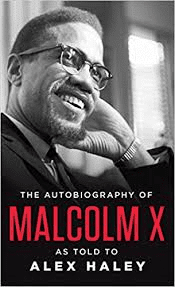
 | INFINITY COURSE Malcolm X Autobiography Summary – themes & insightsBook Nerd · Last updated on Apr 14, 2026 |
Malcolm X Autobiography Summary – themes Study Material


Trending Courses for Novels

The Autobiography of Malcolm X: Complete Summary and Overview
The Autobiography of Malcolm X stands as one of the most powerful and influential autobiographies in American literature. Published in 1965, this remarkable work documents the extraordinary life journey of Malcolm X, from his birth as Malcolm Little in Omaha, Nebraska, to his assassination on February 21, 1965. Co-authored by Malcolm X and journalist Alex Haley, this autobiography has become essential reading for students across India studying novels, American history, and literature.
For Indian students appearing for literature examinations, understanding the comprehensive summary of The Autobiography of Malcolm X provides crucial insights into African-American struggle, identity, and transformation. The book chronicles Malcolm X's life through distinct phases: his troubled youth in the 1930s and 1940s, his criminal activities and imprisonment, his spiritual awakening within the Nation of Islam, and his eventual break from the organization following his pilgrimage to Mecca.
What makes this autobiography particularly significant for students is how it interweaves personal narrative with broader themes of race relations, religion, and social justice in America. The Malcolm X autobiography summary reveals how one man's journey from despair to prominence serves as a mirror reflecting the struggles faced by millions of African Americans during the mid-twentieth century.
the comprehensive summary of The Autobiography of Malcolm X
Key Themes in The Autobiography of Malcolm X Explained
Understanding the major themes in Malcolm X's autobiography is fundamental for students preparing for examinations. The book explores several interconnected themes that continue to resonate with readers today.
Race and Identity in Malcolm X Autobiography
The central pillar of Malcolm X's narrative is the question of racial identity in America. Throughout the autobiography, Malcolm X grapples with what it means to be Black in a society built on systemic racism and white supremacy. His journey from self-hatred to Black pride represents a transformative arc that influenced millions. The themes in Malcolm X autobiography illuminate how racism shapes individual consciousness and collective identity.
Transformation and Spiritual Awakening
Malcolm X's conversion to Islam while imprisoned represents perhaps the most dramatic transformation theme Malcolm X encountered. His evolution from street criminal Malcolm Little to minister Malcolm X to El-Hajj Malik El-Shabazz following his Hajj pilgrimage demonstrates the power of spiritual awakening. Religion in Malcolm X autobiography serves not merely as a personal faith journey but as a pathway to social consciousness and activism.
Education and Self-Improvement
Despite lacking formal education, Malcolm X's autodidactic journey-his self-directed learning in prison and afterward-emphasizes education's transformative power. This theme resonates powerfully with Indian students, many of whom value education as a means of social mobility and personal empowerment.
Social Justice and Self-Determination
Social justice themes Malcolm X explored advocate for Black nationalism, self-reliance, and Pan-Africanism. His break from the Nation of Islam and formation of the Organization of Afro-American Unity reflected his evolving commitment to broader human rights struggles.
major themes in Malcolm X's autobiography
Malcolm X Character Analysis: Understanding the Protagonist's Journey
Conducting a thorough Malcolm X character analysis helps students understand the protagonist's complex personality and development. Malcolm X is not presented as a static hero but as a flawed human being constantly evolving through experience.
| Life Phase | Name/Identity | Key Characteristics | Defining Events |
|---|---|---|---|
| Early Years (1925-1941) | Malcolm Little | Confused, seeking belonging | Father's death, mother's institutionalization |
| Street Life (1941-1946) | Detroit Red | Criminal, involved in hustling | Drug dealing, burglary conviction |
| Prison Years (1946-1952) | Malcolm X (emerging) | Spiritual seeker, student | Conversion to Nation of Islam |
| Nation of Islam (1952-1964) | Minister Malcolm X | Powerful speaker, Black nationalist | Rise as NOI spokesperson |
| Final Phase (1964-1965) | El-Hajj Malik El-Shabazz | Independent thinker, human rights advocate | Hajj pilgrimage, assassination |
The Malcolm Little character arc demonstrates remarkable personal growth. From a desperate youth seeking identity and respect, he transforms through faith and discipline into a powerful orator and leader. His break from the Nation of Islam shows intellectual courage-his willingness to challenge even those he once revered when his conscience demanded it.
Malcolm X character analysis helps students understand the protagonist's complex personality
- The Reverend Earl Little - Characters, The Autobiography Of Malcolm X
- Louise Little - Characters, The Autobiography Of Malcolm X
- West Indian Archie And Bimbi - Characters, The Autobiography Of Malcolm X
- The Honorable Elijah Muhammad a.k.a. Elijah Poole, Elijah Karriem - The Autobiography Of Malcolm X
- Ella Little - Characters, The Autobiography Of Malcolm X
Most Important Quotes from The Autobiography of Malcolm X
For students studying this text, examining the most important quotes from The Autobiography of Malcolm X provides direct insight into Malcolm X's philosophy and worldview. These passages encapsulate the book's central messages.
Quotes About Race and Self-Respect
Malcolm X's best quotes from Malcolm X autobiography frequently address racial consciousness and dignity. His famous declaration about self-defense and standing up for one's rights remain powerful statements about human dignity. These Malcolm X quotes about race reveal his uncompromising stance on racial justice and Black self-determination.
Quotes About Education and Knowledge
Famous quotes Malcolm X autobiography includes numerous passages celebrating the power of knowledge and education. His emphasis on reading, learning, and seeking truth demonstrates why this autobiography resonates with students across cultures. Malcolm X understood that education-particularly self-education-represents freedom.
Quotes About Transformation
Perhaps the most moving Malcolm X autobiography important quotes relate to his spiritual transformation. His reflections on how faith changed him, how his pilgrimage to Mecca altered his racial perspectives, and how he constantly evolved showcase a man capable of growth and self-reflection despite his controversial positions.
the most important quotes from The Autobiography of Malcolm X
- Mortality Quotes - Quotes, The Autobiography Of Malcolm X
- Religion Quotes - Quotes, The Autobiography Of Malcolm X
- Philosophical Viewpoints: Pan Africanism Quotes - Quotes, The Autobiography Of Malcolm X
- Education Quotes - Quotes, The Autobiography Of Malcolm X
- Race Quotes - Quotes, The Autobiography Of Malcolm X
Who Wrote The Autobiography of Malcolm X? Alex Haley's Collaboration
Understanding the critical analysis of The Autobiography of Malcolm X requires knowing about this unique collaboration. The question "Who wrote Malcolm X autobiography?" has a nuanced answer: while Malcolm X lived the story and narrated it, journalist Alex Haley crafted the narrative into literary form.
The Partnership Between Malcolm X and Alex Haley
The Malcolm X and Alex Haley collaboration represents a fascinating literary partnership. Over several years, Haley interviewed Malcolm X extensively, recording his memories, reflections, and philosophy. Haley then shaped these oral histories into a coherent, compelling narrative. This makes The Autobiography of Malcolm X both authentic testimony and carefully constructed literary work.
The Alex Haley Malcolm X relationship demonstrates how co-authorship can preserve a voice while providing narrative structure. Indian readers particularly appreciate this approach because it mirrors how oral traditions are preserved in Indian culture through written form.
the critical analysis of The Autobiography of Malcolm X
Major Themes: Race, Identity, and Transformation in Malcolm X's Story
The autobiography explores how race fundamentally shapes identity in America. Unlike some autobiographies that treat race as one element among many, this work places racial consciousness at its core. Malcolm X's journey from self-hatred to self-affirmation directly results from his awakening to racial pride and Black nationalism.
The Evolution of Identity
Transformation theme Malcolm X experienced multiple identity shifts: from Malcolm Little to Detroit Red to Malcolm X to El-Hajj Malik El-Shabazz. Each name change represents not merely personal preference but ideological evolution. For Indian students studying the novel, this demonstrates how identity construction is dynamic and politically charged.
Religious and Spiritual Dimensions
Religion in Malcolm X autobiography functions as both personal salvation and political ideology. His conversion to Islam while imprisoned-and his later break with the Nation of Islam-shows how spiritual seekers must sometimes choose conscience over institutional loyalty.
Character Development and Key Figures in Malcolm X's Life
Beyond Malcolm X himself, the autobiography features several important characters who shape his development. Understanding key figures in Malcolm X's life and character development provides fuller understanding of his journey.
Important Characters and Figures
- Elijah Muhammad: The Nation of Islam leader who becomes Malcolm X's spiritual father and mentor, yet whose revelations about personal misconduct shake Malcolm's faith
- Ella Collins: Malcolm's half-sister who provides shelter and support during his formative Boston years
- Betty Shabazz: Malcolm's wife who supports his growth and later preserves his legacy
- Earl Little: Malcolm's father whose death profoundly impacts the family's stability
- Louise Little: Malcolm's mother whose mental breakdown following her husband's death haunts Malcolm throughout his life
key figures in Malcolm X's life and character development
- The Reverend Earl Little - Characters, The Autobiography Of Malcolm X
- Louise Little - Characters, The Autobiography Of Malcolm X
- West Indian Archie And Bimbi - Characters, The Autobiography Of Malcolm X
- The Honorable Elijah Muhammad a.k.a. Elijah Poole, Elijah Karriem - The Autobiography Of Malcolm X
- Ella Little - Characters, The Autobiography Of Malcolm X
Critical Analysis of The Autobiography of Malcolm X
The critical analysis Malcolm X autobiography receives frequently examines its literary merit alongside its historical significance. Literary scholars recognize how Malcolm X autobiography analysis reveals sophisticated narrative techniques and psychological depth.
Literary Analysis and Interpretation
From a literary perspective, the autobiography employs vivid, concrete detail and powerful rhetoric. Malcolm X autobiography book analysis demonstrates how personal testimony becomes universal commentary on American racial dynamics. The narrative structure moves chronologically yet circles back thematically, creating resonance between past and present.
Historical Significance
The autobiography functions as primary historical documentation of the Nation of Islam's influence and the African-American experience during the Civil Rights era. Malcolm X autobiography critical analysis from historians emphasizes how this text captures a pivotal moment in American racial consciousness.
critical analysis Malcolm X autobiography receives frequently examines
The Autobiography of Malcolm X Study Guide: Free Resources
For Indian students preparing examinations, accessing comprehensive study materials proves essential. EduRev provides excellent resources including detailed chapter notes and analysis to support your preparation.
| Study Component | Key Topics | Availability on EduRev |
|---|---|---|
| Chapter Summaries | Overview of major sections | Complete summaries for each chapter |
| Thematic Analysis | Race, religion, transformation, justice | Detailed thematic exploration |
| Character Profiles | Malcolm X, Elijah Muhammad, family members | Character development analysis |
| Important Quotes | Significant passages with context | Curated quote collection |
| Study Questions | Critical thinking prompts | Practice questions and answers |
Understanding Malcolm X's Transformation: From Malcolm Little to El-Hajj Malik El-Shabazz
The transformation of Malcolm from street criminal to spiritual leader to independent human rights advocate represents one of literature's most dramatic personal evolutions. This understanding of transformation shows how Malcolm X evolved through multiple identities.
Key Turning Points in Malcolm's Life
- His father's mysterious death and the family's subsequent poverty
- His descent into crime and ultimate imprisonment
- His sister Ella's intervention and introduction to NOI teachings
- His conversion experience while incarcerated
- His rise as an effective NOI minister and spokesman
- His pilgrimage to Mecca in 1964 and resulting ideological shift
- His break from NOI and formation of independent organizations
- His assassination before fully realizing his new vision
understanding of transformation shows how Malcolm X evolved through multiple identities
Why Read The Autobiography of Malcolm X? Historical and Literary Significance
For Indian students, understanding why this autobiography matters historically and literarily enriches their educational experience. This work deserves study not merely as historical documentation but as literature exploring universal human questions about identity, faith, justice, and transformation.
Historical Importance
The autobiography provides firsthand testimony to African-American experiences during a crucial historical period. It documents the Nation of Islam's influence, the Civil Rights era, and competing ideologies within Black activism.
Literary and Educational Value
Readers encounter powerful prose, compelling narrative arc, and philosophical depth. The work invites reflection on racism, religious faith, personal transformation, and human dignity-issues relevant across cultures and generations.
Best Quotes About Race, Religion, and Social Justice from Malcolm X
Examining the best quotes about race, religion, and social justice from Malcolm X reveals his intellectual power and moral conviction. These passages demonstrate why his autobiography remains influential.
Malcolm X's assertions about self-defense, dignity, and Black pride challenged prevailing narratives of his time. His later reflections following his Hajj showed evolution toward broader human solidarity. For students, these quotes provide windows into both his uncompromising positions and his capacity for growth.
best quotes about race, religion, and social justice from Malcolm X
- Mortality Quotes - Quotes, The Autobiography Of Malcolm X
- Religion Quotes - Quotes, The Autobiography Of Malcolm X
- Philosophical Viewpoints: Pan Africanism Quotes - Quotes, The Autobiography Of Malcolm X
- Education Quotes - Quotes, The Autobiography Of Malcolm X
- Race Quotes - Quotes, The Autobiography Of Malcolm X
The Autobiography of Malcolm X PDF Download and Study Materials
Indian students seeking study materials for The Autobiography of Malcolm X should leverage quality resources available through EduRev. The platform offers structured study guides, chapter summaries, thematic analysis, and practice materials designed specifically for literature students.
Rather than searching multiple websites, consolidating your study through a dedicated platform ensures consistency and comprehensive coverage. EduRev's resources are curated specifically for students studying this novel, providing organized access to summaries, thematic explorations, character analysis, important quotes, and critical analysis.
Whether you're preparing for board examinations, competitive assessments, or simply deepening your literary knowledge, engaging systematically with The Autobiography of Malcolm X enriches your understanding of American history, racial politics, and the power of personal narrative. Start with the comprehensive summary, explore the major themes, analyze the key characters, and examine both the important quotes and critical analysis to build comprehensive mastery of this influential work.
The Autobiography of Malcolm X -Summary, Themes & Characters for Novels Exam Pattern 2026-2027
Summary:
The Autobiography of Malcolm X is a powerful memoir that chronicles the life and transformation of civil rights leader Malcolm X. The book is a collaboration between Malcolm X and journalist Alex Haley, who conducted a series of interviews with Malcolm X and compiled them into this autobiography.
The book begins with Malcolm X's early years and his experiences growing up in a predominantly white society. It delves into his troubled childhood, his criminal activities, and his subsequent imprisonment. It then follows his conversion to Islam and his involvement with the Nation of Islam, a black nationalist organization. Malcolm X's transformation and his journey towards becoming a prominent civil rights leader are highlighted in the book. The autobiography concludes with his assassination in 1965.
Themes:
1. Identity and Self-Discovery: A central theme in the autobiography is Malcolm X's search for identity and self-discovery. He grapples with his racial identity, his upbringing, and his experiences of racism, which ultimately lead him to embrace his African heritage and become a powerful advocate for black rights.
2. Racism and Oppression: The autobiography explores the pervasive racism and oppression faced by African Americans during the mid-20th century. Malcolm X's personal experiences with discrimination and violence serve as a lens through which the larger systemic racism in society is examined.
3. Faith and Religion: Religion plays a significant role in Malcolm X's life and transformation. His conversion to Islam and his involvement with the Nation of Islam provide him with a sense of purpose and a framework for fighting for racial equality.
4. Black Nationalism: The book delves into Malcolm X's advocacy for black nationalism, which calls for the establishment of a separate black nation. This theme highlights his belief in self-determination and the need for collective action to address the systemic oppression faced by African Americans.
Characters:
1. Malcolm X (Malcolm Little, later known as El-Hajj Malik El-Shabazz): The protagonist and narrator of the autobiography. He undergoes a profound transformation from a troubled youth involved in criminal activities to a prominent civil rights leader.
2. Elijah Muhammad: The charismatic leader of the Nation of Islam. He plays a significant role in shaping Malcolm X's beliefs and ideologies.
3. Alex Haley: The journalist and author who conducts the interviews with Malcolm X and compiles them into the autobiography.
4. Ella Little: Malcolm X's half-sister, who provides support and guidance throughout his life.
5. Louis Farrakhan: A prominent member of the Nation of Islam and a close associate of Malcolm X. He later becomes the leader of the organization.
6. Betty Shabazz: Malcolm X's wife, who supports his activism and advocacy for black rights.
The Autobiography of Malcolm X is a thought-provoking memoir that explores themes of identity, racism, faith, and black nationalism. It presents a powerful narrative of one man's journey towards self-discovery and his fight for racial equality.


The Autobiography of Malcolm X -Summary, Themes & Characters Syllabus 2026-2027 PDF Download
Summary:
The Autobiography of Malcolm X is a powerful and influential memoir that chronicles the life of Malcolm X, a prominent African-American civil rights activist. Co-written by journalist Alex Haley, the book offers a comprehensive account of Malcolm X's life, from his childhood in Michigan to his transformation into a prominent figure in the Nation of Islam and his eventual break from the organization.
The autobiography begins by detailing Malcolm X's early experiences, including his father's death, his mother's mental health struggles, and his involvement in criminal activities. It then explores Malcolm X's transformation during his time in prison, where he embraced Islam and became a fervent advocate for black rights.
As Malcolm X becomes a prominent leader in the Nation of Islam, the book delves into his controversial views on race, religion, and the fight for equality. However, after a pilgrimage to Mecca, Malcolm X undergoes a profound change and begins to embrace a more inclusive approach to civil rights activism.
The autobiography concludes with Malcolm X's assassination in 1965 and the legacy he left behind as a passionate advocate for black empowerment and social justice.
Themes:
1. Identity and Self-Discovery: The autobiography explores Malcolm X's journey of self-discovery and the evolution of his identity. From his troubled youth to his transformation in prison, Malcolm X grapples with questions of race, religion, and personal values.
2. Racism and Discrimination: Throughout the book, Malcolm X vividly portrays the harsh realities of racism and discrimination faced by African-Americans during the mid-20th century. He highlights the systemic oppression and violence that perpetuated racial inequality.
3. Religion and Spirituality: Religion plays a central role in Malcolm X's life, from his early exposure to Christianity to his conversion to Islam. The autobiography delves into his deep faith and the impact it had on his activism and worldview.
4. Activism and Empowerment: Malcolm X's life is a testament to his unwavering commitment to empowering African-Americans. The book explores his role as a leader in the Nation of Islam and his later advocacy for racial equality and social justice.
Quotes:
- "Education is the passport to the future, for tomorrow belongs to those who prepare for it today."
- "I've had enough of someone else's propaganda... I'm for truth, no matter who tells it."
- "A man who stands for nothing will fall for anything."
- "You can't separate peace from freedom because no one can be at peace unless he has his freedom."
Characters:
1. Malcolm X: The central figure and narrator of the autobiography. He undergoes a transformative journey from a troubled youth to a powerful civil rights activist.
2. Ella Little: Malcolm X's sister who plays a significant role in his upbringing and education.
3. Elijah Muhammad: The leader of the Nation of Islam, who greatly influences Malcolm X's beliefs and actions. Their relationship becomes strained later in the autobiography.
4. Alex Haley: The journalist and co-author of the autobiography, who helps Malcolm X shape his narrative and provides additional context to his life story.
Analysis:
The Autobiography of Malcolm X provides a compelling insight into the life and struggles of one of the most influential figures in the civil rights movement. It offers a nuanced exploration of Malcolm X's personal growth, ideological shifts, and the impact of his activism.
The book raises important questions about race, identity, and the pursuit of justice. It challenges readers to confront the realities of racism and discrimination while highlighting the power of self-education, faith, and determination.
Through his autobiography, Malcolm X invites readers to critically examine societal norms and ideologies. His journey serves as a reminder that personal transformation and social change are possible, even in the face of adversity.
Overall, The Autobiography of Malcolm X serves as a compelling narrative of resilience, self-discovery, and the pursuit of equality. It continues to inspire readers to challenge injustice and fight for a more inclusive society.
This course is helpful for the following exams: Novels
How to Prepare The Autobiography of Malcolm X -Summary, Themes & Characters for Novels?
Preparing to study The Autobiography of Malcolm X requires a careful examination of the book's summary, themes, and characters. This will help readers gain a deeper understanding of the text and its historical and social significance. Here are some steps to guide you in your preparation:
1. Familiarize yourself with the summary of the book:
The Autobiography of Malcolm X, written by Alex Haley, is a powerful and influential memoir that chronicles the life of Malcolm X, a prominent figure in the civil rights movement. The book covers Malcolm X's early years, his conversion to Islam while serving time in prison, his leadership in the Nation of Islam, and his eventual break with the organization. It also explores his pilgrimage to Mecca, which transformed his views on race and led him to advocate for racial unity.
2. Identify the key themes:
The Autobiography of Malcolm X delves into several significant themes, including racial identity, self-discovery, religion, and activism. Through his personal experiences, Malcolm X explores the complexities of racial identity and highlights the destructive effects of racism in American society. His journey of self-discovery and transformation offers valuable insights into the power of education, self-reflection, and personal growth. The book also examines the role of religion in shaping Malcolm X's beliefs and his advocacy for social justice.
3. Analyze the main characters:
The Autobiography of Malcolm X primarily focuses on Malcolm X himself, but it also introduces several influential characters who played a significant role in his life. Some key characters to pay attention to include Elijah Muhammad, the leader of the Nation of Islam, who mentored and influenced Malcolm X during his time in the organization. Alex Haley, the book's co-author, is another important character as he helped Malcolm X document his life story. Other notable figures include Malcolm X's parents, siblings, and various activists and leaders he encountered throughout his journey.
4. Take note of historical and social context:
To fully appreciate The Autobiography of Malcolm X, it is crucial to understand the historical and social context in which it is set. Malcolm X's life story unfolds against the backdrop of the civil rights movement, racial segregation, and systemic oppression faced by African Americans during the mid-20th century. Familiarize yourself with the events and ideologies that shaped this era, including the Black Power movement, the Nation of Islam, and Malcolm X's impact on the fight for racial equality.
By following these steps and engaging with the summary, themes, and characters of The Autobiography of Malcolm X, readers can better grasp the depth and significance of this influential memoir. Through the exploration of Malcolm X's life journey, readers can gain valuable insights into racial identity, social justice, and the ongoing struggle for equality.
Importance of The Autobiography of Malcolm X -Summary, Themes & Characters for Novels
The Autobiography of Malcolm X is a powerful and influential book that delves into the life and journey of one of the most prominent figures of the civil rights movement in the United States. This book, co-authored by journalist Alex Haley, provides a firsthand account of Malcolm X's transformation from a troubled youth into a prominent leader, highlighting the significant themes and characters that shape his story.
Summary:
The Autobiography of Malcolm X begins by recounting Malcolm's early life, including his childhood in Lansing, Michigan, and his family's struggles with racism and poverty. It then explores his involvement in criminal activities, his time in prison, and his subsequent conversion to the Nation of Islam while incarcerated.
The book delves into Malcolm's rise as a prominent figure within the Nation of Islam, his role as a minister and spokesperson, and his eventual disillusionment with the organization. It also examines his pilgrimage to Mecca, which transformed his perspective on race and led him to reject the separatist views he previously held.
The autobiography concludes with Malcolm's assassination in 1965, leaving readers with a sense of the profound impact he had on the civil rights movement and the enduring legacy he left behind.
Themes:
1. Racial Identity and Equality: The autobiography explores Malcolm X's journey in understanding his racial identity and fighting for equality. It delves into the experiences that shaped his belief in black nationalism and the importance of self-determination.
2. Transformation and Redemption: The book highlights Malcolm X's personal transformation from a troubled youth to a charismatic leader. It emphasizes the power of redemption and the capacity for change in the face of adversity.
3. Religion and Spirituality: The autobiography delves into Malcolm X's religious journey, from his conversion to the Nation of Islam to his transformational experience during his pilgrimage to Mecca. It explores the role of religion and spirituality in shaping his worldview and guiding his actions.
4. Social and Political Activism: The book provides a comprehensive account of Malcolm X's role as an activist and his efforts to address racial injustice. It explores his advocacy for black empowerment, self-defense, and his push for political and social change.
Characters:
1. Malcolm X (also known as Malcolm Little, El-Hajj Malik El-Shabazz): The central character and narrator of the autobiography. He undergoes a significant transformation throughout the book, exploring themes of racial identity, religion, and activism.
2. Elijah Muhammad: The leader of the Nation of Islam, who plays a crucial role in Malcolm X's life and worldview. Their relationship evolves over time, leading to Malcolm's eventual disillusionment with the organization.
3. Alex Haley: The co-author of the autobiography and a journalist who helps Malcolm X shape and document his life story.
4. Betty Shabazz: Malcolm X's wife, who provides support and stability throughout his journey.
The Autobiography of Malcolm X - Summary, Themes & Characters course offered by EduRev provides a comprehensive analysis of this influential book. This course allows readers to gain a deeper understanding of the themes and characters, fostering critical thinking and engagement with the profound ideas presented in the autobiography. By delving into the life of Malcolm X, students can explore important historical and social issues, making it an essential course for those interested in novels and the civil rights movement.
The Autobiography of Malcolm X -Summary, Themes & Characters for Novels FAQs
| 1. Who was Malcolm X and what was his early life like before becoming a minister? |  |
| 2. What are the main themes in The Autobiography of Malcolm X? | |
| 3. How did Malcolm X's time in prison change his life and beliefs? | |
| 4. What is the significance of Malcolm X's pilgrimage to Mecca in his autobiography? | |
| 5. How did Malcolm X's relationship with Elijah Muhammad influence his early ministry? | |
| 6. What were the major differences between Malcolm X and Martin Luther King Jr.'s approaches to civil rights? | |
| 7. What does Malcolm X's autobiography reveal about his views on education and self-improvement? | |
| 8. How did Malcolm X's assassination impact the legacy and interpretation of his autobiography? | |
| 9. What character development does Malcolm X undergo throughout his autobiography? | |
| 10. How can students effectively study The Autobiography of Malcolm X for exam preparation? | |
 | View your Course Analysis |  |
 | Create your own Test | |



|
 Documents
 Ratings
 | Explore Courses for Novels exam |  |


