 | INFINITY COURSE Experiments with Truth Summary – themes & life lessonsBook Nerd · Last updated on Apr 14, 2026 |
Experiments with Truth Summary – themes Study Material


Trending Courses for Novels

The Story of My Experiments with Truth: Complete Summary and Overview
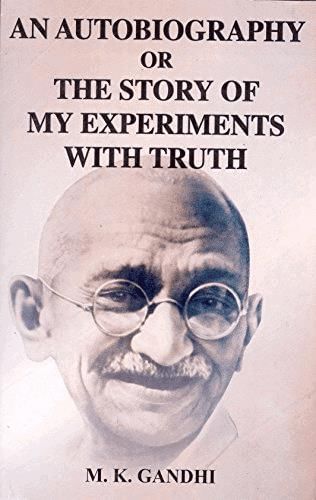
The Story of My Experiments with Truth is one of the most influential autobiographies of the 20th century, penned by Mahatma Gandhi himself. This remarkable work offers a window into the mind and heart of a man who fundamentally changed the course of modern history through non-violence and truth. For students preparing for literature examinations in India, understanding this autobiography is essential, as it frequently appears in English and History curricula across schools and colleges.
Gandhi's autobiography was originally written in Gujarati and serialized in his weekly journal Navjivan between 1925 and 1929. The English translation by Mahadev Desai was published in two volumes in 1927 and 1929, making it accessible to a global audience. Unlike traditional autobiographies, Gandhi's work is structured around his "experiments with truth"—a series of moral and spiritual journeys that shaped his philosophy and approach to life.
The The Story of My Experiments with Truth complete summary covers Gandhi's life from his birth in 1869 until 1921, documenting his transformation from a shy, ordinary boy into the architect of India's independence movement. The autobiography traces his journey through various phases: his childhood in Porbandar and Rajkot, his education in England, his struggles in South Africa, and his emergence as a political and spiritual leader in India.
Why This Autobiography Matters for Literature Exam Preparation
When you're preparing for your literature examination, mastering The Story of My Experiments with Truth requires more than surface-level reading. You need to understand the deeper philosophical underpinnings, the literary techniques Gandhi employed, and the historical context in which he wrote. Our detailed resources on The Story of My Experiments with Truth summary will give you comprehensive insights into each major event and theme covered in the autobiography.
Key Themes in Gandhi's Autobiography: Truth, Non-Violence, and Satyagraha
Understanding the themes in Gandhi autobiography is crucial for scoring well in literature exams. Gandhi's work explores several interconnected themes that form the philosophical backbone of his life and work.
Truth (Satya) as Life's Ultimate Goal
The primary theme running through the autobiography is the relentless pursuit of truth. Gandhi believed that truth is not merely factual accuracy but a deeper spiritual reality. He experimented continuously with living truthfully in every aspect of his life—personal relationships, professional dealings, and public service. This concept of truth and non-violence in Gandhi autobiography became the foundation for all his subsequent political and social movements.
Non-Violence (Ahimsa) and Civil Disobedience
Closely related to truth is the theme of non-violence or Ahimsa. Gandhi's experiences in South Africa deeply influenced his understanding that violence, even when justified by circumstances, corrupts the soul. He developed the concept of satyagraha in The Story of My Experiments with Truth—a method of non-violent resistance that combines truth with non-violence. This approach revolutionized protest movements worldwide and is extensively documented in his autobiography.
For comprehensive understanding of how these themes interconnect, explore our resource on themes in The Story of My Experiments with Truth, which breaks down each major philosophical concept with examples from the text.
Self-Discipline, Celibacy, and Simple Living
Gandhi's commitment to Brahmacharya (celibacy) and simple living forms another significant theme. He experimented with diet, clothing, and personal habits to achieve greater spiritual purity and self-control. These personal experiments demonstrate his belief that individual moral transformation must precede social and political change.
Chapter-wise Summary of The Story of My Experiments with Truth
For students aiming to excel in their literature examinations, having a chapter wise summary The Story of My Experiments with Truth is invaluable. The autobiography spans multiple sections, each revealing different facets of Gandhi's life and philosophy.
| Life Phase | Key Events | Main Lessons |
|---|---|---|
| Childhood (Porbandar & Rajkot) | Early marriage, schooling, family life | Foundation of moral values, impact of parents |
| England (1888-1891) | Law education, cultural adaptation | Importance of education, maintaining principles abroad |
| South Africa (1893-1914) | Racial discrimination, Satyagraha birth | Development of non-violent resistance philosophy |
| Return to India (1915-1921) | Champaran, Kheda movements | Application of Satyagraha in Indian context |
Each chapter summary The Story of My Experiments with Truth reveals progressive stages in Gandhi's moral and spiritual development. If you want detailed analysis of specific sections, our comprehensive The Story of My Experiments with Truth analysis resource provides in-depth examination of how each chapter contributes to the overall narrative.
Character Analysis: Gandhi's Personal and Spiritual Journey
While Gandhi is the central figure in The Story of My Experiments with Truth characters, understanding his Gandhi character analysis requires examining how he interacted with other significant individuals who shaped his journey.
Mohandas Karamchand Gandhi - The Protagonist's Evolution
Gandhi's self-portrait in the autobiography is remarkably honest. Rather than presenting himself as a hero, he admits his failures, weaknesses, and moments of doubt. This authenticity is what makes the character sketch The Story of My Experiments with Truth so compelling for literature students. You see his transformation from an ordinary boy struggling with shyness to a formidable moral force.
Kasturba Gandhi and Family Influences
Gandhi's wife, Kasturba Gandhi in autobiography, plays a crucial role in his personal journey. His relationship with her, his experiments with celibacy, and his family's influence on his values are all documented with candor. Important characters in Gandhi autobiography include his mother Putlibai, whose religious devotion inspired his spiritual quest, and his father Karamchand Gandhi, whose integrity left a lasting impression.
To understand how these relationships shaped Gandhi's philosophy, refer to our detailed character analysis resource on The Story of My Experiments with Truth.
Important Quotes from The Story of My Experiments with Truth and Their Meanings
Important quotes from Gandhi autobiography often appear in literature examinations, making it essential to understand not just the words but their deeper significance. Famous quotes The Story of My Experiments with Truth reflect his core beliefs and philosophy.
Key Quotations Worth Remembering
- "In a gentle way, you can shake the world"—reflects Gandhi's belief in the power of non-violence
- "My life is my message"—encapsulates his philosophy of living one's principles
- "Truth is my God"—demonstrates his spiritual commitment to truth-seeking
- "There is no path to peace; peace is the path"—emphasizes non-violence as both means and end
Each quotes with explanation Gandhi autobiography serves multiple purposes in literature examinations: they can support essay arguments, appear in comprehension questions, and demonstrate your understanding of the text. Our comprehensive guide on important quotes from The Story of My Experiments with Truth provides detailed explanations of how these quotations connect to broader themes.
Literary Analysis: Understanding Gandhi's Writing Style and Purpose
The Story of My Experiments with Truth literary analysis reveals that Gandhi was not merely documenting events but crafting a sophisticated moral narrative. His critical analysis Gandhi autobiography shows how he used simple, direct language to explore profound philosophical questions.
Writing Techniques and Literary Devices
Gandhi's autobiography employs several literary devices in The Story of My Experiments with Truth. He uses chronological narrative to show progression, introspection to reveal inner conflict, and metaphorical language to convey spiritual concepts. The structure mirrors a spiritual journey rather than a political chronology, making it a unique The Story of My Experiments with Truth book analysis.
For deeper insights into how Gandhi constructs meaning through language, explore our resource on literary analysis of The Story of My Experiments with Truth.
The Story of My Experiments with Truth PDF Download: Free Study Resources
As a student preparing for your literature examination, having access to quality study materials is essential. The Story of My Experiments with Truth PDF and The Story of My Experiments with Truth free PDF versions are available through EduRev, providing convenient access to the complete text and supplementary notes.
The Story of My Experiments with Truth study material on EduRev includes comprehensive The Story of My Experiments with Truth notes and best study guide The Story of My Experiments with Truth resources tailored for examination preparation. These materials help you understand complex concepts, prepare for essay questions, and develop stronger analytical skills.
Historical Context and Significance of Gandhi's Autobiography
Understanding the historical context Gandhi autobiography enriches your appreciation of the text. The significance of The Story of My Experiments with Truth extends beyond literature; it documents crucial moments in India's struggle for independence and global movements for human rights.
Why Gandhi Wrote His Autobiography
Why Gandhi wrote autobiography was not for personal glorification but to share lessons from his moral experiments with future generations. The The Story of My Experiments with Truth historical background reveals that he wrote during a period of intense political activity, yet chose to focus on spiritual and personal development rather than political narrative.
This unique approach makes his autobiography invaluable for understanding how personal transformation can drive social and political change—a theme crucial for The Story of My Experiments with Truth for literature exam preparation.
Symbolism and Literary Devices in The Story of My Experiments with Truth
Analyzing symbolism in the autobiography helps you understand how Gandhi conveyed complex ideas through concrete examples. His experiments function as symbols of larger philosophical principles, making each personal anecdote meaningful at multiple levels.
| Literary Device | Examples | Significance for Literature Exam |
|---|---|---|
| Metaphor | Truth as light, violence as darkness | Shows philosophical complexity through simple imagery |
| Narrative Structure | Chronological with reflective interludes | Demonstrates character development across time |
| Symbolism | Experiments symbolize spiritual quest | Each event carries layered meaning |
How to Analyze The Story of My Experiments with Truth for Literature Exams
Mastering how to analyze The Story of My Experiments with Truth requires a structured approach. The Story of My Experiments with Truth exam preparation should focus on understanding key concepts, identifying important passages, and developing strong analytical frameworks.
Preparation Strategy for Literature Examinations
- Read the complete text or The Story of My Experiments with Truth short summary to grasp the overall narrative
- Study The Story of My Experiments with Truth detailed summary focusing on major events and turning points
- Analyze character development and relationships between Gandhi and other key figures
- Identify recurring themes and philosophical concepts that connect different sections
- Practice writing essays on major themes like truth, non-violence, and spiritual growth
- Prepare answers for The Story of My Experiments with Truth important questions likely to appear in examinations
Best way to study Gandhi autobiography involves active engagement with the text—annotating passages, making connections between different parts, and relating concepts to contemporary issues. This deep reading prepares you effectively for both objective and subjective examination questions.
Critical Perspectives on Gandhi's Autobiography: Modern Interpretations
Critical perspectives on Gandhi's autobiography have evolved significantly since its publication. Modern scholars offer diverse interpretations of Gandhi's life story and his philosophy, considering contemporary contexts and previously overlooked aspects of his life.
Understanding multiple perspectives strengthens your novel study material preparation and helps you develop nuanced arguments in literature examinations. Some scholars praise his non-violent philosophy, while others question certain personal choices documented in the autobiography. This diversity of opinion is valuable for developing critical thinking skills expected in higher literature examinations.
For comprehensive exploration of how scholars interpret Gandhi's work and its modern relevance, EduRev provides resources examining The Story of My Experiments with Truth modern relevance and contemporary applications of his philosophy.
The Story of My Experiments with Truth - Summary & Themes for Novels Exam Pattern 2026-2027
Summary:
"The Story of My Experiments with Truth" is an autobiography written by Mahatma Gandhi, the leader of the Indian independence movement against British rule. The book covers Gandhi's life from his childhood to his years as a lawyer in South Africa and his eventual return to India.
The autobiography is divided into several chapters, each focusing on a different phase of Gandhi's life. He discusses his upbringing in a devout Hindu family, his education in England, and his struggles with personal and moral dilemmas. Gandhi also delves into his experiences of racial discrimination in South Africa, which ultimately led him to adopt his philosophy of nonviolent resistance.
Throughout the book, Gandhi reflects on his experiments with various principles and practices, including vegetarianism, celibacy, and self-discipline. He explores his spiritual journey, which culminates in his development of the concept of Satyagraha, a form of nonviolent protest.
Themes:
1. Truth and Honesty: A central theme in Gandhi's autobiography is his unwavering commitment to truth and honesty. He emphasizes the importance of speaking the truth and living a life of integrity, even in the face of adversity.
2. Nonviolence and Peaceful Resistance: Gandhi's experiments with nonviolence and peaceful resistance are recurring themes in the book. He firmly believed in the power of nonviolent resistance to bring about social and political change.
3. Self-Reflection and Personal Growth: Gandhi's autobiography is a reflection of his constant self-examination and quest for personal growth. He openly discusses his flaws, mistakes, and doubts, demonstrating his willingness to learn from his experiences.
4. Simplicity and Minimalism: Gandhi's life was characterized by simplicity and minimalism. He valued a simple lifestyle, free from material possessions, and advocated for self-sufficiency and self-reliance.
5. Social Justice and Equality: Throughout the book, Gandhi advocates for social justice and equality. He fights against racial discrimination in South Africa and later becomes a champion for India's independence and the rights of the marginalized.
6. Spirituality and Faith: Gandhi's spiritual journey is a significant aspect of his autobiography. He explores his beliefs in Hinduism, Jainism, and Christianity, and how they shaped his understanding of truth and morality.
In conclusion, "The Story of My Experiments with Truth" is an insightful autobiography that chronicles Gandhi's life and his pursuit of truth, nonviolence, and social justice. The book offers valuable lessons on personal growth, moral integrity, and the power of peaceful resistance.


The Story of My Experiments with Truth - Summary & Themes Syllabus 2026-2027 PDF Download
Summary:
The Story of My Experiments with Truth is an autobiographical work by Mohandas Karamchand Gandhi, popularly known as Mahatma Gandhi. The book was originally written in Gujarati and later translated into English. It provides a detailed account of Gandhi's life, from his childhood in Gujarat to his experiences in South Africa and his eventual leadership in the Indian independence movement.
The book is divided into several chapters, each focusing on different periods of Gandhi's life. In the early chapters, Gandhi describes his upbringing in a devout Hindu household and his struggles to adhere to the principles of truth and nonviolence. He then narrates his experiences as a young lawyer in South Africa, where he faced racial discrimination and began to develop his philosophy of Satyagraha (nonviolent resistance).
The later chapters of the book delve into Gandhi's involvement in the Indian independence movement and his efforts to mobilize the masses through nonviolent protests and civil disobedience. He discusses his role in various campaigns, such as the Salt March, and shares his reflections on the challenges and triumphs of the freedom struggle.
Throughout the book, Gandhi emphasizes the importance of truth, simplicity, and self-discipline in one's personal and political life. He reflects on his own shortcomings and failures, providing a candid account of his experiments with truth and the lessons he learned along the way.
Themes:
1. Truth and Honesty: The central theme of the book is Gandhi's unwavering commitment to truth and honesty. He believes that truth is the ultimate source of power and advocates for its practice in all aspects of life.
2. Nonviolence and Peaceful Resistance: Gandhi's philosophy of nonviolence, or Satyagraha, is another prominent theme in the book. He argues that nonviolent resistance can be a powerful tool for social and political change, and he shares numerous examples of its effectiveness in his own experiences.
3. Self-Reflection and Self-Improvement: Gandhi constantly engages in self-reflection and self-improvement throughout the book. He acknowledges his faults and weaknesses, striving to overcome them and become a better person and leader.
4. Spirituality and Religion: Gandhi's deep spirituality and religious beliefs are evident throughout the book. He draws inspiration from various religious traditions, particularly Hinduism, and emphasizes the importance of spiritual practices in one's pursuit of truth and moral conduct.
Quotes:
- "Truth never damages a cause that is just."
- "Nonviolence is the greatest force at the disposal of mankind. It is mightier than the mightiest weapon of destruction devised by the ingenuity of man."
Characters:
- Mohandas Karamchand Gandhi: The central character and author of the book. Gandhi's life, experiences, and teachings form the core of the narrative.
- Kasturba Gandhi: Gandhi's wife, who plays a significant role in supporting him throughout his journey.
- Various political leaders, activists, and individuals who influenced Gandhi and the Indian independence movement.
Analysis:
The Story of My Experiments with Truth offers valuable insights into the life and philosophy of Mahatma Gandhi. Through his personal experiences, Gandhi presents a compelling argument for the power of truth, nonviolence, and self-reflection in creating positive change.
The book provides a detailed account of the challenges faced by Gandhi and the Indian people during the struggle for independence. It sheds light on the strategies and tactics employed by Gandhi, emphasizing his belief in the effectiveness of nonviolent protests and civil disobedience.
Moreover, the book serves as a guide for individuals seeking personal growth and moral transformation. Gandhi's emphasis on truth, simplicity, and self-discipline resonates with readers of all backgrounds, inspiring them to embark on their own experiments with truth.
In conclusion, The Story of My Experiments with Truth is a seminal work that offers profound insights into the life and philosophy of one of history's most influential figures. It is a must-read for anyone interested in understanding Gandhi's principles and the Indian independence movement.
This course is helpful for the following exams: Novels
How to Prepare The Story of My Experiments with Truth - Summary & Themes for Novels?
How to Prepare The Story of My Experiments with Truth - Summary & Themes for Novels?
Preparing a summary and analyzing the themes of "The Story of My Experiments with Truth" can help readers gain a deeper understanding of the book. Here are some key points to consider when preparing a summary and exploring the themes:
Summary of "The Story of My Experiments with Truth"
- "The Story of My Experiments with Truth" is an autobiography written by Mohandas Karamchand Gandhi, also known as Mahatma Gandhi.
- The book chronicles Gandhi's life, from his childhood in Porbandar, Gujarat, to his experiences as a lawyer in South Africa, and ultimately his role in India's struggle for independence.
- Gandhi shares his personal journey, including his experiments with truth, nonviolence, and his spiritual and political beliefs.
- The autobiography provides insights into Gandhi's struggles, successes, and failures, as well as his interactions with various individuals and communities.
Themes in "The Story of My Experiments with Truth"
1. Truth and Honesty: One of the central themes in Gandhi's autobiography is his unwavering commitment to truth and honesty. He believed in the power of truth to transform individuals and society, and he strived to live a life of integrity.
2. Nonviolence: Gandhi's philosophy of nonviolence, or ahimsa, is another significant theme in the book. He believed in resolving conflicts through peaceful means and emphasized the importance of nonviolent resistance in achieving social and political change.
3. Spirituality: Gandhi's spiritual journey is intricately woven throughout the autobiography. He explores his beliefs in Hinduism, Jainism, and Christianity, and how they shaped his understanding of truth, morality, and the purpose of life.
4. Self-reflection and Self-improvement: Gandhi's experiments with truth reflect his constant self-reflection and the desire for self-improvement. He openly shares his weaknesses, mistakes, and the lessons he learned along the way, emphasizing the importance of personal growth.
5. Social Justice and Equality: Throughout his life, Gandhi fought against social injustices such as untouchability and discrimination. The autobiography highlights his efforts to promote equality and justice for all, regardless of caste, religion, or gender.
By summarizing the key events and themes in "The Story of My Experiments with Truth," readers can gain a deeper appreciation for Gandhi's life and his contributions to the principles of truth, nonviolence, and social justice.
Importance of The Story of My Experiments with Truth - Summary & Themes for Novels
The Story of My Experiments with Truth is a renowned autobiography written by Mahatma Gandhi, the father of the Indian independence movement. This autobiography serves as a significant literary work that not only provides a detailed account of Gandhi's personal experiences but also delves into the core themes that shaped his life and philosophy. EduRev, an esteemed online learning platform, offers a comprehensive course on the summary and themes of this influential autobiography, which holds immense importance for novel enthusiasts and aspiring writers.
Summary of The Story of My Experiments with Truth
The course on the summary of The Story of My Experiments with Truth provides a concise and thorough understanding of the autobiography. It covers the key events and experiences that Gandhi encountered throughout his life, starting from his childhood in Porbandar, Gujarat, to his transformative years in South Africa and eventually his role in India's struggle for independence. The course takes learners on a journey through Gandhi's spiritual and political evolution, highlighting his experiments with truth, non-violence, and civil disobedience. By studying the summary of this autobiography, readers gain valuable insights into the life of one of the most influential leaders in history.
Themes Explored in The Story of My Experiments with Truth
The course on the themes of The Story of My Experiments with Truth allows learners to explore the profound ideas and principles that shaped Gandhi's life and philosophy. Some of the key themes covered in this course include:
1. Truth and Honesty: Gandhi's lifelong commitment to truth and honesty is a central theme in his autobiography. The course delves into the importance of these virtues in shaping personal character and building a just society.
2. Non-violence and Satyagraha: Gandhi's concept of non-violence, or ahimsa, and his practice of satyagraha (nonviolent resistance) are explored in depth. Learners gain a deeper understanding of how these principles guided Gandhi's actions and played a crucial role in achieving social and political change.
3. Self-reflection and Self-discipline: The course highlights Gandhi's emphasis on self-reflection and self-discipline as essential elements for personal growth and transformation. Learners are encouraged to introspect and cultivate these qualities in their own lives.
4. Simplicity and Minimalism: Gandhi's lifestyle of simplicity and minimalism is an important theme in his autobiography. The course explores the significance of living a life free from material possessions and the impact it can have on one's spiritual and moral development.
By studying the themes of The Story of My Experiments with Truth, learners gain a deep appreciation for the values and principles that Gandhi upheld. These themes not only have relevance in the context of Gandhi's life but also provide valuable lessons for individuals seeking personal growth, social change, and a greater understanding of human nature.
In conclusion, the course on the summary and themes of The Story of My Experiments with Truth offered by EduRev is of utmost importance for novel enthusiasts. By delving into the key events, ideas, and principles explored in this autobiography, learners can gain a comprehensive understanding of Gandhi's life and philosophy. This course not only enhances one's knowledge of Mahatma Gandhi but also provides valuable insights that can be applied to personal and societal transformation.
The Story of My Experiments with Truth - Summary & Themes for Novels FAQs
| 1. What is the main message of The Story of My Experiments with Truth by Gandhi? |  |
| 2. Who are the major characters and influences in Gandhi's autobiography? | |
| 3. What are the main themes explored in The Story of My Experiments with Truth? | |
| 4. How does Gandhi's concept of truth differ from ordinary honesty? | |
| 5. What role does non-violence play in Gandhi's experiments and philosophy? | |
| 6. What personal sacrifices did Gandhi make during his experiments with truth? | |
| 7. How did Gandhi's experiments in South Africa shape his political activism? | |
| 8. What does Gandhi say about fear and courage in his autobiography? | |
| 9. How are Gandhi's ideas on simplicity and self-reliance presented in his experiments? | |
| 10. What are the key lessons students should take from Gandhi's autobiography for character development? | |
 | View your Course Analysis |  |
 | Create your own Test | |



|
 Documents
 Ratings
 | Explore Courses for Novels exam |  |


