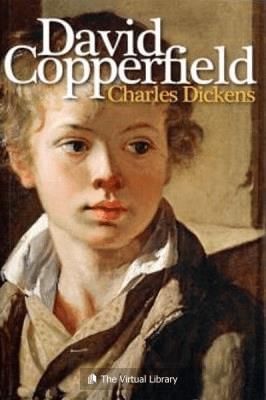
 | INFINITY COURSE David Copperfield Summary, Themes & CharactersBook Nerd · Last updated on Apr 14, 2026 |
David Copperfield Summary, Themes & Characters Study Material


Trending Courses for Novels

What is David Copperfield? An Overview of Charles Dickens' Classic Novel
David Copperfield stands as one of the most celebrated works in English literature, written by the legendary Charles Dickens. First published as a serial between 1849 and 1850, this masterpiece was later compiled into a complete novel in 1850. The full title—"The Personal History, Adventures, Experience and Observation of David Copperfield the Younger of Blunderstone Rookery (Which He Never Meant to Publish on Any Account)"—reflects Dickens' characteristic verbose style and provides insight into the novel's autobiographical nature.
This remarkable novel is set in early 19th century England during the Victorian era and remains one of Dickens' most intimate and personal works. For Indian students studying English literature, David Copperfield offers profound insights into Victorian society, social class dynamics, and the human condition. Understanding David Copperfield by Charles Dickens is essential for those preparing for literature examinations and gaining comprehensive knowledge of classic English novels.
Why David Copperfield Matters
The novel's significance extends beyond its entertaining narrative. It explores universal themes that resonate with readers across generations and cultures. Whether you're appearing for board examinations, competitive literature assessments, or simply seeking to enrich your literary knowledge, understanding David Copperfield is invaluable. The David Copperfield novel demonstrates Dickens' genius in character development, social commentary, and storytelling craft.
Complete Summary of David Copperfield: Plot and Storyline Explained
The David Copperfield summary begins with the protagonist's birth and continues through his formative years, documenting his journey from childhood through adulthood. David's life unfolds against a backdrop of social upheaval, personal struggles, and moral development—a classic bildungsroman structure that defines the novel's narrative arc.
David starts life as an orphan after his father's death, raised by his loving mother Clara and their devoted housekeeper Peggotty. However, his peaceful childhood shatters when his mother remarries the cruel Edward Murdstone. This unhappy union leads to David's miserable years at school and eventual employment in a blacking factory—experiences that deeply scar the young protagonist. For a deeper exploration of how these events shape David's character, examine our detailed summary of David Copperfield.
David's Journey and Key Plot Points
The David Copperfield plot encompasses several crucial turning points:
- David's escape from London and journey to his great-aunt Betsey Trotwood's house in Dover, seeking refuge and redemption
- His transformation through education and the mentorship of Mr. Dick, a wise and eccentric lodger
- His apprenticeship as a lawyer and gradual establishment in respectable society
- His tumultuous romantic entanglements with the charming but childish Dora Spenlow and the steadfast Agnes Wickfield
- His encounters with memorable characters including the eternally optimistic Mr. Micawber and the sinister Uriah Heep
- The ultimate revelation of Uriah's villainy and David's achievement of personal and professional success
The David Copperfield story ultimately celebrates human resilience, moral development, and the possibility of transformation through perseverance and integrity.
Major Themes in David Copperfield: Bildungsroman, Social Class & Victorian Society
Understanding the David Copperfield themes is crucial for comprehensive literary analysis. The novel brilliantly weaves together multiple thematic strands that reflect Victorian England's social realities and timeless human concerns.
The Coming-of-Age Journey
As a quintessential bildungsroman David Copperfield traces the protagonist's psychological and moral growth. David begins as a naive, vulnerable child and gradually matures into a responsible, principled adult. This transformation demonstrates Dickens' sophisticated understanding of human development and the formative power of experience.
Social Class and Mobility
The theme of social class in David Copperfield permeates the entire narrative. Dickens explores how social status determines opportunities, relationships, and outcomes in Victorian society. David's journey from poverty to respectability illustrates the possibilities for class mobility while simultaneously critiquing the rigid class structures that constrain social movement. The Victorian society David Copperfield portrays reveals both the aspiration and the harshness of 19th-century England.
| Theme | Key Manifestation in Novel | Literary Significance |
|---|---|---|
| Memory and Identity | David's reflective narration of his past experiences | Explores how personal history shapes individual identity |
| Moral Discipline | Characters rewarded for virtue, punished for vice | Reflects Victorian values and moral expectations |
| Home and Belonging | David's search for stable home and family | Demonstrates human need for security and connection |
| Friendship and Betrayal | Steerforth's seduction of Emily and eventual downfall | Shows consequences of moral corruption and deception |
Memory and the Construction of Identity
The memory and identity David Copperfield theme is particularly sophisticated. The novel is narrated in retrospect, with the adult David reflecting upon his childhood and young adulthood. This narrative structure emphasizes how memory shapes our understanding of ourselves and our past. Dickens demonstrates that identity is not fixed but continuously reconstructed through remembrance and interpretation.
David Copperfield Characters: Complete List with Descriptions
The richness of David Copperfield main characters contributes significantly to the novel's enduring appeal. Dickens demonstrates extraordinary skill in character development, creating memorable figures who embody various social types and moral positions.
The Protagonist and Central Figures
David Copperfield serves as both protagonist and narrator, offering readers direct access to his consciousness and moral perspective. Agnes Wickfield represents constancy, virtue, and true love—eventually becoming David's second wife. Dora Spenlow, by contrast, embodies charm without substance, representing a romantic ideal that proves unsustainable in marriage.
Supporting Characters with Significant Impact
Understanding the David Copperfield character list requires attention to secondary characters who profoundly influence the narrative:
- Betsey Trotwood: David's eccentric but deeply loving great-aunt who becomes his savior and moral guide
- Mr. Dick: A seemingly simple-minded but genuinely wise lodger who offers unconventional wisdom
- Wilkins Micawber: The eternally optimistic but financially troubled character whose famous phrase "something will turn up" captures his resilient outlook
- Uriah Heep: The manipulative clerk whose hypocritical humility masks sinister ambition
- James Steerforth: David's charismatic but morally corrupt school friend whose seduction of Emily leads to tragedy
- Mr. Peggotty: The salt-of-the-earth fisherman whose unconditional love for his niece Emily defines his character
- Little Em'ly: The innocent victim of Steerforth's seduction whose downfall illustrates the vulnerability of working-class women
For comprehensive analysis of these figures, our detailed character study of David Copperfield provides deeper insights into their motivations and significance.
Character Analysis: David Copperfield, Uriah Heep, Steerforth & Other Key Figures
The David Copperfield character analysis reveals Dickens' psychological sophistication and moral clarity. Each character embodies particular virtues or vices that contribute to the novel's thematic development.
David Copperfield: Growth Through Experience
David's character arc demonstrates transformation through suffering and moral education. Unlike characters who remain static, David actively learns from his experiences, developing empathy, judgment, and integrity. His eventual success results not from luck but from character development earned through hardship.
Uriah Heep: Hypocrisy Unmasked
The Uriah Heep character represents one of literature's most compelling portraits of hypocrisy and suppressed resentment. Heep's constant protestations of humility mask profound ambition and malice. Dickens uses Heep to critique the Victorian tendency to disguise selfish motives behind sanctimonious language. His eventual exposure and punishment represent the triumph of honesty over deception.
Steerforth David Copperfield: Charisma Without Conscience
The Steerforth David Copperfield relationship demonstrates the dangers of uncritical admiration. Steerforth's charm and social status initially blind David to his moral deficiencies. His seduction of Little Em'ly and subsequent abandonment reveal the destructive consequences of privilege combined with moral indifference. His drowning at sea becomes his ultimate punishment and redemption.
Other Memorable Figures
Dora Spenlow represents romantic illusion—charming but ultimately unsuitable as a life partner. Agnes Wickfield embodies steadfast virtue and genuine love. Mr. Micawber character analysis reveals a man whose optimism, while often misplaced, reflects a resilient human spirit. Our comprehensive character analysis resource explores these nuanced portrayals in greater depth.
Famous Quotes from David Copperfield and Their Significance
The David Copperfield famous quotes encapsulate the novel's wisdom and thematic concerns. These memorable passages continue to resonate with readers because they articulate universal truths about human experience.
Key Quotations and Their Meaning
Dickens' dialogue and David's reflections contain numerous quotable passages. Famous quotes from David Copperfield often reflect the novel's emphasis on character, moral development, and social observation. Each significant quotation illuminates character motivation or thematic importance.
For detailed exploration of significant passages and their literary meaning, consult our complete quotes analysis which contextualizes each important statement within the broader narrative framework.
The Autobiographical Elements in David Copperfield
Dickens' own life experiences profoundly shaped David Copperfield by Charles Dickens. The novel represents his most overtly autobiographical work, drawing directly from his childhood trauma and eventual success. Understanding the autobiographical dimension enriches appreciation of the novel's emotional authenticity and thematic depth.
Social Commentary and Victorian England in David Copperfield
Dickens uses David Copperfield novel to critique Victorian society's treatment of vulnerable populations. The novel addresses child labor, poverty, inadequate education, and class exploitation—issues that Dickens witnessed and experienced personally. Through David's eyes, readers confront social injustices that demand reform and compassion.
Symbolism and Literary Devices Used in David Copperfield
The David Copperfield symbolism operates on multiple levels. Objects, locations, and character names carry thematic significance. David Copperfield literary devices including foreshadowing, irony, and pathetic fallacy enhance narrative complexity and emotional resonance.
David Copperfield Chapter-wise Summary and Analysis
A David Copperfield chapter summary approach helps students navigate the novel's considerable length. Breaking the narrative into manageable sections clarifies plot development and thematic progression. Our comprehensive themes analysis provides chapter-by-chapter thematic tracking.
Best Study Guide for David Copperfield: Free Resources and PDF Downloads
For students seeking comprehensive preparation materials, EduRev provides exceptional David Copperfield study guide resources. These materials include David Copperfield study notes free access, facilitating effective examination preparation without financial burden.
Our platform offers integrated resources covering all aspects of the novel. Whether you need David Copperfield summary, detailed character analysis, or thematic exploration, EduRev consolidates essential materials in accessible formats.
Critical Analysis of David Copperfield: Literary Interpretation
The David Copperfield literary analysis examines how Dickens constructs meaning through narrative technique, characterization, and thematic development. David Copperfield critical analysis considers the novel's historical context, literary influences, and enduring cultural significance.
Students preparing for literature examinations benefit from understanding David Copperfield analysis at multiple interpretive levels. Our detailed analysis resource provides frameworks for engaging critically with this complex masterpiece.
| Study Component | Key Focus Areas | Examination Relevance |
|---|---|---|
| Character Development | Psychological growth and moral transformation | Essay questions on character analysis |
| Thematic Analysis | Class, identity, morality, social reform | Thematic essay and interpretation questions |
| Literary Devices | Symbolism, imagery, narrative technique | Technical analysis and textual interpretation |
| Historical Context | Victorian society, social issues addressed | Contextual understanding questions |
David Copperfield remains an essential text for literature students across India. Through comprehensive study of this masterwork—exploring its themes and characters, analyzing quotations, and understanding Dickens' social commentary—students develop critical reading skills and literary appreciation that extend far beyond examination requirements. EduRev's integrated resources provide complete support for mastering this classic novel.
David Copperfield - Summary, Themes & Characters for Novels Exam Pattern 2026-2027
Summary:
David Copperfield is a novel written by Charles Dickens and published in 1850. It follows the life of the protagonist, David Copperfield, from his childhood to adulthood. The novel is considered semi-autobiographical as it draws heavily from Dickens' own experiences and struggles.
The story begins with David's early years, living with his widowed mother and their housekeeper, Peggotty. After his mother remarries the cruel Mr. Murdstone, David is sent away to a boarding school where he endures hardships and abuse. He eventually escapes and finds refuge with his eccentric aunt, Betsey Trotwood.
As David grows older, he experiences various ups and downs in his life, including failed relationships, financial difficulties, and personal tragedies. He goes through different occupations and encounters a wide range of characters, each leaving a lasting impact on his journey.
The novel culminates in David's ultimate realization of his true calling as a writer and his pursuit of happiness and fulfillment.
Themes:
1. Coming of Age: The novel explores the growth and development of David Copperfield from a naive and innocent child to a mature and self-aware adult. It delves into the challenges, lessons, and experiences that shape his character and identity.
2. Social Class and Inequality: Dickens highlights the stark divide between the upper and lower classes in Victorian society. He portrays the struggles and hardships faced by those in poverty, as well as the prejudices and privileges afforded to the wealthy.
3. Love and Relationships: David's journey is intertwined with various romantic relationships, highlighting the complexities and nuances of love. It explores themes of unrequited love, betrayal, forgiveness, and the search for genuine companionship.
4. Personal Identity: The novel delves into the search for personal identity and self-discovery. David grapples with questions of who he truly is, his purpose in life, and the importance of remaining true to oneself.
Characters:
1. David Copperfield: The protagonist and narrator of the story. He is a resilient and introspective character who undergoes significant personal growth throughout the novel.
2. Mr. Murdstone: David's stepfather, a cruel and oppressive figure who mistreats him and his mother.
3. Betsey Trotwood: David's eccentric and compassionate aunt who becomes his guardian and provides him with love and support.
4. Agnes Wickfield: David's childhood friend and eventual love interest. She represents purity, kindness, and unconditional love.
5. Uriah Heep: A conniving and manipulative character who becomes one of David's adversaries.
6. Dora Spenlow: David's first wife, who is portrayed as a childlike and frivolous character.
7. Micawber Family: A family who befriends and supports David throughout his life. Mr. Micawber is known for his memorable speeches and constant optimism.
Overall, David Copperfield is a rich and complex novel that explores themes of growth, social inequality, love, and personal identity. It presents a vivid portrayal of Victorian society and offers timeless insights into the human condition.


David Copperfield - Summary, Themes & Characters Syllabus 2026-2027 PDF Download
Novels Syllabus: David Copperfield - Summary, Themes & Characters
Novel Summary:
- Introduction to the novel "David Copperfield" by Charles Dickens
- Overview of the plot and main events in the story
- Analysis of the narrative structure and storytelling techniques used
- Discussion of the key themes and motifs present in the novel
Novel Themes:
- The theme of personal growth and self-discovery
- The impact of societal expectations on individual lives
- The power of love, friendship, and human connections
- The effects of poverty and social inequality
- The role of education in shaping one's destiny
Novel Quotes:
- Selection of significant quotes from "David Copperfield"
- Explanation and analysis of the chosen quotes
- Connection of the quotes to the themes and characters in the novel
Novel Characters:
- In-depth analysis of the main characters in "David Copperfield"
- Discussion of their roles, motivations, and development throughout the story
- Exploration of the relationships between the characters
- Evaluation of the characters' significance in conveying the novel's themes
Novel Analysis:
- Critical examination of the literary techniques employed by Charles Dickens
- Interpretation of the symbolism and imagery used in the novel
- Discussion of the social and historical context of the story
- Comparison with other works by Charles Dickens or similar novels
By following this syllabus, readers will gain a comprehensive understanding of Charles Dickens' "David Copperfield" through a detailed summary, exploration of key themes, analysis of significant quotes, in-depth characterization, and critical examination of the novel's literary elements.
This course is helpful for the following exams: Novels
How to Prepare David Copperfield - Summary, Themes & Characters for Novels?
Summary:
David Copperfield is a bildungsroman, a coming-of-age novel that follows the life of its protagonist, David Copperfield. The story begins with David's childhood and takes the readers through his journey into adulthood. David's early years are marked by his idyllic life with his mother and their loyal housekeeper, Peggotty. However, after the death of his mother, David is sent to live with his oppressive stepfather, Mr. Murdstone, and his sister, Jane Murdstone.
As David grows older, he experiences various hardships and meets a multitude of interesting characters. He attends a boarding school where he encounters the abusive headmaster, Mr. Creakle, and befriends the kind-hearted Tommy Traddles and the eccentric Micawber family. After leaving school, David works in a London warehouse, where he meets the eccentric Mr. Micawber once again and forms a close bond with him.
Throughout the novel, David experiences love, loss, betrayal, and redemption. He falls in love with the beautiful and innocent Dora Spenlow, but their marriage is short-lived due to her untimely death. Eventually, David finds true happiness with his childhood friend, Agnes Wickfield, and learns to appreciate the value of true friendship and unconditional love.
Themes:
1. Coming-of-Age: David Copperfield explores the theme of personal growth and self-discovery as the protagonist navigates through the challenges and experiences of his life. It portrays the journey from innocence to maturity, highlighting the lessons learned along the way.
2. Social Injustice: The novel sheds light on the harsh realities of social inequality and the injustices faced by the lower classes in Victorian society. It critiques the cruelty of the education system, the mistreatment of workers, and the exploitation of the weak by the powerful.
3. Love and Relationships: Love is a central theme in David Copperfield, with the novel exploring various forms of love, such as romantic love, familial love, and platonic love. It delves into the complexities of relationships, highlighting the importance of trust, communication, and understanding.
4. Identity and Self-Reflection: David Copperfield grapples with questions of identity and the search for self. The protagonist undergoes numerous transformations and learns to define himself in the face of societal expectations and personal experiences.
Characters:
1. David Copperfield: The protagonist of the novel, David is a sensitive and resilient individual who faces numerous challenges throughout his life. He serves as the narrator, providing insight into his thoughts and experiences.
2. Mr. Micawber: A recurring character in the novel, Mr. Micawber is an eccentric but kind-hearted man who becomes a close friend and mentor to David. Despite his financial struggles, he maintains an optimistic outlook on life.
3. Agnes Wickfield: Agnes is David's childhood friend and eventual love interest. She is portrayed as a selfless and intelligent woman who provides guidance and support to David throughout his journey.
4. Uriah Heep: A cunning and manipulative character, Uriah Heep represents the dark side of human nature. He is driven by his desire for power and control, ultimately meeting a fitting downfall.
5. Dora Spenlow: Dora is David's first love and the epitome of innocence and beauty. Although their marriage is short-lived, she leaves a lasting impact on David's life.
In conclusion, preparing to study David Copperfield involves familiarizing oneself with the novel's summary, themes, and characters. Understanding the plot, exploring the underlying themes, and delving into the complexities of the characters will enhance your appreciation and analysis of this timeless work of literature.
Importance of David Copperfield - Summary, Themes & Characters for Novels
The David Copperfield - Summary, Themes & Characters course offered by EduRev is an invaluable resource for anyone interested in studying and understanding Charles Dickens' classic novel, David Copperfield. This course provides a comprehensive analysis of the novel, delving into its summary, themes, and characters, offering a deep insight into the literary masterpiece.
Summary:
The course begins with a detailed summary of David Copperfield, providing a comprehensive overview of the plot and the major events that shape the protagonist's life. It covers David's early years, his troubled childhood, his experiences at boarding school, and his journey into adulthood. The summary not only provides a condensed version of the story but also highlights the key moments and turning points that contribute to the overall narrative.
Themes:
Exploring the themes of a novel is crucial to understanding its deeper meaning and message. This course delves into the various themes present in David Copperfield, unraveling the complexities of Dickens' storytelling. Themes such as the importance of family, the power of love and friendship, the struggles of social class, and the pursuit of self-discovery are thoroughly examined. By studying these themes, readers can gain a profound understanding of the novel's underlying messages and the societal issues it addresses.
Characters:
The characters in David Copperfield play a vital role in shaping the story and conveying its themes. This course delves into the analysis of the major characters, including David Copperfield himself, his eccentric aunt Betsey Trotwood, the villainous Uriah Heep, and the kind-hearted Micawber. By studying the characters' motivations, actions, and relationships, readers can gain insight into their significance and how they contribute to the overall narrative.
Visually appealing response:
Importance of David Copperfield - Summary, Themes & Characters Course for Novels
Summary:
- Detailed overview of the plot and major events.
- Highlights key moments and turning points.
Themes:
- Explores the importance of family and the power of love and friendship.
- Examines struggles of social class and pursuit of self-discovery.
Characters:
- Analyzes major characters such as David Copperfield, aunt Betsey Trotwood, Uriah Heep, and Micawber.
- Explores their motivations, actions, and relationships.
The David Copperfield - Summary, Themes & Characters course offered by EduRev provides a comprehensive analysis of Charles Dickens' classic novel. By studying the summary, exploring the themes, and analyzing the characters, readers can gain a deeper understanding of the literary masterpiece.
David Copperfield - Summary, Themes & Characters for Novels FAQs
| 1. Who is David Copperfield and what is his character journey throughout the novel? |  |
| 2. What are the main themes in David Copperfield that appear repeatedly? | |
| 3. How does Uriah Heep's character represent villainy in David Copperfield? | |
| 4. What is the significance of Peggotty's character in David's life? | |
| 5. Why does David's relationship with Dora Spenlow fail? | |
| 6. What role does Steerforth play as David's friend and antagonist? | |
| 7. How does David's education shape his character and future success? | |
| 8. What does Little Em'ly's storyline reveal about social vulnerability in David Copperfield? | |
| 9. How are good and evil characters distinguished through their actions and values in the novel? | |
| 10. What is Agnes Wickfield's importance as David's ideal partner compared to Dora? | |
 | View your Course Analysis |  |
 | Create your own Test | |



|
 Documents
 Ratings
 | Explore Courses for Novels exam |  |


