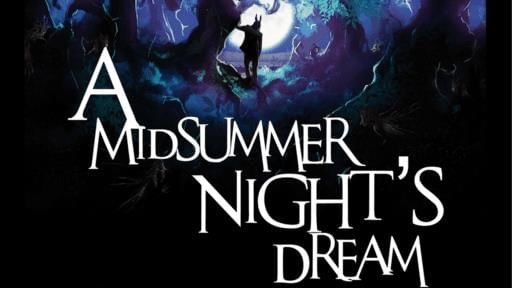
 | INFINITY COURSE A Midsummer Night’s Dream Summary – themes & charactersBook Nerd · Last updated on Apr 14, 2026 |
EduRev's A Midsummer Night's Dream - Summary, Themes & Characters Course for Novels offers a comprehensive study of Shakespeare's timeless play. Dive ... view more into a magical realm of love, mischief, and mistaken identities as you explore the enchanting plot and memorable characters. Uncover the themes of love, dreams, and the power of imagination that Shakespeare expertly weaves throughout the story. Immerse yourself in the world of A Midsummer Night's Dream with this illuminating course.
A Midsummer Night’s Dream Summary – Study Material


Trending Courses for Novels

A Midsummer Night's Dream - Summary, Themes & Characters for Novels Exam Pattern 2026-2027
A Midsummer Night's Dream - Summary, Themes & Characters
Summary:
A Midsummer Night's Dream by William Shakespeare is a comedic play set in ancient Athens. The story revolves around the adventures of four young lovers, a group of amateur actors, and a mischievous fairy king and queen.
The play begins with the impending marriage of Theseus, the Duke of Athens, and Hippolyta, the Queen of the Amazons. Meanwhile, two pairs of young lovers, Hermia and Lysander, and Helena and Demetrius, find themselves entangled in a web of love and confusion. Hermia's father insists that she marry Demetrius, but she refuses and plans to escape with Lysander into the forest.
In the forest, the fairy king Oberon and his mischievous servant Puck interfere in the love affairs of the mortals. Oberon orders Puck to use a magical flower to make Demetrius fall in love with Helena, but Puck mistakenly applies the potion to Lysander instead. Chaos ensues as both Lysander and Demetrius now pursue Helena, while Hermia is left heartbroken.
Meanwhile, a group of amateur actors led by Bottom rehearses a play to be performed at the wedding of Theseus and Hippolyta. Oberon, amused by their antics, decides to play a prank on Bottom by turning his head into that of a donkey. When Bottom's fellow actors discover his transformation, they flee in fear.
In the end, Oberon reverses the spell on Lysander and restores order to the love triangle. The lovers are reunited, and Theseus and Hippolyta enjoy the play performed by Bottom and his friends. The play concludes with a blessing on the couples' marriages.
Themes:
1. Love and Desire: Love is a central theme in A Midsummer Night's Dream. The play explores the irrationality of love, the power of attraction, and the complexities of romantic relationships. It portrays the confusion and unpredictability that can arise from love and desire.
2. Dreams and Illusions: Dreams and illusions play a significant role in the play. Characters often mistake their dreams for reality, blurring the lines between the two. This theme highlights the transformative and fantastical nature of dreams and the potential for them to shape our experiences.
3. Order and Disorder: The play juxtaposes order and disorder, highlighting the tensions between the civilized world of Athens and the wild, chaotic forest. It explores the idea that order and rationality can be disrupted by the unpredictable forces of love, magic, and dreams.
Characters:
1. Theseus: The Duke of Athens and a symbol of order and authority.
2. Hippolyta: The Queen of the Amazons and Theseus's bride-to-be.
3. Hermia: A young woman in love with Lysander, who defies her father's wishes to marry Demetrius.
4. Lysander: Hermia's lover and a victim of Puck's mischief.
5. Helena: Hermia's friend who is in love with Demetrius, but her feelings are unrequited.
6. Demetrius: A man initially in love with Hermia, but later enchanted to love Helena.
7. Oberon: The fairy king who orchestrates the chaos and mischief in the forest.
8. Titania: The fairy queen and Oberon's wife.
9. Puck (Robin Goodfellow): Oberon's mischievous servant who causes confusion with his magic.
10. Bottom: An overconfident weaver who becomes the target of Oberon's prank.
Exam Pattern for Novels:
1. Understanding of the plot and main events in the novel.
2. Analysis of key themes and their significance in the story.
3. Identification and description of major characters and their roles.
4. Interpretation of literary devices and techniques used by the author.
5. Evaluation of the overall impact and message of the novel.
6. Comparison of the novel with other works of literature or relevant historical contexts.
7. Critical thinking and interpretation of the author's intentions and underlying messages.
8. Ability to articulate personal opinions and arguments supported by evidence from the text.
Summary:
A Midsummer Night's Dream by William Shakespeare is a comedic play set in ancient Athens. The story revolves around the adventures of four young lovers, a group of amateur actors, and a mischievous fairy king and queen.
The play begins with the impending marriage of Theseus, the Duke of Athens, and Hippolyta, the Queen of the Amazons. Meanwhile, two pairs of young lovers, Hermia and Lysander, and Helena and Demetrius, find themselves entangled in a web of love and confusion. Hermia's father insists that she marry Demetrius, but she refuses and plans to escape with Lysander into the forest.
In the forest, the fairy king Oberon and his mischievous servant Puck interfere in the love affairs of the mortals. Oberon orders Puck to use a magical flower to make Demetrius fall in love with Helena, but Puck mistakenly applies the potion to Lysander instead. Chaos ensues as both Lysander and Demetrius now pursue Helena, while Hermia is left heartbroken.
Meanwhile, a group of amateur actors led by Bottom rehearses a play to be performed at the wedding of Theseus and Hippolyta. Oberon, amused by their antics, decides to play a prank on Bottom by turning his head into that of a donkey. When Bottom's fellow actors discover his transformation, they flee in fear.
In the end, Oberon reverses the spell on Lysander and restores order to the love triangle. The lovers are reunited, and Theseus and Hippolyta enjoy the play performed by Bottom and his friends. The play concludes with a blessing on the couples' marriages.
Themes:
1. Love and Desire: Love is a central theme in A Midsummer Night's Dream. The play explores the irrationality of love, the power of attraction, and the complexities of romantic relationships. It portrays the confusion and unpredictability that can arise from love and desire.
2. Dreams and Illusions: Dreams and illusions play a significant role in the play. Characters often mistake their dreams for reality, blurring the lines between the two. This theme highlights the transformative and fantastical nature of dreams and the potential for them to shape our experiences.
3. Order and Disorder: The play juxtaposes order and disorder, highlighting the tensions between the civilized world of Athens and the wild, chaotic forest. It explores the idea that order and rationality can be disrupted by the unpredictable forces of love, magic, and dreams.
Characters:
1. Theseus: The Duke of Athens and a symbol of order and authority.
2. Hippolyta: The Queen of the Amazons and Theseus's bride-to-be.
3. Hermia: A young woman in love with Lysander, who defies her father's wishes to marry Demetrius.
4. Lysander: Hermia's lover and a victim of Puck's mischief.
5. Helena: Hermia's friend who is in love with Demetrius, but her feelings are unrequited.
6. Demetrius: A man initially in love with Hermia, but later enchanted to love Helena.
7. Oberon: The fairy king who orchestrates the chaos and mischief in the forest.
8. Titania: The fairy queen and Oberon's wife.
9. Puck (Robin Goodfellow): Oberon's mischievous servant who causes confusion with his magic.
10. Bottom: An overconfident weaver who becomes the target of Oberon's prank.
Exam Pattern for Novels:
1. Understanding of the plot and main events in the novel.
2. Analysis of key themes and their significance in the story.
3. Identification and description of major characters and their roles.
4. Interpretation of literary devices and techniques used by the author.
5. Evaluation of the overall impact and message of the novel.
6. Comparison of the novel with other works of literature or relevant historical contexts.
7. Critical thinking and interpretation of the author's intentions and underlying messages.
8. Ability to articulate personal opinions and arguments supported by evidence from the text.


A Midsummer Night's Dream - Summary, Themes & Characters Syllabus 2026-2027 PDF Download
Novels Syllabus:
I. A Midsummer Night's Dream - Summary:
- Overview of the plot and main events in the novel.
- Introduction to the major characters and their roles in the story.
- Analysis of the setting and its impact on the narrative.
- Discussion of the conflicts and resolutions presented in the story.
- Examination of the overall structure and pacing of the novel.
II. A Midsummer Night's Dream - Themes:
- Love and its various manifestations.
- The power of imagination and the supernatural.
- The role of dreams and reality.
- The theme of illusion and deception.
- The concept of order and chaos in the play.
- The exploration of gender roles and identity.
III. A Midsummer Night's Dream - Quotes:
- Selection of significant quotes from the novel and their analysis.
- Discussion of the context and meaning behind the chosen quotes.
- Examination of the language and literary techniques used in the quotes.
- Exploration of the themes and characters represented in the quotes.
IV. A Midsummer Night's Dream - Characters:
- Introduction to the main characters and their motivations.
- Analysis of the relationships between the characters.
- Discussion of the character development throughout the novel.
- Examination of the role of minor characters in the story.
- Exploration of the techniques used by the author to portray the characters.
V. A Midsummer Night's Dream - Analysis:
- In-depth analysis of the novel's key themes and symbols.
- Examination of the social, cultural, and historical context of the novel.
- Discussion of the author's writing style and use of literary devices.
- Exploration of the novel's reception and critical interpretations.
- Comparison of A Midsummer Night's Dream with other works by the author.
By following this syllabus, readers will gain a comprehensive understanding of A Midsummer Night's Dream, including its summary, major themes, significant quotes, memorable characters, and a thorough analysis of the novel as a whole.
I. A Midsummer Night's Dream - Summary:
- Overview of the plot and main events in the novel.
- Introduction to the major characters and their roles in the story.
- Analysis of the setting and its impact on the narrative.
- Discussion of the conflicts and resolutions presented in the story.
- Examination of the overall structure and pacing of the novel.
II. A Midsummer Night's Dream - Themes:
- Love and its various manifestations.
- The power of imagination and the supernatural.
- The role of dreams and reality.
- The theme of illusion and deception.
- The concept of order and chaos in the play.
- The exploration of gender roles and identity.
III. A Midsummer Night's Dream - Quotes:
- Selection of significant quotes from the novel and their analysis.
- Discussion of the context and meaning behind the chosen quotes.
- Examination of the language and literary techniques used in the quotes.
- Exploration of the themes and characters represented in the quotes.
IV. A Midsummer Night's Dream - Characters:
- Introduction to the main characters and their motivations.
- Analysis of the relationships between the characters.
- Discussion of the character development throughout the novel.
- Examination of the role of minor characters in the story.
- Exploration of the techniques used by the author to portray the characters.
V. A Midsummer Night's Dream - Analysis:
- In-depth analysis of the novel's key themes and symbols.
- Examination of the social, cultural, and historical context of the novel.
- Discussion of the author's writing style and use of literary devices.
- Exploration of the novel's reception and critical interpretations.
- Comparison of A Midsummer Night's Dream with other works by the author.
By following this syllabus, readers will gain a comprehensive understanding of A Midsummer Night's Dream, including its summary, major themes, significant quotes, memorable characters, and a thorough analysis of the novel as a whole.
This course is helpful for the following exams: Novels
How to Prepare A Midsummer Night's Dream - Summary, Themes & Characters for Novels?
How to Prepare A Midsummer Night's Dream - Summary, Themes & Characters for Novels?
Preparing for the novel A Midsummer Night's Dream involves understanding its summary, themes, and characters. Here is a comprehensive guide to help you in your preparation:
Summary:
A Midsummer Night's Dream, written by William Shakespeare, is a comedic play set in ancient Athens. The story revolves around the adventures and misadventures of four young Athenian lovers, a group of amateur actors, and the fairies who inhabit a nearby forest.
The play begins with the impending marriage of Duke Theseus and Hippolyta. Meanwhile, four young Athenians find themselves entangled in a web of love and mistaken identities. Hermia is in love with Lysander, but her father wants her to marry Demetrius. Hermia and Lysander decide to run away into the forest to escape the Athenian law. Helena, who is in love with Demetrius, follows them.
In the forest, the fairy king and queen, Oberon and Titania, have their own quarrels. Oberon instructs his mischievous servant, Puck, to use a love potion on Titania. Chaos ensues when Puck mistakenly puts the love potion on the wrong people, leading to hilarious and confusing situations.
Eventually, all the misunderstandings are resolved, and the lovers are united. The play concludes with a comedic performance by the amateur actors, who provide entertainment for the newlywed Duke and Duchess.
Themes:
1. Love and Desire: Love is a central theme in A Midsummer Night's Dream. The play explores the irrational and often unpredictable nature of love, showcasing both its joys and its follies.
2. Reality vs. Illusion: The play blurs the line between reality and illusion, highlighting how perception can be distorted and manipulated. The characters' experiences in the forest challenge their understanding of what is real and what is merely a dream.
3. Order and Disorder: A Midsummer Night's Dream explores the themes of order and disorder. The orderly and structured world of Athens contrasts with the chaotic and magical realm of the forest.
4. Gender Roles: The play also examines gender roles and expectations. The female characters challenge societal norms by pursuing their desires and asserting their independence.
Characters:
1. Theseus: The Duke of Athens, about to marry Hippolyta.
2. Hippolyta: The Queen of the Amazons, engaged to Theseus.
3. Hermia: A young Athenian woman in love with Lysander.
4. Lysander: Hermia's lover, who elopes with her to the forest.
5. Demetrius: Initially in love with Hermia but later pursued by Helena.
6. Helena: In love with Demetrius and follows him into the forest.
7. Oberon: The fairy king, who causes mischief with a love potion.
8. Titania: The fairy queen, who is affected by the love potion.
9. Puck (Robin Goodfellow): Oberon's mischievous servant.
10. Bottom: An amateur actor who is transformed into a donkey by Puck.
By understanding the summary, themes, and characters of A Midsummer Night's Dream, you will be well-prepared to analyze and appreciate this classic novel in your studies.
Importance of A Midsummer Night's Dream - Summary, Themes & Characters for Novels
Importance of A Midsummer Night's Dream - Summary, Themes & Characters Course for Novels
The A Midsummer Night's Dream - Summary, Themes & Characters course offered by EduRev is an essential resource for anyone interested in the world of novels. This course provides a comprehensive understanding of one of William Shakespeare's most beloved plays, A Midsummer Night's Dream. By delving into the summary, themes, and characters of this play, students can gain valuable insights into the art of storytelling and the literary techniques employed by the renowned playwright.
Summary:
The course begins with a detailed summary of A Midsummer Night's Dream. Students are introduced to the enchanting world of Athens, where the story unfolds. They learn about the events that transpire when four young lovers, a group of amateur actors, and mischievous fairies cross paths in a magical forest. The summary captivates readers by highlighting the comedic and romantic elements of the play, as well as the underlying themes of love, dreams, and the blurred lines between reality and illusion.
Themes:
Understanding the themes of a literary work is crucial for analyzing and interpreting its deeper meaning. The A Midsummer Night's Dream - Summary, Themes & Characters course explores the various themes present in Shakespeare's play. Students are exposed to the theme of love and its complexities, as depicted through the tangled relationships of the characters. They also examine the theme of dreams and the transformative power of imagination. Furthermore, the course sheds light on the theme of appearance versus reality, emphasizing how things may not always be as they seem.
Characters:
Characters play a pivotal role in any novel, as they drive the plot and convey the author's message. In this course, students are introduced to the diverse and intriguing characters of A Midsummer Night's Dream. They get acquainted with the mischievous fairy king Oberon, his lively queen Titania, and the playful sprite Puck. The course delves into the complex dynamics between the young lovers Hermia, Lysander, Helena, and Demetrius, exploring their desires, conflicts, and transformations. Students also gain insights into the humorous and bumbling troupe of amateur actors, led by the character Bottom.
By enrolling in the A Midsummer Night's Dream - Summary, Themes & Characters course, students can enhance their understanding of the novel genre and develop critical thinking skills. This course equips them with the tools to analyze and appreciate the literary techniques employed by Shakespeare, such as the use of language, symbolism, and dramatic irony. With its visually appealing content and comprehensive coverage of summary, themes, and characters, this course is an invaluable resource for novel enthusiasts seeking to explore the timeless beauty of A Midsummer Night's Dream.
The A Midsummer Night's Dream - Summary, Themes & Characters course offered by EduRev is an essential resource for anyone interested in the world of novels. This course provides a comprehensive understanding of one of William Shakespeare's most beloved plays, A Midsummer Night's Dream. By delving into the summary, themes, and characters of this play, students can gain valuable insights into the art of storytelling and the literary techniques employed by the renowned playwright.
Summary:
The course begins with a detailed summary of A Midsummer Night's Dream. Students are introduced to the enchanting world of Athens, where the story unfolds. They learn about the events that transpire when four young lovers, a group of amateur actors, and mischievous fairies cross paths in a magical forest. The summary captivates readers by highlighting the comedic and romantic elements of the play, as well as the underlying themes of love, dreams, and the blurred lines between reality and illusion.
Themes:
Understanding the themes of a literary work is crucial for analyzing and interpreting its deeper meaning. The A Midsummer Night's Dream - Summary, Themes & Characters course explores the various themes present in Shakespeare's play. Students are exposed to the theme of love and its complexities, as depicted through the tangled relationships of the characters. They also examine the theme of dreams and the transformative power of imagination. Furthermore, the course sheds light on the theme of appearance versus reality, emphasizing how things may not always be as they seem.
Characters:
Characters play a pivotal role in any novel, as they drive the plot and convey the author's message. In this course, students are introduced to the diverse and intriguing characters of A Midsummer Night's Dream. They get acquainted with the mischievous fairy king Oberon, his lively queen Titania, and the playful sprite Puck. The course delves into the complex dynamics between the young lovers Hermia, Lysander, Helena, and Demetrius, exploring their desires, conflicts, and transformations. Students also gain insights into the humorous and bumbling troupe of amateur actors, led by the character Bottom.
By enrolling in the A Midsummer Night's Dream - Summary, Themes & Characters course, students can enhance their understanding of the novel genre and develop critical thinking skills. This course equips them with the tools to analyze and appreciate the literary techniques employed by Shakespeare, such as the use of language, symbolism, and dramatic irony. With its visually appealing content and comprehensive coverage of summary, themes, and characters, this course is an invaluable resource for novel enthusiasts seeking to explore the timeless beauty of A Midsummer Night's Dream.
A Midsummer Night's Dream - Summary, Themes & Characters for Novels FAQs
| 1. What are the main themes in A Midsummer Night's Dream? |  |
Ans. A Midsummer Night's Dream explores love's irrationality, the power of magic and illusion, and the conflict between reason and imagination. The play examines how love makes people act foolishly, how supernatural forces disrupt reality, and how dreams blur the line between fantasy and consciousness. Friendship, ambition, and transformation also feature prominently throughout the narrative.
| 2. Who are the four main lovers in A Midsummer Night's Dream and what happens to them? | |
Ans. Hermia and Lysander are young Athenian lovers pursued by Helena and Demetrius. When Puck mistakenly enchants the wrong characters with love juice, all four become entangled in chaos. Hermia and Lysander initially separate, while Helena chases Demetrius desperately. Eventually, magic corrects the confusion, pairing Hermia with Lysander and Helena with Demetrius, ending the love triangle complications.
| 3. What is the role of Oberon and Titania in the story? | |
Ans. Oberon and Titania are the fairy king and queen whose marital conflict drives the plot's magical chaos. Their quarrel over a changeling boy causes Oberon to enchant Titania with love potion, making her fall for Bottom. Their feud disrupts the natural world, affecting weather and seasons. By story's end, they reconcile, restoring harmony and blessing the human lovers' marriages.
| 4. How does Puck's character affect the events in A Midsummer Night's Dream? | |
Ans. Puck, Oberon's mischievous servant, executes the love-spell plot but causes comedic chaos through mistaken identity. He enchants Lysander instead of Demetrius, creating confusion among the lovers. Puck also transforms Bottom into a donkey, leading to Titania's humiliation. Though his errors complicate matters, Puck ultimately corrects them, allowing the play to reach its happy resolution.
| 5. What is the significance of the fairy world in A Midsummer Night's Dream? | |
Ans. The fairy realm represents magic, illusion, and the unconscious mind operating outside rational society. Fairies embody nature's mysterious forces and serve as agents of transformation and chaos. Their enchanted forest becomes a space where normal rules dissolve, allowing love and desire to operate freely. This supernatural setting contrasts sharply with the rigid Athenian court's logic and law.
| 6. Why does Hermia refuse to marry Demetrius in A Midsummer Night's Dream? | |
Ans. Hermia loves Lysander and refuses to obey her father Egeus, who demands she marry Demetrius instead. According to Athenian law, she faces either marriage, death, or becoming a nun. Hermia's defiance of paternal authority and her choice of true love over parental consent drives the conflict. Her rebellion initiates the journey into the enchanted forest where the story's magic unfolds.
| 7. What happens to Bottom in A Midsummer Night's Dream and why? | |
Ans. Puck transforms Bottom's head into a donkey's head as punishment for his arrogance during rehearsals in the forest. Titania, under love enchantment, immediately falls for the transformed Bottom and treats him as her beloved. Despite his grotesque appearance, Bottom remains unaware of his transformation. When the spell breaks, Bottom returns to normal, remembering the experience as a dreamlike vision.
| 8. How do the mechanicals' play relate to the main plot of A Midsummer Night's Dream? | |
Ans. The mechanicals-working-class actors-rehearse "Pyramus and Thisbe," a tragic love story mirroring the main lovers' conflicts. Their bumbling performance parodies the serious romantic drama happening simultaneously in the forest. Their play-within-a-play provides comic relief while reinforcing themes of love, fate, and theatrical illusion. Bottom's transformation during rehearsals directly entangles them with the fairy plot.
| 9. What does the ending of A Midsummer Night's Dream reveal about dreams and reality? | |
Ans. The ending suggests dreams and reality are indistinguishable; characters question whether their forest experiences were real or imagined. Puck's epilogue hints that the entire play itself might be a dream. This ambiguity reinforces the play's exploration of illusion versus consciousness. The lovers' happiness remains valid regardless of whether events occurred physically or in their minds, blurring fantasy boundaries.
| 10. What are the key character sketches needed for A Midsummer Night's Dream exam preparation? | |
Ans. Essential characters include Hermia (defiant lover), Lysander (devoted suitor), Helena (desperate pursuer), Demetrius (reluctant target), Oberon (controlling fairy king), Titania (enchanted queen), Puck (magical trickster), and Bottom (vain mechanic). Each character represents different aspects of love, ambition, and transformation. Understanding their motivations, relationships, and development is crucial for character analysis questions. EduRev provides detailed character notes and mind maps for effective revision.
Course Description
A Midsummer Night's Dream - Summary, Themes & Characters for Novels 2026-2027 is part of Novels preparation. The notes and questions for A Midsummer Night's Dream - Summary, Themes & Characters have been prepared according to the Novels exam syllabus. Information about A Midsummer Night's Dream - Summary, Themes & Characters covers all important topics for Novels 2026-2027 Exam. Find important definitions, questions, notes,examples, exercises test series, mock tests and Previous year questions (PYQs) below for A Midsummer Night's Dream - Summary, Themes & Characters.
Preparation for A Midsummer Night's Dream - Summary, Themes & Characters in English is available as part of our Novels preparation & A Midsummer Night's Dream - Summary, Themes & Characters in Hindi for Novels courses. Download more important topics related with A Midsummer Night's Dream - Summary, Themes & Characters, notes, lectures and mock test series for Novels Exam by signing up for free.
Course Speciality
A Midsummer Night's Dream is a comedy written by William Shakespeare in 1595/96. It portrays the events surrounding the marriage of Theseus, the Duke of Athens, to Hippolyta, the former queen of the Amazons.
A Midsummer Night's Dream - Summary, Themes & Characters course covering all chapters & topics, with key concepts, quick revision & practice questions. Joined by 342+ students. Start for free.
Course Options
 | View your Course Analysis |  |
 | Create your own Test | |



Related Exams
|
Join course for Free
THIS COURSE INCLUDES:
 Documents
 Ratings
 | Explore Courses for Novels exam |  |
Signup for Free!
Signup to see your scores go up within 7 days! Learn & Practice with 1000+ FREE Notes, Videos & Tests.
Course Speciality
A Midsummer Night's Dream is a comedy written by William Shakespeare in 1595/96. It portrays the events surrounding the marriage of Theseus, the Duke of Athens, to Hippolyta, the former queen of the Amazons.
A Midsummer Night's Dream - Summary, Themes & Characters course covering all chapters & topics, with key concepts, quick revision & practice questions. Joined by 342+ students. Start for free.


