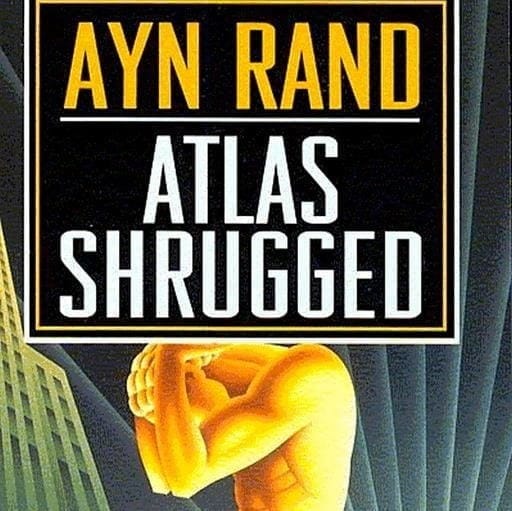
 | INFINITY COURSE Atlas Shrugged Summary – themes, ideas & charactersReadtree World · Last updated on Apr 14, 2026 |
Atlas Shrugged Summary – themes, ideas Study Material


Trending Courses for Novels

Atlas Shrugged Complete Summary and Plot Overview
Atlas Shrugged is Ayn Rand's masterpiece novel published in 1957, spanning over 1,000 pages and representing the pinnacle of philosophical fiction. This monumental work explores a dystopian America where the most productive and talented individuals mysteriously disappear, leaving society on the brink of collapse. The Atlas Shrugged complete summary follows the interconnected journeys of remarkable characters as they navigate a world crumbling under the weight of government intervention and collective mediocrity.
The novel is divided into three distinct parts: "Non-Contradiction," "Either-Or," and "A is A," each representing a philosophical progression in Rand's argument. To fully grasp the Atlas Shrugged plot summary, readers must understand that the story operates on multiple levels-as a gripping narrative, a philosophical treatise, and a blueprint for Rand's revolutionary ideas about human nature and society.
For a comprehensive understanding of how the narrative unfolds, explore our detailed Atlas Shrugged summary section, which breaks down the essential plot points and character developments that drive this monumental work forward.
The Central Crisis and Setting
The story takes place in a near-future America plagued by economic stagnation and moral confusion. Railway executive Dagny Taggart watches helplessly as the nation's most capable people vanish without explanation. The government responds with increasingly restrictive regulations, further strangling productive enterprises. This creates the central tension: as talented individuals disappear, society's infrastructure crumbles, yet those remaining seem powerless to prevent the catastrophe.
The Three-Part Structure Explained
- Part One - "Non-Contradiction": Introduces the mystery of vanishing industrialists and society's descent into chaos
- Part Two - "Either-Or": Deepens the conflict as Dagny discovers the truth about the strikers' movement
- Part Three - "A is A": Culminates in the philosophical revelation and dramatic climax
Atlas Shrugged summary section
Who is John Galt? Understanding the Central Question
"Who is John Galt?" becomes the haunting refrain throughout the novel, and understanding this question is essential to grasping the book's entire philosophy. John Galt emerges as the protagonist and intellectual leader of what Rand calls "the strike of the mind"-a movement where the world's most rational and productive individuals withdraw their talents from society.
The question "who is John Galt" initially appears as a folk expression meaning "who knows?" but transforms into something profoundly significant as the narrative progresses. Galt represents the pinnacle of human achievement: a brilliant engineer who has created a revolutionary motor capable of generating unlimited clean energy. Yet he deliberately chooses to remain hidden, orchestrating a movement that fundamentally challenges society's moral foundations.
To grasp the deeper philosophical implications of this central enigma, our dedicated themes section explores how Rand uses Galt's character to illustrate her philosophical ideals and the moral justification for productive individuals abandoning a corrupt system.
The Strike of the Mind Concept
Galt's movement represents an unprecedented form of protest-not violence or political action, but intellectual withdrawal. The most capable minds refuse to participate in a system that punishes achievement and rewards mediocrity. This philosophical stance forms the emotional and intellectual core of the entire narrative.
themes section
Major Themes in Atlas Shrugged: Objectivism and Individualism
Ayn Rand crafted Atlas Shrugged as the ultimate expression of her philosophical system, Objectivism. The Atlas Shrugged themes encompass far more than a mere story-they represent a comprehensive worldview that challenges readers to reconsider fundamental assumptions about morality, achievement, and human nature.
Objectivism in Atlas Shrugged is the philosophical bedrock upon which every character, plot point, and dialogue rests. Rand argues that rational self-interest is moral, that individual achievement should be celebrated, and that sacrificing one's own happiness for others-or demanding others sacrifice for you-is fundamentally immoral.
Core Philosophical Themes
| Theme | Core Concept | Character Example |
|---|---|---|
| Individualism | Celebration of human achievement and rational self-interest | Hank Rearden's pursuit of his metal invention |
| The Role of Reason | Rational thinking as the only valid guide to action | Dagny's logical analysis and decision-making |
| Capitalism | Unregulated free market as the only moral system | Productive industrialists and their struggles |
| Mind on Strike | Productive individuals withdrawing from parasitic systems | John Galt and Galt's Gulch residents |
Individualism in Atlas Shrugged isn't portrayed as selfish cruelty but as enlightened self-respect. Each productive individual pursues their own happiness as their highest moral purpose. Meanwhile, capitalism in Atlas Shrugged appears as the only system that rewards such virtue, allowing talented individuals to prosper through voluntary trade and mutual benefit.
Main Characters in Atlas Shrugged: Dagny Taggart, Hank Rearden, and John Galt
Understanding the Atlas Shrugged main characters is crucial for appreciating Rand's philosophical argument. Each character embodies different aspects of her moral philosophy, from the heroic producers to the parasitic looters who drain productive society.
The Three Protagonists
Dagny Taggart serves as the novel's central character-a brilliant railroad executive determined to save her company and nation from collapse. She represents competence, integrity, and unwavering commitment to excellence. Dagny Taggart character analysis reveals a woman who refuses to compromise her standards despite enormous pressure, eventually discovering that the system itself is irredeemable.
Hank Rearden is an industrial titan who invents revolutionary Rearden Metal through years of dedicated research. His character demonstrates the tragedy of productive genius operating within a system designed to exploit it. Despite creating genuine value, he faces legal persecution and moral condemnation from those who produce nothing.
John Galt represents the ultimate rational hero-a man of uncompromising principle who chooses intellectual exile over moral compromise. His role as leader of "the strike of the mind" embodies Rand's vision of how truly moral individuals must respond to systemic corruption.
For deeper character insights and their individual journeys, explore our comprehensive character analysis covering every significant figure in the novel.
Supporting Characters Who Matter
- Francisco d'Anconia: A copper magnate and childhood friend of Dagny; appears as frivolous before revealing his role in the strike
- Ragnar Danneskjöld: A pirate who redistributes wealth stolen by looters, operating as a moral avenger
- Eddie Willers: Dagny's loyal assistant who represents honest, productive work without genius-level talent
- James Taggart: Dagny's brother and company president; embodies mediocrity elevated through political manipulation
character analysis
Atlas Shrugged Part 1, 2, and 3 Summary Breakdown
Breaking down the novel by its three parts helps readers understand how Rand develops her philosophical argument progressively. The Atlas Shrugged part 1 summary introduces the mystery and initial consequences of talented individuals vanishing.
Atlas Shrugged part 2 summary accelerates the crisis as the economy deteriorates and Dagny begins discovering the truth about the disappearances. The government responds with increasingly draconian measures, creating absurd situations where productive individuals are forced to subsidize the incompetent.
Atlas Shrugged part 3 summary culminates in the dramatic revelation of Galt's identity and philosophy, followed by a climactic confrontation that determines society's fate. The ending presents Rand's ultimate statement about the relationship between productive genius and parasitic mediocrity.
The Philosophy of Objectivism in Atlas Shrugged Explained
Ayn Rand Objectivism represents a comprehensive philosophy encompassing metaphysics, epistemology, ethics, and politics. Atlas Shrugged philosophy serves as Rand's most complete artistic and intellectual expression of these ideas.
The novel argues that reality is objective, that reason is the only valid means of understanding it, and that each individual has the right to pursue their own happiness as their highest moral purpose. This stands in direct opposition to altruism, which Rand views as a demand that the virtuous sacrifice themselves for the undeserving.
Key Philosophical Principles
At its heart, Atlas Shrugged moral themes present a revolutionary ethical system. Rand argues that virtue consists of productive achievement in pursuit of one's own rational self-interest. The highest moral act is creating value; the deepest immorality is demanding unearned benefits or coercing others.
Character Analysis: Dagny Taggart's Role and Development
Dagny Taggart character analysis reveals one of fiction's most compelling heroines. She begins the novel as a brilliant executive working within a corrupt system, believing she can save it through her own competence. Her character arc traces a painful journey from optimism to disillusionment to ultimate enlightenment.
Dagny's relationships with the novel's other heroes-Hank, Francisco, and eventually John Galt-each represent stages in her understanding of why productive individuals can no longer participate in systems designed to exploit them.
What Does "Atlas Shrugged" Mean? Symbolism and Metaphors
The title itself encapsulates the novel's central metaphor. Atlas, from Greek mythology, holds the entire world on his shoulders. In Rand's vision, the world's productive individuals-the modern-day "Atlases"-literally support civilization through their achievement. When they "shrug" and withdraw their support, civilization collapses.
This symbolism extends throughout the narrative. Rearden Metal represents the possibility of human achievement unbound by restrictions. Galt's Gulch (also called Atlantis) symbolizes the potential for a purely rational society built on voluntary cooperation among the productive.
The novel's central motor-John Galt's revolutionary invention-symbolizes human potential and the possibility of solving humanity's problems through individual genius rather than collective coercion.
Free Atlas Shrugged Study Guide and Analysis
Whether you're approaching this monumental novel for the first time or diving deeper into its philosophical implications, having comprehensive study resources makes the journey infinitely more rewarding. The novel's complexity-spanning philosophical arguments, intricate character development, and sweeping plot-demands thorough engagement.
On EduRev, you'll find everything needed for complete understanding, from chapter-by-chapter summaries to thematic analysis. Students preparing for literature examinations or those simply committed to understanding Rand's ideas benefit tremendously from structured, Atlas Shrugged free study guide materials.
Key Quotes from Atlas Shrugged and Their Significance
Rand's prose throughout Atlas Shrugged bristles with quotable passages that capture her philosophical essence. These statements don't merely advance the plot; they articulate fundamental truths about human nature and morality that resonate far beyond the novel's pages.
The most famous line-"Who is John Galt?"-evolves from casual expression to profound philosophical question. Other memorable statements explore themes of achievement, morality, and individual rights, becoming touchstones for understanding Rand's worldview.
The Strikers and Galt's Gulch: Understanding the Novel's Core Concept
The strikers in Atlas Shrugged represent history's most unusual protest movement. Rather than demanding political change or redistribution, they simply withdraw-refusing to participate in a system that punishes their virtue and rewards mediocrity.
Galt's Gulch serves as the physical embodiment of this principle: a hidden valley where the world's most productive individuals create a genuinely functioning society based on rational self-interest and voluntary cooperation. It demonstrates Rand's vision of what civilization could become without coercive institutions.
Antagonists in Atlas Shrugged: James Taggart and the Looters
While John Galt and his allies represent productive virtue, James Taggart villain and his allies embody the parasitic principle. These characters don't create value; they manipulate political systems to drain wealth from producers.
James Taggart, Dagny's brother, exemplifies this perfectly. Incompetent as a railroad executive, he survives through political connections, subsidies, and regulations that destroy his competitors. His character demonstrates how systems that punish achievement inevitably elevate the mediocre through coercion.
The looters collectively represent everyone who benefits from systems of force rather than voluntary exchange-politicians, bureaucrats, and pseudo-intellectuals who justify their parasitism through appeals to collective good.
Atlas Shrugged PDF Summary and Chapter Notes
For students and readers seeking convenient access to Atlas Shrugged summary pdf resources, EduRev provides comprehensive materials perfectly suited for examination preparation and independent study. Whether you need quick chapter summaries or detailed analysis, these resources support learning at every level.
The novel's sheer length and philosophical density make Atlas Shrugged chapter summary guides invaluable. Rather than struggling through dense philosophical passages, students can access clear explanations that illuminate Rand's arguments and their fictional expression.
Navigate through our complete resources on EduRev to master every aspect of this monumental work-from basic plot understanding to sophisticated philosophical analysis. Whether preparing for literature examinations or simply committed to intellectual growth, you'll find the comprehensive study materials necessary for success.
Atlas Shrugged - Summary, Themes and Characters for Novels Exam Pattern 2026-2027
Summary:
Atlas Shrugged is a novel written by Ayn Rand and was first published in 1957. The story is set in a dystopian future where the United States is on the verge of collapse due to excessive government intervention and regulations. The novel follows the journey of Dagny Taggart, a successful railroad executive, as she struggles to keep her company afloat amidst economic turmoil and the disappearance of the world's most productive individuals.
As the story progresses, Dagny uncovers a secret society of inventors and entrepreneurs who have gone on strike, refusing to be exploited by the government and society. Led by the enigmatic John Galt, this group retreats to a hidden valley called Galt's Gulch, where they create a society based on individualism, reason, and free-market principles. Dagny eventually joins them, leaving behind the decaying world.
Themes:
1. Individualism: A prominent theme in Atlas Shrugged is the celebration of individualism and the importance of individual achievement. The novel emphasizes the value of personal ambition, creativity, and self-interest in driving progress and success.
2. Capitalism and Free Markets: Ayn Rand advocates for laissez-faire capitalism and free markets as the only economic system that allows individuals to thrive and reach their full potential. She criticizes government intervention and regulations that stifle innovation and redistribute wealth.
3. Objectivism: The philosophy of Objectivism, developed by Ayn Rand, underlies the entire narrative of Atlas Shrugged. It emphasizes the importance of reason, rational self-interest, and the pursuit of one's own happiness as the fundamental principles of human existence.
4. Morality of Productivity: The novel explores the moral implications of productivity and the role of creators and innovators in society. It argues that those who contribute the most to the world are often the most vilified and exploited, while those who contribute the least benefit from their efforts.
Characters:
1. Dagny Taggart: The protagonist of the novel, Dagny is a strong-willed and ambitious railroad executive. She is determined to save her company and find the person responsible for the disappearance of the world's most talented individuals.
2. Hank Rearden: A successful steel magnate, Hank Rearden is known for his revolutionary metal, Rearden Metal. He becomes involved with Dagny and joins her in the fight against the oppressive government.
3. John Galt: The mysterious leader of the strike and the inventor of an engine that could revolutionize the world, John Galt embodies the ideals of individualism and reason. He becomes Dagny's love interest and ultimately leads her to Galt's Gulch.
4. Francisco d'Anconia: A wealthy industrialist and childhood friend of Dagny, Francisco d'Anconia initially appears to be a playboy. However, he is revealed to be part of the strike and plays a crucial role in the novel's events.
5. James Taggart: Dagny's incompetent and corrupt brother, James Taggart is the president of Taggart Transcontinental. He represents the epitome of mediocrity and embodies the novel's critique of collectivism.
In conclusion, Atlas Shrugged is a thought-provoking novel that explores themes of individualism, capitalism, and the moral implications of productivity. Through its compelling characters and engaging storyline, it challenges readers to question the role of government and the value of personal achievement in society.


Atlas Shrugged - Summary, Themes and Characters Syllabus 2026-2027 PDF Download
Novels Summary:
Atlas Shrugged is a novel written by Ayn Rand and published in 1957. The story is set in a dystopian future where the world is on the verge of collapse due to government intervention and the decline of individualism. The protagonist, Dagny Taggart, is a successful railroad executive who fights against the corrupt government and joins forces with other like-minded individuals to create a new society based on the principles of capitalism and individualism.
Novels Themes:
1. Individualism: The novel explores the importance of individualism and the pursuit of one's own happiness. It champions the idea that each person should be free to live their life according to their own values and abilities, without interference from others or the government.
2. Capitalism: Atlas Shrugged promotes the virtues of capitalism, emphasizing the importance of free markets, private property rights, and the pursuit of profit. It argues that these principles are essential for human progress and prosperity.
3. Objectivism: Ayn Rand's philosophy of Objectivism is a central theme in the novel. Objectivism advocates for reason, individual rights, and self-interest. It emphasizes the importance of rational thinking and rejects altruism and collectivism.
4. Freedom and Individual Rights: The novel highlights the significance of personal freedom and individual rights as fundamental values in a society. It criticizes the erosion of these rights and the intrusion of government into people's lives.
5. The Power of Innovation: Atlas Shrugged celebrates the power of human creativity and innovation. It shows how individuals who possess the ability to think independently and create new ideas are crucial for societal progress.
Novels Characters:
1. Dagny Taggart: The protagonist of the novel, Dagny is a strong-willed and determined railroad executive. She embodies the virtues of individualism, capitalism, and rationality.
2. Hank Rearden: A successful industrialist and inventor, Hank Rearden represents the spirit of entrepreneurship and innovation. He develops a new metal, Rearden Metal, which becomes a symbol of individual achievement.
3. John Galt: The mysterious figure who leads a strike of the world's top innovators and producers, John Galt embodies the ideals of individualism and capitalism. He is a symbol of resistance against government control and collectivism.
4. Francisco d'Anconia: A wealthy and influential businessman, Francisco d'Anconia is Dagny's former lover. He represents the power of self-interest and the pursuit of personal happiness.
5. James Taggart: Dagny's brother and the president of Taggart Transcontinental, James Taggart represents the corrupt and incompetent bureaucrats who hinder progress and individual success.
6. Ellsworth Toohey: An influential architect and newspaper columnist, Ellsworth Toohey represents the collectivist mindset and the desire for power over others.
7. Ragnar Danneskjöld: A pirate and supporter of John Galt's strike, Ragnar Danneskjöld uses force to reclaim wealth and property from the government. He symbolizes the fight against government oppression.
8. Eddie Willers: Dagny's loyal and hardworking assistant, Eddie Willers represents the common man who struggles to understand the events unfolding in the world.
Overall, Atlas Shrugged is a thought-provoking novel that explores themes of individualism, capitalism, and the power of human creativity. It presents a compelling critique of collectivism and government intervention while championing the virtues of personal freedom and rational thinking.
This course is helpful for the following exams: Novels
How to Prepare Atlas Shrugged - Summary, Themes and Characters for Novels?
How to Prepare Atlas Shrugged - Summary, Themes and Characters for Novels?
Summary:
Atlas Shrugged is a novel written by Ayn Rand, published in 1957. The story is set in a dystopian society where the world's most productive individuals go on strike, causing the collapse of industries and society as a whole. The protagonist, Dagny Taggart, struggles to keep her family's railroad company afloat amidst government interference and economic decline. She meets the enigmatic John Galt, the leader of the strike, and together they work to rebuild a new society based on individualism and free market principles.
Themes:
1. Individualism: A central theme in Atlas Shrugged is the importance of individualism and the pursuit of one's own happiness. The novel champions the rights of individuals to think and act independently, free from the constraints of collectivism and the welfare state.
2. Capitalism and Free Market: Another prominent theme is the celebration of capitalism and the free market. Rand argues that a society based on voluntary exchange and private property rights is the only system that allows individuals to thrive and create wealth.
3. Objectivism: Atlas Shrugged is heavily influenced by Rand's philosophy of Objectivism. This philosophy emphasizes reason, individualism, and self-interest as the fundamental principles for a successful and fulfilling life.
4. Government Interference: The novel critiques the role of government in stifling innovation and productivity. Rand portrays government regulations and intervention as detrimental to the economy, leading to the downfall of society.
5. Morality and Ethics: Atlas Shrugged explores the concept of morality and ethics, particularly in relation to one's own values and goals. The novel challenges traditional notions of altruism and argues that self-interest is the foundation of a moral life.
Characters:
1. Dagny Taggart: The protagonist of the novel, Dagny is a strong-willed and determined businesswoman. She is the Vice President of Operations at Taggart Transcontinental, a railroad company, and struggles to keep the company running amidst economic decline.
2. Hank Rearden: A successful steel magnate, Hank Rearden is known for his invention of Rearden Metal, a revolutionary material. He becomes involved with Dagny and plays a crucial role in the rebuilding of society.
3. John Galt: The mysterious figure who leads the strike of the world's most productive individuals. Galt is an advocate for individualism and free market principles, and his character embodies Rand's philosophy of Objectivism.
4. James Taggart: Dagny's brother and the President of Taggart Transcontinental. James represents the corrupt and inept businessmen who rely on government favors and regulations to maintain their power.
5. Francisco d'Anconia: A childhood friend of Dagny and a successful copper magnate. Francisco initially appears to be a playboy, but later reveals his true purpose in the strike.
In conclusion, Atlas Shrugged is a thought-provoking novel that delves into themes of individualism, capitalism, and the role of government. The characters in the story embody these themes and challenge traditional notions of morality and ethics. By understanding the summary, themes, and characters of Atlas Shrugged, readers can gain a deeper appreciation for Ayn Rand's philosophy and the messages conveyed in the novel.
Importance of Atlas Shrugged - Summary, Themes and Characters for Novels
The course on Atlas Shrugged - Summary, Themes and Characters offered by EduRev is a valuable resource for anyone interested in understanding and analyzing Ayn Rand's iconic novel. This course provides a comprehensive overview of the book, its key themes, and the memorable characters that populate its pages.
Summary:
The course begins with a detailed summary of Atlas Shrugged, providing a concise yet comprehensive overview of the plot. It explores the world created by Ayn Rand, a dystopian society on the brink of collapse where the most productive individuals are disappearing mysteriously. The summary delves into the protagonist's journey, focusing on the struggles of Dagny Taggart, a successful railroad executive, as she navigates the crumbling society and searches for answers.
Themes:
The course delves into the major themes explored in Atlas Shrugged, shedding light on Rand's philosophical ideas and the underlying messages of the novel. It explores the concept of individualism and the importance of pursuing one's own happiness and values. The course also examines the virtues of reason, productivity, and capitalism, highlighting Rand's belief in the power of free markets and the potential of human achievement. Additionally, it delves into the theme of sacrifice and the destructive consequences of collectivism.
Characters:
The course provides an in-depth analysis of the key characters in Atlas Shrugged, unraveling their motivations, conflicts, and significance in the story. It explores the complex protagonist Dagny Taggart, her unwavering determination, and her pursuit of excellence. The course also examines other notable characters such as the enigmatic John Galt, the powerful industrialist Hank Rearden, and the mysterious Francisco d'Anconia. Through the analysis of these characters, the course offers insights into their role in conveying Ayn Rand's philosophical ideas.
By taking the Atlas Shrugged - Summary, Themes and Characters course, students gain a deeper understanding of the novel's intricate plot, its underlying themes, and the complexities of its characters. This course equips readers with the tools to critically analyze and appreciate Ayn Rand's masterpiece, making it an invaluable resource for anyone passionate about literature and philosophy.
Key Points:
- The course provides a summary of Atlas Shrugged, offering a comprehensive overview of the plot.
- It explores the major themes of the novel, including individualism, reason, capitalism, and sacrifice.
- The course analyzes the key characters in Atlas Shrugged, unraveling their motivations and significance.
- By taking the course, students gain a deeper understanding of the novel's plot, themes, and characters.
- This course is a valuable resource for individuals interested in literature and philosophy.
Atlas Shrugged - Summary, Themes and Characters for Novels FAQs
| 1. What is the main theme of Atlas Shrugged and why does it matter? |  |
| 2. Who is Dagny Taggart and what is her role in Atlas Shrugged? | |
| 3. What does the character John Galt symbolize in Atlas Shrugged? | |
| 4. How does Hank Rearden's internal conflict reveal Rand's ideas about guilt and morality? | |
| 5. What are the key events that lead to society's collapse in Atlas Shrugged? | |
| 6. Who is Francisco d'Anconia and how does his character challenge conventional morality? | |
| 7. What is Galt's Gulch and what principles govern this hidden world? | |
| 8. How does Atlas Shrugged critique government regulation and its effect on innovation? | |
| 9. What motivates the productive characters to abandon society in Atlas Shrugged? | |
| 10. How does the philosophy of rational egoism shape the moral choices characters make in Atlas Shrugged? | |
Atlas Shrugged includes elements of science fiction, mystery, and romance, and it contains Rand's most extensive statement of Objectivism in any of her works of fiction.
 | View your Course Analysis |  |
 | Create your own Test | |



|
 Documents
 Ratings
 | Explore Courses for Novels exam |  |
Course Speciality
Atlas Shrugged includes elements of science fiction, mystery, and romance, and it contains Rand's most extensive statement of Objectivism in any of her works of fiction.


