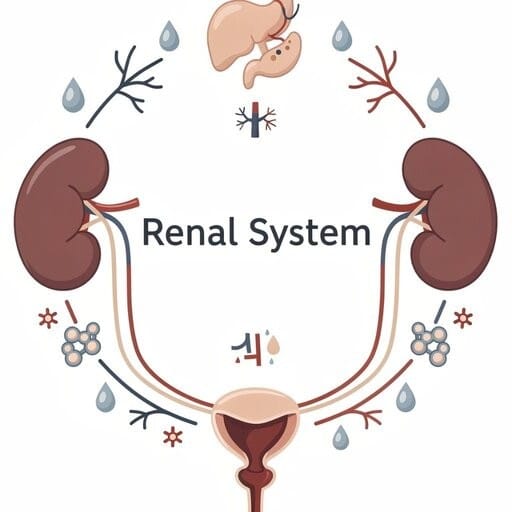
 | INFINITY COURSE Renal SystemGaokaoedge Institute · Last updated on Apr 18, 2026 |
Renal System Study Material


Trending Courses for USMLE Step 1

Renal System for USMLE Step 1 Exam Pattern 2026-2027
Renal System Exam Pattern for USMLE Step 1
The USMLE Step 1 exam assesses medical students' understanding of the basic principles of medicine, with a particular focus on the renal system as part of the broader physiology and pathophysiology curriculum. Here, we'll outline the key components of the renal system exam pattern.
1. Structure of the Exam
- Multiple-Choice Questions: The exam consists of multiple-choice questions that test knowledge across various topics, including the renal system.
- Length of the Exam: The total exam duration is approximately 8 hours, divided into 7 blocks of 40 questions each.
- Question Format: Questions may include patient vignettes, laboratory data interpretation, and theoretical scenarios.
2. Key Topics in the Renal System
- Renal Anatomy: Understand the structure and function of the kidneys, ureters, bladder, and urethra.
- Physiology: Focus on renal function, including glomerular filtration, tubular reabsorption, and secretion.
- Pathology: Learn about common renal diseases such as acute kidney injury, chronic kidney disease, and glomerulonephritis.
- Pharmacology: Study medications affecting kidney function, including diuretics and antihypertensives.
3. Integrated Approach
- Basic Sciences Integration: Questions may incorporate concepts from biochemistry, pathology, and microbiology as they relate to the renal system.
- Clinical Correlations: Be prepared to apply basic science knowledge to clinical scenarios involving renal pathologies.
4. Scoring and Performance
- Scaled Score: The exam is scored on a scale, with a passing score determined by the USMLE program.
- Performance Feedback: Examinees receive feedback on their performance in each content area, including the renal system.
5. Study Resources
- Review Books: Utilize comprehensive review materials specifically focused on the renal system.
- Practice Questions: Engage in practice questions to familiarize yourself with the exam format and identify knowledge gaps.
- Group Study Sessions: Collaborate with peers to discuss renal concepts and quiz each other on key topics.
Understanding the renal system's exam pattern for USMLE Step 1 is crucial for effective preparation. Focus on the key areas outlined above to enhance your performance and ensure a comprehensive grasp of the material.


Renal System Syllabus 2026-2027 PDF Download
USMLE Step 1 Renal System Syllabus
The USMLE Step 1 Renal System syllabus is a vital component of the examination, focusing on the understanding of renal physiology, pathology, anatomy, pharmacology, and embryology. Below is a detailed breakdown of each area to help you prepare effectively.
USMLE Step 1 Renal Physiology
- Understanding of renal function and homeostasis
- Mechanisms of glomerular filtration
- Renal blood flow and its regulation
- Nephron function and tubular transport processes
- Acid-base balance and electrolyte management
- Hormonal regulation (e.g., renin-angiotensin-aldosterone system)
- Concentration and dilution of urine
USMLE Step 1 Renal Pathology
- Common renal diseases (e.g., glomerulonephritis, nephrotic syndrome)
- Acute and chronic kidney injury: causes and consequences
- Renal tumors and their pathophysiology
- Pathological changes in renal biopsies
- Effects of systemic diseases on renal function (e.g., diabetes, hypertension)
- Understanding of electrolyte imbalances and their clinical significance
USMLE Step 1 Renal Anatomy
- Gross anatomy of the kidneys and urinary tract
- Microscopic anatomy of renal structures
- Vascular supply and innervation of the kidneys
- Development and organization of the renal system
- Anatomical relationships of the kidneys to surrounding structures
- Understanding renal anatomy in the context of common procedures (e.g., nephrectomy)
USMLE Step 1 Renal Pharmacology
- Classes of renal pharmacotherapeutics (e.g., diuretics, antihypertensives)
- Mechanisms of action of renal drugs
- Adverse effects and contraindications of renal medications
- Pharmacokinetics and pharmacodynamics related to renal function
- Drug interactions and their implications for renal patients
USMLE Step 1 Renal Embryology
- Development of the renal system from embryonic origins
- Stages of kidney development (pronephros, mesonephros, metanephros)
- Congenital anomalies of the urinary tract
- Developmental milestones in renal embryology
- Impact of genetic and environmental factors on renal development
Conclusion
The USMLE Step 1 Renal System syllabus encompasses a comprehensive study of various crucial aspects of renal science. Mastery of these topics is essential for success in the examination and for a future career in medicine.
This course is helpful for the following exams: USMLE Step 1
How to Prepare Renal System for USMLE Step 1?
How to Prepare Renal System for USMLE Step 1?
Preparing for the renal system section of the USMLE Step 1 can be both challenging and rewarding. To excel, it's essential to have a structured study plan that incorporates various resources and techniques. Here are some effective strategies to help you master the renal system in your USMLE Step 1 preparation with the EduRev course.
1. Understand the Core Concepts
To begin your preparation for the renal system, ensure you have a solid grasp of the basic anatomy, physiology, and pathology of the kidneys. Focus on the following key points:
- Renal Anatomy: Familiarize yourself with the structure of the kidneys, including the nephron and collecting ducts.
- Physiology: Understand glomerular filtration, tubular reabsorption, and secretion processes.
- Pathophysiology: Study common renal diseases such as acute kidney injury, chronic kidney disease, and glomerulonephritis.
2. Utilize High-Yield Resources
The EduRev course offers high-yield resources specifically tailored to the renal system. Make use of:
- Video Lectures: Watch concise video lectures that summarize crucial renal concepts.
- Flashcards: Use flashcards for quick revision of important terms, diseases, and treatment options.
- Practice Questions: Regularly attempt practice questions related to renal pathology to enhance your application skills.
3. Create a Study Schedule
Consistency is key when preparing for the USMLE Step 1. Develop a study schedule that allocates adequate time for the renal system. Consider the following:
- Daily Study Goals: Set specific goals for each study session (e.g., covering a particular topic or completing a set of practice questions).
- Review Sessions: Include regular review sessions in your schedule to reinforce what you have learned.
4. Join Study Groups
Collaborating with peers can enhance your understanding of complex renal topics. Involve yourself in study groups where you can:
- Discuss Key Concepts: Engage in discussions about renal physiology and pathology to solidify your knowledge.
- Share Resources: Exchange notes and resources available in the EduRev course.
5. Focus on Clinical Applications
Understanding the clinical context of renal diseases is crucial for the USMLE Step 1. Pay attention to:
- Case Studies: Analyze case studies that illustrate renal disorders and their management.
- Clinical Vignettes: Practice clinical vignettes that test your ability to apply knowledge to patient scenarios.
6. Take Care of Your Health
Finally, remember that your physical and mental well-being is vital during your preparation. Ensure you:
- Stay Hydrated: Drink plenty of water to maintain focus and energy.
- Get Enough Sleep: Prioritize sleep to help your brain consolidate information.
- Engage in Physical Activity: Regular exercise can reduce stress and improve cognitive function.
By following these strategies and utilizing the resources offered in the EduRev course, you can effectively prepare for the renal system section of the USMLE Step 1. Stay dedicated, and good luck with your studies!
Importance of Renal System for USMLE Step 1
Importance of Renal System Course for USMLE Step 1
The renal system is a crucial component of the human body, playing a vital role in maintaining homeostasis. For medical students preparing for the USMLE Step 1, a deep understanding of renal physiology, pathology, and pharmacology is essential. Here are several key reasons why the Renal System Course offered by EduRev is invaluable for your preparation:
1. Comprehensive Understanding of Kidney Function
The renal system is responsible for filtering blood, regulating electrolytes, and maintaining acid-base balance. A thorough grasp of these concepts is vital for answering exam questions accurately.
2. Correlation with Other Body Systems
The renal system interacts with various other systems, such as the cardiovascular and endocrine systems. Understanding these interconnections is critical for a holistic view of human physiology.
3. Clinical Relevance
Knowledge of renal pathology is essential for diagnosing and managing common clinical conditions, such as acute kidney injury and chronic kidney disease. The course emphasizes clinical cases and scenarios you'll likely encounter in practice.
4. Practice with High-Yield Content
EduRev's Renal System Course focuses on high-yield topics that are frequently tested on the USMLE Step 1, ensuring that you maximize your study efficiency.
5. Expert Guidance
Learn from experienced educators who provide insights and strategies tailored for USMLE preparation, helping you navigate complex renal concepts with ease.
6. Interactive Learning Experience
The course includes quizzes, flashcards, and interactive resources that enhance retention and understanding, making learning engaging and effective.
7. Confidence Building
By mastering the renal system, you will bolster your confidence when facing exam questions, ultimately improving your performance on the USMLE Step 1.
Conclusion
In summary, the Renal System Course by EduRev is an essential component of your study plan for the USMLE Step 1. With its focus on comprehensive understanding, clinical relevance, and high-yield content, this course will equip you with the knowledge and skills necessary to excel in your examination.
Renal System for USMLE Step 1 FAQs
| 1. How do the glomerulus and Bowman's capsule work together in the renal filtration process for USMLE Step 1? |  |
| 2. What are the main differences between proximal convoluted tubule reabsorption and distal convoluted tubule reabsorption? | |
| 3. How does the loop of Henle create the osmotic gradient needed for concentrated urine production? | |
| 4. What is the role of juxtaglomerular cells and the macula densa in regulating glomerular filtration rate? | |
| 5. Which hormones regulate kidney function and what does each hormone do during water balance and electrolyte management? | |
| 6. How do carbonic acid-bicarbonate buffering and renal acid-base regulation work together to maintain blood pH? | |
| 7. What pathophysiological changes occur in acute kidney injury versus chronic kidney disease regarding GFR decline and recovery? | |
| 8. How do the different types of renal failure-prerenal, intrinsic renal, and postrenal-differ in causes and clinical presentation? | |
| 9. What is the pathophysiology of nephrotic syndrome, and how do glomerular diseases cause proteinuria and oedema? | |
| 10. How do diuretics work at different nephron sites, and what electrolyte disturbances result from loop and thiazide diuretic use? | |
 | View your Course Analysis |  |
 | Create your own Test | |



|
 Documents
 Ratings
 | Explore Courses for USMLE Step 1 exam |  |


