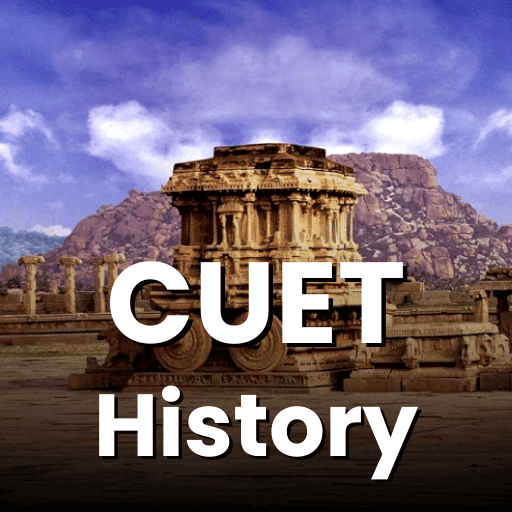
 | INFINITY COURSE CUET UG History Mock Test Series 2026 with solutions - Join Free19,350 students learning this week · Last updated on Apr 14, 2026 |
CUET UG History Mock Test Series Study Material


Trending Courses for Humanities/Arts

Why Choose a Mock Test Series for CUET UG History 2026 Preparation?
Preparing for CUET UG History requires more than just reading textbooks. If you're serious about securing admission to a premier university, taking a structured CUET History mock test series is absolutely essential. Mock tests simulate the actual exam environment and help you understand what to expect on the day of the examination.
A comprehensive CUET UG mock test series offers several critical advantages. First, it familiarizes you with the question format and difficulty level. History questions in CUET aren't straightforward memorization—they require analytical thinking and understanding of historical connections. Second, mock tests help you manage time effectively, which is crucial since you'll need to answer multiple questions within a limited timeframe. Finally, practicing with a full test series identifies your weak areas across different historical themes, allowing you to focus your preparation strategically.
Understanding the Value of Practice Tests
When you take free CUET History mock tests regularly, you develop a pattern recognition ability that becomes invaluable during the actual exam. You'll learn which types of questions appear frequently, how to eliminate incorrect options, and which historical themes deserve more attention. Many students find that their performance improves significantly after attempting 10-15 mock tests before the final exam.
Explore our complete History CUET UG Mock Tests 2026 series to begin your preparation with structured practice.
How to Prepare for CUET UG History Exam: A Comprehensive Guide
Creating an effective CUET History preparation strategy requires understanding both the breadth and depth of the syllabus. The best way to prepare CUET History involves breaking down the 15 themes into manageable chunks and studying them systematically over several months.
Building Your Study Plan
Start by allocating 2-3 weeks per theme if you have 4-5 months to prepare. This gives you adequate time to understand concepts thoroughly rather than rushing through the material. Your CUET UG History preparation should include:
- Reading core historical concepts and understanding cause-effect relationships
- Making concise notes focusing on key events, dates, and personalities
- Attempting CUET UG History practice test questions after completing each theme
- Reviewing previous year papers to identify recurring topics
- Taking full-length mock tests every week to assess overall progress
The key to CUET History online preparation is consistency. Rather than cramming everything in the last month, spread your learning throughout your preparation timeline. This approach ensures better retention and reduces exam anxiety.
Ancient Indian History Themes for CUET: From Harappan Civilization to Early Kingdoms
Ancient Indian history forms the foundation of CUET History preparation. Understanding these early periods helps you grasp the continuity and change in Indian civilization across millennia.
Harappan Civilization and Material Culture
Theme 1 focuses on Bricks, Beads and Bones, examining the Harappan Civilization through archaeological evidence. This theme teaches you how historians reconstruct the past using material culture—pottery, seals, and urban layouts. The Harappan civilization's planned cities, standardized weights, and extensive trade networks are crucial topics that frequently appear in CUET questions.
Early States and Agrarian Expansion
Theme 2 - Kings, Farmers and Town covers the Mauryan Empire and post-Mauryan developments. This theme illustrates how early states emerged, how agriculture expanded, and how urban centers developed. Understanding the relationship between kings, farming communities, and towns provides context for later political developments.
Social Structures Through Ancient Texts
Theme 3 - Kinship, Caste and Class examines social history through the Mahabharata, offering insights into how ancient Indian society was organized. This theme is particularly important because it introduces concepts of social hierarchy that persist throughout Indian history.
Religious and Philosophical Developments
Theme 4 - Thinkers, Beliefs and Buildings covers Buddhism, Jainism, and temple architecture. Understanding these religious movements and their architectural expressions helps you appreciate how belief systems shaped society.
| Ancient Theme | Key Focus Area | Main Concepts |
|---|---|---|
| Bricks, Beads and Bones | Harappan Civilization | Archaeological evidence, urban planning, trade networks |
| Kings, Farmers and Town | Early States | Mauryan Empire, agrarian expansion, political structures |
| Kinship, Caste and Class | Social History | Social hierarchies, kinship systems, class structures |
| Thinkers, Beliefs and Buildings | Religious Movements | Buddhism, Jainism, temple architecture |
Medieval Indian History Topics in CUET UG Syllabus: Bhakti-Sufi Movements and Imperial Capitals
Medieval Indian history in CUET spans from approximately the 8th century to the 18th century, covering significant political, religious, and social transformations. This period is particularly important because many modern Indian cultural practices have roots in medieval developments.
Foreign Perspectives on Medieval India
Theme 5 - Through the Eyes of Travellers presents medieval India through accounts of foreign visitors like Al-Biruni and Ibn Battuta. These travel narratives provide valuable external perspectives on Indian society, administration, and economy during medieval times.
Devotional and Mystical Movements
Theme 6 - Bhakti-Sufi Traditions examines the devotional movements that transformed religious practices in India. Both Bhakti and Sufi traditions emphasized direct personal connection with the divine, and understanding these movements is crucial for comprehending medieval Indian spirituality and its lasting impact on Indian culture.
Vijayanagara: An Architectural and Administrative Marvel
Theme 7 - An Imperial Capital: Vijayanagara focuses on the Vijayanagara Empire, showcasing its sophisticated administration, stunning architecture, and cosmopolitan culture. This theme helps you understand how medieval kingdoms functioned at their peak.
Agrarian Relations During Mughal Period
Theme 8 - Peasants, Zamindars and The State examines the relationship between peasants, zamindars (landholders), and the state during the Mughal period. This theme introduces you to how the Mughal Empire structured land revenue systems and agricultural practices.
Historical Chronicles and Royal Courts
Theme 9 - Kings and Chronicles explores Mughal court chronicles, revealing how history was written during this period. Understanding chronicle literature helps you appreciate how rulers documented their reign and shaped historical narratives.
Colonial India and Modern History Coverage in CUET History Exam
Colonial India and modern history themes constitute a significant portion of CUET History syllabus. These periods directly shape contemporary India, making them particularly relevant and engaging for students.
British Colonial Policies and Rural Impact
Theme 10 - Colonialism and the Countryside examines how British colonial policies transformed rural India. Understanding land revenue systems, agrarian crises, and the commercialization of agriculture during this period is essential.
Resistance and Rebellion Against British Rule
Theme 11 - Rebels and the Raj covers various forms of resistance including the 1857 Revolt. This theme demonstrates how Indians resisted colonial domination through armed rebellion, peasant movements, and organized resistance.
Urban Development Under Colonial Rule
Theme 12 - Colonial Cities explores urbanization in colonial India, focusing on cities like Calcutta, Bombay, and Madras. Understanding how colonial rule reshaped Indian cities provides insight into modern urban India.
Gandhi's Philosophy and Independence Movement
Theme 13 - Mahatma Gandhi and The Nationalist Movement focuses on Gandhi's ideas and methods that became central to India's freedom struggle. This theme covers non-violent resistance, civil disobedience, and mass mobilization that ultimately led to independence.
Partition and Its Consequences
Theme 14 - Understanding Partition analyzes the partition of India in 1947, examining its causes, processes, and lasting consequences. Understanding partition is crucial for comprehending modern India and its relationship with neighboring countries.
Constitutional Framework of Independent India
Theme 15 - Framing the Constitution covers the making of the Indian Constitution between 1946-1950. Understanding the constitutional debates and principles helps you grasp the democratic foundations of independent India.
| Colonial and Modern Theme | Key Period | Main Topics |
|---|---|---|
| Colonialism and Countryside | 18th-20th century | Land revenue, agrarian crisis, commercialization |
| Rebels and the Raj | 1857 onwards | Armed rebellion, peasant movements, organized resistance |
| Colonial Cities | 19th-20th century | Urbanization, colonial cities, social change |
| Gandhi and Nationalist Movement | 1915-1947 | Non-violence, civil disobedience, independence struggle |
| Partition | 1947 | Causes, process, consequences, migration |
| Framing the Constitution | 1946-1950 | Constitutional debates, democratic principles, nation-building |
Best CUET UG History Mock Tests 2026: Free Practice Resources
Finding the right mock test platform is crucial for effective CUET History exam preparation. EduRev offers a comprehensive CUET UG mock test series 2026 that covers all 15 history themes with detailed explanations and performance analytics.
Access our complete History CUET UG Mock Tests 2026 platform to start practicing with questions designed specifically for CUET requirements.
Theme-Wise Preparation Strategy for CUET History Exam
Organizing your preparation by themes ensures comprehensive coverage while maintaining logical progression. Each theme builds upon concepts from previous themes, creating a coherent understanding of Indian history.
Strategic Learning Approach
- Complete 2-3 themes per month for balanced progress
- After finishing each theme, immediately attempt related mock test questions
- Review answers thoroughly to understand why incorrect options were wrong
- Maintain a revision notebook noting important dates, events, and concepts
- Connect themes to identify historical continuity and changes
CUET UG History Previous Year Questions and Practice Papers
Studying CUET History previous year questions is invaluable because it reveals the actual question patterns, difficulty level, and frequently tested concepts. Previous year papers serve as authentic practice material that closely resembles the real exam.
Review our collection of Previous Year Question Papers to understand the exact format and types of questions appearing in CUET History exams.
Important Topics in CUET History: From Ancient Civilizations to Constitutional Framework
While all 15 themes are important, certain topics within them appear more frequently in CUET questions. Ancient Indian history topics like Harappan civilization and early states provide foundational understanding. Medieval topics emphasizing religious movements and agrarian relations often appear as context for understanding modern India. Colonial and modern history topics—particularly Gandhi's philosophy, partition, and constitution-making—frequently form the basis of CUET questions.
Free CUET History Study Material and Mock Test Series 2026
Quality study material and mock tests should be your primary preparation resources. EduRev provides free CUET History study material covering all themes with comprehensive explanations. Our CUET History online mock test platform allows you to practice anytime, anywhere, with instant performance feedback.
Understanding CUET UG History Syllabus: 15 Essential Themes Explained
The CUET UG History syllabus encompasses 15 interconnected themes spanning from the Harappan Civilization (circa 2600 BCE) to the framing of India's Constitution (1946-1950). These themes aren't isolated topics but represent the continuous evolution of Indian society, governance, belief systems, and culture.
Each theme serves a specific pedagogical purpose: ancient themes establish foundational concepts about civilization and society; medieval themes illustrate religious, political, and economic transformations; colonial themes demonstrate how external forces reshaped Indian institutions; and modern themes focus on how Indians reclaimed their destiny and built a democratic nation.
Benefits of Taking History Mock Tests for CUET UG Preparation
Regular mock test practice through our CUET History mock test series provides numerous measurable benefits. You develop pattern recognition abilities, improve speed and accuracy, learn time management, identify knowledge gaps, and build confidence before the actual examination.
Students who attempt at least 10-15 full-length CUET UG History practice tests typically score significantly higher than those relying solely on textbook reading. Mock tests simulate actual exam stress, helping you develop composure and strategic question-attempting skills.
Begin your comprehensive CUET History exam preparation today with our structured theme-wise approach and extensive practice resources available on EduRev. Your dedication now will directly translate into better performance and admission opportunities at premier universities across India.
Exam Pattern and Marking Scheme of History CUET UG 2026
Preparing for the CUET (Central Universities Common Entrance Test) for the Humanities/Arts stream requires a comprehensive understanding of the exam pattern and thorough practice. History is an important subject in this stream, and practicing history tests is essential to perform well in the exam. Here, we will discuss the exam pattern for the CUET Humanities/Arts stream and the significance of history practice tests.
Exam Pattern for CUET Humanities/Arts Stream:
- The CUET exam for the Humanities/Arts stream consists of multiple-choice questions (MCQs).
- The total duration of the exam is typically 2 hours.
- The question paper is divided into sections, including History, English Language, General Awareness, and Logical Reasoning.
- The History section covers various topics such as ancient, medieval, and modern Indian history, world history, and cultural heritage.
- Each correct answer carries one mark, and there is no negative marking for incorrect answers.
Importance of History Practice Tests:
1. Understanding the Exam Format: Practicing history tests helps students familiarize themselves with the exam format and the types of questions asked in the CUET Humanities/Arts exam.
2. Time Management: By taking practice tests, students can improve their time management skills and learn to allocate the appropriate amount of time to each section of the exam.
3. Identifying Weak Areas: Regularly solving history practice tests allows students to identify their weak areas and focus on improving them. It helps in identifying topics or concepts that require more attention and revision.
4. Enhancing Knowledge: History practice tests provide an opportunity for students to enhance their knowledge and gain a deeper understanding of historical events, dates, and significant figures.
5. Boosting Confidence: Regular practice builds confidence and reduces exam anxiety. By solving practice tests, students become familiar with the question patterns and gain confidence in their ability to answer history-related questions accurately.
Key Pointers:
- The CUET Humanities/Arts exam pattern includes multiple-choice questions.
- The exam duration is 2 hours.
- History is an important section of the exam, covering various topics.
- Practice tests help in understanding the exam format and improving time management skills.
- Regular practice allows for identifying weak areas and enhancing historical knowledge.
- Solving practice tests boosts confidence and reduces exam anxiety.
In conclusion, history practice tests are crucial for CUET preparation in the Humanities/Arts stream. By understanding the exam pattern, allocating time effectively, and consistently practicing history tests, students can improve their performance and increase their chances of success in the CUET exam.


History CUET UG 2026 Syllabus 2026-2027 PDF Download
Theme 1 - Bricks, Beads and Bones
- Introduction to archaeology and its significance in understanding human history
- Study of ancient civilizations and their artifacts
- Exploration of the development of tools, pottery, and jewelry
- Analysis of ancient burial practices and their cultural significance
Theme 2 - Kings, Farmers and Town
- Examination of early urban settlements and their social structure
- Study of the political systems and administration in ancient civilizations
- Analysis of the role of farmers and agriculture in the development of early towns
- Exploration of trade and commerce in ancient societies
Theme 3 - Kinship, Caste and Class
- Discussion on the concepts of kinship, caste, and class in society
- Analysis of the social hierarchies and their impact on individuals and communities
- Examination of the role of gender in shaping social structures
- Exploration of social mobility and its challenges in different historical periods
Theme 4 - Thinkers, Beliefs and Buildings
- Study of ancient philosophical and religious traditions
- Analysis of the architectural and artistic achievements of different civilizations
- Exploration of the role of religion in shaping societies and cultures
- Examination of the impact of belief systems on architecture and urban planning
Theme 5 - Through the Eyes of Travellers
- Examination of the accounts of explorers and travelers throughout history
- Analysis of their observations and interpretations of different societies and cultures
- Study of the impact of travel and cross-cultural interactions on the development of ideas and knowledge
- Exploration of the role of travel narratives in shaping historical understanding
Theme 6 - Bhakti-Sufi Traditions
- Study of the Bhakti and Sufi movements in medieval India
- Analysis of the teachings and practices of Bhakti and Sufi saints
- Examination of the impact of these movements on society, literature, and arts
- Exploration of the role of religious syncretism in Indian history
Theme 7 - An Imperial Capital: Vijayanagara
- Study of the Vijayanagara Empire and its capital city
- Analysis of the political, social, and cultural aspects of the empire
- Examination of the architecture and art of the Vijayanagara period
- Exploration of the decline and legacy of the Vijayanagara Empire
Theme 8 - Peasants, Zamindars and the State
- Discussion on the agrarian systems and land revenue systems in different historical periods
- Analysis of the relationship between peasants, zamindars, and the state
- Exploration of the impact of colonial rule on the agrarian economy
- Examination of peasant movements and their role in shaping social and political changes
Theme 9 - Kings and Chronicles
- Study of historiography and the writing of chronicles
- Analysis of the different sources and perspectives in historical accounts
- Examination of the role of kings and rulers in shaping historical narratives
- Exploration of the challenges and biases in interpreting historical sources
Theme 10 - Colonialism and the Countryside
- Discussion on the impact of colonial rule on rural societies
- Analysis of land tenure systems and agricultural practices under colonialism
- Examination of peasant resistance movements against colonial exploitation
- Exploration of the changes in rural economy and society during the colonial period
Theme 11 - Rebels and the Raj
- Study of anti-colonial movements and rebellions in India
- Analysis of the strategies and ideologies of different rebel groups
- Examination of the role of leaders like Rani Laxmi Bai and Bhagat Singh
- Exploration of the impact of these movements on the Indian independence struggle
Theme 12 - Colonial Cities
- Discussion on the development of cities under colonial rule
- Analysis of urban planning and architecture in colonial cities
- Examination of the social, economic, and cultural changes in urban society
- Exploration of the role of cities in the nationalist movement
Theme 13 - Mahatma Gandhi & The Nationalist Movement
- Study of Mahatma Gandhi's life, philosophy, and contribution to the nationalist movement
- Analysis of the different phases and strategies of the Indian independence struggle
- Examination of the role of other leaders and movements in the nationalist movement
- Exploration of the impact of the nationalist movement on Indian society and politics
Theme 14 - Understanding Partitions
- Discussion on the partition of India in 1947
- Analysis of the reasons and consequences of partition
- Examination of the experiences of refugees and the trauma of displacement
- Exploration of the legacy and ongoing impact of partition on India and Pakistan
Theme 15 - Framing the Constitution
- Study of the drafting and framing of the Indian Constitution
- Analysis of the principles, values, and rights enshrined in the Constitution
- Examination of the debates and discussions during the Constituent Assembly
- Exploration of the challenges and successes in implementing the Constitution
Humanities/Arts Mock Test Series:
- Practice tests covering all themes and topics
- Questions designed to test knowledge, understanding, and analytical skills
- Detailed explanations and solutions for each question
- Timed tests to simulate exam conditions
- Performance analysis and feedback for improvement
This course is helpful for the following exams: Class 11, Class 12, Humanities/Arts, CUET, CUET Humanities
How to Prepare History CUET UG 2026?
Preparing for history practice tests for the CUET (Central Universities Entrance Test) in the humanities/arts category is crucial to excel in the exam. With the help of the EduRev course specifically designed for this purpose, you can effectively enhance your knowledge and test-taking skills. Here are some key points to consider when preparing for history practice tests:
1. Understand the Exam Format: Familiarize yourself with the exam format, duration, and marking scheme. This will help you strategize your preparation and allocate time accordingly.
2. Study the Syllabus: Thoroughly go through the history syllabus for CUET humanities/arts. Pay attention to important topics, time periods, and significant events. Make a study plan to cover all the topics systematically.
3. Review the Course Material: Utilize the comprehensive course material provided by EduRev. This includes study notes, lectures, practice questions, and mock tests. Regularly revise the material to reinforce your understanding.
4. Practice Previous Year Question Papers: Solve previous year question papers to get acquainted with the exam pattern and types of questions asked. This will also help you identify your strengths and weaknesses in different topics.
5. Take Mock Tests: Take regular mock tests to simulate the exam environment and assess your preparation level. Analyze your performance, identify areas for improvement, and work on them accordingly.
6. Create a Revision Plan: Allocate sufficient time for revision before the exam. Focus on important concepts, dates, and historical figures. Make concise notes to revise quickly and effectively.
7. Seek Clarification: If you encounter any doubts or difficulties while studying, don't hesitate to seek clarification from your teachers or fellow students. Discussing and exchanging ideas can greatly enhance your understanding of historical concepts.
8. Time Management: Develop effective time management skills to complete the exam within the given time frame. Practice solving questions under time constraints to improve your speed and accuracy.
9. Stay Updated: Stay updated with the latest historical developments, news, and research. Read books, articles, and journals relevant to your exam preparation to gain a broader perspective on historical events.
10. Stay Positive and Confident: Maintain a positive attitude and believe in your abilities. Be confident in your preparation and approach the exam with a calm and focused mindset.
By following these key points and utilizing the EduRev course for history practice tests, you can enhance your preparation for CUET in the humanities/arts category. Good luck with your studies and the upcoming exam!
Importance of History CUET UG 2026
History practice tests play a crucial role in preparing for the CUET (Common University Entrance Test) for humanities/arts students. These tests are designed to assess the students' knowledge, understanding, and analytical skills in various historical periods and events. EduRev, a reputable online education platform, offers a comprehensive CUET preparation course specifically tailored for humanities/arts students.
Key Benefits of History Practice Tests:
1. Assessment of Knowledge: History practice tests enable students to evaluate their understanding of historical concepts, events, and theories. By attempting these tests, students can identify their strengths and weaknesses, allowing them to focus on areas that require improvement.
2. Enhancement of Analytical Skills: History practice tests require students to analyze historical information, make connections between different periods, and critically evaluate historical sources. Regular practice of these tests helps students develop their analytical skills, which are essential for success in the CUET.
3. Time Management: The CUET is a time-bound exam, and students must answer a large number of questions within a limited time frame. History practice tests help students improve their time management skills by familiarizing them with the exam format and enabling them to practice answering questions within the given time constraints.
4. Exam Familiarity: By practicing history tests similar to the CUET, students become familiar with the exam pattern, question types, and difficulty level. This familiarity reduces anxiety and boosts confidence, leading to better performance on the actual exam day.
5. Identification of Weak Areas: History practice tests provide students with valuable feedback on their performance. They can identify the topics or concepts they struggle with and dedicate more time to understanding and mastering those areas. This targeted approach helps students improve their overall knowledge and performance in the CUET.
6. Revision and Consolidation: Regular practice tests serve as a means of revision and consolidation of historical knowledge. Students can review and reinforce the concepts they have learned, ensuring long-term retention and understanding.
In conclusion, history practice tests offered by EduRev as part of the CUET preparation course for humanities/arts are essential for students aiming to excel in the entrance exam. These tests enable students to assess their knowledge, enhance their analytical skills, improve time management, and familiarize themselves with the exam format. By identifying weak areas and engaging in targeted revision, students can significantly improve their performance and increase their chances of success.
History CUET UG Mock Test Series 2026 for Humanities/Arts FAQs
| 1. What topics are covered in History CUET UG mock tests for 2026? |  |
| 2. How should I prepare for CUET History with mock test practice? | |
| 3. What is the exam pattern for History in CUET UG 2026? | |
| 4. How do I answer source-based history questions in CUET? | |
| 5. Which historical periods carry the most marks in CUET mock tests? | |
| 6. What's the difference between NCERT and additional sources for CUET History prep? | |
| 7. How can I improve my score on character-sketch and personality-based History questions? | |
| 8. Why do I keep making mistakes on chronology-based CUET History questions? | |
| 9. What strategies help crack difficult inference questions in CUET History sections? | |
| 10. How should I manage time while solving CUET History mock tests effectively? | |
 | View your Course Analysis |  |
 | Create your own Test | |



|
 Documents
 Tests
Tests Ratings
 | Explore Courses for Humanities/Arts exam |  |


