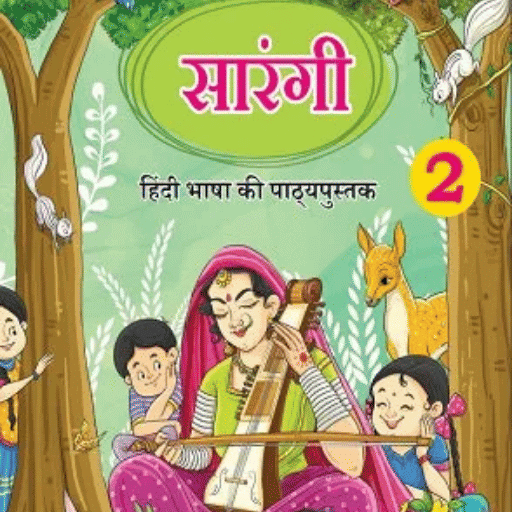
 | INFINITY COURSE Class 2 Hindi Sarangi NCERT Solutions, Worksheets & Videos22,047 students learning this week · Last updated on Apr 07, 2026 |
Class 2 Hindi Sarangi NCERT Solutions, Study Material








Trending Courses for Class 2

Class 2 Hindi Sarangi Textbook: Complete Course Overview
The Sarangi textbook is the official NCERT Hindi book prescribed for Class 2 students across India. This beautifully designed curriculum introduces young learners to the Hindi language through engaging stories, poems, and grammar concepts. Whether your child is just beginning their Hindi learning journey or you're looking for comprehensive study materials, understanding the Sarangi Class 2 textbook structure will help you navigate their academic progress effectively.
Sarangi (सारंगी) literally means a musical instrument that produces beautiful melodies, and the textbook lives up to its name by making Hindi learning enjoyable and melodious for Class 2 students. Published by the National Council of Educational Research and Training (NCERT), it aligns perfectly with CBSE guidelines and the National Curriculum Framework.
What Makes Sarangi Class 2 Special?
The NCERT Sarangi Class 2 textbook contains 27 carefully curated chapters that blend storytelling with language learning. Each chapter is designed to develop reading comprehension, vocabulary building, and an appreciation for the Hindi language. The book follows a progressive learning approach, ensuring that concepts build upon each other naturally.
The chapters are divided into different categories—stories with moral values, nature-based poems, family-oriented narratives, and grammar lessons—making Hindi for Class 2 both diverse and engaging. This balanced approach helps students develop a well-rounded understanding of the language.
NCERT Sarangi Book for Class 2: Chapter-wise Summary
Understanding the content of each chapter in the Sarangi Class 2 textbook helps parents and teachers support students effectively. Let me walk you through the major chapters and their themes so you know what your child is learning at each stage.
Stories with Family and Social Values
The textbook begins with relatable family stories. नीमा की दादी (Neema Ki Dadi) introduces students to relationships between grandparents and grandchildren. माँ (Maa) celebrates the unconditional love of mothers, while घर (Ghar) helps children understand the concept of home and belonging.
For young learners to connect emotionally with Hindi, these stories are essential. माला की चाँदी की पायल (Mala Ki Chandi Ki Payal) tells a touching story about sharing and compassion, making it a favorite among Class 2 Hindi chapters.
Animal Tales and Friendship Stories
Children learn best through tales featuring animals and adventures. थाथू और मैं (Thaathu Aur Main) presents a unique friendship story, while चींटा (Cheenta) teaches lessons about hard work and determination through the life of an ant.
One of the most beloved stories in Class 2 Hindi Sarangi is शेर और चूहे की दोस्ती (Sher Aur Chuhe Ki Dosti), which teaches that true friendship transcends size and strength. तीन दोस्त (Teen Dost) further reinforces the value of friendship and cooperation.
Nature and Environmental Awareness
The Sarangi textbook emphasizes environmental learning through chapters like तालाब (Talab), which explores the ecosystem of a pond. बीज (Beej) introduces the miracle of plant growth, while किसान (Kisan) celebrates the life and importance of farmers in India.
Seasonal stories like बरसात और मेंढक (Barsat Aur Mendhak) and poems help students appreciate the natural cycles and beauty of different seasons throughout India.
| Chapter Name | Theme | Learning Focus |
|---|---|---|
| नीमा की दादी | Family Relations | Relationships & Values |
| चींटा | Nature & Hard Work | Character Building |
| शेर और चूहे की दोस्ती | Friendship | Moral Values |
| किसान | Agriculture | Social Awareness |
Class 2 Hindi Poetry: Chanda Mama, Badal, and Other Kavitayen
Poetry is an integral part of Class 2 Hindi learning, and Sarangi includes several beautiful poems that children love to recite and memorize. These poems develop rhythm, pronunciation, and an appreciation for the musical qualities of Hindi.
Popular Poems in Sarangi Class 2
चंदा मामा (Chanda Mama) is perhaps the most famous poem in the textbook. This nursery rhyme-style poem about the moon is beloved by children across India and is often the first Hindi poem students learn. The repetitive structure helps with memory retention and pronunciation practice.
बादल (Badal), a poem about clouds, teaches descriptive language and personification. गिरे ताल में चंदा मामा (Gire Talab Mein Chanda Mama) is a follow-up that brings back the moon character in a different context, reinforcing vocabulary and narrative skills.
सबसे बड़ा छाता (Sabse Bada Chhata) is a fun poem that uses imagination and wordplay to engage young learners with creative Hindi language usage.
Why Poems Matter for Class 2 Students
Poems help children develop phonetic awareness, rhythm recognition, and memorization skills. They also introduce figurative language in an age-appropriate way. The Sarangi Class 2 poems are carefully selected to match the language proficiency of seven-year-olds while being engaging and entertaining.
Class 2 Hindi Grammar: Essential Topics and Concepts
Hindi grammar (व्याकरण) for Class 2 focuses on foundational concepts that prepare students for more complex language structures in higher classes. The Sarangi textbook introduces grammar concepts gradually through context-based learning rather than abstract rules.
Core Grammar Topics Covered
Hindi vyakaran for Class 2 includes basic concepts such as nouns (संज्ञा), pronouns (सर्वनाम), verbs (क्रिया), and simple sentence construction. Rather than overwhelming students with terminology, the textbook introduces these through the stories and poems they're already enjoying.
For example, कौन (Kaun) is a chapter that helps children understand the concept of interrogatives through engaging questions and answers.
The textbook also covers gender agreement, number concepts, and basic tense usage in a way that's intuitive for young learners. हाथी साइकिल चला रहा था (Hathi Bicycle Chala Raha Tha) is a chapter that introduces present continuous tense through a humorous story.
Grammar Learning Through Stories
One of the strongest features of Class 2 Hindi Sarangi is that grammar isn't taught in isolation. Instead, grammar concepts emerge naturally from the stories and poems. टिल्लू जी (Tillu Ji) and दुनिया रंग-बिरंगी (Duniya Rang-Birangi) introduce adjectives and descriptive language in context.
Best Free Worksheets for Class 2 Hindi with Solutions
Practice is essential for mastering any language, and worksheets provide structured opportunities for Class 2 students to apply what they've learned. Free Hindi worksheets for Class 2 with solutions are valuable resources that help track progress and identify areas needing reinforcement.
Types of Worksheets Available
EduRev offers comprehensive Worksheets with Solutions covering all aspects of the Sarangi curriculum. Additionally, Worksheets with Solutions (Hindi Grammar) specifically target grammar concepts, allowing focused practice on challenging areas.
These Class 2 Hindi worksheets include:
- Reading comprehension questions based on the chapters
- Vocabulary building exercises
- Grammar practice with answers
- Creative writing prompts appropriate for Class 2 level
- Word recognition and matching exercises
- Story-based question sets
Using Worksheets Effectively
For parents and teachers, worksheets serve multiple purposes. They help assess understanding, provide additional practice, build confidence, and make learning interactive. The solutions provided help parents guide their children and understand the expected learning outcomes.
How to Learn Hindi for Class 2: Study Tips and Resources
Effective Hindi learning for Class 2 requires a balanced approach combining formal study with engaging practice. Here are practical strategies that have proven successful for Indian students.
Daily Learning Routine
Consistency is more important than intensity when learning Hindi at the Class 2 level. Dedicating 20-30 minutes daily to Hindi learning is far more effective than occasional longer sessions. Start with reading and discussing a short story or poem, then move to vocabulary or grammar practice.
Encourage your child to read aloud, which helps develop proper pronunciation and builds confidence. Make reading interactive by asking questions about the story or asking your child to predict what happens next.
Leveraging Visual Learning
Mindmaps are excellent tools for visual learners, helping Class 2 students see connections between concepts and organize information in their minds. PPTs (PowerPoint Presentations) make learning engaging and interactive, allowing students to see animations and visual representations of concepts, which significantly improves retention for young learners.
Making Learning Playful
For Class 2 students, learning should feel like play. Create games around the stories—act out scenes from तीन दोस्त, draw pictures of characters, or create your own versions of familiar stories. These activities reinforce learning while keeping children engaged and enthusiastic about Hindi.
Class 2 Hindi Chapter Solutions: Step-by-Step Explanations
Understanding chapter content deeply helps students develop genuine comprehension rather than surface-level memorization. Step-by-step explanations break down complex ideas into manageable concepts.
For instance, chapters like छुपन-छुपाई (Chhupan Chhupai) might seem simple on the surface—it's about the children's game of hide and seek—but the Chapter 2 Hindi story solutions show how it teaches vocabulary related to directions and positions. चार दिशाएँ (Char Directions) similarly teaches directional concepts in a context that children understand naturally.
Detailed Chapter 2 Hindi solutions help parents understand what their child is learning and provide context for discussions at home. When you know the learning objectives behind each chapter, you can ask more meaningful questions and extend learning beyond the textbook.
Hindi Vyakaran for Class 2: Grammar Rules Made Easy
Hindi grammar for Class 2 students should be presented in simple, practical terms rather than complex linguistic terminology. The key is relating grammar to the language children are already learning through stories.
Simple Grammar Concepts
Hindi vyakaran at this level focuses on:
- Identifying and naming things (nouns)
- Using words instead of names (pronouns like मैं, वह, यह)
- Action words and what they do (verbs)
- Describing words (adjectives)
- Simple sentence construction with proper word order
Rather than memorizing rules, Class 2 Hindi grammar is best learned through observation and practice. When children see adjectives used in stories to describe characters (जैसे "बड़ा शेर" – the big lion), they begin understanding how Hindi works.
Avoiding Grammar Frustration
The biggest mistake in teaching Hindi vyakaran to Class 2 students is making it too abstract. Keep explanations concrete, use examples from their daily life, and always connect grammar to actual communication. The goal at this stage is building a foundation, not achieving perfection.
Free Hindi Sarangi Class 2 PDF Download and Study Materials
Access to study materials significantly impacts learning outcomes. The official NCERT Sarangi Class 2 textbook is available through official channels, and supplementary materials enhance understanding.
EduRev provides comprehensive Sarangi Class 2 study material including the CBSE Class 2 Syllabus, which gives a complete overview of what students are expected to learn throughout the year. Understanding the syllabus helps parents and teachers ensure comprehensive coverage of all topics.
Along with the main textbook, having access to Hindi notes for Class 2, chapter summaries, and practice materials creates a complete learning ecosystem. These resources ensure that whether students are learning in school or at home, they have everything needed for successful Hindi language development.
Class 2 Hindi Mindmaps and PPTs for Better Understanding
Visual and multimedia learning tools significantly enhance comprehension for Class 2 students. While traditional reading is important, combining it with visual tools creates multiple pathways for understanding.
Benefits of Mindmaps for Hindi Learning
Mindmaps help young students organize information visually, showing how concepts connect. For example, a mindmap for family-related chapters shows relationships between characters, making it easier to remember and understand the story structure. Mindmaps for Class 2 Hindi are particularly helpful for visual learners who might struggle with text-heavy explanations.
Interactive Learning with PPTs
PPTs for Class 2 Hindi transform passive reading into interactive learning experiences. These presentations often include images, animations, and interactive elements that maintain student engagement while delivering educational content. For chapters like मूली (Mooli), visual representations help children understand the entire life cycle of the vegetable.
Popular Stories in Sarangi Class 2: Sher Aur Chuhe Ki Dosti, Tilllu Ji & More
Certain stories from the Sarangi textbook become instant favorites among Class 2 students and remain memorable for years. These popular Class 2 Hindi stories have universal themes that resonate across different backgrounds and regions of India.
Timeless Tales
शेर और चूहे की दोस्ती teaches that friendships aren't based on size or strength—a lesson children remember long after learning Hindi. टिल्लू जी presents characters with personality and humor that appeal to seven-year-olds.
These popular stories in Sarangi aren't just about entertainment—they're carefully designed to develop language skills, cultural awareness, and moral understanding. आउट (Out) might seem like a simple sports story, but it teaches game vocabulary and encourages physical activity awareness.
By engaging with these stories through multiple learning methods, discussing them with family, and doing related activities, Class 2 students develop genuine love for Hindi language and literature. The Sarangi textbook provides the foundation, but thoughtful engagement with these stories determines how much students actually grow and enjoy their Hindi learning journey.
Hindi for Class 2 (सारंगी) CBSE Exam Pattern 2026-2027
Hindi is an essential subject for Class 2 students as it helps them develop their language skills and understanding of their native tongue. To assess their proficiency in Hindi, schools follow a specific exam pattern. Here is a breakdown of the exam pattern for Hindi in Class 2:
1. Exam Format:
The Hindi exam for Class 2 usually consists of a written paper.
2. Total Marks:
The total marks for the Hindi exam may vary from school to school. However, it is generally around 100 marks.
3. Duration:
The duration of the Hindi exam is usually around 2 hours. However, this may also vary depending on the school's guidelines.
4. Syllabus:
The syllabus for the Hindi exam in Class 2 covers various aspects of the language, including:
- Alphabets: Students are expected to be familiar with the Hindi alphabets and their correct pronunciation.
- Vocabulary: They need to have a good understanding of basic Hindi vocabulary, including words related to everyday life, objects, animals, and more.
- Grammar: Students should have a basic knowledge of Hindi grammar, including the correct usage of nouns, pronouns, verbs, tenses, and sentence formation.
- Reading and Comprehension: They should be able to read simple Hindi passages and comprehend their meaning.
- Writing Skills: Students should be able to write short sentences and paragraphs in Hindi, expressing their thoughts and ideas.
5. Marking Scheme:
The marking scheme for the Hindi exam may vary from school to school. However, it generally includes marks for correct answers, spelling, grammar, sentence formation, and handwriting.
6. Sample Questions:
Here are some sample questions that students may encounter in the Hindi exam for Class 2:
- Fill in the blanks with the appropriate Hindi word.
- Match the Hindi words with their corresponding pictures.
- Write a short paragraph describing your favorite animal in Hindi.
- Rearrange the jumbled words to form meaningful Hindi sentences.
- Answer questions based on a given Hindi passage.
7. Preparation Tips:
To excel in the Hindi exam for Class 2, students can follow these preparation tips:
- Regular Practice: Practice writing Hindi words, sentences, and paragraphs regularly to improve language skills.
- Read Hindi Books: Read Hindi storybooks or textbooks to enhance vocabulary and comprehension skills.
- Solve Sample Papers: Solve previous years' question papers and sample papers to get familiar with the exam pattern and improve time management.
- Seek Help: If needed, seek guidance from teachers or parents to clarify doubts and understand concepts better.
By following the exam pattern and preparing diligently, Class 2 students can perform well in their Hindi exams and develop a strong foundation in the language.


Hindi for Class 2 (सारंगी) Syllabus 2026-2027 PDF Download
1. सारंगी
- Introduction to the story of सारंगी
- Learning new Hindi words and their meanings
- Reading and understanding the story
- Discussion on the moral of the story
2. नीमा की दादी
- Introduction to the story of नीमा की दादी
- Vocabulary building exercise
- Reading and comprehension of the story
- Identifying the main characters and their traits
3. घर
- Understanding the concept of घर (home)
- Learning new Hindi words related to home and surroundings
- Describing different parts of a house
- Listening to and discussing stories related to homes
4. माला की चाँदी की पायल
- Introduction to the story of माला की चाँदी की पायल
- Vocabulary enrichment exercise
- Reading and comprehension of the story
- Analyzing the character development
5. माँ
- Understanding the importance of माँ (mother)
- Learning new Hindi words related to family and relationships
- Writing about one's mother and expressing gratitude
- Listening to Hindi songs or poems about mothers
6. थाथू और मैं
- Introduction to the story of थाथू और मैं
- Vocabulary building exercise
- Reading and understanding the story
- Identifying the main themes and lessons from the story
7. चींटा
- Introduction to the story of चींटा
- Learning new Hindi words and their meanings
- Reading and comprehension of the story
- Discussing the message conveyed by the story
8. टिल्लू जी
- Introduction to the story of टिल्लू जी
- Vocabulary enrichment exercise
- Reading and understanding the story
- Analyzing the character of टिल्लू जी and his actions
9. तीन दोस्त
- Introduction to the story of तीन दोस्त
- Vocabulary building exercise
- Reading and comprehension of the story
- Identifying the moral of the story
10. दुनिया रंग-बिरंगी
- Understanding the concept of दुनिया (world)
- Learning new Hindi words related to colors and diversity
- Discussing the beauty of diversity and inclusion
- Engaging in creative activities related to colors and diversity
11. कौन
- Introduction to the story of कौन
- Vocabulary enrichment exercise
- Reading and understanding the story
- Analyzing the character development and their choices
12. बैंगनी जोजो
- Introduction to the story of बैंगनी जोजो
- Vocabulary building exercise
- Reading and comprehension of the story
- Discussing the moral lesson from the story
13. तोसिया का सपना
- Introduction to the story of तोसिया का सपना
- Vocabulary enrichment exercise
- Reading and understanding the story
- Analyzing the dreams and aspirations of the characters
14. तालाब
- Introduction to the story of तालाब
- Learning new Hindi words and their meanings
- Reading and comprehension of the story
- Discussing the significance of water and its conservation
15. बीज
- Introduction to the concept of बीज (seed)
- Learning new Hindi words related to plants and nature
- Exploring the life cycle of plants
- Engaging in hands-on activities related to planting and gardening
16. किसान
- Understanding the role of किसान (farmer) in society
- Learning new Hindi words related to farming and agriculture
- Discussing the challenges faced by farmers
- Appreciating the importance of farming for food production
17. मूली
- Introduction to the story of मूली
- Vocabulary building exercise
- Reading and comprehension of the story
- Identifying the main themes and lessons from the story
18. बरसात और मेंढक
- Introduction to the story of बरसात और मेंढक
- Vocabulary enrichment exercise
- Reading and understanding the story
- Analyzing the character development and their actions
19. शेर और चूहे की दोस्ती
- Introduction to the story of शेर और चूहे की दोस्ती
- Vocabulary building exercise
- Reading and comprehension of the story
- Discussing the message conveyed by the story
20. आउट
- Introduction to the story of आउट
- Learning new Hindi words and their meanings
- Reading and comprehension of the story
- Analyzing the character development and their choices
21. छुपन-छुपाई
- Introduction to the concept of छुपन-छुपाई (hide and seek)
- Learning new Hindi words related to games and play
- Engaging in role play activities related to hide and seek
- Listening to and discussing Hindi songs or rhymes about games
22. हाथी साइकिल चला रहा था
- Introduction to the story of हाथी साइकिल चला रहा था
- Vocabulary enrichment exercise
- Reading and understanding the story
- Analyzing the character development and their actions
23. चार दिशाएँ
- Introduction to the concept of चार दिशाएँ (four directions)
- Learning new Hindi words related to directions and navigation
- Exploring the concept of compass and cardinal directions
- Engaging in activities to identify and navigate the four directions
24. चंदा मामा
- Introduction to the poem of चंदा मामा
- Learning new Hindi words and their meanings
- Reciting and understanding the poem
- Discussing the rhyme scheme and rhythm of the poem
25. गिरे ताल में चंदा मामा
- Introduction to the poem of गिरे ताल में चंदा मामा
- Vocabulary building exercise
- Reciting and comprehending the poem
- Analyzing the imagery and symbolism in the poem
26. सबसे बड़ा छाता
- Introduction to the story of सबसे बड़ा छाता
- Vocabulary enrichment exercise
- Reading and understanding the story
- Discussing the moral lesson from the story
27. बादल
- Introduction to the concept of बादल (cloud)
- Learning new Hindi words related to weather and sky
- Identifying different types of clouds
- Engaging in creative activities related to clouds and weather
This course is helpful for the following exams: Class 2
How to Prepare Hindi for Class 2 (सारंगी)?
Hindi is an important subject in the curriculum for Class 2 students. It helps in developing language skills, understanding cultural aspects, and enhancing communication abilities. To excel in Hindi, it is crucial to have a systematic approach to learning. Here are some key points to help you prepare for your Hindi exams in Class 2:
1. Understand the Course Structure: Familiarize yourself with the syllabus and course structure provided by EduRev. It will give you a clear idea of the topics and concepts you need to cover.
2. Focus on Basic Vocabulary: Start by building a strong foundation in Hindi vocabulary. Learn and understand commonly used words, their meanings, and their usage in sentences. Practice writing sentences using these words to enhance your language skills.
3. Learn Grammar Rules: Grammar forms an essential part of any language. In Hindi, pay attention to topics like noun, pronoun, verb, adjectives, and tenses. Understand the rules and practice applying them in sentences.
4. Improve Pronunciation and Reading Skills: Hindi is a phonetic language, so it is important to focus on pronunciation. Practice reading aloud and listening to Hindi conversations or stories. This will help you improve your pronunciation and comprehension skills.
5. Enhance Writing Skills: Hindi exams often require students to write essays, compositions, or letters. Practice writing on various topics to improve your writing skills. Pay attention to grammar, punctuation, and sentence structure.
6. Practice from Sample Papers: Solve sample papers and previous years' question papers to understand the exam pattern and gain familiarity with the type of questions asked. This will also help you manage your time effectively during the actual exam.
7. Revise Regularly: Regular revision is key to retaining what you have learned. Set aside dedicated time for revision and go through your notes, textbooks, and practice exercises. This will help reinforce your understanding of the topics.
Remember, consistent effort and practice are essential for success in Hindi. Stay motivated, seek help from your teachers or classmates when needed, and make use of the resources provided by EduRev. With the right approach and dedication, you can excel in your Hindi exams in Class 2.
Importance of Hindi for Class 2 (सारंगी)
Hindi is the national language of India and holds great importance in our daily lives. It is not only a means of communication but also a reflection of our culture and heritage. In Class 2, learning Hindi becomes even more crucial as it lays the foundation for a strong language base. The सारंगी course offered by EduRev is designed to cater specifically to the needs of Class 2 students, providing them with a comprehensive understanding of the language.
1. Enhances Communication Skills:
Learning Hindi at an early age helps students develop effective communication skills. It enables them to express their thoughts, ideas, and emotions confidently. The सारंगी course focuses on improving vocabulary, grammar, and pronunciation, ensuring that students can communicate fluently in Hindi.
2. Cultural Awareness:
Hindi is deeply rooted in Indian culture and traditions. By learning Hindi, Class 2 students gain a deeper understanding of their cultural heritage. The सारंगी course introduces students to various Hindi stories, poems, and folktales, which not only entertain but also educate them about Indian values and traditions.
3. Academic Advantages:
Proficiency in Hindi opens doors to numerous academic opportunities. The सारंगी course equips Class 2 students with essential reading and writing skills, enabling them to excel in other subjects as well. Hindi language skills are also crucial for performing well in Hindi exams, ensuring overall academic success.
4. Cognitive Development:
Learning Hindi helps in the cognitive development of Class 2 students. It enhances their memory, logical thinking, and problem-solving abilities. The सारंगी course incorporates interactive activities and exercises that stimulate the brain, fostering overall cognitive growth.
5. National Integration:
Hindi acts as a unifying force in India, bridging the gap between different regions and communities. By learning Hindi, Class 2 students develop a sense of national integration and unity. The सारंगी course promotes the understanding of different Hindi dialects and fosters a sense of respect and acceptance for diverse cultures.
In conclusion, the सारंगी course offered by EduRev for Class 2 students is of utmost importance. It not only helps in developing effective communication skills but also enhances cultural awareness, academic performance, cognitive development, and national integration. By enrolling in this course, students can lay a strong foundation in Hindi, paving the way for a successful academic journey.
Hindi for Class 2 (सारंगी) FAQs
| 1. कक्षा 2 हिंदी सारंगी में कौन-कौन सी कहानियाँ आती हैं? |  |
| 2. Class 2 हिंदी में संज्ञा और सर्वनाम क्या होते हैं? | |
| 3. कक्षा 2 की हिंदी में मात्रा किसे कहते हैं और इनके कितने प्रकार हैं? | |
| 4. सारंगी कक्षा 2 में क्रिया शब्द कैसे पहचानते हैं? | |
| 5. Class 2 हिंदी में "का", "के", "की" का उपयोग कहाँ होता है? | |
| 6. कक्षा 2 हिंदी सारंगी में विलोम शब्द क्या होते हैं और उदाहरण दीजिए? | |
| 7. Class 2 हिंदी में लिंग बदलना क्या होता है और कैसे सिखाया जाता है? | |
| 8. सारंगी Class 2 में मुहावरे और लोकोक्तियाँ क्यों महत्वपूर्ण हैं? | |
| 9. Class 2 हिंदी में पर्यायवाची शब्द कौन-कौन से आते हैं? | |
| 10. कक्षा 2 की हिंदी परीक्षा में किस प्रकार के प्रश्न पूछे जाते हैं? | |
Best Hindi for Class 2 (सारंगी) NCERT Solutions and Study Materials
 | View your Course Analysis |  |
 | Create your own Test | |



|
 Videos
 Documents
 Tests
Tests Ratings
 | Explore Courses for Class 2 exam |  |


