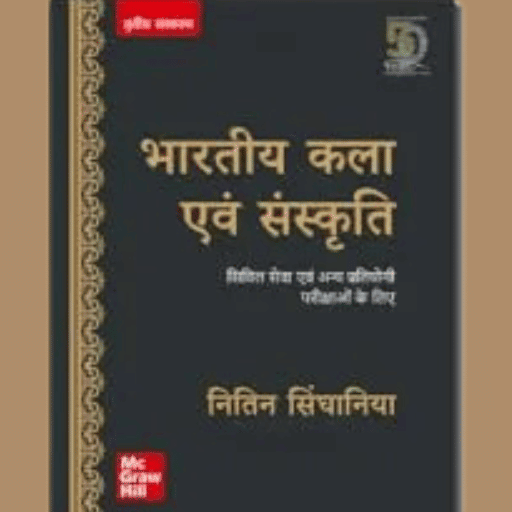
 | PARTNER COURSE Nitin Singhania Indian Art & Culture Summary (Hindi)UPSC Achievers · Last updated on Apr 07, 2026 |
Nitin Singhania Indian Art & Culture Study Material



Trending Courses for UPSC

नितिन सिंघानिया भारतीय कला एवं संस्कृति: UPSC के लिए सम्पूर्ण गाइड
UPSC Civil Services Examination की तैयारी करने वाले लाखों छात्र-छात्राओं के लिए नितिन सिंघानिया की पुस्तक "भारतीय कला एवं संस्कृति" एक अपरिहार्य संसाधन बन गई है। यह किताब न केवल प्रारंभिक परीक्षा के लिए बल्कि मुख्य परीक्षा और साक्षात्कार के लिए भी महत्वपूर्ण जानकारी प्रदान करती है। भारत की समृद्ध सांस्कृतिक विरासत को समझना UPSC परीक्षार्थियों के लिए आवश्यक है क्योंकि यह परीक्षा का एक महत्वपूर्ण हिस्सा है।
इस व्यापक गाइड में, हम नितिन सिंघानिया के भारतीय कला एवं संस्कृति के सभी महत्वपूर्ण पहलुओं को कवर करेंगे। हमारा उद्देश्य आपको एक संपूर्ण अध्ययन मार्गदर्शन प्रदान करना है जो आपकी UPSC परीक्षा की तैयारी को प्रभावी बनाएगा।
UPSC के लिए भारतीय कला एवं संस्कृति की तैयारी कैसे करें
UPSC परीक्षा में भारतीय कला एवं संस्कृति से संबंधित प्रश्न सामान्य अध्ययन प्रश्नपत्र I में पूछे जाते हैं। सफल तैयारी के लिए आपको एक सुव्यवस्थित दृष्टिकोण अपनाना चाहिए। पहला कदम है मूलभूत अवधारणाओं को समझना और फिर विस्तार से अध्ययन करना।
तैयारी के मुख्य बिंदु
- विषय-वस्तु को समझें: केवल याद रखने के बजाय, प्रत्येक विषय की गहन समझ विकसित करें
- नियमित संशोधन करें: कला और संस्कृति एक विशाल विषय है, इसलिए नियमित रिविजन अत्यावश्यक है
- मानचित्र और चित्र देखें: वास्तुकला और मूर्तिकला को समझने के लिए दृश्य सामग्री का उपयोग करें
- तुलनात्मक अध्ययन करें: विभिन्न कलाओं और संस्कृतियों के बीच समानताएं और अंतर खोजें
नितिन सिंघानिया की पुस्तक आपको भारतीय वास्तुकला, मूर्तिकला और मिट्टी के बर्तनों से शुरू करते हुए एक संरचित पाठ्यक्रम प्रदान करती है जो आपकी तैयारी को सरल बनाता है।
नितिन सिंघानिया की पुस्तक क्यों है UPSC उम्मीदवारों की पहली पसंद
नितिन सिंघानिया की "भारतीय कला एवं संस्कृति" किताब UPSC परीक्षार्थियों की पहली पसंद बनने के पीछे कई कारण हैं। यह पुस्तक विषय को इस तरह प्रस्तुत करती है कि जटिल अवधारणाएं सरल हो जाती हैं।
पुस्तक की विशेषताएं
| विशेषता | लाभ |
|---|---|
| सरल भाषा में व्याख्या | किसी भी पृष्ठभूमि के छात्र को समझने में आसानी |
| व्यापक विषय कवरेज | कला, संस्कृति, धर्म, दर्शन सभी कवर |
| परीक्षा-केंद्रित दृष्टिकोण | UPSC परीक्षा के लिए सीधे प्रासंगिक |
| चित्र और उदाहरण | दृश्य शिक्षण में सहायक |
यह किताब न केवल Nitin Singhania Art and Culture PDF के रूप में उपलब्ध है बल्कि प्रिंटेड संस्करण में भी मिलती है। आप EduRev पर विस्तृत अध्ययन सामग्री और नोट्स पा सकते हैं।
भारतीय वास्तुकला और मूर्तिकला: प्राचीन काल से आधुनिक युग तक
भारतीय वास्तुकला की यात्रा हजारों वर्षों तक फैली है। सिंधु घाटी सभ्यता से लेकर आधुनिक काल तक, भारतीय वास्तुकला में विविध शैलियों का विकास हुआ है। भारतीय वास्तुकला, मूर्तिकला और मिट्टी के बर्तनों के विस्तृत विश्लेषण में विभिन्न कालों और उनकी विशेषताएं शामिल हैं।
मुख्य वास्तुकला शैलियां
- प्राचीन भारतीय वास्तुकला: मौर्य, शुंग और सातवाहन काल की वास्तुकला
- गुप्तकालीन वास्तुकला: विकास और परिष्कार का युग
- मध्यकालीन वास्तुकला: हिंदू-इस्लामिक संलयन
- मुगल वास्तुकला: ताज महल और अन्य स्मारक
यूनेस्को विश्व धरोहर स्थल: भारत की मूर्त और अमूर्त सांस्कृतिक विरासत
भारत में 42 यूनेस्को विश्व धरोहर स्थलें हैं, जिनमें 34 सांस्कृतिक, 7 प्राकृतिक और 1 मिश्रित स्थल शामिल हैं। ये स्थलें भारत की समृद्ध सांस्कृतिक धरोहर का प्रतिनिधित्व करते हैं। यूनेस्को की भारत में मूर्त विश्व धरोहर स्थलों की सूची में सभी मान्यता प्राप्त स्थलों का विस्तृत विवरण दिया गया है।
अमूर्त सांस्कृतिक विरासत के संदर्भ में, भारत की 15 अमूर्त सांस्कृतिक विरासतें UNESCO सूची में शामिल हैं। इनमें कुंभ मेला, योग, नवरोज, कालबेलिया नृत्य, छऊ नृत्य, मुदियेट्टु और अन्य परंपराएं शामिल हैं। यूनेस्को की अमूर्त सांस्कृतिक विरासत की सूची में इन सभी का विस्तृत वर्णन मिलता है।
भारतीय शास्त्रीय संगीत और नृत्य: सम्पूर्ण अध्ययन सामग्री
भारतीय संगीत दुनिया की सबसे पुरानी और सबसे जटिल संगीत प्रणालियों में से एक है। हिंदुस्तानी और कर्नाटक संगीत की दो प्रमुख परंपराएं हैं। भारतीय संगीत के विस्तृत अध्ययन में इन दोनों परंपराओं की गहन जानकारी दी गई है।
शास्त्रीय नृत्य रूप
भारत में 8 मान्यता प्राप्त शास्त्रीय नृत्य रूप हैं। भरतनाट्यम (तमिलनाडु), कथक (उत्तर भारत), कथकली (केरल), कुचिपुड़ी (आंध्र प्रदेश), ओडिसी (ओडिशा), मणिपुरी (मणिपुर), मोहिनीअट्टम (केरल) और सत्त्रिया (असम) ये सभी संगीत नाटक अकादमी द्वारा मान्यता प्राप्त हैं। भारतीय नृत्य प्रपत्र में इन सभी नृत्य रूपों का विस्तृत विश्लेषण उपलब्ध है।
भारत में धर्म, दर्शन और साहित्य का ऐतिहासिक विकास
भारत के धार्मिक और दार्शनिक विकास को समझना भारतीय संस्कृति को समझने के लिए महत्वपूर्ण है। भारत में धर्म के अध्ययन में हिंदू धर्म, बौद्ध धर्म, जैन धर्म, सिख धर्म, इस्लाम और ईसाई धर्म का विस्तृत विवरण दिया गया है।
दार्शनिक परंपराएं
भारतीय दर्शन में 6 आस्तिक और 3 नास्तिक दर्शन हैं। दर्शनशास्त्र के स्कूल में न्याय, वैशेषिक, सांख्य, योग, मीमांसा, वेदांत, बौद्ध, जैन और चार्वाक दर्शन का विवरण मिलता है।
भारतीय साहित्य में संस्कृत, प्राकृत, तमिल और अन्य भाषाओं में लिखे गए महान कार्यों की जानकारी दी गई है।
भारतीय हस्तशिल्प, पेंटिंग और लोक कला परंपराएं
भारतीय हस्तशिल्प और पेंटिंग की परंपराएं हजारों वर्षों से चली आ रही हैं। भारतीय हस्तशिल्प विभिन्न क्षेत्रों में विकसित अनूठी शिल्प प्रणालियों का प्रतिनिधित्व करते हैं।
पेंटिंग की शैलियां
भारतीय पेंटिंग में अजंता-एलोरा की गुफा पेंटिंग्स, मुगल पेंटिंग्स, राजस्थानी पेंटिंग्स, बंगाल स्कूल और अन्य शैलियां शामिल हैं। भारतीय पेंटिंग के अध्ययन में प्रत्येक शैली के विकास और विशेषताओं का विस्तार दिया गया है।
भारतीय कठपुतली और भारतीय सर्कस भी लोक परंपराओं का महत्वपूर्ण हिस्सा हैं।
भारत के मेले, त्यौहार और सांस्कृतिक संस्थान
भारत के मेले और त्यौहार भारतीय संस्कृति का जीवंत अभिव्यक्ति हैं। भारत के मेले और त्यौहार में कुंभ मेला, दिवाली, होली, दशहरा, नवरात्रि और अन्य महत्वपूर्ण समारोहों का विवरण दिया गया है।
भारत की सांस्कृतिक संस्थाएं
भारत में कई महत्वपूर्ण सांस्कृतिक संस्थान हैं जो विभिन्न कलाओं को संरक्षित और प्रचारित करते हैं। भारत में सांस्कृतिक संस्थाएँ में संगीत नाटक अकादमी, साहित्य अकादमी, ललित कला अकादमी, इंदिरा गांधी राष्ट्रीय कला केंद्र और अन्य संस्थानों की विस्तृत जानकारी मिलती है।
नितिन सिंघानिया नोट्स PDF और अध्ययन संसाधन
EduRev पर उपलब्ध नितिन सिंघानिया के नोट्स आपकी तैयारी को अधिक प्रभावी बना सकते हैं। ये नोट्स विषय के सभी महत्वपूर्ण बिंदुओं को कवर करते हैं और परीक्षा के लिए आवश्यक जानकारी संक्षिप्त रूप में प्रदान करते हैं।
अतिरिक्त महत्वपूर्ण अध्ययन विषय
भारत में भाषाएँ भारत की भाषाई विविधता को समझने के लिए आवश्यक है। भारतीय संविधान की 8वीं अनुसूची में 22 भाषाएं शामिल हैं।
बुधवाद और जैन धर्म भारतीय धार्मिक विचारधारा के अत्यंत महत्वपूर्ण अंग हैं। भारतीय सिनेमा आधुनिक भारतीय संस्कृति का महत्वपूर्ण प्रतिनिधि है।
UPSC Art and Culture Important Topics और रिवीजन रणनीति
UPSC परीक्षा की तैयारी के लिए एक प्रभावी रिवीजन रणनीति आवश्यक है। महत्वपूर्ण विषयों को बार-बार दोहराएं और विभिन्न स्रोतों से तुलनात्मक ज्ञान प्राप्त करें।
महत्वपूर्ण विषय सूची
| विषय | प्रमुख बिंदु |
|---|---|
| वास्तुकला | विभिन्न कालों की शैलियां और विशेषताएं |
| संगीत और नृत्य | शास्त्रीय रूप, घराने और प्रमुख कलाकार |
| धर्म और दर्शन | मूल सिद्धांत और ऐतिहासिक विकास |
| साहित्य | महत्वपूर्ण कृतियां और लेखक |
अन्य महत्वपूर्ण विषयों में युग के माध्यम से विज्ञान और प्रौद्योगिकी, भारत में कैलेंडर, पुरस्कार और सम्मान, कानून और संस्कृति और भारत में मार्शल आर्ट्स शामिल हैं।
प्राचीन और मध्यकालीन भारत में सिक्के, भारतीय संस्कृति का वास और विदेशी यात्रियों की आंखों के माध्यम से इतिहास की खोज भी परीक्षा के लिए महत्वपूर्ण हैं।
संशोधन की रणनीति
- सप्ताह में कम से कम दो बार महत्वपूर्ण विषयों का संशोधन करें
- नोट्स बनाते समय मुख्य बिंदुओं को हाइलाइट करें
- पिछले वर्षों के प्रश्नपत्रों को हल करें
- समय-समय पर स्वमूल्यांकन परीक्षा लें
नितिन सिंघानिया की "भारतीय कला एवं संस्कृति" पुस्तक के साथ अध्ययन करते समय, EduRev पर उपलब्ध अतिरिक्त संसाधनों का लाभ उठाएं। नियमित अध्ययन, समझ-आधारित सीखना और प्रभावी संशोधन आपको UPSC परीक्षा में सफलता दिलाएंगे।
नितिन सिंघानिया (Nitin Singhania) भारतीय कला एवं संस्कृति for UPSC Exam Pattern 2026-2027
Exam Pattern:
- The UPSC exam for Indian Art and Culture by Nitin Singhania consists of a single paper with 100 questions.
- The total marks for the exam are 200, with each question carrying 2 marks.
- The duration of the exam is 2 hours.
Syllabus:
- The syllabus for the exam covers a wide range of topics related to Indian art and culture, including ancient, medieval, and modern Indian history, architecture, sculpture, painting, music, dance, and more.
- It is important for candidates to have a strong understanding of Indian history and culture to excel in this exam.
Preparation Strategy:
- Candidates should start by familiarizing themselves with the syllabus and understanding the weightage of each topic.
- It is recommended to study from Nitin Singhania's book on Indian Art and Culture as it covers all the essential topics in a comprehensive manner.
- Regular revision and practice of previous year question papers can help candidates improve their understanding and retention of key concepts.
Conclusion:
- The Indian Art and Culture exam by Nitin Singhania is an important part of the UPSC exam and requires dedicated preparation.
- By following a structured study plan and focusing on key topics, candidates can increase their chances of success in the exam.


नितिन सिंघानिया (Nitin Singhania) भारतीय कला एवं संस्कृति Syllabus 2026-2027 PDF Download
- Author: Nitin Singhania
- Indian Architecture, Sculpture, and Pottery
- Indian Painting
- Indian Handicrafts
- UNESCO World Heritage Sites with Sculptural Heritage in India
- Indian Music
- Indian Dance Forms
- Indian Puppetry
- Indian Circus
- UNESCO Intangible Cultural Heritage List
- Languages in India
- Religions in India
- Indian Literature
- Buddhism and Jainism
- Schools of Philosophy
- Indian Cinema
- Science and Technology through the Ages in India
- Calendars in India
- Fairs and Festivals in India
- Awards and Honors
- Law and Culture
- Martial Arts in India
- Cultural Institutions in India
- Ancient and Medieval Coins in India
- Abode of Indian Culture
- Exploration of History through the Eyes of Foreign Travelers
Each of these topics plays a crucial role in understanding and appreciating the rich cultural heritage of India. By studying these subjects, aspirants can gain a comprehensive understanding of the country's diverse cultural landscape and its historical significance. Prepare for UPSC with a thorough study of Indian Art and Culture to excel in the examination.
This course is helpful for the following exams: UPSC
How to Prepare नितिन सिंघानिया (Nitin Singhania) भारतीय कला एवं संस्कृति for UPSC?
How to Prepare नितिन सिंघानिया (Nitin Singhania) भारतीय कला एवं संस्कृति for UPSC?
Nitin Singhania's course on Indian Art and Culture is a comprehensive resource for UPSC aspirants who wish to excel in this subject. Here are some key points to help you prepare effectively:
Understand the Syllabus:
Begin by thoroughly going through the syllabus provided by UPSC for Indian Art and Culture. This will help you understand the scope of the subject and focus your preparation accordingly.
Study Material:
Make use of Nitin Singhania's well-structured study material that covers all important aspects of Indian art and culture. His course on EduRev is designed to help you grasp the topics in a systematic manner.
Regular Revision:
Consistent revision is key to retaining the vast amount of information related to Indian art and culture. Create a revision schedule and stick to it to ensure you are well-prepared for the exam.
Practice Previous Year Papers:
Practice solving previous year papers to familiarize yourself with the exam pattern and types of questions asked. This will also help you assess your preparation level.
Join Discussion Forums:
Engage in discussions on online forums or with fellow aspirants to clarify doubts and gain different perspectives on various topics related to Indian art and culture.
By following these key points and utilizing Nitin Singhania's course on Indian Art and Culture on EduRev, you can enhance your preparation for the UPSC exam and increase your chances of success.
Importance of नितिन सिंघानिया (Nitin Singhania) भारतीय कला एवं संस्कृति for UPSC
1. Comprehensive Coverage of Indian Art and Culture: The course by Nitin Singhania provides in-depth coverage of Indian art and culture, which is an essential component of the UPSC syllabus. It covers topics such as paintings, architecture, dance forms, music, and more.
2. Easy to Understand Language: The course is designed in a way that makes learning about Indian art and culture easy and interesting. Nitin Singhania's explanations are clear and concise, helping students grasp complex concepts with ease.
3. Relevant for Prelims and Mains: The content provided in the course is not only useful for the UPSC prelims exam but also for the mains exam. Understanding Indian art and culture is crucial for essay writing, ethics, and general studies papers.
4. Updated and Reliable Information: Nitin Singhania's course is known for providing updated and reliable information on Indian art and culture. This ensures that students are well-prepared for the UPSC exam and can answer questions confidently.
5. Time-saving and Efficient Study Material: By enrolling in the course, students can save time and effort in researching and compiling study material on Indian art and culture. This allows them to focus on other important aspects of the UPSC exam preparation.
In conclusion, the नितिन सिंघानिया (Nitin Singhania) भारतीय कला एवं संस्कृति Course for UPSC offered by EduRev is a valuable resource for aspirants looking to excel in the UPSC exam. It provides a comprehensive understanding of Indian art and culture, which is essential for success in the exam.
नितिन सिंघानिया (Nitin Singhania) भारतीय कला एवं संस्कृति for UPSC FAQs
| 1. What are the main topics covered in Nitin Singhania Indian art and culture course for UPSC? |  |
| 2. How do I prepare classical Indian architecture for UPSC from Singhania's course? | |
| 3. What is the difference between Nagara and Dravidian temple architecture in Indian culture? | |
| 4. Which are the most important Indian art movements I should know for UPSC exams? | |
| 5. What are the key concepts in Indian philosophy related to art forms studied in Singhania course? | |
| 6. How should I study Indian classical dance forms for UPSC preparation? | |
| 7. What is the significance of Indian folk and tribal art in cultural studies? | |
| 8. How do I connect Indian art history with UPSC current affairs and heritage conservation? | |
| 9. What are the essential sculptural traditions and iconic examples for UPSC Indian art studies? | |
| 10. How can I revise Nitin Singhania's art and culture topics effectively before UPSC mains exam? | |
 | View your Course Analysis |  |
 | Create your own Test | |



 Buy Now
 Documents
 Tests
Tests Top teachers of India
 | Explore Courses for UPSC exam |  |


