AP English Language and Composition Grade 11 - Notes & Study Material for Grade 11
Revision Notes for AP English Language and Composition Grade 11
Well-structured revision notes are a cornerstone of effective AP exam preparation. Our notes for AP English Language and Composition are organized around the key themes and skills assessed on the exam, including rhetorical appeals, persuasive writing, close reading techniques, and research practices. Written by AP educators with years of experience, these notes distill complex concepts into clear summaries that are easy to review and retain - perfect for Grade 11 students managing a demanding course load.
- Concise notes on rhetoric, argumentation, and persuasion techniques
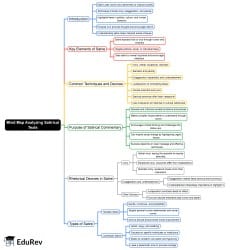
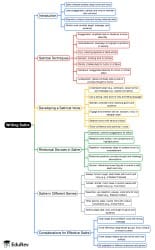
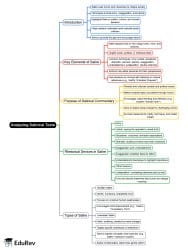
- Covers literary analysis, satire, and environmental and futuristic themes
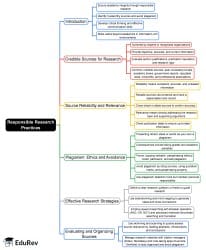
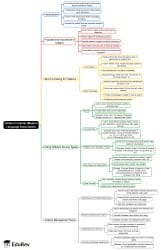
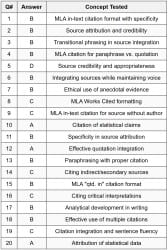
- Includes explanations of citation formats like MLA for research papers
- Designed to complement both classroom instruction and self-study
Introduction to Rhetoric
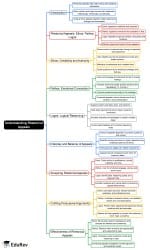

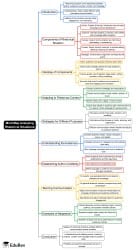

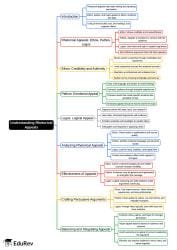

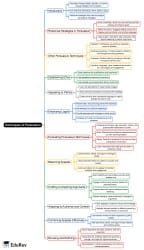
The Power of Persuasion
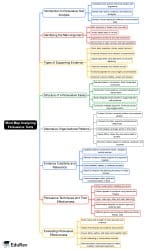
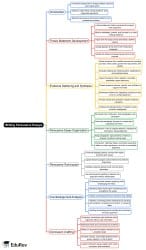
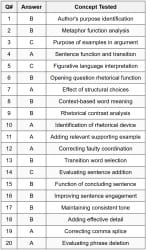
Close Reading Strategies
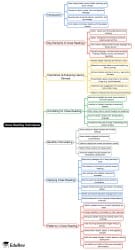
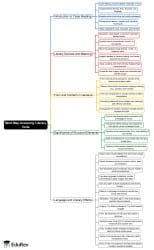
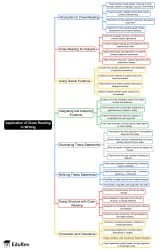
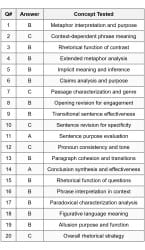
Download Free PDF Notes for AP English Language and Composition
Accessing your study materials anytime, anywhere can make a real difference in your preparation. Our free PDF notes cover the full range of AP English Language and Composition topics - from analyzing satirical and pop culture texts to writing about the natural world and the future of humanity. Download them to your device and study on your own schedule, whether you're reviewing during a lunch break or doing a deep dive the night before class. These PDFs are formatted for readability and designed to support both quick reference and in-depth study.
The Purpose of Education
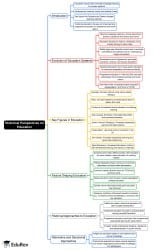
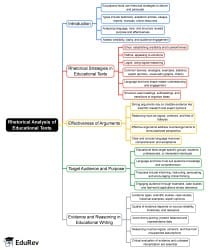
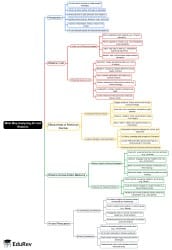
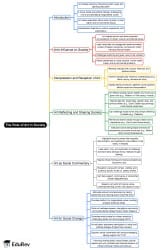
The Value of the Arts
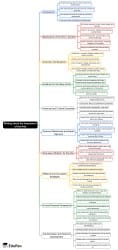
Pop Culture & The American Dream
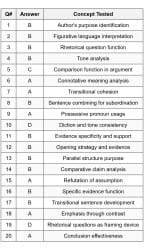
Important Study Notes on Rhetorical Analysis and Persuasive Writing
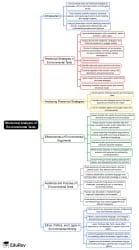
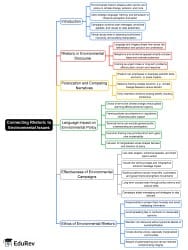
Rhetorical analysis and persuasive writing sit at the heart of the AP English Language and Composition exam, and having strong, reliable notes on these subjects is essential. Our study materials walk through the principles of ethos, pathos, and logos, explain how to deconstruct a persuasive argument, and guide students through the process of constructing their own compelling essays. These notes also address how rhetoric operates across diverse contexts - from educational debates and environmental policy to advertising and the American Dream - giving students a well-rounded analytical toolkit.
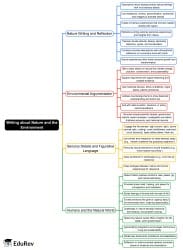
The Natural World
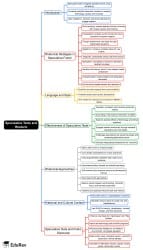
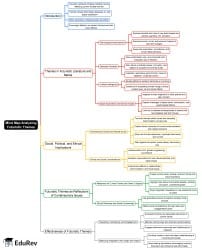
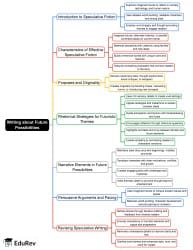
The Future of Humanity
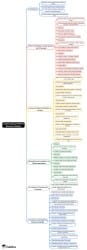
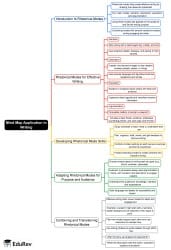
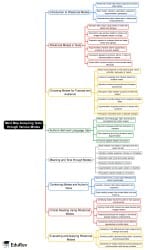
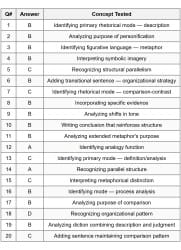
Rhetorical Modes in AP English Language
Topic-Wise Notes for AP English Language Exam Covering All Major Themes
The AP English Language and Composition course spans a broad range of themes, and navigating them all can feel overwhelming without the right resources. Our topic-wise notes break the course into focused sections - covering everything from close reading strategies and responsible research practices to the role of art in society and the rhetoric of futuristic texts. Each set of notes is self-contained, making it easy to prioritize the areas where you need the most support. Students who use organized, topic-specific materials consistently report feeling better prepared and more confident heading into the exam.