Financial Statement Analysis CFA Level 1 - Notes & Study Material for CFA Level 1
Revision Notes for CFA Level 1 Financial Statement Analysis - Free PDF Download
Well-structured revision notes are a cornerstone of effective CFA Level 1 preparation, especially for a content-heavy subject like Financial Statement Analysis. Concise, exam-focused notes distill complex frameworks - such as cash flow statement construction, balance sheet analysis, and financial ratio interpretation - into formats that are easy to review repeatedly. Many candidates find it helpful to download free PDF notes they can annotate, revisit, and carry into their final revision sessions. Having reliable reference material at hand reduces the time spent hunting through textbooks and keeps your study sessions productive.
Introduction to Financial Statement Analysis



Financial Statement Analysis
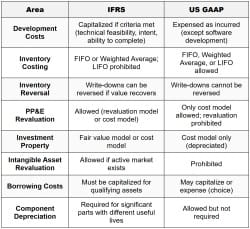
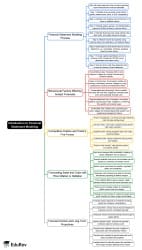
Introduction to Financial Statement Modeling
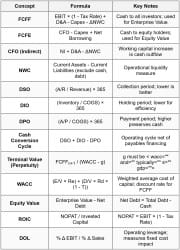
14 videos|24 docs|3 tests | Join course for free |
Comprehensive Study Notes Covering Important Financial Statement Analysis Topics
A strong set of study notes should span all the important areas of the Financial Statement Analysis curriculum that are tested in CFA Level 1. The most useful notes go beyond definitions and include worked examples, analytical frameworks, and common exam traps to avoid. Key subject areas typically addressed in these materials include:
- Income statement structure, revenue recognition, and expense classification
- Balance sheet components and their analytical implications
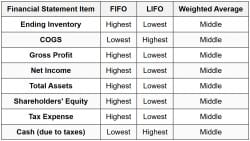
- Inventory accounting methods and their impact on reported financials
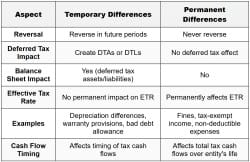
- Analysis of income taxes, including deferred tax treatments
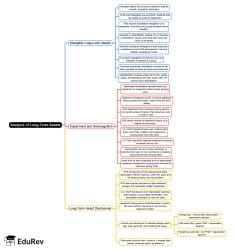
- Long-term assets and liabilities from an analyst's perspective
Thorough notes on these topics give you a reliable reference point throughout your preparation journey.
Financial Analysis Techniques
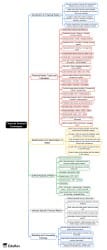
How Mind Maps and Structured Docs Support CFA Financial Statement Analysis Learning
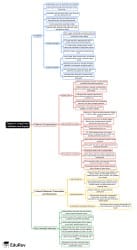
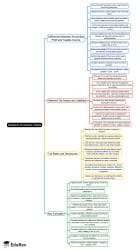
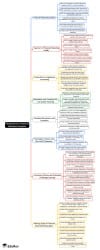
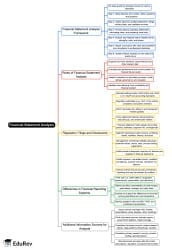
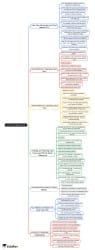
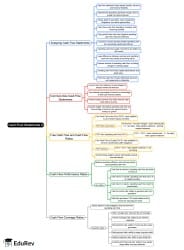
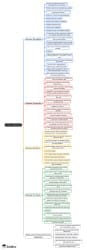
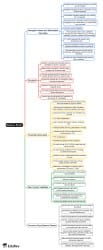
Beyond traditional notes, mind maps and structured reading documents offer a visually organized way to understand how different concepts in Financial Statement Analysis interconnect. For example, seeing how the income statement feeds into the balance sheet, and how both relate to cash flow modeling, becomes much clearer when represented as a diagram or structured outline. These learning resources are particularly valuable for candidates who struggle with retaining abstract accounting concepts through text alone. Using a combination of mind maps and detailed written materials ensures that both conceptual relationships and technical details are well understood.
Why Quality Reading Materials Matter for CFA Level 1 Financial Reporting Mastery
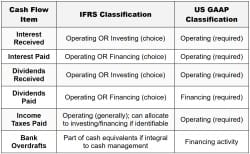
The depth of understanding required for CFA Level 1 Financial Statement Analysis goes well beyond surface-level memorization - and quality reading materials are what make that depth achievable. Carefully authored texts help candidates engage with nuanced topics like financial statement modeling, long-term liability analysis, and the classification of cash flows in a way that builds genuine analytical skill. Unlike passive forms of study, reading through well-written explanations encourages active processing and critical thinking, which are exactly the skills CFA exams reward. Investing time in thorough reading materials early in your preparation pays dividends when you encounter complex, multi-layered questions on exam day.