Music Theory - Fundamentals for Composition in Any Genre Music Fundamentals - Notes & Study Material for Music Fundamentals
Revision Notes for Music Theory Fundamentals - Key Concepts Explained
Comprehensive revision notes are an indispensable study tool when preparing for the Music Fundamentals exam. Well-organized notes covering the musical alphabet, whole and half steps, major and minor scales, and intervals give you a reliable reference you can return to repeatedly. Because the course spans both theoretical concepts and practical application - from reading notation to understanding harmony - having everything summarized clearly in one place reduces study time and sharpens your focus.
The DNA of Music – Understanding Sound


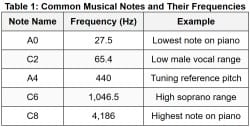


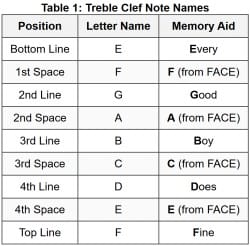
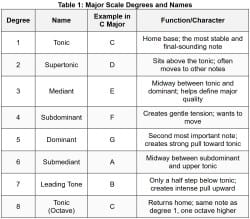
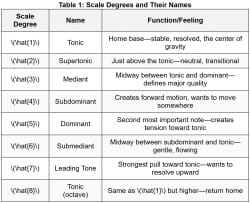
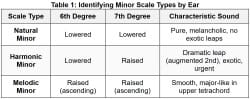
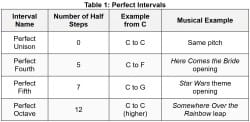
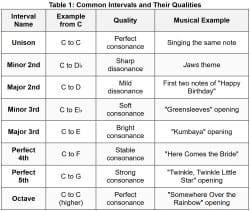
Notes, Scales & Intervals – The Language of Melody
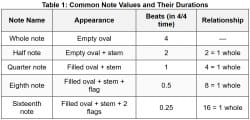
Rhythm & Time – The Pulse of Music
11 videos|58 docs|3 tests | Join course for free |
Important Music Theory Topics to Study in Text Format
While videos and tests are valuable, reading through structured text content builds the kind of deep, nuanced understanding that is hard to develop any other way. The course covers a rich set of topics, and studying them in written form helps cement ideas like diatonic harmony, chord progressions, and melodic construction at a conceptual level. Some of the most important areas to prioritize in your reading include:
- The science of sound and how pitch and hearing work
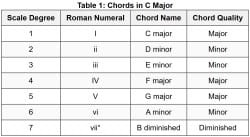
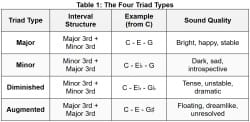
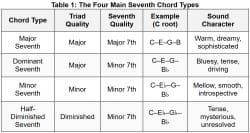
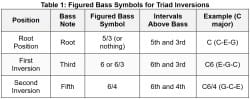
- Building and recognizing triads, seventh chords, and inversions
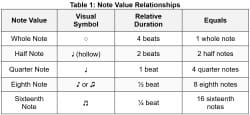
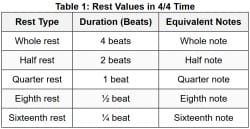
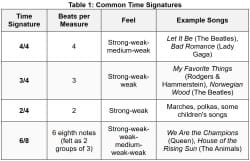
- Understanding rhythm: note values, time signatures, and syncopation
- Melody writing techniques including motifs, phrases, and hooks
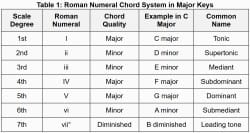
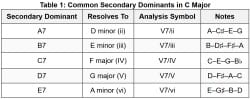
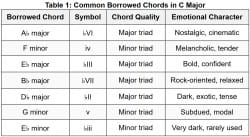
- Advanced harmony concepts like secondary dominants and borrowed chords
Chords & Harmony – Building Musical Depth
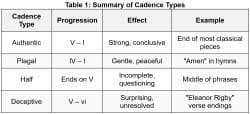
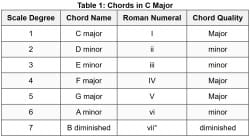
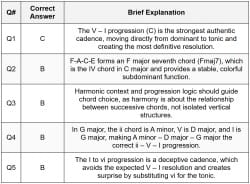
Melody & Song Structure – Creating Musical Stories
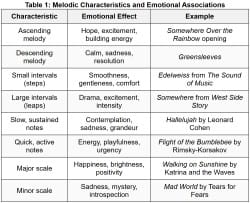

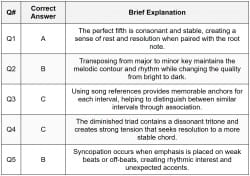
Ear Training – Developing Musical Instinct
Download Free PDF Notes for Music Fundamentals Exam Preparation
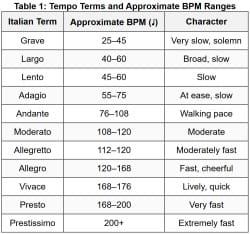
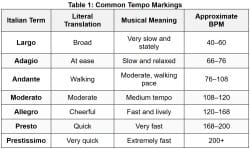
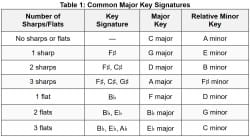
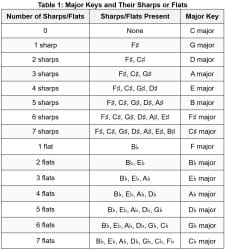
Having access to downloadable PDF notes means you can study the course material anywhere, whether you are commuting, taking a break, or sitting at a piano. Printed or saved notes on topics like the Circle of Fifths, key signatures, tempo markings, and basic arrangement in a DAW are especially useful for quick review sessions. A well-prepared set of notes that covers both foundational and advanced material gives you a significant advantage when it comes to consolidating your understanding before the exam.
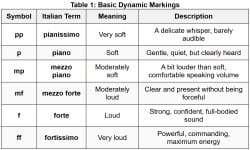
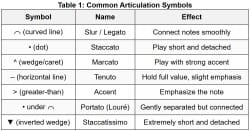
Dynamics, Articulation & Expression
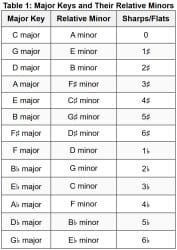
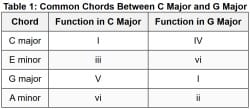
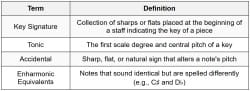
Introduction to Key Signatures & The Circle of Fifths
Introduction to Modern Music Production Basics
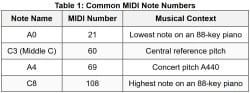
How Structured Reading Material Supports Music Composition Learning
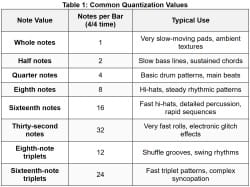
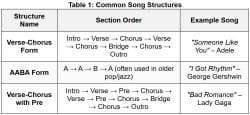
The Music Theory - Fundamentals for Composition in Any Genre course is built around practical creativity, and reading through structured lesson material is what ties all the individual concepts together. Text-based content on topics like song forms, call and response, active listening techniques, and quantization in DAWs gives you the theoretical scaffolding to support your compositional decisions. Understanding why certain harmonic or rhythmic choices work - not just what they are - is the kind of insight that written study material is uniquely positioned to provide.

Music Theory - Fundamentals for Composition in Any Genre11 videos|58 docs|3 tests |