Prepare for GATE Electrical
with EduRev
GATE Electrical syllabus



All Courses for GATE Electrical


GATE Electrical Engineering (EE) Mock Test Series 2027
Network Theory (Electric Circuits)
Short Notes for Electrical Engineering
Crash Course: Electrical Engineering (EE)
Topicwise Question Bank for Electrical Engineering
Power Systems
Electrical Machines
Engineering Services Examination (ESE) Mock Test Series 2026
Control Systems
How to Prepare for GATE Electrical Engineering (EE)
Topic-wise GATE Past Year Papers for Electrical Engineering
Current Affairs: Daily, Weekly & Monthly
Power Electronics (Video Lectures)
SSC JE Electrical Mock Test Series 2026
Electrical Engineering SSC JE (Technical)
Lucent For GK
General Awareness
Electromagnetic Fields Theory (EMFT)
Crash Course (English) for Electrical Engineering
MAHAGENCO AE EE Mock Test Series 2026
RRB JE for Electrical Engineering
Mock Test Series for SSC JE Electrical Engineering 2026
6 Months Preparation for GATE Electrical
Electrical Networks (Video Lectures)
GATE Notes & Videos for Electrical Engineering
General Aptitude for GATE
3 Months Preparation for GATE Electrical
Power System (Video Lectures)
Analog and Digital Electronics
Signals and Systems
Electrical and Electronic Measurements
RBI JE EE Mock Test Series 2026
UPMRC JE Electrical Mock Test Series 2026
RVUNL JEn Electrical (Rajasthan RSEB) Mock Test Series 2026
Electrical Machines for Electrical Engg.
UPPSC AE Electrical Mock Test Series 2027
Discrete Mathematics (Video Lectures)
NCRTC Maintenance Associate EE Mock Test Series 2026
Control System (Video Lectures)
Communications (Video Lectures)
JSSC JE Electrical Mock Test Series 2027
Power Electronics
SSC JE Electrical Mock Test Series (Hindi) 2026
Signals and System (Video Lectures)
BEL Trainee Engineer Electrical Mock Test Series 2026
Basic Electrical Technology
MP Vyapam Electrical - Sub Engineer Mock Test Series 2027
WBPSC JE Electrical Mock Test Series 2026
Engineering Mathematics for Electrical Engineering
CWC Assistant Engineer Electrical Mock Test Series 2026
ISRO Scientist EE Mock Test Series 2026
ICG Yantrik Electrical Mock Test Series 2026
MAHA (Pune) Metro EE Train Operator Mock Test Series 2026
DMRC JE Electrical Mock Test Series 2026
Optical Instrumentation (Video Lectures)
UPPCL AE Electrical Mock Test Series 2026
Electromagnetics (Video Lectures)
PGCIL Electrical Diploma Trainee Mock Test Series 2026
JPSC AE EE Mock Test Series 2027
Analog Electronics (Video Lectures)
Electromagnetics Field (Video Lectures)
BPSC AE Electrical Mock Test Series 2026
Sensors and Industrial Instrumentation (Videos Lectures)
General Aptitude (Video Lectures)
Analog Circuits (Video Lectures)
Campus Placement Bootcamp: From Preparation to Placement
Resume Building & Interview Skills for Freshers
APPSC AEE Electrical Mock Test Series 2027
RRB JE Mock Test Series Electrical Engineering 2026
TANGEDCO (TNEB) AE EE Mock Test Series 2026
MAHAGENCO JE Electrical Mock Test Series 2026
Engineering Mathematics (Video Lectures)
UPPCL JE Electrical Mock Test Series 2026
Basic Electronics Engineering JE (Technical)
TSSPDCL AE Electrical Mock Test Series 2026
TSPSC AEE Electrical Mock Test Series 2026
Signal & Systems
Digital Electronics
Electrical Circuit Theory (Video Lectures)
MPPGCL JE Electrical Mock Test Series 2026
MAHATRANSCO AE Electrical Mock Test Series 2026
UJVNL AE EE Mock Test Series 2026
AIIMS CRE Group B & C Mock Test Series
RCFL MT Electrical Mock Test Series 2026
THDC JE Electrical Mock Test Series 2026
Gujarat Metro JE Electrical Mock Test Series 2026
NHPC & THDC JE EE Mock Test Series 2026
HURL JEA EE Mock Test Series 2026
NRL GET Electrical Mock Test Series 2026
MGVCL JE EE Mock Test Series 2026
BSF JE Electrical Mock Test Series 2026
PSTCL JE Electrical Mock Test Series 2026
TN TRB EE Mock Test Series 2026
Measurements (Video Lectures)
NBCC JE Electrical Mock Test Series 2026
UPRVUNL JE Electrical Mock Test Series 2026
DRDO STA Electrical Mock Test Series 2026
PSPCL JE Electrical Mock Test Series 2026
BSPHCL JE Electrical Mock Test Series 2026
Analog Circuits (Video Lectures)
HPPSC AE Electrical Mock Test Series 2026
RSMSSB JE Electrical Mock Test Series 2027
Electrical and Electronic Measurements (Videos Lectures)
UPSSSC JE Electrical Mock Test Series 2026
Quantitative Aptitude (Video Lectures)























Mock Tests for GATE Electrical
GATE Electrical Engineering (EE) Mock Test Series 2027
Topicwise Question Bank for Electrical Engineering
Engineering Services Examination (ESE) Mock Test Series 2026
Topic-wise GATE Past Year Papers for Electrical Engineering
SSC JE Electrical Mock Test Series 2026
MAHAGENCO AE EE Mock Test Series 2026
Mock Test Series for SSC JE Electrical Engineering 2026
RBI JE EE Mock Test Series 2026
UPMRC JE Electrical Mock Test Series 2026
RVUNL JEn Electrical (Rajasthan RSEB) Mock Test Series 2026
UPPSC AE Electrical Mock Test Series 2027
NCRTC Maintenance Associate EE Mock Test Series 2026
JSSC JE Electrical Mock Test Series 2027
SSC JE Electrical Mock Test Series (Hindi) 2026
BEL Trainee Engineer Electrical Mock Test Series 2026
MP Vyapam Electrical - Sub Engineer Mock Test Series 2027
WBPSC JE Electrical Mock Test Series 2026
CWC Assistant Engineer Electrical Mock Test Series 2026
ISRO Scientist EE Mock Test Series 2026
ICG Yantrik Electrical Mock Test Series 2026
MAHA (Pune) Metro EE Train Operator Mock Test Series 2026
DMRC JE Electrical Mock Test Series 2026
UPPCL AE Electrical Mock Test Series 2026
PGCIL Electrical Diploma Trainee Mock Test Series 2026
JPSC AE EE Mock Test Series 2027
BPSC AE Electrical Mock Test Series 2026
APPSC AEE Electrical Mock Test Series 2027
RRB JE Mock Test Series Electrical Engineering 2026
TANGEDCO (TNEB) AE EE Mock Test Series 2026
MAHAGENCO JE Electrical Mock Test Series 2026
UPPCL JE Electrical Mock Test Series 2026
TSSPDCL AE Electrical Mock Test Series 2026
TSPSC AEE Electrical Mock Test Series 2026
MPPGCL JE Electrical Mock Test Series 2026
MAHATRANSCO AE Electrical Mock Test Series 2026
UJVNL AE EE Mock Test Series 2026
AIIMS CRE Group B & C Mock Test Series
RCFL MT Electrical Mock Test Series 2026
THDC JE Electrical Mock Test Series 2026
Gujarat Metro JE Electrical Mock Test Series 2026
NHPC & THDC JE EE Mock Test Series 2026
HURL JEA EE Mock Test Series 2026
NRL GET Electrical Mock Test Series 2026
MGVCL JE EE Mock Test Series 2026
BSF JE Electrical Mock Test Series 2026
PSTCL JE Electrical Mock Test Series 2026
TN TRB EE Mock Test Series 2026
NBCC JE Electrical Mock Test Series 2026
UPRVUNL JE Electrical Mock Test Series 2026
DRDO STA Electrical Mock Test Series 2026
PSPCL JE Electrical Mock Test Series 2026
BSPHCL JE Electrical Mock Test Series 2026
HPPSC AE Electrical Mock Test Series 2026
RSMSSB JE Electrical Mock Test Series 2027
UPSSSC JE Electrical Mock Test Series 2026
Main Subjects for GATE Electrical
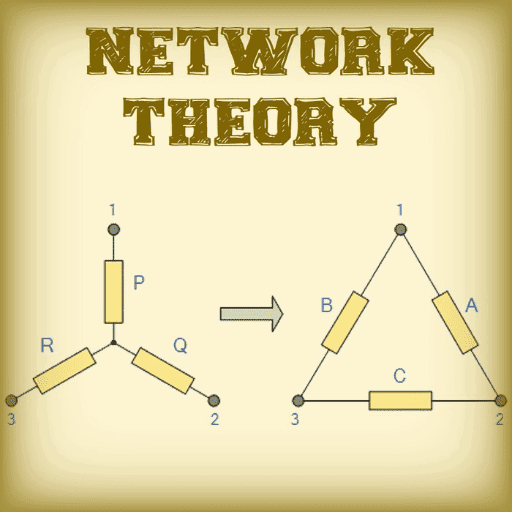
Network Theory (Electric Circuits)
Power Systems
Electrical Machines
Control Systems
General Awareness
Electromagnetic Fields Theory (EMFT)
General Aptitude for GATE
Analog and Digital Electronics
Signals and Systems
Electrical and Electronic Measurements
Electrical Machines for Electrical Engg.
Power Electronics
Basic Electrical Technology
Engineering Mathematics for Electrical Engineering
Signal & Systems
Digital Electronics
Revision for GATE Electrical
Guided Learning for GATE Electrical
SSC JE for GATE Electrical
RRB JE for GATE Electrical
Video Lectures for GATE Electrical
Power Electronics (Video Lectures)
Electrical Networks (Video Lectures)
Power System (Video Lectures)
Discrete Mathematics (Video Lectures)
Control System (Video Lectures)
Communications (Video Lectures)
Signals and System (Video Lectures)
Optical Instrumentation (Video Lectures)
Electromagnetics (Video Lectures)
Analog Electronics (Video Lectures)
Electromagnetics Field (Video Lectures)
Sensors and Industrial Instrumentation (Videos Lectures)
General Aptitude (Video Lectures)
Analog Circuits (Video Lectures)
Engineering Mathematics (Video Lectures)
Electrical Circuit Theory (Video Lectures)
Measurements (Video Lectures)
Analog Circuits (Video Lectures)
Electrical and Electronic Measurements (Videos Lectures)
Quantitative Aptitude (Video Lectures)
Interview Prep for GATE Electrical






| Why students choose EduRev for their GATE Electrical Exam | 4.6  (150K+ ratings) (150K+ ratings) |
 (150K+ ratings)



What is GATE Electrical Engineering and Why Should You Appear for It?
GATE (Graduate Aptitude Test in Engineering) is a national-level competitive examination jointly conducted by IISc Bangalore and seven IITs on behalf of the Ministry of Education, Government of India. GATE 2025 was conducted by IIT Roorkee. The Electrical Engineering paper (code: EE) is one of the most sought-after GATE papers, with lakhs of students appearing each year.
A valid GATE EE score remains active for 3 years from the date of result announcement, opening doors to PSU recruitment and postgraduate admissions across premier institutes throughout this period. Whether your goal is an M.Tech seat at an IIT, a PSU job, or a PhD fellowship, GATE Electrical Engineering is your single most powerful credential.
How to Prepare for GATE Electrical Engineering: A Complete Strategy Guide
A structured, subject-wise approach is the backbone of any successful GATE EE preparation strategy. Begin with How to Prepare for GATE Electrical Engineering (EE) to get a clear roadmap tailored for this exam.
Time-Based Preparation Plans
Your preparation timeline determines the depth of your study. EduRev offers dedicated plans to match your schedule:
- 6 Months Preparation for GATE Electrical - ideal for aspirants starting fresh with ample time to cover all subjects thoroughly.
- 3 Months Preparation for GATE Electrical - a focused, high-intensity plan for those who need to consolidate quickly.
Strengthen your mathematical foundation early using Engineering Mathematics for Electrical Engineering, since this section contributes significantly to the final score. Pair it with General Aptitude for GATE - a highly scorable section common to all GATE disciplines.
Most Important Topics in GATE Electrical Engineering Syllabus
Understanding the GATE EE syllabus and topic-wise weightage is critical before you pick up any book or video. Based on consistent trends in past papers, here is how the subjects stack up:
| Subject | Relative Weightage | EduRev Course |
|---|---|---|
| Power Systems | High | Power Systems |
| Electrical Machines | High | Electrical Machines |
| Control Systems | High | Control Systems |
| Network Theory | Moderate-High | Network Theory (Electric Circuits) |
| Power Electronics | Moderate-High | Power Electronics |
| Signals and Systems | Moderate | Signals and Systems |
| EMFT | Moderate | Electromagnetic Fields Theory (EMFT) |
| Analog and Digital Electronics | Moderate | Analog and Digital Electronics |
| Electrical Measurements | Moderate | Electrical and Electronic Measurements |
Also cover Digital Electronics, Electrical Machines for Electrical Engg., and Basic Electrical Technology to round off your preparation.
Best Books for GATE Electrical Engineering Recommended by Toppers
Toppers consistently recommend starting with standard textbooks for conceptual clarity, then moving to notes and question banks. For GATE EE, subject-specific study resources on EduRev complement standard books effectively. Use GATE Notes & Videos for Electrical Engineering as a consolidated reference alongside your textbooks.
For video-based learners, EduRev offers subject-wise video lecture courses:
- Power Electronics (Video Lectures)
- Signals and System (Video Lectures)
- Control System (Video Lectures)
- Power System (Video Lectures)
- Communications (Video Lectures)
- Discrete Mathematics (Video Lectures)
- Sensors and Industrial Instrumentation (Video Lectures)
- Optical Instrumentation (Video Lectures)
- General Aptitude (Video Lectures)
How to Use Mock Test Series Effectively for GATE EE Preparation
Mock tests are not just a revision tool - they are the single biggest differentiator between toppers and average scorers. Attempting full-length tests under real conditions, analyzing mistakes, and revising weak areas forms the core of any serious GATE Electrical Engineering preparation plan.
Start your mock test practice with the GATE Electrical Engineering (EE) Mock Test Series 2027. For candidates also targeting ESE, the Engineering Services Examination (ESE) Mock Test Series 2026 is equally useful.
State-level and PSU-specific mock tests are also available on EduRev for aspirants appearing for multiple exams simultaneously:
- SSC JE Electrical Mock Test Series 2026
- Mock Test Series for SSC JE Electrical Engineering 2026
- SSC JE Electrical Mock Test Series (Hindi) 2026
- RRB JE Mock Test Series Electrical Engineering 2026
- MAHAGENCO AE EE Mock Test Series 2026
- UPPSC AE Electrical Mock Test Series 2026
- RBI JE EE Mock Test Series 2026
- BEL Trainee Engineer Electrical Mock Test Series 2026
- CWC Assistant Engineer Electrical Mock Test Series 2026
- UPMRC JE Electrical Mock Test Series 2026
- UPPCL AE Electrical Mock Test Series 2026
- JSSC JE Electrical Mock Test Series 2026
- TANGEDCO (TNEB) AE EE Mock Test Series 2026
- APPSC AEE Electrical Mock Test Series 2026
Topic-wise GATE Electrical Previous Year Papers: Benefits and How to Practice
Solving GATE EE previous year question papers topic-wise is one of the most effective ways to identify recurring patterns and high-priority areas. Use the Topic-wise GATE Past Year Papers for Electrical Engineering to practice each subject in isolation before attempting full-length tests.
Complement this with the Topicwise Question Bank for Electrical Engineering for additional practice beyond past papers. Together, these resources build the speed and accuracy needed to score well in GATE EE.
Crash Course for GATE Electrical Engineering: Is It Enough to Crack the Exam?
A crash course alone is rarely sufficient for a first attempt but works brilliantly as a focused revision tool. EduRev offers two crash course options depending on your language preference:
Use these in the final weeks to quickly revise high-weightage topics, consolidate formulas, and sharpen your approach. Pair the crash course with Short Notes for Electrical Engineering for rapid, last-minute revision.
Career Opportunities and PSU Recruitment After GATE Electrical Engineering
A strong GATE EE AIR can transform your career prospects. Here is a snapshot of what a valid GATE score unlocks:
| Opportunity | Details |
|---|---|
| M.Tech / M.E. Admissions | IITs, NITs, IISc, and other CFTIs use GATE EE score as the primary selection criterion |
| PSU Recruitment | BHEL, NTPC, PGCIL, BARC, BPCL, HPCL, IOCL, BEL, THDC, WBSETCL and others |
| PhD Programs | GATE-qualified candidates are eligible with MHRD fellowships at premier institutes |
| Research Fellowships | Junior Research Fellow (JRF) positions at various research labs and institutions |
The GATE score remains valid for 3 years, giving candidates multiple chances to leverage it for both admissions and PSU recruitment cycles.
GATE Electrical Engineering vs SSC JE vs ESE: Which Exam is Right for You?
Many Electrical Engineering students prepare simultaneously for GATE EE, SSC JE Electrical, ESE (IES), and RRB JE since the core technical syllabus overlaps significantly. The right choice depends on your career goal:
- GATE EE - Best for M.Tech admissions at IITs/NITs and PSU jobs with higher pay scales.
- ESE (IES) - For Class-I officer roles in Government of India technical services; tougher and broader syllabus.
- SSC JE Electrical - Entry-level government engineering roles; lower difficulty, faster results.
- RRB JE Electrical - Railway sector jobs with good job security.
Access dedicated resources for each: Electrical Engineering SSC JE (Technical) and RRB JE for Electrical Engineering are great starting points. For General Awareness sections across these exams, refer to General Awareness, Lucent For GK, and Current Affairs: Daily, Weekly & Monthly.
Short Notes and Study Material for GATE Electrical Engineering: How to Make the Most of Them
Smart revision depends on quality, concise notes - not re-reading entire textbooks. Short Notes for Electrical Engineering and the comprehensive GATE Notes & Videos for Electrical Engineering on EduRev are designed precisely for this purpose.
The best approach is to study a topic from a standard resource, watch the corresponding video lecture, solve topic-wise questions from the question bank, and then revisit the short notes before each mock test. This cycle - learn, practice, revise - is what toppers consistently follow for GATE Electrical Engineering preparation.
Begin your GATE EE journey today with a structured plan on EduRev and give yourself the best chance of securing a top AIR.
GATE Electrical FAQs
| 1. What topics should I focus on most for GATE Electrical preparation? |  |
| 2. How many hours per day do I need to study to crack GATE Electrical? | |
| 3. What's the difference between GATE Electrical and regular college exams? | |
| 4. Should I solve previous year papers or focus on theory first for GATE Electrical? | |
| 5. What are the best ways to prepare for numerical problem-solving in GATE Electrical? | |
| 6. How do I manage time effectively during the GATE Electrical exam? | |
| 7. What study materials work best for GATE Electrical preparation? | |
| 8. Why do so many students fail to qualify GATE Electrical on their first attempt? | |
| 9. Is GATE Electrical easier or harder than other engineering branches? | |
| 10. What should I do in the last month before my GATE Electrical exam? | |
 One subscription to unlock all GATE Electrical Courses View Pricing Plans Starting @ $1 per month | |


