with EduRev
GATE Electronics syllabus


Study Material for GATE Electronics Syllabus








































| Why students choose EduRev for their GATE Electronics Exam |
4.6
 (150K+ ratings)
|
 (150K+ ratings)





One subscription to unlock all
GATE Electronics Courses
View Pricing Plans
Starting @ $1 per month
|
|


GATE Electronics Exam preparation at EduRev
1. GATE Electronics preparation:
Preparing for the GATE Electronics exam requires a systematic and focused approach. It is essential to understand the exam pattern, syllabus, and marking scheme. Start by creating a study plan that covers all the topics in the syllabus. Utilize study material from reliable sources and refer to recommended books for in-depth understanding. Solve previous year papers and mock tests to get familiar with the exam format and improve time management skills. Additionally, seek guidance from experienced mentors or join online coaching programs to enhance your preparation.
2. GATE Electronics syllabus:
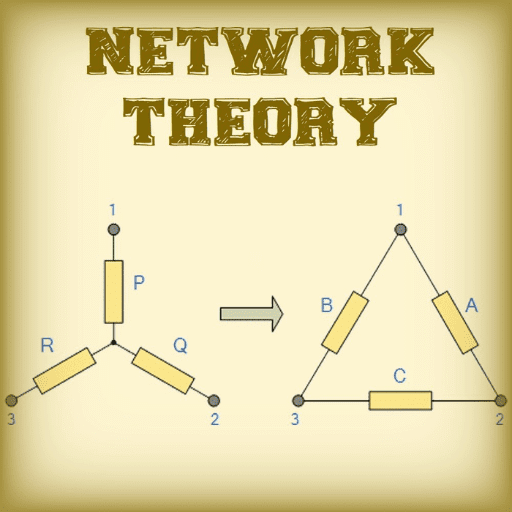
The GATE Electronics syllabus is designed to assess the candidate's knowledge in various topics related to electronics and communication engineering. It includes subjects like electronic devices and circuits, analog and digital electronics, signals and systems, control systems, communication systems, electromagnetic theory, and more. To excel in the exam, it is crucial to have a comprehensive understanding of each topic mentioned in the syllabus. Refer to the official GATE website or specialized books for a detailed syllabus and allocate sufficient time for studying each topic.
3. GATE Electronics books:
Choosing the right books for GATE Electronics preparation is essential to build a strong foundation and gain conceptual clarity. Some recommended books for this subject include "Electronic Devices and Circuit Theory" by Robert L. Boylestad and Louis Nashelsky, "Digital Electronics" by Morris Mano, "Signals and Systems" by Alan V. Oppenheim and Alan S. Willsky, and "Control Systems Engineering" by Norman S. Nise. These books provide comprehensive coverage of the GATE Electronics syllabus and include practice questions to test your understanding. Make sure to refer to the latest editions of these books for updated content.
4. GATE Electronics online coaching:
Online coaching has become increasingly popular for GATE Electronics preparation due to its convenience and flexibility. It allows students to access high-quality study material, video lectures, and practice tests from the comfort of their homes. Online coaching platforms often provide personalized study plans, doubt-clearing sessions, and expert guidance to help students excel in the exam. Some reputable online coaching institutes for GATE Electronics include Gradeup, Unacademy, and Made Easy. Consider enrolling in an online coaching program that suits your learning style and requirements.
5. GATE Electronics mock tests:
Taking mock tests is an integral part of GATE Electronics preparation as it helps assess your knowledge, identify weaknesses, and improve time management skills. Mock tests simulate the actual exam environment and provide an opportunity to practice solving questions within the given time frame. Several websites and coaching institutes offer GATE Electronics mock tests that cover the entire syllabus and follow the exam pattern. Analyze your performance in these mock tests, work on your weak areas, and gradually increase your speed and accuracy.
6. GATE Electronics previous year papers:
Solving previous year papers is crucial for GATE Electronics preparation as it gives you an insight into the exam pattern, question types, and difficulty level. By practicing with previous year papers, you can familiarize yourself with the format and identify important topics that are frequently asked. Analyze the solutions and explanations for each question to understand the concepts thoroughly. You can find GATE Electronics previous year papers on the official GATE website or in specialized books dedicated to GATE preparation.
7. GATE Electronics study material:
Having the right study material is essential for effective GATE Electronics preparation. Ensure that your study material covers the entire syllabus and provides clear explanations of concepts. Some recommended study materials for GATE Electronics include textbooks, reference books, study guides, and online resources. Additionally, you can refer to lecture notes from reputed colleges or coaching institutes for comprehensive coverage of topics. Make sure to cross-reference multiple sources to gain a thorough understanding of the subject.
8. GATE Electronics question bank:
A question bank is a valuable resource for GATE Electronics preparation as it provides a wide range of practice questions to enhance your problem-solving skills. Look for question banks specifically designed for GATE Electronics that cover all the topics in the syllabus. These question banks often categorize questions based on their difficulty level and provide detailed solutions for better understanding. Regularly practicing with question banks can improve your speed, accuracy, and familiarity with different question types.
9. GATE Electronics exam pattern:
Understanding the GATE Electronics exam pattern is crucial for effective preparation. The GATE Electronics exam is a computer-based test consisting of multiple-choice questions (MCQs) and numerical answer type (NAT) questions. The exam is divided into three sections: General Aptitude, Engineering Mathematics, and Electronics and Communication Engineering. Each section carries a different weightage of marks. Familiarize yourself with the marking scheme, negative marking, and duration of the exam to plan your strategy accordingly.
10. GATE Electronics cutoff:
The GATE Electronics cutoff refers to the minimum marks required to qualify for admission to various postgraduate programs in electronics and communication engineering. The cutoff marks vary each year and are determined based on factors such as the number of applicants, difficulty level of the exam, and the number of available seats. To secure admission to a desired institute, it is essential to score above the cutoff marks. Analyze previous year cutoffs to get an idea of the expected minimum marks and set a target score for yourself.
11. GATE Electronics eligibility:
To be eligible for the GATE Electronics exam, candidates must hold a bachelor's degree in engineering or technology in Electronics and Communication Engineering or a related field. Candidates in the final year of their bachelor's degree program can also apply. There is no age limit for appearing in the GATE exam. Ensure that you meet the eligibility criteria mentioned on the official GATE website before applying for the exam.
12. GATE Electronics result:
The GATE Electronics result is declared by the conducting authority a few weeks after the exam. The result is published online and can be accessed by entering the required credentials. The result includes the candidate's score, All India Rank (AIR), and qualifying marks for each paper. The GATE Electronics result is used for admission to various postgraduate programs and PSU recruitment. After the result is declared, candidates can download their scorecard, which remains valid for three years.
13. GATE Electronics tips and tricks:
Preparing for the GATE Electronics exam can be challenging, but with the right tips and tricks, you can enhance your preparation and improve your chances of success. Some useful tips include creating a study plan, staying consistent with your preparation, revising regularly, practicing with mock tests, solving previous year papers, and managing your time effectively during the exam. Additionally, focus on understanding concepts rather than rote learning, and seek guidance from experienced mentors or online forums for doubt resolution.
14. GATE Electronics study plan:
Creating a study plan is crucial for effective GATE Electronics preparation. Start by analyzing the syllabus and dividing it into smaller topics. Allocate sufficient time for each topic based on its weightage and your comfort level. Ensure that your study plan includes dedicated time for revision, solving practice questions, and taking mock tests. Set realistic goals and track your progress regularly. Adjust your study plan as needed to accommodate additional practice or revision based on your performance in mock tests.
15. GATE Electronics coaching institutes:
Joining a coaching institute can provide structured guidance and expert mentorship for GATE Electronics preparation. Coaching institutes often have experienced faculty members who can clarify doubts, provide study material, and conduct regular mock tests. Some popular coaching institutes for GATE Electronics include Made Easy, ACE Engineering Academy, and GATE Forum. Research about the coaching institutes, their teaching methodology, success rate, and alumni feedback before enrolling in a program that suits your requirements.
GATE Electronics Exam Pattern 2024-2025
GATE Electronics Syllabus 2024-2025 PDF Download
GATE Electronics Books
GATE Electronics Study Material and Notes PDF Download
GATE Electronics Previous Year Papers
Important Questions for GATE Electronics
|
© EduRev
|
Education Revolution
|


|