Prepare for GATE Civil Exam
with EduRev
GATE Civil syllabus



All Courses for GATE Civil


GATE Civil Engineering (CE) 2027 Mock Test Series
Short Notes for Civil Engineering
Civil Engineering SSC JE (Technical)
Topicwise Question Bank for Civil Engineering
Crash Course: Civil Engineering (CE)
APSC AE CE Mock Test Series 2026
Lucent For GK
Soil Mechanics
APPSC AEE Civil Mock Test Series 2027
Fluid Mechanics for Civil Engineering
Environmental Engineering
TSPSC AEE Mock Test Series 2026
Structural Analysis
Strength of Materials (SOM)
SSC JE Past Year Papers - Civil Engineering
Transportation Engineering
SSC JE Civil Engineering 2026 Mock Test Series
Design of Steel Structures
Irrigation Engineering
General Awareness
UPSSSC JE Civil Mock Test Series 2026
RRB JE for Civil Engineering
Topic wise GATE Past Year Papers for Civil Engineering
Additional Documents & Tests for Civil Engineering (CE)
TSPSC AE Civil Mock Test Series 2026
Construction Materials & Management
RCC & Prestressed Concrete
General Aptitude for GATE
Geomatics Engineering (Surveying)
Solid Mechanics
CSAT Preparation
Fluid Mechanics (Video Lectures)
Current Affairs & Hindu Analysis: Daily, Weekly & Monthly
PSTCL JE Civil Mock Test Series 2026
Maharashtra Nagar Parishad CE Mock Test Series 2026
Solid Mechanics (Video Lectures)
Foundation Engineering
Concrete Structures (Video Lectures)
3 Months Preparation Course for GATE Civil Engineering (CE)
NHPC & THDC JE Civil Mock Test Series 2026
BPSC AE Civil Mock Test Series 2026
KPSC JE Civil Mock Test Series 2027
JPSC AE CE Mock Test Series 2027
MPPSC AE CE Mock Test Series 2026
Engineering Mathematics for Civil Engineering
Environmental Engineering (Video Lectures)
HAL Civil Management Trainee Mock Test Series 2026
FCI JE Civil Mock Test Series 2026
ISRO Scientist CS Mock Test Series 2026
Engineering Hydrology
RRB JE Mock Test Series for Civil Engineering (CE) 2026
PPSC JE Civil Mock Test Series 2026
KPSC Assistant Engineer Civil Mock Test Series 2027
Irrigation (Video Lectures)
RSMSSB JE Civil Mock Test Series 2027
Daily GK & Current Affairs Tests
UPPSC AE Civil Mock Test Series 2027
Hydrology (Video Lectures)
THDC JE Civil Mock Test Series 2026
RBI JE CE Mock Test Series 2026
TN TRB CE Mock Test Series 2026
Mock Test Series of SSC JE Civil Engineering 2026
JKPSC AE Civil Mock Test Series 2026
MP Vyapam Civil - Sub Engineer Mock Test Series 2027
GATE Environmental Science 2027 Mock Test Series
Mock test series of SSC JE Civil Engineering (Hindi) 2026
DSSSB AE Civil Mock Test Series 2026
Structural Analysis (Video Lectures)
Current Affairs: Daily, Weekly & Monthly
Steel Structures (Video Lectures)
General Aptitude (Video Lectures)
Engineering Mechanics
Civil Engineering Optional for UPSC
Geotechnical Engineering (Video Lectures)
Mock Test Series for IES/ESE (CE)
6 Months Preparation for GATE Civil Engg
APSC JE CE Mock Test Series 2026
RVUNL JEn Civil (Rajasthan RSEB) Mock Test Series 2026
NRL GET Civil Mock Test Series 2026
NWDA JE Civil Mock Test Series 2026
UJVNL AE CE Mock Test Series 2026
UPMRC JE Civil Mock Test Series 2026
UPRVUNL JE Civil Mock Test Series 2026
PGCIL Civil - Diploma Trainee Mock Test Series 2026
UPPCL JE CE Mock Test Series 2026
MPPGCL JE Civil Mock Test Series 2026
CIL MT CE Mock Test Series 2026
Chandigarh JE CE Mock Test Series 2026
AIIMS CRE Group B & C Mock Test Series
WBMSC Sub Assistant Engineer Civil Mock Test Series 2026
Discrete Mathematics (Video Lectures)
General Intelligence & Reasoning (Hindi)
TANGEDCO (TNEB) AE Civil Mock Test Series 2026
Campus Placement Bootcamp: From Preparation to Placement
WBPSC JE Civil Mock Test Series 2026
CWC Assistant Engineer Civil Mock Test Series 2026
ISRO Draughtsman Civil Mock Test Series 2026
NBCC JE Civil Mock Test Series 2026
Engineering Mechanics (Video Lectures)
JSSC JE Civil Mock Test Series 2027
Construction Material and Management (Videos Lectures)
How to Prepare for SSC CGL
Transportation Engineering (Video Lectures)
Hydraulics (Video Lectures)
Resume Building & Interview Skills for Freshers
PSSSB Jr. Draftsman CE Mock Test Series 2026
GATE Architecture and Planning 2027 Mock Test Series
Quantitative Aptitude (Video Lectures)
JKSSB JE Civil Mock Test Series 2026
Geomatics Engineering (Video Lectures)





































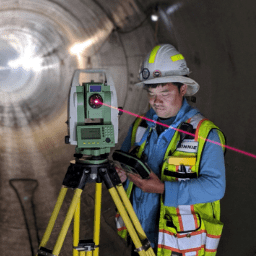

Mock Tests for GATE Civil
GATE Civil Engineering (CE) 2027 Mock Test Series
APSC AE CE Mock Test Series 2026
APPSC AEE Civil Mock Test Series 2027
TSPSC AEE Mock Test Series 2026
SSC JE Civil Engineering 2026 Mock Test Series
UPSSSC JE Civil Mock Test Series 2026
TSPSC AE Civil Mock Test Series 2026
PSTCL JE Civil Mock Test Series 2026
Maharashtra Nagar Parishad CE Mock Test Series 2026
NHPC & THDC JE Civil Mock Test Series 2026
BPSC AE Civil Mock Test Series 2026
KPSC JE Civil Mock Test Series 2027
JPSC AE CE Mock Test Series 2027
MPPSC AE CE Mock Test Series 2026
HAL Civil Management Trainee Mock Test Series 2026
FCI JE Civil Mock Test Series 2026
ISRO Scientist CS Mock Test Series 2026
RRB JE Mock Test Series for Civil Engineering (CE) 2026
PPSC JE Civil Mock Test Series 2026
KPSC Assistant Engineer Civil Mock Test Series 2027
RSMSSB JE Civil Mock Test Series 2027
UPPSC AE Civil Mock Test Series 2027
THDC JE Civil Mock Test Series 2026
RBI JE CE Mock Test Series 2026
TN TRB CE Mock Test Series 2026
Mock Test Series of SSC JE Civil Engineering 2026
JKPSC AE Civil Mock Test Series 2026
MP Vyapam Civil - Sub Engineer Mock Test Series 2027
Mock test series of SSC JE Civil Engineering (Hindi) 2026
DSSSB AE Civil Mock Test Series 2026
Mock Test Series for IES/ESE (CE)
APSC JE CE Mock Test Series 2026
RVUNL JEn Civil (Rajasthan RSEB) Mock Test Series 2026
NRL GET Civil Mock Test Series 2026
NWDA JE Civil Mock Test Series 2026
UJVNL AE CE Mock Test Series 2026
UPMRC JE Civil Mock Test Series 2026
UPRVUNL JE Civil Mock Test Series 2026
PGCIL Civil - Diploma Trainee Mock Test Series 2026
UPPCL JE CE Mock Test Series 2026
MPPGCL JE Civil Mock Test Series 2026
CIL MT CE Mock Test Series 2026
Chandigarh JE CE Mock Test Series 2026
WBMSC Sub Assistant Engineer Civil Mock Test Series 2026
TANGEDCO (TNEB) AE Civil Mock Test Series 2026
WBPSC JE Civil Mock Test Series 2026
CWC Assistant Engineer Civil Mock Test Series 2026
ISRO Draughtsman Civil Mock Test Series 2026
NBCC JE Civil Mock Test Series 2026
JSSC JE Civil Mock Test Series 2027
PSSSB Jr. Draftsman CE Mock Test Series 2026
JKSSB JE Civil Mock Test Series 2026
Revision for GATE Civil
SSC JE for GATE Civil
Practice for GATE Civil
RRB JE for GATE Civil
Main Subjects for GATE Civil
Lucent For GK
Soil Mechanics
Fluid Mechanics for Civil Engineering
Environmental Engineering
Structural Analysis
Strength of Materials (SOM)
Transportation Engineering
Design of Steel Structures
Irrigation Engineering
General Awareness
Construction Materials & Management
RCC & Prestressed Concrete
General Aptitude for GATE
Geomatics Engineering (Surveying)
Solid Mechanics
Foundation Engineering
Engineering Mathematics for Civil Engineering
Engineering Hydrology
Engineering Mechanics
Previous Year for GATE Civil
Video Lectures for GATE Civil
Fluid Mechanics (Video Lectures)
Solid Mechanics (Video Lectures)
Concrete Structures (Video Lectures)
Environmental Engineering (Video Lectures)
Irrigation (Video Lectures)
Hydrology (Video Lectures)
Structural Analysis (Video Lectures)
Steel Structures (Video Lectures)
General Aptitude (Video Lectures)
Geotechnical Engineering (Video Lectures)
Discrete Mathematics (Video Lectures)
Engineering Mechanics (Video Lectures)
Construction Material and Management (Videos Lectures)
Transportation Engineering (Video Lectures)
Hydraulics (Video Lectures)
Quantitative Aptitude (Video Lectures)
Geomatics Engineering (Video Lectures)
Current Affairs for GATE Civil
Guided Learning for GATE Civil
Interview Prep for GATE Civil







| Why students choose EduRev for their GATE Civil Exam | 4.6  (150K+ ratings) (150K+ ratings) |
 (150K+ ratings)


How to Prepare for GATE Civil Engineering - Smart Strategy for Beginners and Repeaters
GATE Civil Engineering (CE) is one of the most sought-after competitive examinations in India, attracting lakhs of aspirants every year. Whether you are appearing for the first time or are a repeater aiming to improve your score, having a structured GATE CE preparation strategy makes all the difference. GATE 2026 is being organized by IIT Bombay, and the competition is expected to be fiercer than ever.
Start by thoroughly understanding the GATE Civil Engineering syllabus - divide it into strong and weak areas, then allocate study hours accordingly. Beginners should focus on building conceptual clarity first, while repeaters must identify their weak subjects and target those aggressively. The 3 Months Preparation Course for GATE Civil Engineering (CE) on EduRev is an excellent starting point if you have limited time and need a focused roadmap.
Best Books for GATE Civil Engineering Recommended by Toppers and Experts
Choosing the right study material is half the battle won. Toppers consistently recommend standard textbooks for each subject combined with concise notes for revision. For GATE CE, subject-wise standard references form the backbone of preparation. However, simply reading books is not enough - you need structured, exam-oriented material.
EduRev's Short Notes for Civil Engineering and Additional Documents & Tests for Civil Engineering (CE) consolidate important concepts in a revision-friendly format. These resources, curated by subject experts, help you grasp the essentials without spending hours on voluminous textbooks.
Important Topics in GATE Civil Engineering You Must Cover First
Not all topics carry equal weightage. Strategically prioritising high-yield subjects early in your preparation ensures you accumulate marks faster. Based on previous GATE CE trends, here are the most critical areas:
| Section | Key Subjects | Relative Importance |
|---|---|---|
| Structural Engineering | Solid Mechanics, Structural Analysis, RCC, Steel Design | Very High |
| Geotechnical Engineering | Soil Mechanics, Foundation Engineering | Very High |
| Water Resources | Fluid Mechanics, Hydrology, Irrigation | High |
| General Aptitude & Maths | Verbal Ability, Numerical Ability, Calculus, Statistics | High |
| Environmental Engineering | Water Treatment, Air Pollution | Moderate-High |
Focus on Geotechnical and Structural Engineering first, as these sections historically have the highest technical weightage in GATE CE.
Subject-wise Preparation Tips: Fluid Mechanics, Soil Mechanics, Structural Analysis, and More
Each subject in GATE Civil Engineering demands a different approach. Here is a quick subject-wise guide:
- Fluid Mechanics: Master continuity equations, Bernoulli's theorem, and flow through pipes. Access the dedicated Fluid Mechanics for Civil Engineering course for structured topic coverage.
- Soil Mechanics & Foundation Engineering: IS Codes are critical here. Study shear strength, consolidation, and bearing capacity in depth using the Soil Mechanics and Foundation Engineering courses.
- Structural Analysis: Understand indeterminate structures and influence lines thoroughly. The Structural Analysis course covers all key concepts for GATE CE.
- Strength of Materials / Solid Mechanics: Stress-strain, bending, and torsion are recurring topics. Refer to Strength of Materials (SOM) and Solid Mechanics for complete preparation.
- RCC & Steel Design: Practice numericals using IS 456 and IS 800. Use RCC & Prestressed Concrete and Design of Steel Structures resources on EduRev.
- Transportation Engineering: Highway geometric design and traffic flow theory are frequently tested. Refer to the Transportation Engineering course.
- Environmental Engineering: Focus on BOD, COD, and treatment processes using Environmental Engineering.
- Engineering Hydrology & Irrigation: Unit hydrograph and canal design carry good marks. Check Engineering Hydrology and Irrigation Engineering.
- Construction Materials & Management: Cover project management and material properties through Construction Materials & Management.
How to Use GATE Civil Engineering Previous Year Papers Effectively
Solving GATE Civil Engineering previous year papers is one of the most reliable preparation strategies. Questions in recent GATE CE papers are often conceptually similar to those from earlier years - making past papers a goldmine for targeted practice.
The right approach is to solve topic-wise before attempting full papers. EduRev's Topic-wise GATE Past Year Papers for Civil Engineering lets you practise subject-by-subject, helping you spot patterns and identify frequently tested concepts. Once comfortable, use the Topicwise Question Bank for Civil Engineering to strengthen your problem-solving speed further.
Best Mock Test Series for GATE Civil Engineering - Why Regular Practice is Non-Negotiable
Attempting mock tests regularly is non-negotiable if you want to crack GATE Civil Engineering with a good score. Mock tests simulate real exam conditions, improve time management, and expose knowledge gaps before the actual exam.
| Mock Test Resource | Best For |
|---|---|
| GATE Civil Engineering (CE) 2027 Mock Test Series | Full-length GATE CE practice |
| Mock Test Series for IES/ESE (CE) | ESE alongside GATE preparation |
| SSC JE Civil Engineering 2026 Mock Test Series | SSC JE parallel prep |
| RRB JE Mock Test Series for Civil Engineering (CE) 2026 | RRB JE aspirants |
Start with sectional tests, then graduate to full-length mocks. Analyse every mistake - that analysis is where the real learning happens.
Short Notes and Study Material for GATE Civil Engineering - How to Revise Faster
As the exam date approaches, revision speed becomes critical. Voluminous notes slow you down; concise, formula-rich short notes help you cover more ground quickly. EduRev's Short Notes for Civil Engineering are specifically designed for last-mile revision. Pair them with the Crash Course: Civil Engineering (CE) if you need an accelerated revision plan before the final stretch.
For students who prefer a structured downloadable format, EduRev also offers comprehensive GATE Civil Engineering study material covering all major sections of the syllabus.
General Aptitude and Engineering Mathematics for GATE CE - Never Ignore These Scoring Sections
Many GATE CE aspirants make the costly mistake of neglecting General Aptitude and Engineering Mathematics. Together, these sections contribute significantly to your final score and are highly scoring if prepared well.
- Use the General Aptitude for GATE course to master verbal ability and numerical ability - both are straightforward with consistent practice.
- The Engineering Mathematics for Civil Engineering course covers Linear Algebra, Differential Equations, Probability & Statistics, and Numerical Methods in a GATE-focused manner.
Dedicate at least 15-20% of your total preparation time to these two sections - the returns are well worth it.
GATE Civil Engineering vs SSC JE, ESE, and State AE Exams - Which One Should You Target?
Civil Engineering graduates in India are fortunate to have multiple competitive exam options. Here's a quick comparison to help you decide your target:
- GATE CE - Best for PSU recruitment and M.Tech admissions to IITs, NITs, and IISc. A valid GATE score is recognised for 3 years.
- SSC JE Civil Engineering - Ideal for JE-level government roles. Prepare with Civil Engineering SSC JE (Technical), SSC JE Past Year Papers, and Mock Test Series of SSC JE Civil Engineering 2026.
- UPSC ESE / IES - One of the most prestigious engineering services exams. The Mock Test Series for IES/ESE (CE) helps bridge GATE and ESE preparation effectively.
- State AE/JE Exams - Excellent state government opportunities. EduRev offers dedicated mock test series for TSPSC AEE, APPSC AEE, UPPSC AE, BPSC AE, MPPSC AE, JPSC AE, JKPSC AE, RSMSSB JE, UPSSSC JE, and Maharashtra Nagar Parishad CE.
- PSU-specific exams: NHPC & THDC JE Civil, THDC JE Civil, FCI JE Civil, NWDA JE Civil, and HAL Civil Management Trainee mock tests are available on EduRev.
Many aspirants simultaneously prepare for GATE CE and SSC JE since the technical syllabus overlaps significantly. For the RRB JE for Civil Engineering exam, dedicated preparation material is also available. If your goal is public sector jobs, also explore the TSPSC AE Civil, APSC AE CE, and ISRO Scientist CS mock test series.
Career Opportunities After GATE Civil Engineering - PSUs, M.Tech, and Government Jobs
A strong GATE CE score opens multiple rewarding career paths. Here's what you can look forward to:
- M.Tech/M.E. Admissions: Secure admission to IITs, NITs, IISc, and other CFTIs. Premier institutes are highly competitive, requiring strong scores and solid academics.
- PSU Recruitment: Organisations like NHPC, NWDA, THDC, HAL, and FCI directly recruit Civil Engineers through GATE scores.
- Government Jobs via State Exams: Many state PSCs and recruitment boards consider GATE scores or use a heavily overlapping syllabus.
- UPSC Civil Engineering Optional: For UPSC IAS aspirants from a Civil background, the Civil Engineering Optional for UPSC course on EduRev is a valuable resource.
To stay updated with current affairs relevant for PSU interviews and state exams, use Current Affairs & Hindu Analysis: Daily, Weekly & Monthly and Current Affairs: Daily, Weekly & Monthly. For GK preparation, Lucent For GK and General Awareness resources are widely used by Civil Engineering aspirants alongside their technical preparation. Students who also appear for CSAT-based exams can benefit from CSAT Preparation material available on EduRev. Additionally, candidates targeting GATE Environmental Science can explore the GATE Environmental Science 2027 Mock Test Series, and AIIMS aspirants should check the AIIMS CRE Group B & C Mock Test Series.
With the right GATE Civil Engineering preparation strategy, quality study material, and consistent mock test practice on EduRev, cracking GATE CE and securing your dream career is absolutely achievable. Start early, stay consistent, and make data-driven decisions throughout your preparation journey.
GATE Civil FAQs
| 1. What is the best way to prepare for GATE Civil Engineering exam? |  |
| 2. How many marks do you need to score to pass GATE Civil? | |
| 3. What topics are most important for GATE Civil Engineering? | |
| 4. Is 3 months enough to prepare for GATE Civil from scratch? | |
| 5. What's the difference between GATE Civil and regular engineering exams? | |
| 6. How should I manage time during the GATE Civil exam? | |
| 7. Which books are best for GATE Civil Engineering preparation? | |
| 8. What are the highest-scoring topics in GATE Civil Engineering? | |
| 9. How do I improve my calculation speed for GATE Civil? | |
| 10. What should I do the night before GATE Civil exam? | |
 One subscription to unlock all GATE Civil Courses View Pricing Plans Starting @ $1 per month | |


