Prepare for Commerce Class 11 + Class 12
with EduRev
Commerce Class 11 + Class 12 syllabus



All Courses for Commerce Class 11 + Class 12


Economics Class 12
Business Studies (BST) Class 12
Accountancy Class 12
Economics Class 11
Business Studies (BST) Class 11
Accountancy Class 11
Entrepreneurship Class 12
Chapter Notes for Commerce
Applied Mathematics for Class 12
Mathematics (Maths) Class 12
CUET Mock Test: Commerce Subjects 2026
English Class 12
English Class 11
DK Goel Solutions - Class 11 Accountancy
NCERT Video Explainers - Business Studies Class 11
Mindmaps for Commerce
CUET UG Mock Test Series 2026
TS Grewal Solutions - Class 12 Accountancy
Economics CUET Preparation
Online MCQ Tests for Commerce
How to become an Expert of MS Excel
Mathematics (Maths) Class 11
NCERT Essentials for Commerce
PPTs for Commerce
Crash Course of Macro Economics -Class 12
Computer Science for Class 11
Crash Course for Commerce
Applied Mathematics for Class 11
Entrepreneurship Class 11
Accountancy CUET UG Mock Test Series 2026
English Language Preparation for CUET UG
Physical Education Class 12(XII) - Notes & Model Test Papers
DK Goel Solutions - Class 12 Accountancy
How to Speak with Confidence & Clarity in 6 Weeks
Sample Papers for Class 12 Commerce 2026-2027
Accountancy CUET Preparation
4 Months Preparation for Commerce Class 12 Boards
Calligraphy Course: Beginner to Advanced
Powerpoint: Become an Expert
Money Management for Students: Save, Budget & Spend Wisely
Improve Your Calculations: Vedic Maths (English)
ChatGPT for Everything: How to Use ChatGPT?
Tally ERP 9: Complete Training
Sample Papers for Class 11 Commerce 2026-2027
Legal Studies for Class 12
Business Studies CUET UG Mock Test Series 2026
Class 11 English Grammar
Crash Course for Commerce (English)
Solve Like a Pro: Rubik Cube Tutorials
Daily Meditation Practices for Students
How to become an Expert of MS Word
Piano Tutorials Course: Beginners to Advance
English Grammar Advanced
Computer Science for Class 12
Retail Class 11
English Grammar Basic
The Ultimate Guitar Course: From Beginner to Advanced
Stock Market Basics for Beginners
RD Sharma Solutions Mathematics for Class 11 and Class 12
Important Updates & Notifications for CUET
Business Studies CUET Preparation
Legal Studies for Class 11
Class 11 Economics in 60 secs
Mathematics Class 12 ICSE
Entrepreneurship CUET Preparation
Data Literacy for Students: Excel, Charts & Insights
C Programming for Beginners
Class 11 English Woven Words
Economics CUET UG Mock Test Series 2026
Accountancy Class 12 ICSE
Economics Current Affairs Digest (Monthly)
Computer Science CUET UG Mock Test Series 2026
English Class 12 ICSE
Mathematics CUET Preparation
Mathematics CUET UG Mock Test Series 2026
Crash Course of Accountancy - Class 12
Worksheets for Commerce
Crash Course of Business Studies(BST)- Class 12
Class 12 English Grammar
Chess Tutorial Course: Beginner to Advanced
Flashcards for Commerce
Additional Study Material for Commerce
IPMAT Mock Test Series


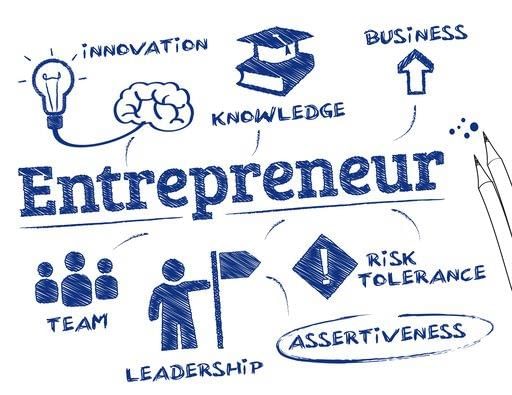





















Main Subjects for Commerce Class 11 + Class 12
Class 12 for Commerce Class 11 + Class 12
Economics Class 12
Business Studies (BST) Class 12
Accountancy Class 12
Entrepreneurship Class 12
Applied Mathematics for Class 12
Mathematics (Maths) Class 12
English Class 12
Physical Education Class 12(XII) - Notes & Model Test Papers
Legal Studies for Class 12
Computer Science for Class 12
Class 12 English Grammar
Class 11 for Commerce Class 11 + Class 12
Other Subjects for Commerce Class 11 + Class 12
Entrepreneurship Class 12
Applied Mathematics for Class 12
Mathematics (Maths) Class 12
Computer Science for Class 11
Applied Mathematics for Class 11
Entrepreneurship Class 11
Physical Education Class 12(XII) - Notes & Model Test Papers
Legal Studies for Class 12
Computer Science for Class 12
Retail Class 11
Legal Studies for Class 11
Revision for Commerce Class 11 + Class 12
Chapter Notes for Commerce
Mindmaps for Commerce
NCERT Essentials for Commerce
PPTs for Commerce
Crash Course of Macro Economics -Class 12
Crash Course for Commerce
Crash Course for Commerce (English)
Crash Course of Accountancy - Class 12
Crash Course of Business Studies(BST)- Class 12
Flashcards for Commerce
Additional Study Material for Commerce
CUET for Commerce Class 11 + Class 12
CUET Mock Test: Commerce Subjects 2026
CUET UG Mock Test Series 2026
Economics CUET Preparation
Accountancy CUET UG Mock Test Series 2026
English Language Preparation for CUET UG
Accountancy CUET Preparation
Business Studies CUET UG Mock Test Series 2026
Important Updates & Notifications for CUET
Business Studies CUET Preparation
Entrepreneurship CUET Preparation
Economics CUET UG Mock Test Series 2026
Computer Science CUET UG Mock Test Series 2026
Mathematics CUET Preparation
Mathematics CUET UG Mock Test Series 2026
Reference Books for Commerce Class 11 + Class 12
Practice for Commerce Class 11 + Class 12
Skill Building for Commerce Class 11 + Class 12
How to become an Expert of MS Excel
How to Speak with Confidence & Clarity in 6 Weeks
Calligraphy Course: Beginner to Advanced
Powerpoint: Become an Expert
Money Management for Students: Save, Budget & Spend Wisely
Improve Your Calculations: Vedic Maths (English)
ChatGPT for Everything: How to Use ChatGPT?
Tally ERP 9: Complete Training
Solve Like a Pro: Rubik Cube Tutorials
Daily Meditation Practices for Students
How to become an Expert of MS Word
Piano Tutorials Course: Beginners to Advance
The Ultimate Guitar Course: From Beginner to Advanced
Stock Market Basics for Beginners
Data Literacy for Students: Excel, Charts & Insights
C Programming for Beginners
Economics Current Affairs Digest (Monthly)
Chess Tutorial Course: Beginner to Advanced
Guided Learning for Commerce Class 11 + Class 12
Grammar for Commerce Class 11 + Class 12
ICSE for Commerce Class 11 + Class 12






| Why students choose EduRev for their Commerce Class 11 + Class 12 Exam | 4.6  (150K+ ratings) (150K+ ratings) |
 (150K+ ratings)

Commerce Stream Subjects in Class 11 and Class 12: A Complete Overview
Choosing the Commerce stream after Class 10 opens up a wide world of opportunities - from chartered accountancy and finance to business management and economics. Under CBSE, the Commerce stream includes four core subjects: Accountancy, Business Studies, Economics, and English. Students also get to pick optional subjects based on their interests and school availability.
Here is a quick look at the subject lineup for Commerce students:
| Category | Class 11 Subjects | Class 12 Subjects |
|---|---|---|
| Core | Accountancy, Business Studies, Economics, English | Accountancy, Business Studies, Economics, English |
| Optional | Mathematics / Applied Mathematics, Entrepreneurship, Physical Education, Legal Studies | Mathematics / Applied Mathematics, Entrepreneurship, Physical Education, Legal Studies |
Start your preparation early with structured resources like NCERT Essentials for Commerce and subject-wise Chapter Notes for Commerce available on EduRev.
How to Prepare for Commerce Class 12 Board Exams Effectively
Lakhs of students appear for the CBSE Class 12 Commerce board exams every year. Securing good marks requires more than just reading textbooks - you need a focused, subject-wise strategy. The best approach combines NCERT mastery, regular practice, and timed revision.
Smart Preparation Tips
- Always start with NCERT textbooks; they are the backbone of every Commerce board exam.
- Practise previous years' questions and CBSE sample papers regularly.
- Use subject-specific crash courses when time is limited before exams.
- Revise using mindmaps and PPTs for faster recall during the last few weeks.
If you are short on time, the Crash Course for Commerce on EduRev is an excellent resource. You can also explore the Crash Course for Commerce (English) for English-medium learners, or follow the structured 4 Months Preparation Plan for Commerce Class 12 Boards if you are starting early. Supplement your revision with Mindmaps for Commerce and PPTs for Commerce for quick concept reinforcement.
Best Notes, Chapter Summaries, and Study Material for Commerce Students
Good quality study material makes a significant difference when preparing for both board exams and CUET. EduRev offers comprehensive, CBSE-aligned resources across all Commerce subjects.
Key resources to bookmark right away:
- Sample Papers for Class 12 Commerce 2025-2026 - CBSE sample papers are among the most reliable practice tools available.
- Sample Papers for Class 11 Commerce 2025-2026 - equally important for Class 11 annual exams.
- Online MCQ Tests for Commerce - great for testing conceptual understanding across subjects.
For English preparation, check out English Class 12 and English Class 11 resources to score high in one of the most scoring subjects in Commerce.
Accountancy Class 11 and Class 12: DK Goel and TS Grewal Solutions Guide
Accountancy is often considered both the most scoring and the most challenging subject in Commerce. The key to doing well lies in understanding concepts thoroughly and practising numerical problems consistently.
Reference Books That Actually Help
DK Goel is the go-to reference for Accountancy Class 11, while TS Grewal is widely preferred for Class 12 - both are CBSE-recommended. Explore detailed solutions here:
For complete subject preparation, EduRev's Accountancy Class 11 and Accountancy Class 12 courses cover every chapter with notes, examples, and practice questions.
Economics Class 11 and Class 12: Concepts, Notes, and CUET Preparation Tips
Economics is a subject that combines theory with real-world application. Class 11 covers Microeconomics and Statistics, while Class 12 focuses heavily on Macroeconomics - a major component of the board exam and CUET both.
Macro Economics: The Most Important Part of Class 12 Economics
Key Macro Economics topics include National Income, Money and Banking, Government Budget, Balance of Payments, and Determination of Income and Employment. These concepts are directly tested in CUET Economics domain papers as well.
- Economics Class 11 - covers Microeconomics and Statistics thoroughly.
- Economics Class 12 - complete coverage of Macro Economics and Indian Economic Development.
- Crash Course of Macro Economics - Class 12 - ideal for quick revision before exams.
- Economics Current Affairs Digest (Monthly) - stay updated with relevant economic developments.
- Economics CUET Preparation - targeted prep for CUET domain-specific Economics paper.
CUET Mock Tests for Commerce Students: Subjects, Strategy, and Scoring High
CUET UG 2026, conducted by NTA, is now a critical gateway for admission to central universities and hundreds of participating institutions across India. Commerce students can appear in domain subjects including Accountancy, Business Studies, Economics, and Applied Mathematics.
| CUET Subject | Mock Test Resource on EduRev |
|---|---|
| All Commerce Subjects (Combined) | CUET Mock Test: Commerce Subjects 2026 |
| Accountancy | Accountancy CUET UG Mock Test Series 2026 |
| Business Studies | Business Studies CUET UG Mock Test Series 2026 |
| General (All Streams) | CUET UG Mock Test Series 2026 |
Also explore Accountancy CUET Preparation and Mathematics CUET Preparation for subject-specific practice.
Business Studies and Entrepreneurship for Class 11 and Class 12: Key Topics Covered
Business Studies (BST) is one of the most scoring subjects in the Commerce stream when prepared correctly. It covers topics like Nature and Purpose of Business, Organising, Directing, Marketing Management, and Financial Management across both classes.
- Business Studies (BST) Class 11 - foundational business concepts clearly explained.
- Business Studies (BST) Class 12 - covers advanced management and finance topics.
- Entrepreneurship Class 11 and Entrepreneurship Class 12 - great optional subject for students interested in startups and business creation.
Applied Mathematics for Commerce: Class 11 and Class 12 Complete Resource Guide
CBSE introduced Applied Mathematics as an alternative to regular Mathematics, specifically designed for Commerce and Humanities stream students. It focuses on real-world, application-based problems rather than pure theoretical maths - making it a practical and less intimidating choice for many students.
- Applied Mathematics for Class 11 - builds fundamental quantitative skills.
- Applied Mathematics for Class 12 - covers topics directly relevant to Commerce applications.
- Mathematics (Maths) Class 12 and Mathematics (Maths) Class 11 - for students opting for regular Mathematics.
Also check out Physical Education Class 12 - Notes & Model Test Papers and Legal Studies for Class 12 for other optional subject preparation.
Skill-Based Courses for Commerce Students: Tally ERP 9, MS Excel, and Data Literacy
Academic knowledge alone is no longer enough in today's competitive job market. Commerce students who invest in skill-based learning stand out during college placements and internship applications. Here are the most valuable practical skills to develop:
Must-Learn Skills for Commerce Students
- Tally ERP 9 - India's most widely used accounting software. Learn it through the Tally ERP 9: Complete Training course on EduRev.
- MS Excel - essential for finance, banking, and data-related roles. Start with How to Become an Expert of MS Excel.
- Data Literacy - reading and interpreting data using charts and Excel. Explore Data Literacy for Students: Excel, Charts & Insights.
- ChatGPT for Studying - learn to use AI tools effectively with ChatGPT for Everything: How to Use ChatGPT.
- Communication Skills - build confidence with How to Speak with Confidence & Clarity in 6 Weeks.
Sample Papers and Crash Courses: Smart Last-Minute Preparation for Commerce Exams
As board exam dates approach, students need resources that are targeted, time-efficient, and highly effective. CBSE officially releases sample papers for all Commerce subjects, and these are among the best last-minute preparation tools available. On EduRev, you will find updated Sample Papers for Class 12 Commerce 2025-2026 and Sample Papers for Class 11 Commerce 2025-2026 alongside expert-curated crash courses.
Combine these with the Chapter Notes for Commerce and regular practice through Online MCQ Tests for Commerce to build both speed and accuracy. With the right resources and consistent effort, scoring well in Commerce board exams - and cracking CUET 2026 - is absolutely achievable.
Commerce Class 11 + Class 12 FAQs
| 1. What's the difference between financial accounting and management accounting for Class 11 Commerce? |  |
| 2. How do I calculate cost price and selling price to find profit and loss? | |
| 3. What are the main types of business organization structures explained in Commerce? | |
| 4. Why do we need to understand the concept of double-entry bookkeeping in accounting? | |
| 5. How do I prepare a trial balance and what does it tell me about my accounts? | |
| 6. What's the purpose of depreciation in financial accounting for Class 12? | |
| 7. How do I understand the differences between revenue and capital expenditure in accounting? | |
| 8. What exactly is cash flow and why is it different from profit in business? | |
| 9. How do ratios help analyse a company's financial health and performance? | |
| 10. What are the key differences between partnership and company structure for starting a business? | |
 One subscription to unlock all Commerce Class 11 + Class 12 Courses View Pricing Plans Starting @ $1 per month | |


