Prepare for Basic Technology
with EduRev
Basic Technology syllabus








| Why students choose EduRev for their Basic Technology Exam | 4.6  (150K+ ratings) (150K+ ratings) |
 (150K+ ratings)



What Is Basic Technology? A Complete Introduction to Computer Science and Digital Skills
Basic Technology is a subject area that forms the foundation of digital literacy and computer education. Whether you are a school student, a government job aspirant, or simply someone looking to upgrade your skills, understanding Basic Technology is essential in today's fast-moving digital world. This course covers everything from how a computer works to how the internet connects billions of people globally.
The Basic Technology syllabus is built around four core pillars:
- Computer Hardware and Software - Understanding physical components and software types
- Internet Usage and Safety - How to navigate the web safely and responsibly
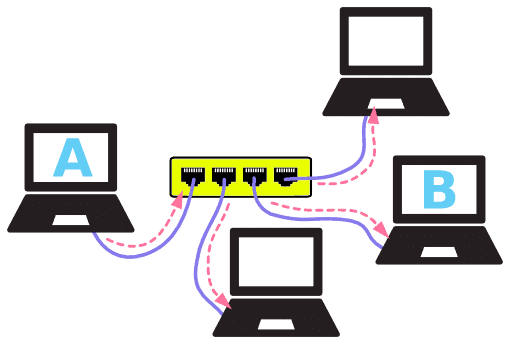
- Computer Networking - How devices communicate and share data
- Digital Literacy Skills - Practical skills needed in academic and professional environments
For students appearing for competitive examinations or school-level assessments in 2025, a solid grip on Basic Technology concepts can make a real difference in securing good marks and building long-term career prospects.
Core Topics You Will Learn in the Basics of Computer and Internet Course
The Basics of Computer and Internet (English) course covers foundational concepts that every digital learner must know. Here is a snapshot of the key topics you will encounter:
Computer Hardware Essentials
- CPU (Central Processing Unit) - The brain of the computer
- RAM and ROM - Volatile and non-volatile memory types
- Input/Output Devices - Keyboard, mouse, monitor, printer, etc.
- Storage Devices - HDD, SSD, USB drives
Software Classification
| Software Type | Examples | Function |
|---|---|---|
| System Software | Windows 11, Ubuntu Linux, macOS | Manages hardware resources |
| Application Software | MS Office, Web Browsers | Performs user-specific tasks |
Students who prefer studying in their regional language can explore the Basics of Computer and Internet in Hindi for a more comfortable learning experience. The course is structured to help beginners build confidence from scratch.
A key concept covered is the binary number system - the foundation of all computing. Data is stored as bits (0s and 1s), where 8 bits = 1 Byte, 1024 Bytes = 1 Kilobyte (KB), and so on. Understanding this is crucial for both the Basic Technology exam and broader computer science fundamentals.
Basics of Internet Explained: Essential Concepts Every Student Must Know
The internet is a global network of interconnected computers that communicate using standardized protocols, primarily TCP/IP (Transmission Control Protocol/Internet Protocol). If you are preparing for the Basic Technology exam, internet fundamentals are among the most frequently tested topics.
Start your preparation with the Basics of Internet course in Tamil, which explains all core concepts in an accessible regional language format.
Key Internet Concepts to Master
- IP Addresses - IPv4 uses a 32-bit address scheme; IPv6 uses 128-bit, supporting far more unique addresses
- DNS (Domain Name System) - Translates domain names into IP addresses
- HTTP and HTTPS Protocols - The backbone of web communication
- URLs (Uniform Resource Locators) - Web addresses that point to specific resources
- Email Communication - Protocols like SMTP govern how emails are sent
Cybersecurity Basics
Cybersecurity is an increasingly important part of any internet basics study material. You should be familiar with firewalls, antivirus software, phishing awareness, and safe browsing practices. These topics appear regularly in Basic Technology notes and are relevant for competitive exam preparation as well.
How to Prepare for the Basic Technology Exam: Proven Study Tips and Strategies
Cracking the Basic Technology exam requires a structured approach. Here are some tried-and-tested strategies that students across India have found effective:
- Understand the syllabus thoroughly - Cover all four pillars: hardware, software, internet, and networking
- Use multilingual resources - If English is not your first language, use Hindi or Tamil medium materials
- Practice with previous year questions - Familiarize yourself with the type of questions asked
- Take mock tests regularly - EduRev offers Basic Technology mock tests to evaluate your preparation level
- Revise key concepts daily - Short daily revision sessions are more effective than last-minute cramming
For a comprehensive understanding of computer science fundamentals, check out the Understanding the Basics of Computer Science and Technology course on EduRev. It covers everything from algorithms and flowcharts to operating systems and programming basics.
As of 2025, digital literacy and Basic Technology skills are mandatory or strongly recommended for most government job examinations in India, including SSC, IBPS banking exams, and state-level PSC exams. Building a strong foundation now pays dividends across multiple competitive examinations.
Computer Networking Basics: Key Concepts Covered in the Basic Technology Course
Computer networking is one of the most technical - and most scoring - sections of the Basic Technology syllabus. The Basics of Computer Networking (English) course on EduRev provides a clear, beginner-friendly breakdown of all networking concepts.
Types of Computer Networks
| Network Type | Full Form | Coverage Area |
|---|---|---|
| LAN | Local Area Network | Single room or building |
| WAN | Wide Area Network | Large geographic regions |
| MAN | Metropolitan Area Network | City or town |
| PAN | Personal Area Network | Around an individual |
OSI Model and TCP/IP Model
The OSI (Open Systems Interconnection) model has 7 layers: Physical, Data Link, Network, Transport, Session, Presentation, and Application. The TCP/IP model simplifies this into 4 layers: Network Access, Internet, Transport, and Application. Both models are commonly tested in the Basic Technology exam.
Key Networking Devices and Protocols
- Router - Connects different networks together
- Switch - Connects devices within the same network
- Modem - Converts digital signals for transmission
- Protocols - HTTP, HTTPS, FTP, SMTP, DNS, DHCP
Network topologies - including Bus, Star, Ring, Mesh, and Hybrid - are also important topics that frequently appear in computer networking basics for competitive exam preparation.
Basic Technology Course Available in Tamil, Hindi, and English: What to Expect
One of the standout features of the Basic Technology study material on EduRev is its multilingual availability. Recognizing that India's diverse learner base has different language preferences, the courses are offered in three languages:
- Basics of Computer and Internet - English
- Basics of Computer and Internet - Hindi
- Basics of Internet - Tamil
This multilingual approach aligns with India's National Education Policy (NEP) 2020, which emphasizes mother-tongue-based learning and digital skill development. Programs like PMGDISHA (Pradhan Mantri Gramin Digital Saksharta Abhiyan) have also highlighted the importance of regional-language digital literacy as of 2025. Students from Tamil Nadu, Hindi-speaking states, and English-medium backgrounds can all find a course tailored to their comfort level.
Best Study Materials and PDF Notes for Basic Technology Exam Preparation
Finding reliable Basic Technology study material can be challenging with so many options available. EduRev brings together structured notes, video lessons, and practice questions in one place. Here is what you can access:
- Basic Technology notes PDF download - Concise, exam-focused notes for quick revision
- Computer networking notes PDF - Covers LAN, WAN, OSI model, and protocols
- Internet basics study material - IP addresses, DNS, cybersecurity, and more
- Basic Technology mock test series - Practice tests to assess your preparation level
- Previous year questions PDF - Understand the pattern and difficulty of past exams
You can also explore the additional course resources available on EduRev for supplementary practice material. All resources are curated to help you prepare efficiently without wasting time on irrelevant content.
Understanding Computer Science and Technology Fundamentals from Scratch
If you are new to computers, do not worry - the Basic Technology course is designed with beginners in mind. The Introduction to Computer Science and Technology course walks you through everything from the ground up.
Key computer science basics for beginners include:
- Understanding algorithms and flowcharts as problem-solving tools
- Introduction to programming languages - Python is widely taught as a beginner language in 2025
- Difference between primary memory (RAM/ROM) and secondary storage (HDD, SSD)
- Role of the Operating System in managing hardware and software resources
Popular operating systems covered include Windows 11, macOS Sonoma, Ubuntu Linux, Android, and iOS - giving students a well-rounded understanding of the digital ecosystem they interact with daily.
Why Learning Basic Technology Skills Is Essential in Today's Digital World
In 2025, digital literacy is no longer optional - it is a baseline requirement across academic institutions, government offices, and private sector workplaces. The ability to use internet tools, understand networking concepts, and operate computer software is expected of virtually every professional today.
For Indian students specifically, Basic Technology skills are increasingly important for:
- Government job exams (SSC, IBPS, state PSC examinations)
- School and college-level assessments
- Skill development and employability in the digital economy
- Everyday tasks like online banking, e-governance portals, and communication
Start your journey today with EduRev's comprehensive course on computer networking fundamentals and build the digital foundation that modern India demands. Whether you are aiming to clear a competitive exam or simply want to be more confident with technology, these courses offer practical, structured, and accessible learning paths for every student.
Basic Technology FAQs
| 1. What is basic technology and why do we study it in school? |  |
| 2. What are the main topics covered in basic technology curriculum? | |
| 3. How do simple machines help us do work more easily? | |
| 4. What is the difference between renewable and non-renewable energy sources? | |
| 5. How are materials classified and what properties should students know? | |
| 6. What is an electric circuit and how does it work? | |
| 7. How do communication technologies help us stay connected? | |
| 8. What steps are involved in the manufacturing and production process? | |
| 9. How does technology impact the environment and what solutions exist? | |
| 10. What practical skills and problem-solving abilities does basic technology develop? | |
 One subscription to unlock all Basic Technology Courses View Pricing Plans Starting @ $1 per month | |


