Prepare for Fashion Designing
with EduRev
Fashion Designing syllabus



All Courses





| Why students choose EduRev for their Fashion Designing Exam | 4.6  (150K+ ratings) (150K+ ratings) |
 (150K+ ratings)


What is Sewing and Why is it the Foundation of Fashion Designing?
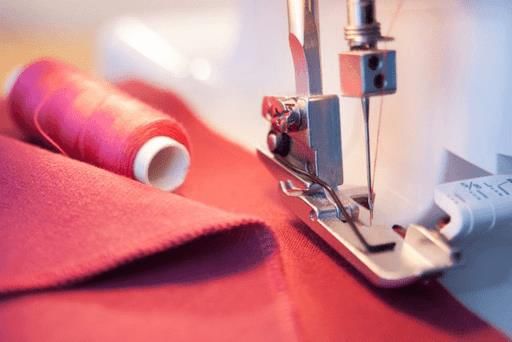
Sewing is the craft of joining fabrics using a needle and thread - either by hand or with a sewing machine. It sounds simple, but for anyone serious about a career in fashion designing, sewing is the bedrock skill that everything else builds upon. Before you can sketch a silhouette, drape a garment, or create a collection, you must understand how fabrics behave, how seams hold, and how a stitch can either make or ruin a piece.
In every reputed fashion designing course in India - whether at NIFT, NID Ahmedabad, Pearl Academy, or Symbiosis Institute of Design - foundational sewing and garment construction are part of the core curriculum. That's because fashion design and sewing are inseparable. Understanding fabric construction teaches you the "why" behind every design decision. If you're just starting out, explore this beginner-friendly sewing tutorial on EduRev to build your foundation the right way.
Essential Sewing Tools and Materials Every Beginner Must Have
Before your first stitch, you need the right sewing tools for beginners. Having proper supplies makes the learning process smoother and prevents common frustrations. Here's what your basic sewing kit should include:
Hand Sewing Essentials
- Hand sewing needles - available in various sizes for different fabric weights
- Thread - cotton for natural fabrics, polyester for synthetics
- Fabric scissors/shears - sharp, dedicated fabric-only scissors
- Seam ripper - your best friend when mistakes happen
- Measuring tape - flexible, not rigid
- Tailor's chalk - for marking fabric without leaving permanent marks
- Straight pins and pin cushion
- Thimble - protects your finger during hand sewing
Machine Sewing Supplies
- A domestic sewing machine (best sewing machine for beginners should have basic stitch options and easy threading)
- Bobbins and machine needles in multiple gauges
- Presser feet for different stitch types
Best Fabrics for Beginners to Practice On
| Fabric | Why It's Beginner-Friendly | Best Used For |
|---|---|---|
| Cotton | Easy to cut, press, and stitch | First projects, practice seams |
| Muslin | Inexpensive and forgiving | Making practice garments (toiles) |
| Linen | Slightly textured but manageable | Simple garments and accessories |
Avoid silk, chiffon, velvet, and stretch knits initially - these require advanced handling skills and can be discouraging for a beginner.
Basic Sewing Stitches for Beginners: A Step-by-Step Guide
Every beginner sewing guide should start with mastering essential stitches. These are the basic sewing stitches for beginners that form the building blocks of garment construction:
- Running Stitch - The most fundamental stitch; ideal for gathering fabric and basting. Simply pass the needle in and out of the fabric at regular intervals.
- Backstitch - One of the strongest hand stitches, used for seams. After each forward stitch, you go back to close the gap, creating a continuous line.
- Slip Stitch (Ladder Stitch) - Perfect for hemming and closing openings invisibly from the outside.
- Whip Stitch - Used to join two pieces of fabric at their edges; frequently used in finishing work.
- Basting Stitch - A long, temporary stitch used to hold pieces in place before the final sewing.
- Overcast Stitch - Used to finish raw edges and prevent fraying, especially important when a machine overlocker isn't available.
Practising these sewing techniques step by step on scrap fabric before moving to actual projects will save you considerable effort later.
How to Start Sewing at Home: Beginner Tips and Techniques
Learning how to sew for beginners at home is entirely possible with the right approach. Here are practical tips to get started without feeling overwhelmed:
- Start small: Begin with straight seams on cotton fabric before attempting curves or zippers.
- Always press your fabric: Iron your fabric before cutting. Wrinkled fabric leads to inaccurate cuts and ill-fitting results.
- Pin before you sew: Skipping the pinning step is one of the most common beginner errors - fabric pieces shift and your seams go crooked.
- Learn key sewing terms: Understanding words like seam allowance (typically 1.5 cm), hem, dart, grain line, and notch will help you follow instructions accurately.
- Secure thread ends: Always backstitch at the beginning and end of a seam so it doesn't unravel.
Sewing basics every beginner should know also include understanding the grain line - always cut fabric along the grain to ensure proper drape and fit in the finished garment.
Hand Sewing vs Machine Sewing: What Should Beginners Learn First?
This is a question almost every beginner asks. Here's a clear comparison to help you decide:
| Aspect | Hand Sewing | Machine Sewing |
|---|---|---|
| Control | Greater control for detailed, intricate work | Less flexibility in tight areas |
| Speed | Slower | Significantly faster |
| Seam Strength | Good for repairs and embellishments | Stronger, more uniform seams |
| Cost | Minimal investment | Requires a sewing machine |
| Best For | Learning stitch mechanics, repairs, hemming | Constructing full garments professionally |
Most fashion designing basics courses advise students to learn hand sewing techniques first. It builds an intuitive understanding of how stitches work before you transition to sewing machine basics for beginners. Once you're confident with hand stitching, moving to a machine feels natural rather than intimidating.
How to Read and Use Sewing Patterns for Beginners
Sewing patterns are printed or digital templates that guide you in cutting fabric and assembling a garment. Understanding how to read sewing patterns is a critical skill in any beginner sewing guide.
Key Pattern Components
- Size guide: Patterns include measurements for multiple sizes - always check your body measurements against the chart before cutting.
- Materials list: Specifies how much fabric, interfacing, and notions (zippers, buttons) you'll need.
- Pattern markings: Solid lines indicate cutting lines; dashed lines show stitching lines; arrows indicate the grain direction.
- Notches: Small triangular cuts on pattern edges help you align pieces correctly during construction.
- Step-by-step instructions: Most beginner sewing patterns include detailed construction guides - read them fully before beginning.
Many beginners download free sewing patterns for beginners to practice before investing in commercial patterns. Starting with a simple project like a tote bag or a pillowcase helps you get comfortable with pattern language without the pressure of fitting a garment to the body.
Common Sewing Mistakes Beginners Make and How to Avoid Them
Even motivated learners hit roadblocks. Knowing these common sewing mistakes and how to fix them will save you a lot of frustration:
- Not pressing fabric before cutting: Always iron first - creases cause inaccurate cuts.
- Ignoring seam allowances: The standard seam allowance is 1.5 cm. Ignoring it results in garments that don't fit properly.
- Wrong needle size for the fabric: A fine needle for heavy denim or a heavy needle for delicate cotton will cause skipped stitches or fabric damage.
- Cutting across the fabric grain: This causes garments to twist or pull in the wrong direction.
- Not securing thread ends: Seams that aren't backstitched at both ends will unravel quickly.
- Skipping the pinning step: Pins keep fabric layers from shifting while you sew. Never skip this.
Best Online Sewing Courses and Tutorials for Beginners
For Indian students looking to learn sewing at home, structured online learning makes a significant difference compared to watching random videos. A well-organized course walks you through concepts in the right order - from tools and stitches to patterns and garment construction.
EduRev offers a comprehensive Sewing: A Tutorial for Beginners course designed specifically for those starting from scratch. It covers everything from sewing tools for beginners to hand sewing techniques and beyond - making it an excellent starting point for anyone interested in fashion designing basics or building practical garment construction skills from home.
Whether you're preparing to appear for NIFT, NID, or Pearl Academy entrance examinations, or simply want to develop fashion designer skills required for a professional career, structured learning through a trusted platform like EduRev gives you a real advantage over self-taught methods.
Career Opportunities in Fashion Designing After Learning Sewing
Once you've built a strong sewing foundation, the scope of fashion designing opens up across multiple career paths. Here are some of the most sought-after roles in 2025:
- Fashion Designer - Creating original clothing lines and collections
- Pattern Maker - Developing technical patterns for garment production
- Costume Designer - Working in theatre, film, and television
- Textile Designer - Designing fabrics and surface patterns
- Fashion Stylist - Curating looks for shoots, celebrities, and brands
- Tailor / Seamstress - Running an independent studio or working with established houses
- Embroidery and Ornamentation Specialist - A highly valued niche in the Indian ethnic wear market
- Apparel Production Manager - Overseeing garment manufacturing processes
- Fashion Merchandiser - Bridging design and retail buying
Jobs after a fashion designing course span both creative and technical domains, giving graduates from institutions like NIFT and NID diverse avenues to pursue. Whether your strength lies in design, construction, or business, sewing skills remain the common thread across all these roles. Start your journey today with the beginner sewing tutorial on EduRev and take your first confident step toward a rewarding career in fashion.
Fashion Designing FAQs
| 1. What skills do I need to become a fashion designer? |  |
| 2. How do I start learning fashion design from home? | |
| 3. What's the difference between fashion design and garment construction? | |
| 4. Which subjects should I focus on for fashion design exams? | |
| 5. How important is drawing skills in fashion designing? | |
| 6. What are the best ways to build a fashion design portfolio? | |
| 7. Can I study fashion design through distance learning or online courses? | |
| 8. What job opportunities exist after completing fashion design studies? | |
| 9. How do I prepare for fashion design entrance exams effectively? | |
| 10. What's the role of textiles and fabric knowledge in fashion design? | |
 One subscription to unlock all Fashion Designing Courses View Pricing Plans Starting @ $1 per month | |


