Prepare for KVS PGT/TGT/PRT
with EduRev
KVS PGT/TGT/PRT syllabus


All Courses




















| Why students choose EduRev for their KVS PGT/TGT/PRT Exam | 4.6  (150K+ ratings) (150K+ ratings) |
 (150K+ ratings)

What is KVS PGT, TGT, and PRT? A Complete Overview of Kendriya Vidyalaya Teaching Posts
Kendriya Vidyalaya Sangathan (KVS), operating under the Ministry of Education, Government of India, is one of the most prestigious centrally funded school systems in the country, running over 1,250 Kendriya Vidyalayas across India. Every year, lakhs of teacher aspirants appear for KVS recruitment, making it one of the most competitive teaching examinations in India.
KVS recruits teachers across three core categories:
| Post | Full Form | Classes Covered | Degree Required |
|---|---|---|---|
| PRT | Primary Teacher | Class 1 to Class 5 | Graduation + B.Ed./D.El.Ed. |
| TGT | Trained Graduate Teacher | Class 6 to Class 10 | Graduation in subject + B.Ed. |
| PGT | Post Graduate Teacher | Class 11 to Class 12 | Master's degree + B.Ed. |
Beyond teaching posts, KVS also recruits for non-teaching roles such as the Senior Secretariat Assistant and Librarian positions, each tested through a separate written examination.
How to Prepare for KVS PGT, TGT, and PRT: Subject-Wise Strategy for Aspirants
A well-structured KVS exam preparation strategy is essential given the breadth of the syllabus. The written examination tests candidates across General English, General Hindi, General Awareness, Reasoning Ability, Computer Literacy, Child Development and Pedagogy, and Subject-Specific Knowledge.
Subject-Wise Preparation Tips
- General English: Focus on grammar rules, comprehension passages, and vocabulary. Strengthen your basics using resources like General English for Secondary Classes.
- Child Development and Pedagogy (CDP): This is a high-weightage section for KVS PRT and TGT. Master learning theories, inclusive education, and NEP 2020 concepts.
- Subject Knowledge: For KVS TGT and PGT preparation, deep command over your subject is non-negotiable. Revise thoroughly using NCERT content.
- Quantitative Aptitude: Sharpen your numerical ability with structured practice using Quantitative Aptitude for Competitive Exams.
- General Awareness: Cover static GK and current affairs from the last 6 to 12 months consistently.
For quick and actionable preparation guidance, refer to Tips and Tricks for Government Exams to sharpen your approach across all sections.
Best Books and Study Material for KVS Exam Preparation
Choosing the right study material is half the battle won. For KVS exam preparation, here are the most relied-upon resources:
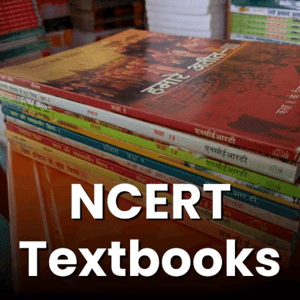
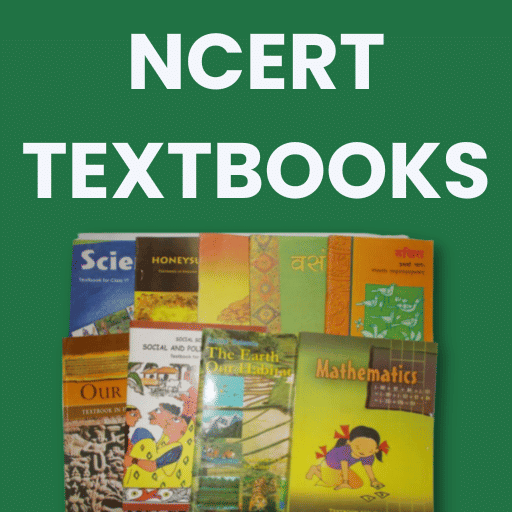
- NCERT Textbooks: The single most important source for subject knowledge across all posts.
- Lucent's General Knowledge: A staple for static GK - widely used across KVS, NVS, and other government exams. Access it on EduRev as Lucent For GK.
- CDP Notes: Essential for PRT and TGT aspirants. A dedicated Child Development and Pedagogy course covers all key concepts.
- General Awareness Material: Build your GK foundation with General Awareness and supplement it with General Awareness and Knowledge resources on EduRev.
- Social Studies Pedagogy: TGT aspirants in Social Studies can benefit from Social Studies and Pedagogy for CTET and TET Exams.
Why Mock Test Series Is the Key to Cracking KVS PGT, TGT, and PRT
No preparation is complete without rigorous mock test practice. The best mock tests for KVS exam closely simulate the actual exam environment, helping you build both speed and accuracy.
EduRev offers dedicated mock test series for every post:
- KVS PGT Exam Mock Test Series 2026
- KVS TGT Exam Mock Test Series 2026
- KVS PRT Exam Mock Test Series 2026
Regular KVS online mock tests help you identify weak areas across CDP, General Awareness, and subject knowledge before the actual exam. Sectional tests and full-length mock tests together are widely regarded as the single most impactful practice for competitive teaching exams.
Child Development and Pedagogy for KVS and CTET: Concepts Every Teacher Aspirant Must Know
CDP is arguably the most conceptually rich section of the KVS PRT and TGT exams. It carries significant weight and also overlaps directly with CTET preparation, making it a high-return area for study.
Key CDP Concepts to Master
- Piaget's Theory of Cognitive Development
- Vygotsky's Zone of Proximal Development (ZPD)
- Bloom's Taxonomy of Learning
- Howard Gardner's Theory of Multiple Intelligences
- Inclusive Education principles
- NEP 2020 key provisions and their pedagogical implications
Since CDP appears in KVS, NVS, CTET, and state TET exams, investing time here pays off across multiple examinations simultaneously. Start your preparation with Child Development and Pedagogy for CTET Preparation on EduRev, which covers all these concepts in a structured manner.
How NCERT Textbooks Shape Your KVS Exam Preparation
NCERT textbooks are the backbone of KVS exam preparation, and this cannot be overstated. Most subject knowledge questions in the KVS written exam are directly or conceptually aligned with NCERT content.
- KVS PRT aspirants should thoroughly study NCERT Textbooks and Solutions for Class 1 to Class 5.
- KVS TGT and PGT aspirants must cover NCERT Textbooks from Class 6 to Class 12 in their respective subjects.
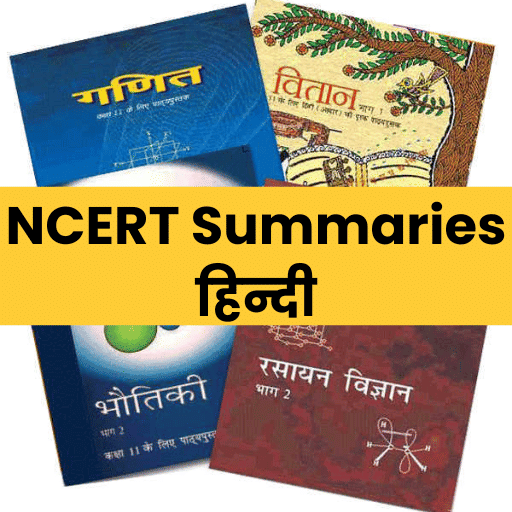
- For time-pressed candidates, NCERT Video Summaries for Class 6 to Class 12 offer an efficient way to revise the vast syllabus quickly.
Whether you are preparing for KVS PGT, TGT, or PRT, completing NCERT textbooks before moving to advanced material is the most reliable preparation sequence recommended by successful candidates.
General Awareness and GK for KVS Exam: How to Build a Strong Foundation
General Awareness is a section where consistent effort over weeks and months makes the real difference. Here is how to build a strong GK foundation for the KVS exam:
- Cover Indian history, geography, polity, economy, and science through NCERT Class 6 to 12 books.
- Use Lucent GK for comprehensive static general knowledge - it remains the most popular reference for KVS and NVS aspirants alike.
- Follow current affairs from the last 6 to 12 months, focusing on government schemes, national awards, sports, and science and technology updates.
- Supplement your preparation with structured General Awareness and Knowledge resources available on EduRev.
Is CTET Mandatory for KVS PRT and TGT? Everything You Need to Know
Yes, CTET is mandatory for KVS PRT and TGT appointments. Conducted by CBSE, the Central Teacher Eligibility Test is a minimum teaching competency standard required under the Right to Education (RTE) Act, 2009.
| KVS Post | CTET Requirement |
|---|---|
| KVS PRT | CTET Paper 1 (Classes 1-5) mandatory |
| KVS TGT | CTET Paper 2 (Classes 6-8) mandatory |
| KVS PGT | CTET not required |
If you are yet to clear CTET, begin with the CTET Mock Test Series 2026 on EduRev. Complement your preparation with English Language and Pedagogy for CTET and TET Exams to strengthen the language section as well.
KVS vs NVS: Key Differences Every Aspiring Teacher Should Understand
Many aspirants simultaneously prepare for both KVS and NVS, and rightly so - the syllabus overlap is substantial. Here is a quick comparison:
- KVS serves children of central government and defence employees across 1,250+ schools.
- NVS (Navodaya Vidyalaya Samiti) focuses on meritorious rural students through residential Jawahar Navodaya Vidyalayas across 650+ schools.
- Both follow the CBSE curriculum and NCERT textbooks, and both require CTET for PRT and TGT level posts.
Since NVS PGT and TGT preparation overlaps significantly with KVS preparation, practising with dedicated NVS mock tests is a smart dual-exam strategy. Access the NVS PGT Mock Test Series 2026 and the NVS TGT Mock Test Series 2026 on EduRev to maximise your preparation efficiency.
Top Tips to Crack KVS PGT, TGT, and PRT in the First Attempt
Cracking the KVS exam in the first attempt requires discipline, the right resources, and a smart strategy. Here are the most impactful tips:
- Start with NCERT: Whether you are appearing for PRT, TGT, or PGT, NCERT is your foundation - do not skip it.
- Prioritise CDP and Pedagogy: It is a high-scoring section with predictable topics. Consistent revision pays off greatly.
- Take mock tests regularly: Attempt full-length KVS mock tests on EduRev to simulate the real exam experience and track improvement.
- Revise GK daily: Dedicate at least 20-30 minutes every day to current affairs and static GK.
- Clear CTET early: If you are targeting PRT or TGT, qualifying CTET before the KVS recruitment cycle gives you a definite edge.
- Use video summaries for revision: With a vast syllabus, video-based revision tools save time during the final weeks.
With the right combination of conceptual clarity, consistent practice, and smart revision, securing a teaching position in Kendriya Vidyalaya is absolutely achievable. Begin your journey today with structured resources and mock tests available on EduRev - and take one step closer to your dream government teaching career.
KVS PGT/TGT/PRT FAQs
| 1. What is the eligibility criteria for KVS PGT TGT PRT recruitment? |  |
| 2. How many vacancies are usually announced in KVS recruitment every year? | |
| 3. What is the exam pattern for KVS PGT and how many marks is it for? | |
| 4. Is CTET compulsory for KVS TGT and PRT posts or is KVS CTET different? | |
| 5. How do I start preparing for KVS PGT when I have only 3 months left? | |
| 6. What books are best for KVS TGT preparation in terms of subject knowledge and pedagogy? | |
| 7. What is the difference between KVS PGT, TGT, and PRT posts in terms of salary and teaching level? | |
| 8. How difficult is the KVS written exam compared to other teaching recruitment exams in India? | |
| 9. What topics are covered under the General Knowledge and Current Affairs section in KVS exam? | |
| 10. How is the KVS interview conducted and how much does it matter for final selection? | |
| 11. What are the most common mistakes KVS aspirants make while preparing that I should avoid? | |
| 12. Is there any negative marking in the KVS PRT exam and how should I plan my attempt strategy? | |
| 13. How long does the entire KVS selection process take from notification to joining? | |
| 14. What is the role of pedagogy in KVS TGT exam and how much weightage does it carry? | |
| 15. Are there any free mock tests or practice papers available online for KVS PGT TGT PRT preparation? | |
 One subscription to unlock all KVS PGT/TGT/PRT Courses View Pricing Plans Starting @ $1 per month | |


