Prepare for Compliance Exam
with EduRev
Compliance syllabus












| Why students choose EduRev for their Compliance Exam | 4.6  (150K+ ratings) (150K+ ratings) |
 (150K+ ratings)



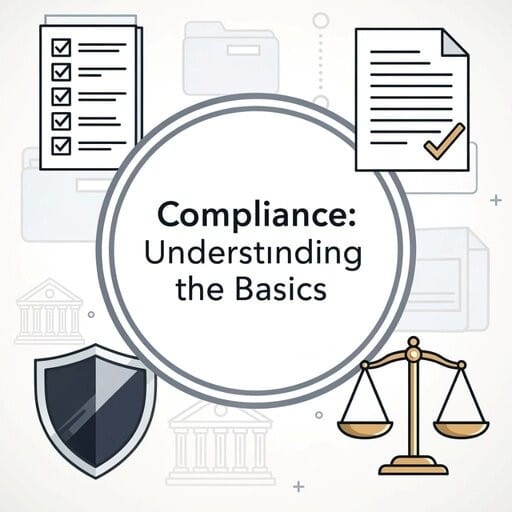
What Is Compliance Certification and Why It Matters for Your Career
In today's highly regulated business environment, compliance certification has become one of the most sought-after credentials across industries. Whether you are working in banking, fintech, healthcare, or corporate governance, understanding compliance fundamentals is no longer optional - it is essential. For Indian professionals looking to build a future-proof career, earning a recognized compliance certification can open doors to high-paying, globally relevant roles.
Compliance refers to the process of following laws, regulations, standards, and ethical practices applicable to an organization or individual within a specific industry. From preventing financial crime to protecting employee rights and safeguarding personal data, compliance touches every part of modern business. If you are considering a career shift or want to upskill, starting with Compliance: Understanding the Basics is the ideal first step.
Compliance: Understanding the Basics You Need to Know
Before diving into specialized areas, every aspiring compliance professional must build a strong foundation. Compliance basics cover the core principles that govern how organizations operate within legal and regulatory boundaries. This includes corporate compliance programs, ethics and compliance training, and compliance risk management strategies.
Key Areas Covered in Compliance Fundamentals
- Introduction to compliance frameworks and their purpose
- Understanding regulatory bodies and their jurisdictions
- Compliance risk management and internal audit basics
- Role of a Compliance Officer within an organization
- Ethics, integrity, and corporate governance principles
For beginners, these compliance fundamentals help contextualize why regulations exist and how violations lead to serious consequences - ranging from financial penalties to reputational damage. Getting a solid grip on compliance for beginners ensures you approach advanced topics with clarity and confidence.
What Is AML, KYC, and Financial Compliance? A Complete Overview
Among all compliance domains, AML compliance and KYC compliance are arguably the most critical - especially for professionals in banking and financial services. Anti-Money Laundering (AML) refers to a set of laws, regulations, and procedures designed to prevent criminals from disguising illegally obtained funds as legitimate income.
AML at a Glance
The Financial Action Task Force (FATF), established in 1989, is the global standard-setting body for AML. Its 40 Recommendations form the international framework for combating money laundering and terrorist financing. AML compliance is mandatory for banks, financial institutions, insurance companies, and other regulated entities worldwide.
KYC: Know Your Customer
KYC is a mandatory process used by financial institutions to verify client identities before doing business. It involves three core components:
- Customer Identification Program (CIP) - verifying who the customer is
- Customer Due Diligence (CDD) - understanding the nature of the customer's business and risk
- Enhanced Due Diligence (EDD) - deeper scrutiny for high-risk clients
Digital KYC (eKYC), leveraging biometric verification and AI-based identity checks, is rapidly expanding in India. KYC compliance is technically a subset of AML compliance, and both go hand in hand in financial crime prevention. To master these concepts thoroughly, explore the course on Anti-Money Laundering Concepts: AML, KYC and Compliance on EduRev.
Workplace Compliance Training: Key Concepts and Best Practices
Workplace compliance is an area that affects every employee, manager, and HR professional - regardless of industry. It covers adherence to labor laws, occupational health and safety (OHS) standards, anti-discrimination laws, and HR regulations. In 2025, organizations are under increasing pressure to implement robust workplace compliance training programs.
Core Topics in Workplace Compliance
- Equal Employment Opportunity (EEO) laws
- Prevention of sexual harassment at the workplace (POSH Act in India)
- Wage and hour laws and employee rights
- Data privacy for employees and HR compliance training
- Anti-bribery and anti-corruption guidelines
Companies are increasingly mandating annual workplace compliance courses for all staff. For professionals wanting structured training on this subject, the Workplace Compliance course on EduRev covers key workplace regulatory compliance topics in a practical, easy-to-understand format.
| Compliance Area | Key Focus | Who It Affects |
|---|---|---|
| Workplace Compliance | Labor laws, EEO, POSH, OHS | All employees and HR teams |
| AML/KYC Compliance | Financial crime prevention, identity verification | Banks, NBFCs, fintechs |
| Financial Regulatory Compliance | SOX, Basel III, SEC rules | Finance professionals, auditors |
| Digital and Data Rights | GDPR, DPDPA, data privacy | Tech companies, data handlers |
Digital and Data Rights Explained: What Every Compliance Professional Should Know
With the explosion of digital business, data rights compliance has become a specialized and rapidly growing field. The General Data Protection Regulation (GDPR), enforced since May 2018 by the European Union, is one of the world's most comprehensive data privacy laws. GDPR grants individuals the right to access their data, the right to erasure (the "right to be forgotten"), and the right to data portability.
In India, the Digital Personal Data Protection Act, 2023 (DPDPA) is now a critical regulation that every data-handling organization must comply with. Globally, frameworks like Brazil's LGPD and U.S. state-level laws such as the CCPA are also shaping how businesses handle personal data in 2025.
Organizations processing large-scale personal data are required to appoint a Data Protection Officer (DPO) under GDPR. Understanding these frameworks is essential for professionals pursuing digital compliance certification. Start building this expertise through the Digital and Data Rights course available on EduRev.
Financial and Regulatory Compliance: Core Principles and Industry Applications
Financial compliance involves adhering to regulations such as the Sarbanes-Oxley Act (SOX), the Dodd-Frank Act, the Basel III framework, and directives from regulators like the SEC and FINRA. Basel III, in particular, is an international regulatory framework for banks that focuses on capital adequacy, stress testing, and market liquidity risk.
Non-compliance with financial regulations can result in heavy penalties, license revocations, and lasting reputational damage - making financial compliance officer roles highly critical in any regulated institution. For structured learning in this domain, the Financial and Regulatory Compliance course on EduRev offers in-depth coverage of core regulatory frameworks and their real-world industry applications.
How to Prepare for Compliance Certification: Tips and Study Strategies
Preparing for a compliance certification requires both conceptual clarity and practical understanding. Here are proven strategies that work well for Indian learners:
- Build domain knowledge first: Understand the compliance area you are targeting - AML, financial, digital, or workplace compliance.
- Use structured online courses: Platforms like EduRev offer well-organized compliance courses that guide you from fundamentals to advanced topics.
- Study regulatory frameworks: Familiarize yourself with FATF guidelines, GDPR, Basel III, and India-specific laws like DPDPA 2023.
- Practice with case studies: Real-world compliance scenarios help you apply theoretical knowledge effectively.
- Revise key definitions: Terms like CDD, SAR, EDD, DPO, and CCO frequently appear in compliance assessments.
Anti-Money Laundering Concepts: Breaking Down AML and KYC for Beginners
If you are new to this field, AML and KYC concepts can initially seem complex. Breaking them down helps. AML compliance obligations for financial institutions typically include:
- Customer Due Diligence (CDD) during onboarding
- Suspicious Activity Reporting (SAR) to regulators
- Ongoing transaction monitoring for unusual patterns
- Compliance with FATF's 40 Recommendations
KYC and AML basics are the entry point for anyone pursuing an AML KYC certification or looking to become an AML compliance officer. If you want a beginner-friendly yet comprehensive introduction to anti-money laundering training, the course on AML, KYC and Compliance on EduRev is a great resource to begin with.
Best Compliance Courses Online: What to Expect and How to Choose
Choosing the right compliance course online depends on your career goals, current knowledge level, and the industry you wish to work in. Here is a quick comparison of the key courses available on EduRev:
| Course | Best For | Link |
|---|---|---|
| Compliance: Understanding the Basics | Absolute beginners | Explore Course |
| AML, KYC and Compliance | Banking and finance professionals | Explore Course |
| Financial and Regulatory Compliance | Finance officers and auditors | Explore Course |
| Workplace Compliance | HR professionals and managers | Explore Course |
| Digital and Data Rights | Tech and data professionals | Explore Course |
Career Opportunities After Completing a Compliance Certification
Compliance is one of the fastest-growing career fields globally in 2025, driven by increasing regulatory complexity across banking, fintech, healthcare, and technology sectors. For Indian professionals, this translates into a wide range of exciting opportunities both domestically and internationally.
Popular Compliance Career Roles
- Compliance Analyst
- Compliance Officer
- AML Analyst and KYC Specialist
- Risk and Compliance Manager
- Data Protection Officer (DPO)
- Chief Compliance Officer (CCO)
- Financial Compliance Officer
Understanding how to become a compliance officer starts with building expertise in one or more compliance domains. Professional certifications validate your knowledge and signal credibility to employers. With a structured compliance officer career path and the right training through EduRev's compliance courses, you can confidently step into roles that are both intellectually rewarding and financially lucrative in today's compliance-driven world.
Compliance FAQs
| 1. What does compliance mean in simple terms? |  |
| 2. Why is compliance important for businesses and organizations? | |
| 3. What are the main types of compliance rules I should know about? | |
| 4. How do companies check if they're following compliance requirements? | |
| 5. What happens if a company doesn't follow compliance rules? | |
| 6. What is data protection compliance and why does it matter? | |
| 7. How can students prepare for compliance-related exams and interviews? | |
| 8. What's the difference between compliance and ethics in workplace conduct? | |
| 9. What roles do compliance officers have in preventing violations? | |
| 10. How do compliance requirements differ across different industries? | |
 One subscription to unlock all Compliance Courses View Pricing Plans Starting @ $1 per month | |


