Prepare for Money Management Tools
with EduRev
Money Management Tools syllabus













| Why students choose EduRev for their Money Management Tools Exam | 4.6  (150K+ ratings) (150K+ ratings) |
 (150K+ ratings)



What Are Money Management Tools and Why Are They Essential in Today's World?
Money management tools are software applications and platforms that help individuals and businesses track income, expenses, investments, savings, and overall financial health. Whether you are a salaried professional in Mumbai trying to manage monthly budgets or a small business owner in Bengaluru handling payroll and invoicing, these tools simplify financial decision-making significantly.
In 2025, the demand for professionals who understand personal money management tools as well as business-grade accounting platforms has grown tremendously. With digital finance becoming mainstream across India, learning to use the right money management software is no longer optional - it is a career essential.
Core Categories of Money Management Tools
- Budgeting tools - For tracking daily income and personal expenses
- Accounting software - For business bookkeeping, invoicing, and tax prep
- Expense trackers - For monitoring spending patterns over time
- Payroll management tools - For processing employee salaries and compliance
- Financial modeling platforms - For building forecasts and investment analyses
Best Money Management Tools for Individuals and Small Businesses
Choosing the best money management tools depends entirely on your specific financial goals. For individuals, budgeting apps and Excel-based trackers often do the job. For small businesses, however, a dedicated accounting platform like QuickBooks Desktop becomes indispensable.
| Tool | Best For | Key Feature |
|---|---|---|
| QuickBooks Desktop | Small to medium businesses | Full accounting, payroll, inventory |
| Microsoft Excel | Finance professionals | Financial modeling and analysis |
| Wave Accounting | Freelancers and startups | Basic invoicing and expense tracking |
| FreshBooks | Service-based small businesses | Time tracking and billing |
For entrepreneurs and accounting professionals in India, mastering both QuickBooks Desktop and Excel-based financial modeling is the smartest combination to build long-term career value.
QuickBooks Desktop Training: Everything You Need to Know About Accounting and Bookkeeping
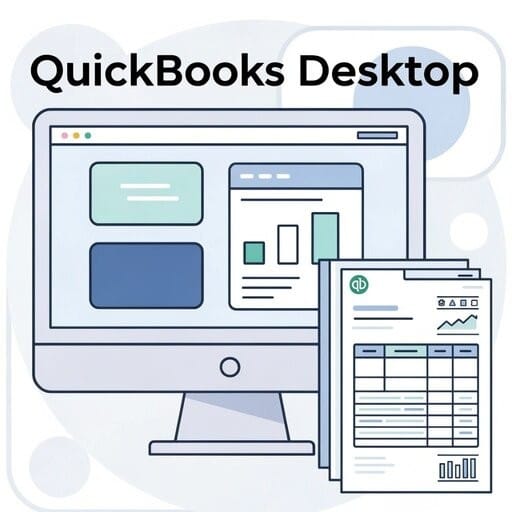
QuickBooks Desktop, developed by Intuit Inc., is one of the most widely-used accounting tools for small and medium-sized businesses globally. It is available in three editions - Pro, Premier, and Enterprise - making it suitable for businesses at different stages of growth.
If you are looking to build a strong foundation in accounting and bookkeeping, enrolling in a structured QuickBooks Desktop complete accounting and bookkeeping training on EduRev is one of the most effective ways to get started.
What You Will Learn in QuickBooks Desktop Training
- Setting up a company file and chart of accounts
- Creating and managing invoices and billing
- Expense tracking and income management
- Payroll processing and employee management
- Inventory management across product categories
- Generating financial reports - Profit & Loss, Balance Sheet, Cash Flow
- Bank account reconciliation and tax preparation support
QuickBooks Desktop also supports multi-user access, which makes it ideal for team-based accounting environments. Whether you are a bookkeeper, accountant, or small business owner, this software is a must-know tool in 2025.
How to Learn Financial Modeling in Excel: A Beginner to Advanced Guide
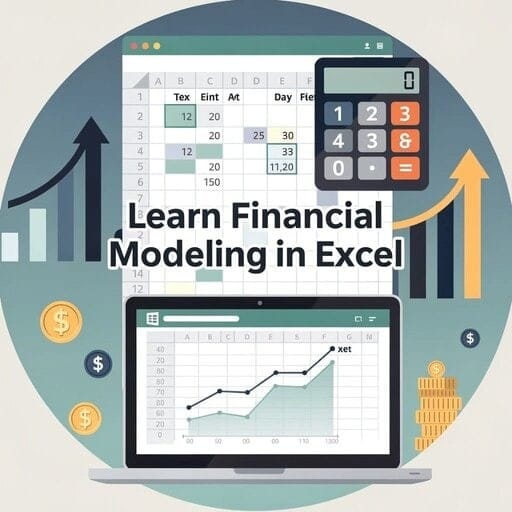
Financial modeling in Excel is the process of building a mathematical representation of a company's financial performance using spreadsheets. Excel remains the industry-standard tool for financial modeling due to its powerful formula engine, data visualization features, and flexibility for scenario analysis.
Whether you are a finance student or a working professional looking to transition into investment banking or FP&A roles, you should explore this comprehensive financial modeling in Excel course available on EduRev to build skills from beginner to advanced level.
Essential Excel Skills for Financial Modeling
- Formulas and functions: IF, VLOOKUP, INDEX-MATCH, SUMIF, COUNTIF
- Financial functions: NPV (Net Present Value), IRR (Internal Rate of Return), PMT
- PivotTables for data analysis and summarisation
- Charts and dashboards for financial visualisation
- Scenario analysis and sensitivity analysis techniques
Types of Financial Models You Will Build
- 3-Statement Model - Income Statement, Balance Sheet, and Cash Flow Statement
- DCF Model - Discounted Cash Flow valuation
- Budget and Forecasting Models
- Merger & Acquisition (M&A) Models
- Break-Even Analysis Models
Key Features to Look for in the Best Money Management Software
Not all money management software is built equally. When choosing a tool for your personal or business use, consider the following features carefully before investing time or money into learning it.
| Feature | Why It Matters |
|---|---|
| Automated reporting | Saves time on manual reconciliation and financial statements |
| Tax compliance support | Ensures accuracy during tax filing and audits |
| Multi-user access | Enables team collaboration in accounting workflows |
| Inventory management | Critical for product-based businesses |
| Data security | Protects sensitive financial records from breaches |
For business money management tools, QuickBooks Desktop checks nearly every box on this list, especially for businesses that need robust offline access and detailed reporting capabilities.
QuickBooks Desktop vs Other Accounting Software: Which Tool Is Right for You?
A common question among Indian professionals and small business owners is how QuickBooks Desktop compares with other accounting tools available in 2025. Here is a practical breakdown:
- QuickBooks Desktop vs QuickBooks Online - Desktop offers more advanced reporting and is better suited for complex inventories, while Online is cloud-based and more accessible remotely.
- QuickBooks Desktop vs Wave Accounting - Wave is suitable for very small businesses and freelancers; QuickBooks is more scalable and feature-rich for growing teams.
- QuickBooks Desktop vs FreshBooks - FreshBooks focuses on time-tracking and service billing, whereas QuickBooks handles end-to-end accounting needs.
For professionals seeking a career in accounting and bookkeeping, completing a recognised QuickBooks Desktop course adds significant value to your resume and makes you job-ready for roles in financial administration.
How Financial Modeling Skills in Excel Can Boost Your Career in Finance
In India's competitive job market, advanced Excel financial modeling skills separate a good candidate from a great one. Professionals who can build 3-statement models, DCF analyses, and budget forecasts in Excel are actively sought after in investment banking, corporate finance, private equity, and consulting firms.
Roles like Financial Analyst, Investment Analyst, FP&A Analyst, and Business Analyst all require proficiency in Excel-based financial modeling and analysis. Learning financial modeling techniques in Excel through a structured course not only strengthens your practical skills but also builds the confidence to work on real-world projects.
Top Benefits of Taking an Online Money Management Course
Online money management training programs have become incredibly popular among Indian learners who want to upskill without disrupting their work or studies. Here is why enrolling in an online course makes sense in 2025:
- Learn at your own pace from anywhere in India
- Access structured content covering both theory and hands-on practice
- Gain industry-recognised skills that are directly applicable to jobs
- Build a portfolio of real financial models and accounting reports
- Courses on EduRev are designed by subject-matter experts for practical outcomes
How to Master Bookkeeping and Accounting Using QuickBooks Desktop
Mastering bookkeeping and accounting using QuickBooks Desktop requires a systematic approach. Start with the basics - company setup, chart of accounts, and customer/vendor management - then gradually move to advanced modules like payroll, inventory, and financial reporting.
Consistent practice is key. Use sample company files to simulate real transactions and explore every reporting feature QuickBooks offers. The QuickBooks Desktop complete accounting training on EduRev provides a step-by-step curriculum that takes you from the basics all the way to professional-level bookkeeping.
Tips to Learn QuickBooks Desktop Faster
- Follow video-based tutorials in sequence rather than jumping topics
- Practise entering real-world transactions daily
- Focus on generating and interpreting financial reports
- Take quizzes and assessments to test your understanding regularly
Career Opportunities After Learning Money Management and Financial Modeling Tools
Once you have built strong skills in QuickBooks Desktop and financial modeling in Excel, a wide range of career opportunities open up across industries. Here are some of the top roles you can target in 2025:
- Bookkeeper / Accounts Assistant - Manage day-to-day financial records for businesses
- Financial Analyst - Build models and analyse financial data for decision-making
- Accounting Manager - Oversee accounting operations using tools like QuickBooks
- FP&A Analyst - Create budgets, forecasts, and financial plans using Excel
- Investment Analyst - Conduct valuation and financial analysis for firms
Whether you are a fresh graduate or an experienced professional looking to switch roles, mastering these money management tools through a dedicated learning path on EduRev - starting with the Learn Financial Modeling in Excel course - gives you a decisive edge in today's finance job market.
With employers across India and globally placing high value on QuickBooks certification training and Excel-based financial modeling expertise, there has never been a better time to invest in your financial skills and take the next step in your career.
Money Management Tools FAQs
| 1. What are the best money management tools for students? |  |
| 2. How do I create a budget using money management tools? | |
| 3. What's the difference between saving and investing for beginners? | |
| 4. How can I track my daily expenses effectively? | |
| 5. Which money management apps are safest for storing financial data? | |
| 6. How do I set realistic financial goals using money management tools? | |
| 7. What's the easiest way to stop overspending and control impulse purchases? | |
| 8. How do money management tools help with financial literacy for teenagers? | |
| 9. Can money management tools help me understand where my pocket money actually goes? | |
| 10. What basic financial principles should students learn alongside using money management tools? | |
 One subscription to unlock all Money Management Tools Courses View Pricing Plans Starting @ $1 per month | |


