Prepare for Hobbies Exam
with EduRev
Hobbies syllabus















What Are the Best Hobby Courses You Can Learn Online Today
Whether you are a working professional looking to unwind after a long day, a student wanting to build new skills, or simply someone eager to explore a new passion, online hobby courses have made learning more accessible than ever before. From sharpening your mind with chess strategies to understanding wildlife conservation through hunter education, or designing your dream garden - there is something genuinely exciting waiting for everyone.
The best hobby courses online go beyond simple tutorials. They offer structured learning paths, practical exercises, and expert guidance that help you grow from a complete beginner to a confident practitioner. On EduRev, you will find carefully designed courses tailored to give you real, lasting skills - not just surface-level knowledge.
Chess Strategies for Beginners: How to Master Tactical Chess Maneuvers
Chess is one of the oldest and most intellectually rewarding games in the world, governed internationally by FIDE (Fédération Internationale des Échecs). For beginners, diving into chess can feel overwhelming - but once you grasp the core tactical concepts, the game starts to make beautiful sense.
Here are the fundamental chess tactical maneuvers every learner must know:
- Fork: A single piece - most commonly a knight - attacks two or more opponent pieces at the same time, forcing a loss of material.
- Pin: A piece is effectively immobilized because moving it would expose a more valuable piece behind it.
- Skewer: The reverse of a pin - the more valuable piece is attacked first, forcing it to move and exposing a lesser piece behind it.
- Discovered Attack: Moving one piece reveals an attack by another piece positioned behind it.
- Zwischenzug (Intermediate Move): An unexpected in-between move inserted before the expected reply, often shifting the advantage dramatically.
Mastering these tricky chess tactics takes consistent practice. Regular puzzle-solving is one of the most highly recommended methods among coaches worldwide for rapid skill improvement. If you are serious about improving, explore this dedicated course on Chess Strategies: Learn Tricky Tactical Chess Maneuvers - it is structured specifically to help you recognise and apply these patterns in real games.
How to Learn Chess from a Complete Novice to a Competitive Player
If you are starting from zero, don't worry - every grandmaster was once a beginner. Learning chess from scratch follows a clear progression through three core phases:
| Phase | Focus Area | Key Goal |
|---|---|---|
| Opening | Piece development, centre control | Establish a strong foundation |
| Middlegame | Tactical and strategic play | Create and exploit advantages |
| Endgame | Converting advantages into a win | Precision and calculation |
Popular chess openings for beginners include the Italian Game, Ruy Lopez, Sicilian Defense, and Queen's Gambit - each teaching different positional and tactical ideas. As a novice, focus first on understanding these openings rather than memorising long move sequences.
Ready to build a solid foundation? The course Learn to Play Chess: From a Novice to a Fierce Competitor on EduRev walks you through every stage of chess development - from your very first moves to competing confidently against stronger players.
Top Chess Tactics Every Aspiring Player Must Know
Beyond the basics, becoming a better chess player means developing sharp advanced chess strategies and a feel for positional understanding. Cognitive science research consistently shows that learning structured games like chess significantly improves problem-solving skills, pattern recognition, and strategic thinking - skills that are valuable far beyond the chessboard.
Some competitive chess tips to keep in mind as you progress:
- Solve at least five to ten tactics puzzles daily to sharpen pattern recognition.
- Review your own games - both wins and losses - to identify recurring mistakes.
- Study classic games to understand how strong players think at each phase.
- Work specifically on your weak areas, whether it's endgames or opening preparation.
Hunter Education: Everything You Need to Know to Become an Expert Hunter
Hunter education is far more than just learning to use a firearm. It is a comprehensive program that shapes responsible, ethical, and safe hunters. The International Hunter Education Association (IHEA-USA) sets the educational standards and curriculum benchmarks for hunter education programs across North America.
A quality hunter education course typically covers:
- Firearm and bow safety techniques
- Wildlife identification and conservation principles
- Hunting ethics and fair chase principles
- Treestand safety practices
- First aid and survival skills in the field
Safe firearm handling is taught using three fundamental rules: treat every firearm as loaded, never point at anything you don't intend to shoot, and keep your finger off the trigger until ready to shoot. These principles form the bedrock of any responsible hunting practice.
If becoming a skilled, knowledgeable hunter is your goal, check out the Hunter Education: Becoming an Expert Hunter course on EduRev - it covers all the essential skills and knowledge you need to pursue this outdoor hobby responsibly.
Why Taking a Hunter Safety and Education Course Matters
Taking a structured hunter safety course is not just a formality - it genuinely makes you a better and safer hunter. Hunter education certification is a prerequisite for obtaining a first-time hunting licence across many regions, and for good reason.
Beyond certification, there is a broader responsibility at play. In the United States, for example, excise taxes collected on hunting equipment under the Pittman-Robertson Act directly fund wildlife restoration programs - meaning hunters actively contribute to conservation. Understanding this connection helps build a deeper appreciation for ethical hunting practices.
A well-rounded hunter education program builds confidence, situational awareness, and respect for wildlife - qualities that define an expert hunter for life.
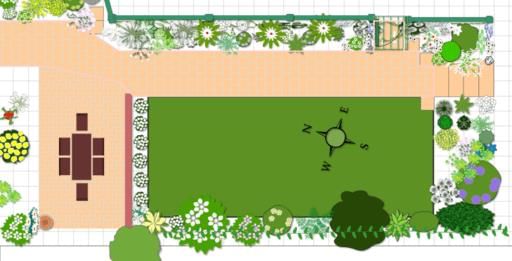
Garden Planning for Beginners: How to Design and Grow Your Ideal Garden
Gardening is one of the most therapeutic and rewarding hobbies you can pick up. Research consistently links gardening to reduced stress, improved mood, and greater mindfulness. But a truly productive garden doesn't happen by chance - it starts with smart garden planning for beginners.
Key factors to consider when creating a garden layout include:
| Planning Factor | Key Consideration |
|---|---|
| Sunlight Mapping | Most vegetables need 6-8 hours of direct sunlight daily |
| Soil pH | Most vegetables thrive in a pH range of 6.0-7.0 |
| Frost Dates | Know your local last frost date for proper timing |
| Companion Planting | Grow compatible plants together - e.g., basil near tomatoes |
| Crop Rotation | Move plant families across beds each season to preserve soil health |
Raised bed gardening has become particularly popular among home gardeners due to better drainage, superior weed control, and easier soil quality management. The square foot gardening method - developed by Mel Bartholomew - divides beds into one-square-foot sections for efficient, high-yield planting, making it ideal for beginners with limited space.
Start your gardening journey with this well-structured course: Learn the Art of Garden Planning: Garden Planner - covering everything from design principles to seasonal scheduling on EduRev.
Best Garden Planner Tips and Techniques to Elevate Your Gardening Skills
Once you understand the basics of garden design for beginners, it is time to refine your approach. Companion planting - such as growing basil alongside tomatoes - is believed to improve flavour and naturally repel pests. Crop rotation across seasons prevents soil depletion and reduces the risk of disease buildup.
Digital tools and garden planning apps allow you to visually design your garden beds, track plant spacing, and get planting schedule reminders - making the planning process more organised and enjoyable, especially for those just starting out.
How to Choose the Right Hobby Course for Your Interests and Goals
With so many hobby courses for beginners available online, choosing the right one comes down to a few honest questions: What genuinely excites you? Are you looking for a mentally stimulating challenge, an outdoor adventure, or a calming creative outlet?
- For mental sharpness: Chess is unmatched - it builds strategic thinking and focus.
- For outdoor adventure: Hunter education teaches practical, real-world skills and responsible wildlife interaction.
- For relaxation and creativity: Garden planning combines artistic design with hands-on nature connection.
The best approach is to pick a hobby aligned with your personality and commit to structured learning. EduRev offers well-designed courses across all these areas, making it easy to go from curious beginner to genuinely skilled practitioner.
Benefits of Learning Hobbies Like Chess, Hunting, and Gardening
Investing time in skill-building hobby courses delivers returns that go far beyond the hobby itself. Here is why structured hobby learning is worth every bit of your time:
- Chess sharpens problem-solving, pattern recognition, and long-term strategic thinking.
- Hunter education builds situational awareness, discipline, respect for nature, and practical safety skills.
- Gardening reduces stress, boosts physical activity, and gives a deep sense of accomplishment through nurturing living things.
Learning a new hobby through a structured online hobby learning platform like EduRev ensures you progress systematically, with clear milestones and expert guidance. Whether you want to master tactical chess maneuvers, complete your hunter education certification, or design your ideal garden with a comprehensive garden planner course - the right course makes all the difference. Start today, stay consistent, and enjoy the rewarding process of building skills that genuinely enrich your life.
Hobbies FAQs
| 1. What counts as a hobby and why do people have them? |  |
| 2. How do I find the right hobby for me if I don't know what I like? | |
| 3. Can hobbies actually help me do better in school or exams? | |
| 4. What's the difference between a hobby and just wasting time? | |
| 5. How much time should I spend on hobbies when I have exams coming up? | |
| 6. What are some easy hobbies to start if I have no experience or talent? | |
| 7. How can I turn my hobby into something more serious or competitive? | |
| 8. What hobbies are best for mental health and reducing exam stress? | |
| 9. How do I balance multiple hobbies without getting overwhelmed? | |
| 10. What hobbies look good on school applications or resumes later? | |