Prepare for Art & Craft Exam
with EduRev
Art & Craft syllabus



All Courses for Art & Craft













What is Art & Craft? A Complete Guide to Visual Arts and Creative Expression
Art & Craft is one of the most expansive and enriching creative disciplines, covering everything from drawing and painting to sculpture, textile work, printmaking, and mixed media. Whether you are a school student exploring it as an academic subject or a working professional looking to build creative skills, art and craft opens up a world of expression and self-discovery.
In India, interest in art and craft learning has grown tremendously, with thousands of learners actively seeking structured guidance online. The field broadly includes visual arts (drawing, painting, sculpture), applied crafts (pottery, ceramics, weaving), and digital art forms. For anyone wondering how to start learning art and craft, the key is building strong foundational skills before moving to advanced techniques.
Best Art & Craft Courses Online to Learn Drawing, Painting, and More
Finding the right course can make all the difference between a frustrating start and a deeply rewarding creative journey. The best art and craft courses combine structured theory with hands-on practice, and today's online platforms make it easier than ever to access world-class instruction from home.
EduRev offers a curated set of art and craft courses online that cater to different skill levels and interests. Here is a quick overview of what is available:
| Course | Focus Area | Level |
|---|---|---|
| Develop Drawing Skills: Basics to Expert | Drawing fundamentals | Beginner to Advanced |
| Sketching: Enhance your Skills | Sketching techniques | Intermediate |
| Master the Art of Watercolour Painting (English) | Watercolour painting | Beginner to Advanced |
| Master the Art of Watercolour Painting (Hindi) | Watercolour painting | Beginner to Advanced |
| Become an Artist: Colored Pencil Portrait Drawing Tutorial | Portrait drawing | All levels |
| Art Therapy: The Power of Healing | Therapeutic art | General interest |
| Learn and Master: Creative Writing | Creative writing | Beginner to Advanced |
These best online art courses are self-paced, making them ideal for students, working professionals, and homemakers who want to learn art online at their own convenience.
How to Learn Watercolour Painting: Essential Techniques for Beginners
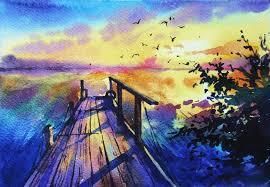
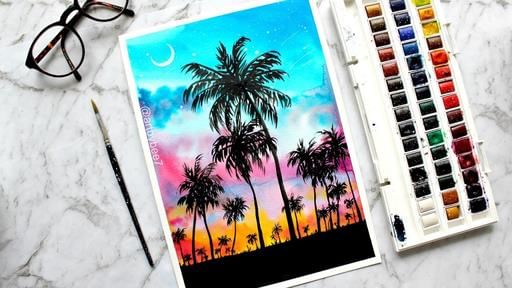
Watercolour is one of the oldest painting mediums in the world, with roots going back to ancient cave paintings and Egyptian papyrus illustrations. Despite its history, it remains one of the most beloved - and challenging - mediums for modern artists.
If you are exploring watercolour painting for beginners, here are the four core techniques you must master first:
- Wet-on-wet: Applying wet paint onto a wet surface for soft, diffused effects
- Wet-on-dry: Painting onto dry paper for crisp, defined edges
- Dry brushing: Using a nearly dry brush for texture and grain
- Glazing: Layering transparent washes to build depth and colour
The biggest challenge with watercolour is that mistakes are difficult to correct once the paint dries. This is why structured learning matters. Whether you prefer instruction in English or Hindi, EduRev has you covered - explore the Master the Art of Watercolour Painting (English) course or the Master the Art of Watercolour Painting (Hindi) course to get step-by-step guidance in your preferred language.
Sketching and Drawing Skills: Step-by-Step Guide from Basics to Expert Level
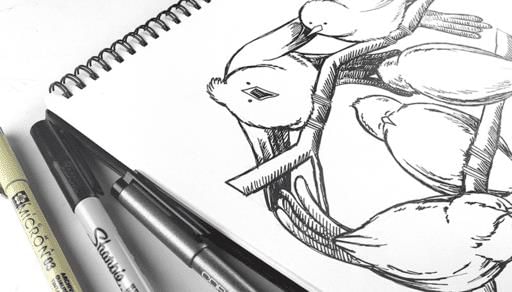
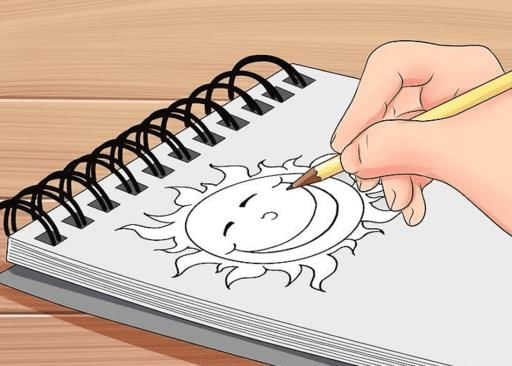
Sketching is the backbone of virtually every visual art form. Whether you want to become a painter, illustrator, animator, or graphic designer, strong drawing skills are non-negotiable. For beginners, learning the right fundamentals early saves a lot of frustration later.
Core Concepts Every Sketching Learner Must Know
- Line quality and control
- Proportion and spatial relationships
- Shading and value
- Perspective (one-point, two-point)
- Composition and framing
Many Indian learners search for how to improve drawing skills without knowing that consistent, structured practice is the real secret. If you are ready to build your skills from scratch, check out Develop Drawing Skills: Basics to Expert on EduRev, which takes you through a logical progression from simple line exercises to complex compositions. Complement this with Sketching: Enhance your Skills to sharpen your technique at the intermediate level.
What is Art Therapy and How Does It Promote Healing and Well-Being?
Art therapy is a recognized mental health profession that uses creative processes - drawing, painting, sculpture - to support emotional, psychological, and physical well-being. It is not just about making art; it is about using the creative process as a therapeutic tool.
The field is endorsed by organizations such as the American Art Therapy Association (AATA) and the British Association of Art Therapists (BAAT). Research consistently supports art therapy benefits including reduced anxiety, trauma management, and improved self-expression. Art therapists typically hold a master's-level qualification in both studio art and psychotherapy.
Who Can Benefit from Art Therapy?
- Individuals dealing with stress, anxiety, or depression
- Children with learning or developmental challenges
- Patients undergoing rehabilitation or chronic illness management
- Anyone seeking a meaningful creative outlet for emotional expression
For a deeper understanding of art therapy for mental health and the power of healing through creativity, explore the Art Therapy: The Power of Healing course available on EduRev.
Hollywood Film Industry: History, Production Process, and Film Criticism Explained
The Hollywood film industry, centered in Los Angeles, California, is the world's most commercially influential cinema ecosystem. Understanding how it works - from script to screen - is valuable for aspiring filmmakers, film studies students, and creative arts enthusiasts alike.
The Five Stages of Hollywood Film Production
- Development: Script writing, rights acquisition, and concept pitching
- Pre-production: Casting, location scouting, budgeting, and scheduling
- Production: Principal photography and on-set filming
- Post-production: Editing, visual effects, sound design, and colour grading
- Distribution: Marketing, theatrical release, and digital streaming
Film criticism evaluates movies based on narrative, cinematography, direction, performance, and cultural impact. It is both an academic discipline and a journalistic practice. Major studios shaping Hollywood include Warner Bros., Universal Pictures, Paramount Pictures, Walt Disney Studios, and Sony Pictures.
To explore Hollywood cinema history and film criticism in depth, visit the Know more about Hollywood Film Industry: History, Production, and Criticism course on EduRev.
Famous Painters and Artists: Biographies and Masterpieces That Shaped Art History
Studying the lives of great artists gives you context for understanding their work. The greatest painters of all time - Leonardo da Vinci, Michelangelo, Claude Monet, Pablo Picasso, Salvador Dalí, Rembrandt, and Frida Kahlo - each transformed the visual language of their era.
Exploring artists and their masterpieces helps learners understand the motivations, struggles, and innovations that produced iconic works. This knowledge is invaluable whether you are a fine arts student, an art enthusiast, or simply curious about cultural history. Dive into the Biographies of Painters, Artists, and Masterpieces course to explore these stories in detail.
How to Master Colored Pencil Portrait Drawing: Tutorials and Pro Tips
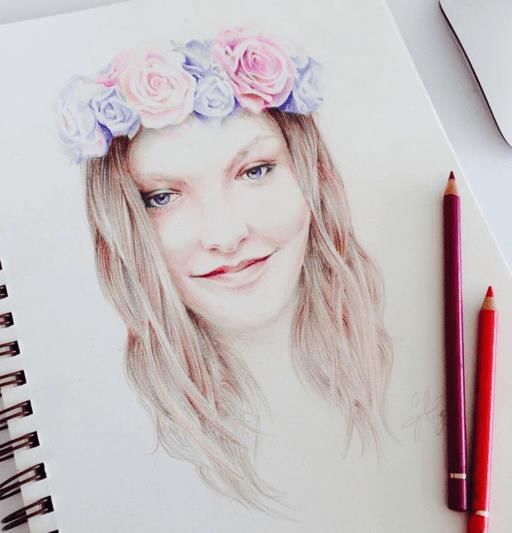
Colored pencil portrait drawing is a highly detailed and rewarding art form. Its popularity has surged among Indian learners because it requires minimal materials while offering incredible precision and photorealistic potential.
Key Colored Pencil Drawing Techniques
- Layering: Building colour gradually in thin, transparent layers
- Burnishing: Applying heavy pressure to blend and smooth colours
- Solvent blending: Using solvents to blend pigments for a painted look
- Hatching and cross-hatching: Creating tone and texture through line work
For a complete colored pencil portrait drawing tutorial - from basic face proportions to finishing skin tones - the Become an Artist: Colored Pencil Portrait Drawing Tutorial course on EduRev is an excellent starting point for beginners and intermediate artists alike.
Creative Writing Skills: How to Develop Your Voice and Storytelling Ability
Creative writing is as much a craft as painting or sketching. It involves the deliberate use of language to create fiction, poetry, screenplays, personal narratives, and more. Core creative writing techniques include character development, plot structure, dialogue, point of view, and the editing process.
For Indian learners, creative writing skills are increasingly valued - not just for literary aspirations but also in content creation, marketing, journalism, and digital media careers. The Learn and Master: Creative Writing course on EduRev provides a structured pathway to develop your storytelling voice and sharpen your written expression.
Key Art History Movements Every Art Enthusiast Should Know
Art history is the academic study of visual art and architecture across cultures and time periods. Understanding key movements helps you appreciate why art looks the way it does in different eras.
| Art Movement | Period | Key Characteristics |
|---|---|---|
| Renaissance | 14th-17th century | Realism, humanism, perspective |
| Baroque | 17th century | Drama, movement, contrast |
| Impressionism | Late 19th century | Light, colour, everyday scenes |
| Cubism | Early 20th century | Geometric forms, multiple perspectives |
| Surrealism | 1920s-1940s | Dream imagery, subconscious |
| Contemporary Art | 1970s-present | Diverse media, conceptual focus |
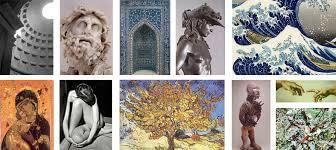
For a comprehensive art history overview, EduRev offers two dedicated resources. The Histoire de l'art course provides a rich survey of art history movements, while the L'Art en Question (nouvelles versions) - 10 œuvres course offers close analytical readings of ten significant artworks. Together, they give art history for beginners a solid and stimulating foundation to build upon.
Art & Craft FAQs
| 1. What are the main differences between drawing and painting techniques? |  |
| 2. How do I improve my sketching skills for art exams? | |
| 3. What's the easiest way to learn about colour theory and mixing? | |
| 4. How should I prepare my portfolio for art competitions or exhibitions? | |
| 5. What materials do beginners need to start learning basic art and craft? | |
| 6. How do I master perspective drawing for realistic artwork? | |
| 7. What techniques should I use for blending and shading in artwork? | |
| 8. How do I choose the right painting medium for my art style? | |
| 9. What are the key principles of composition in visual art? | |
| 10. How can I develop my own unique art style and creative voice? | |