All Exams   >   Health & Fitness Exam

Prepare for Health & Fitness
with EduRev

All you need for Health & Fitness Exam Exam preparation covering complete
Health & Fitness syllabus
4000+
Students on EduRev
4.6/5/5
500+ ratings on Google Play
137 K+K+
Docs & Videos viewed
2 Million+Million+
MCQs attempted in Tests
Everything you need for your Exam at one place
EduRev features
2500+ Notes
With relevant content to help you prepare for exams in the best way
EduRev features
600+ Tests
Practice every topic with over 15M+ questions in 75K+ tests
EduRev features
850+ Videos
With 100K+ videos & 250K+ notes clear all your concepts
EduRev features
80+ Courses
With 1000+ courses you can prepare for every exam!
EduRev features
10k+ Doubts
The best teachers and fellow students to help you out
Awards & Mentions

What Are the Best Health & Fitness Courses Available Online for Beginners and Professionals?

The global wellness economy is among the fastest-growing sectors in 2025, and India is no exception. Whether you are a working professional looking for a career change, a fresh graduate exploring holistic health, or simply someone who wants to live better, health and fitness courses online are now more accessible than ever before.

From yoga and mindfulness to burn care and autism awareness, the range of best health and fitness courses available today covers every corner of physical, mental, and spiritual well-being. EduRev offers a carefully curated selection of certification-level courses suited for both beginners and seasoned professionals.

Course CategoryIdeal ForKey Outcome
Fitness TrainingGym trainers, sports enthusiastsCertified fitness trainer credential
Mental HealthCounsellors, HR professionalsMental health awareness certification
Alternative HealingWellness practitioners, homemakersAcupressure, aromatherapy skills
Yoga & MindfulnessYoga instructors, stress management seekersHolistic wellness certification

How to Become a Certified Health & Lifestyle Coach: Skills, Scope, and Career Path

The demand for health and lifestyle coach certification is rising sharply across India, driven by growing awareness of preventive healthcare and corporate wellness programmes. A certified health coach empowers individuals to make sustainable changes in nutrition, physical activity, stress levels, and sleep patterns.

Internationally, bodies like the National Board for Health and Wellness Coaching (NBHWC) and the International Coaching Federation (ICF) recognize health coaching credentials. In India, completing a recognized wellness coach certification gives you a significant edge in private practice, gyms, corporate wellness, and digital health platforms.

Start your journey with the Health & Lifestyle Coach Certification on EduRev, which covers essential coaching frameworks and client management strategies.

Key Skills You Will Develop

  • Behaviour change communication and motivational interviewing
  • Nutrition and physical activity guidance
  • Stress management and sleep coaching
  • Goal-setting frameworks for sustainable lifestyle changes

Top Benefits of Yoga, Mindfulness, and Holistic Wellness Practices for Everyday Life

June 21 is celebrated globally as International Day of Yoga, declared by the United Nations - a recognition of how profoundly this ancient Indian practice impacts modern health. The World Health Organization (WHO) also acknowledges yoga as a health-promoting activity that supports both physical and mental well-being.

Regular yoga practice is associated with reduced stress, improved flexibility, better posture, and enhanced mental clarity. If you are looking to begin or deepen your practice, explore the Yoga: A Healthy Way of Living course on EduRev.

Mindfulness, particularly the Mindfulness-Based Stress Reduction (MBSR) model developed by Dr. Jon Kabat-Zinn, is clinically recognized for reducing anxiety, depression symptoms, and chronic stress. The Mindfulness: Find Peace and Keep Healthy course offers practical techniques you can apply daily.

Why These Practices Matter in the Indian Context

  • Urban stress and sedentary work lifestyles are at an all-time high in India
  • Yoga certification online opens doors to teaching opportunities domestically and abroad
  • Mindfulness training helps professionals manage workplace pressure more effectively
  • Holistic wellness courses combine ancient wisdom with modern evidence-based research

Complete Fitness Trainer Certification Guide: From Beginner to Advanced Level

If your goal is to become a certified fitness trainer, understanding the full scope of training is essential. Globally recognized bodies such as NASM (National Academy of Sports Medicine), ACE (American Council on Exercise), and ISSA (International Sports Sciences Association) set the benchmark for what a qualified trainer should know.

A complete fitness trainer certification covers strength conditioning, flexibility training, cardiovascular fitness, and functional movement. Whether you are just starting out or upgrading existing skills, the Complete Fitness Trainer Certification: Beginner to Advanced course on EduRev is structured to take you from foundational concepts to advanced programming.

LevelTopics Covered
BeginnerAnatomy basics, warm-up protocols, safety guidelines
IntermediateStrength training, cardiovascular programming, client assessment
AdvancedPeriodisation, sport-specific training, nutrition integration

Mental Health Courses Online: Understanding Anger Management, Autism, and Emotional Wellness

According to the WHO, approximately 1 in 8 people globally live with a mental health condition. This statistic alone underlines why mental health courses online are no longer optional - they are necessary. In India, mental health awareness is growing, and trained professionals are in high demand across schools, hospitals, NGOs, and corporations.

Anger management courses grounded in Cognitive Behavioral Therapy (CBT) principles help individuals understand triggers and develop healthier responses. Unmanaged anger is linked to cardiovascular risks, strained relationships, and reduced workplace performance. Enrol in the Anger Management: Learn to Have Control Over Your Anger course to build practical coping skills.

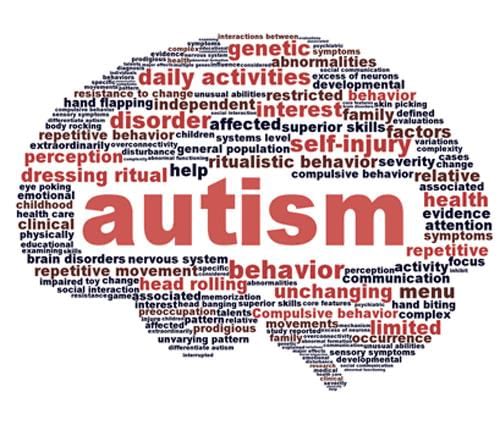
For those working with or supporting individuals on the spectrum, Autism Spectrum Disorder (ASD) is classified under DSM-5, and Applied Behavior Analysis (ABA) remains one of the most widely used evidence-based approaches. April 2 is observed as World Autism Awareness Day. The Understanding and Treating Autism course on EduRev provides a strong foundation for educators and caregivers alike.

To explore broader perspectives from leading experts, the Big Thinkers on Mental Health course presents research-backed insights into emotional wellness and psychological resilience.

How Aromatherapy and Acupressure Work: A Beginner's Guide to Alternative Healing

Alternative healing practices have found a strong foothold in India, where traditional medicine has always been valued. Aromatherapy, categorized under Complementary and Alternative Medicine (CAM), uses essential oils extracted from plants to support physical and emotional health. Lavender supports relaxation, peppermint boosts energy and focus, and eucalyptus aids respiratory function.

The Aroma Therapy: An Essential Training course covers practical applications used in spa therapy, palliative care, and stress management settings. It is ideal for wellness practitioners and anyone wanting to explore aromatherapy certification online.

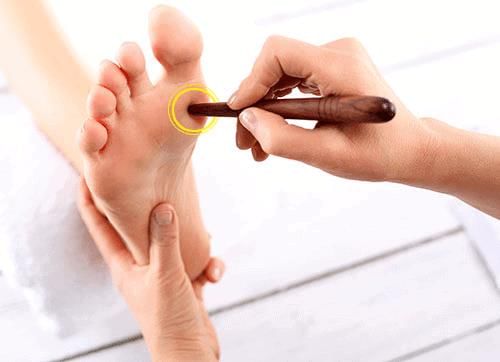
Acupressure, rooted in Traditional Chinese Medicine (TCM), involves applying pressure to specific acupoints on the body. Unlike acupuncture, it requires no needles, making it a safe self-care practice. Key acupoints like PC6 help relieve nausea, while LI4 is used for headache and pain management. Explore the Understanding Acupressure and Different Body Points course to learn practical techniques.

Why Health & Fitness Certifications Are in High Demand Across Industries

In 2025, health and fitness certification is no longer limited to gyms and clinics. Corporate wellness programmes, schools, digital health apps, and insurance companies are all actively seeking certified professionals. The online fitness trainer course format makes it convenient for working individuals to upskill without disrupting their schedules.

Industries actively hiring certified wellness professionals in India include:

  • Corporate HR and employee wellness divisions
  • Hospital and rehabilitation centres
  • Sports academies and fitness studios
  • E-learning and health-tech startups
  • Schools and special education institutions

Career Opportunities After Completing Online Health and Wellness Certifications

Completing online health and wellness certifications opens a wide spectrum of career paths. As a personal trainer certification online holder, you can work independently, join fitness chains, or build a digital coaching practice. Health coaches are increasingly hired by corporate firms to manage employee well-being programmes.

Spiritual healing practitioners also find meaningful opportunities in integrative health clinics and retreat centres. The WHO acknowledges spiritual healing as part of holistic health frameworks across cultures. Begin with the Spiritual Healing: A Fundamental Guide course to understand foundational concepts and practical applications.

Roles You Can Pursue

  1. Certified Personal Trainer (CPT)
  2. Health and Wellness Coach
  3. Yoga and Mindfulness Instructor
  4. Mental Health Awareness Trainer
  5. Alternative Therapy Practitioner (Aromatherapy, Acupressure)
  6. Special Needs Education Support Professional

Spiritual Healing, Burn Care, and Specialized Health Training: What You Need to Know

Specialized health training courses address niche but critical areas of care. Burn care, for instance, is medically significant - burns are classified as first-degree, second-degree, and third-degree based on tissue damage depth. The universally recommended first-aid step for minor to moderate burns is immediate cooling with running water for at least 20 minutes. The Introduction to Burn Care: Medical Treatment course covers wound care, infection control, and rehabilitation essentials.

Spiritual healing is increasingly integrated into mainstream wellness frameworks. Whether you are exploring it for personal growth or professional application, the Spiritual Healing: A Fundamental Guide course provides a well-structured entry point into this growing field.

All these specialized health training programmes on EduRev are designed with accessibility in mind, allowing learners across India - from metros to smaller towns - to build expertise in fields that genuinely improve lives. Whether you are looking for holistic health courses for beginners or advanced certifications to grow your career, EduRev's health and fitness library has something meaningful for everyone.

Health & Fitness FAQs

1. What are the main components of physical fitness and how do they work together?
Ans. Physical fitness comprises five key components: cardiovascular endurance, muscular strength, muscular endurance, flexibility, and body composition. Cardiovascular endurance builds heart health through aerobic activities like running. Muscular strength develops through resistance training, whilst flexibility improves range of motion via stretching. These elements work synergistically to enhance overall athletic performance and reduce disease risk significantly.
2. How can I improve my cardiovascular health through regular exercise routines?
Ans. Cardiovascular health improves through aerobic activities performed three to five times weekly for thirty minutes. Running, swimming, cycling, and brisk walking strengthen the heart muscle and increase oxygen circulation. These aerobic exercises lower blood pressure, reduce cholesterol levels, and decrease heart disease risk. Consistency matters more than intensity when building sustainable fitness habits for long-term wellness.
3. What's the difference between aerobic and anaerobic exercise for fitness goals?
Ans. Aerobic exercise uses oxygen continuously during sustained activities like jogging or dancing, building endurance. Anaerobic exercise involves short, intense bursts without oxygen-sprinting or weightlifting-developing power and strength. Aerobic training strengthens the cardiovascular system, whilst anaerobic training builds muscle mass quickly. Most effective fitness plans combine both types to achieve balanced health outcomes and performance gains.
4. How much daily physical activity do students need for optimal health?
Ans. Students require at least sixty minutes of moderate-to-vigorous physical activity daily for optimal health benefits. This includes cardiovascular exercise, strength training twice weekly, and flexibility work. Regular exercise reduces anxiety, improves concentration, enhances bone density, and maintains healthy weight. Physical activity also improves sleep quality and mental wellbeing, making it essential for academic performance and long-term wellness.
5. What are the best ways to prevent sports injuries while training?
Ans. Injury prevention requires proper warm-up routines, correct exercise technique, and adequate recovery time between workouts. Stretching exercises improve flexibility and reduce muscle strain significantly. Strengthening stabiliser muscles prevents joint injuries. Using appropriate equipment, progressively increasing workout intensity, and listening to body signals are crucial strategies. Rest days allow tissue repair, preventing overuse injuries common in athletes pushing too hard.
6. How does nutrition impact athletic performance and muscle development?
Ans. Nutrition directly fuels athletic performance and muscle growth through balanced macronutrients. Protein rebuilds muscle tissue after training; carbohydrates provide energy; healthy fats support hormone production. Adequate hydration improves endurance and recovery. Micronutrients like iron and calcium strengthen bones and oxygen transport. Pre-workout meals fuel training sessions, whilst post-workout nutrition aids muscle repair. Proper diet maximises fitness gains from exercise routines.
7. What are common health myths about fitness that students should avoid believing?
Ans. Popular fitness myths mislead students into ineffective practices. No-pain-no-gain thinking causes injuries; muscles actually grow during rest periods. Spot reduction doesn't work-targeted exercises can't burn fat from specific body areas. Cardio alone doesn't build strength; resistance training is essential. Skipping meals doesn't aid weight loss; it slows metabolism. Stretching before warm-up increases injury risk. Understanding exercise science prevents wasted effort and dangerous practices.
8. How can I measure my fitness progress accurately and set realistic health goals?
Ans. Measure fitness progress through tangible metrics: resting heart rate, running times, strength gains in weights lifted, and flexibility improvements. Body composition analysis matters more than scale weight alone. Track workouts using fitness journals or apps documenting exercises completed. Set SMART goals-specific, measurable, achievable, realistic, time-bound-rather than vague aspirations. Regular assessments every four to six weeks reveal actual progress and motivate continued effort.
9. What role does mental health play in maintaining long-term fitness motivation?
Ans. Mental health directly influences fitness consistency and exercise motivation. Positive mindset builds discipline for regular training, whilst anxiety or depression reduces activity levels. Exercise releases endorphins, improving mood and reducing stress naturally. Setting achievable milestones celebrates progress, boosting confidence. Social support from friends or fitness communities sustains motivation. Managing expectations and self-compassion during setbacks prevents discouragement, ensuring lifelong commitment to health-focused lifestyle choices.
10. How do different types of stretching benefit flexibility and workout recovery?
Ans. Static stretching, held twenty to thirty seconds, improves flexibility best during cool-down phases. Dynamic stretching through controlled movements prepares muscles for activity. PNF stretching-proprioceptive neuromuscular facilitation-combines contraction and relaxation for maximum flexibility gains. Stretching increases blood flow to muscles, reduces soreness, and enhances recovery post-workout. Regular stretching prevents muscle tightness, improves range of motion, and decreases injury risk significantly during athletic training.
ad-image
One subscription to unlock
all Health & Fitness Courses
Starting @ $1 /month View Pricing Plans
All you need for your Health & Fitness exam, get it in your pocket now
Trusted by 4000+ students
CONNECT WITH US ON
EduRev stands for Education Revolution.
Made with Love ❤️
Copyright © 2026 EduRev Inc