Prepare for Agricultural Engineering
with EduRev
Agricultural Engineering syllabus



All Courses for Agricultural Engineering




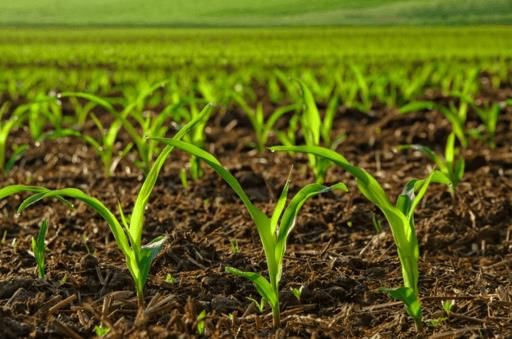




















What is Agricultural Engineering? Scope, Subjects, and Career Opportunities
Agricultural Engineering is a 4-year B.Tech program that combines principles of mechanical, civil, and environmental engineering with agricultural sciences. The goal is to address real-world challenges in farming, food processing, rural infrastructure, and natural resource management. Offered by IITs, state agricultural universities (SAUs), and other premier institutes across India, this discipline is gaining significant importance in 2025 as the country pushes towards precision agriculture, micro-irrigation, and sustainable food systems.
The scope of Agricultural Engineering is broad. Graduates are eligible for positions in organisations such as NABARD, State Irrigation Departments, food processing industries, and as Agricultural Officers in state government services. With growing demand for trained professionals in post-harvest technology and water resource management, career prospects have never been stronger.
Core Subjects in Agricultural Engineering
- Soil Mechanics and Strength of Materials
- Irrigation and Drainage Engineering
- Farm Machinery and Power
- Surveying and Levelling
- Crop Process Engineering
- Watershed Planning and Management
- Biomass Management for Fodder and Energy
- Crop Production
Best Notes for Agricultural Engineering - Free PDF Download
Whether you are a B.Tech student or preparing for a competitive examination like GATE AG or ICAR JRF, having well-structured Agricultural Engineering study material is the foundation of effective preparation. EduRev offers subject-wise Agricultural Engineering notes that are concise, exam-focused, and regularly updated for 2025 syllabi.
Below is a quick overview of all available subject-wise resources on EduRev:
| Subject | Access Link |
|---|---|
| Strength of Material | Strength of Material Notes - Agricultural Engg |
| Soil Mechanics | Soil Mechanics Notes - Agricultural Engineering |
| Surveying and Levelling | Surveying and Levelling Notes - Agricultural Engg |
| Crop Process Engineering | Crop Process Engineering Notes - Agricultural Engg |
| Biomass Management | Biomass Management for Fodder and Energy |
| Mechanics of Tillage and Traction | Mechanics of Tillage and Traction Notes |
| Irrigation Engineering | Irrigation Engineering Notes - Agricultural Engineering |
| Watershed Planning and Management | Watershed Planning and Management Notes |
| Crop Production | Crop Production Notes - Agricultural Engineering |
Irrigation Engineering Notes for Agricultural Engineering - Key Concepts and Topics
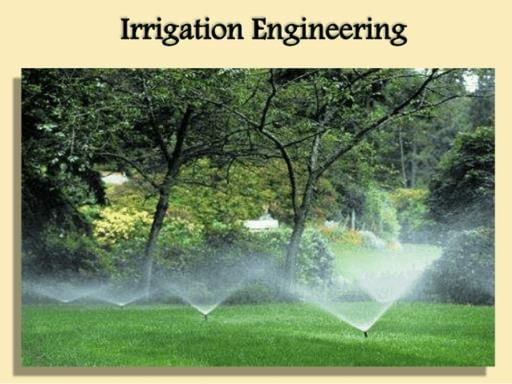
Irrigation Engineering is one of the highest-weightage subjects in both GATE AG and ICAR JRF examinations. Given India's dependence on managed irrigation for agricultural productivity, this subject is both theoretically rich and practically relevant. Key topics include canal design, water conveyance systems, consumptive use estimation, and the design of drip and sprinkler irrigation systems.
Students appearing for competitive exams must pay special attention to water requirement of crops and command area concepts. Access the best Irrigation Engineering notes PDF on EduRev to cover all important topics systematically.
Soil Mechanics and Strength of Materials in Agricultural Engineering Explained
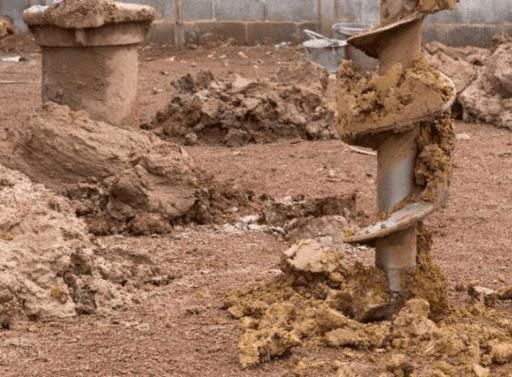
Soil Mechanics deals with the physical, chemical, and mechanical behaviour of soils as applied to farm structures, earthen dams, drainage design, and land levelling. Understanding soil properties is critical not only for farm structure design but also for soil and water conservation engineering projects.
Strength of Materials, on the other hand, covers stress, strain, shear force, bending moment diagrams, and elastic constants - all essential for designing components of farm machinery and agricultural structures. Both subjects form the analytical backbone of the GATE AG technical sections.
- Explore Soil Mechanics notes for Agricultural Engineering to master soil classification, consolidation, and shear strength concepts.
- Refer to the Strength of Material notes for thorough coverage of structural analysis topics.
Surveying and Levelling Notes - Complete Study Guide for Agricultural Engineering
Surveying and Levelling is fundamental for land development projects, contour mapping, canal alignment, and watershed delineation. For Agricultural Engineering students, this subject bridges theoretical knowledge and fieldwork - making it a recurring topic in both university examinations and competitive exams.
Important areas include plane table surveying, levelling instruments, contouring, and area-volume calculations. The Surveying and Levelling PDF for Agricultural Engineering on EduRev covers all these areas with clear diagrams and solved examples to help you prepare effectively.
Crop Production and Crop Process Engineering: Important Topics for Competitive Exams
Crop Production covers agronomic principles including soil-plant-water relationships, crop scheduling, crop husbandry, and yield optimisation. For competitive exam preparation, focus on the quantitative aspects such as water use efficiency and crop coefficients, which are frequently asked.
Crop Process Engineering addresses post-harvest operations - threshing, drying, milling, grading, and storage - that directly influence minimising post-harvest losses, a national priority. Students targeting GATE Agricultural Engineering or ICAR JRF must give adequate time to both subjects.
- Download Crop Production notes for Agricultural Engineering for a structured approach to agronomic concepts.
- Refer to Crop Process Engineering study material PDF for post-harvest technology topics.
Mechanics of Tillage and Traction - Core Concepts Every Agricultural Engineering Student Must Know
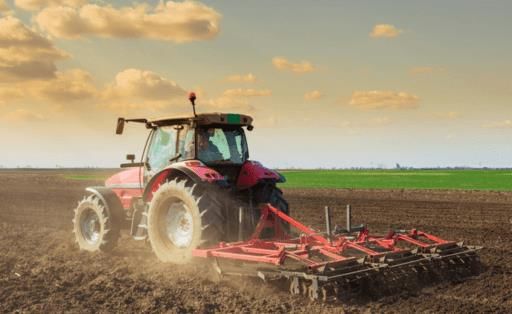
Mechanics of Tillage and Traction is a subject unique to Agricultural Engineering and carries significant weight in GATE AG. It studies soil-tool interaction, draft requirements of tillage implements, traction efficiency, and tractor performance parameters. Understanding these concepts is directly applicable to farm machinery design and implement selection in real agricultural scenarios.
Key topics to focus on include soil failure patterns, specific draft, wheel slip, and drawbar power. The Mechanics of Tillage and Traction notes for Agricultural Engineering on EduRev are organised topic-wise for targeted revision.
Watershed Planning and Management Notes - Study Material for Agricultural Engineering
Watershed Planning and Management has grown in importance with India's national focus on integrated land and water resource conservation. This subject covers runoff estimation, check dam design, gully control, and soil conservation measures within a watershed framework. It is a high-priority area for both GATE AG and state-level agricultural engineering competitive exams.
Students should be comfortable with hydrological methods such as the Rational Method and SCS Curve Number approach. Use the Watershed Planning and Management notes for Agricultural Engineering to build a strong conceptual foundation before moving to numerical practice.
Biomass Management for Fodder and Energy - Overview and Study Guide
Biomass Management is an emerging and increasingly examined topic in Agricultural Engineering, especially as India advances its bioenergy and clean energy missions. This subject covers utilisation of agricultural biomass for livestock feeding (fodder management) as well as renewable energy generation through biogas and biofuel technologies.
Given the government's push toward sustainable energy in the agricultural sector, this topic is likely to see greater representation in future GATE AG papers. Access the Biomass Management for Fodder and Energy study material on EduRev to stay ahead on this evolving topic.
How to Prepare for Agricultural Engineering Competitive Exams Effectively
Cracking exams like GATE AG or ICAR JRF requires more than just reading textbooks - it demands a disciplined, subject-wise approach. Here is a practical preparation strategy used by students who have successfully cleared these exams:
| Phase | Focus Area | Recommended Action |
|---|---|---|
| Phase 1 (Foundation) | Core subjects: Soil Mechanics, Irrigation, SOM | Study subject-wise notes; build concept clarity |
| Phase 2 (Application) | Tillage, Crop Process Engg, Watershed Management | Solve numerical problems; practise derivations |
| Phase 3 (Revision) | All subjects | Revise short notes; attempt topic-wise tests |
Key Preparation Tips
- Start with high-weightage subjects like Irrigation Engineering and Soil Mechanics to secure early confidence.
- Use EduRev's subject-wise Agricultural Engineering notes PDF resources for structured, exam-oriented revision.
- Do not neglect Biomass Management and Crop Production - these are scoring areas that many students underestimate.
- Revise farm power and machinery notes and tractor mechanics topics as they overlap with multiple GATE AG sections.
- Consistency in daily study and regular self-assessment is the most reliable path to clearing Agricultural Engineering competitive exams.
With the right Agricultural Engineering study material and a focused strategy, clearing GATE AG or ICAR JRF is entirely achievable. EduRev's comprehensive subject-wise notes - covering everything from Surveying and Levelling to Irrigation Engineering - are designed to give you the edge you need in 2025.
Agricultural Engineering FAQs
| 1. What is agricultural engineering and what do engineers in this field actually do? |  |
| 2. How do I prepare for agricultural engineering entrance exams like GATE or JEE? | |
| 3. What are the main job roles available after studying agricultural engineering? | |
| 4. What's the difference between agricultural engineering and agricultural science? | |
| 5. How important is farm machinery design in agricultural engineering curriculum? | |
| 6. What topics in soil and water conservation are most commonly asked in exams? | |
| 7. Can I specialise in irrigation engineering within agricultural engineering? | |
| 8. What practical skills do agricultural engineers need beyond textbook knowledge? | |
| 9. How do agricultural engineering principles help reduce farming costs and increase productivity? | |
| 10. What are the emerging trends and future scope in agricultural engineering careers? | |

all Agricultural Engineering Courses


