Prepare for Arabic Exam
with EduRev
Arabic syllabus










| Why students choose EduRev for their Arabic Exam | 4.6  (150K+ ratings) (150K+ ratings) |
 (150K+ ratings)



What is Arabic Language and Why Should You Learn It?
Arabic is one of the oldest and most widely spoken languages in the world, with approximately 400-422 million native speakers across the globe. It belongs to the Semitic branch of the Afro-Asiatic language family and originated from the Arabian Peninsula. Arabic holds the distinction of being one of the six official languages of the United Nations, alongside English, French, Spanish, Russian, and Chinese.
For Tamil speakers in India, learning Arabic opens a world of professional and personal opportunities - especially given the significant Tamil-speaking workforce present in Gulf Cooperation Council (GCC) countries like Saudi Arabia, UAE, Qatar, Kuwait, Bahrain, and Oman. Arabic is also the liturgical language of Islam, making it deeply significant for over 1.8 billion Muslims worldwide.
Key Facts About Arabic at a Glance
| Feature | Detail |
|---|---|
| Language Family | Afro-Asiatic (Semitic branch) |
| Native Speakers | 400-422 million |
| Official Language In | Approximately 26 countries |
| Script Direction | Right to left |
| UN Official Language | Yes (one of six) |
| Alphabet Size | 28 letters (all consonants) |
Arabic Language Basic Course in Tamil - Complete Overview
If you are a Tamil speaker looking to learn Arabic from scratch, a structured basic Arabic course in Tamil language is the most effective starting point. Such a course is specifically designed for absolute beginners with zero prior knowledge of Arabic - making it ideal for students, job seekers, and working professionals in Tamil Nadu and across South India.
The Learn Arabic Language (Basic Course in Tamil Language) available on EduRev is a well-structured Arabic Tamil language course online that covers all the foundational concepts you need to get started confidently. Whether your goal is to communicate in Gulf countries or pursue a language career, this course provides a solid base.
What Does a Basic Arabic Course Cover?
- Arabic alphabet recognition and writing practice
- Pronunciation and phonetics of Arabic sounds
- Basic Arabic vocabulary and everyday expressions
- Simple sentence construction and Arabic grammar basics
- Greetings, numbers, days of the week, and common phrases
- Conversational Arabic for real-life situations
How to Learn Arabic for Beginners Through Tamil Medium
Learning Arabic for beginners can feel overwhelming due to its unfamiliar script and unique phonetics. However, studying through Tamil medium makes the process significantly more approachable. When Arabic concepts are explained using Tamil linguistic references, Tamil-speaking learners can grasp the material faster and retain it better.
The best way to learn Arabic for Tamil speakers is to follow a step-by-step approach - starting with the Arabic script, then moving to vocabulary, and finally building simple sentences. Consistency is key. Even 30 minutes of daily practice can lead to noticeable progress within a few weeks.
Recommended Learning Path for Tamil Speakers
- Master the Arabic alphabet before anything else
- Practice pronunciation using audio guides
- Build a daily vocabulary habit - learn 5-10 new words each day
- Start forming basic sentences using grammar rules
- Practice common conversational phrases regularly
- Revise consistently using structured Arabic language notes
Basic Arabic Alphabet, Script, and Pronunciation Guide
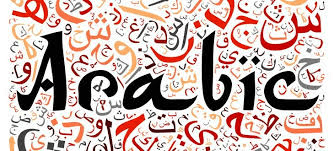
The Arabic script for beginners is often the first big challenge. Arabic is written from right to left, and its alphabet consists of 28 letters - all of which are consonants. Vowels are indicated through small diacritical marks placed above or below the letters, which are commonly used in beginners' texts to guide pronunciation.
Unlike English, Arabic letters change their shape depending on their position in a word - whether they appear at the beginning, middle, or end. This may sound complex, but with regular Arabic alphabet writing practice, Tamil learners can pick it up systematically.
Forms of Arabic You Should Know
- Modern Standard Arabic (MSA / Fusha): Used in formal writing, media, and education across Arab countries
- Colloquial/Dialectal Arabic: Varies by region and is used in everyday conversation
For beginners, starting with Modern Standard Arabic is recommended as it provides a universally understood foundation across all Arabic-speaking countries.
Essential Arabic Vocabulary and Common Phrases Every Beginner Must Know
Building a strong base of Arabic vocabulary for beginners is one of the most rewarding parts of learning the language. Knowing even a few hundred common Arabic words and phrases can help you navigate daily conversations in Gulf countries confidently.
Must-Know Arabic Phrases for Tamil Speakers
| Arabic Phrase | Meaning in Tamil / English |
|---|---|
| Marhaba (مرحبا) | Hello / வணக்கம் |
| Shukran (شكراً) | Thank you / நன்றி |
| Na'am (نعم) | Yes / ஆம் |
| Laa (لا) | No / இல்லை |
| Kayfa halak? (كيف حالك؟) | How are you? / நீங்கள் எப்படி இருக்கிறீர்கள்? |
Regularly revising basic Arabic words and phrases through a structured resource helps accelerate fluency. Focus on high-frequency words used in daily situations like shopping, travel, and workplace interactions.
Arabic Grammar Basics - Key Concepts for Tamil-Speaking Learners
Arabic grammar basics may seem different from Tamil or English grammar, but understanding a few core rules can make a big difference. Arabic sentence structure for beginners typically follows a Verb-Subject-Object (VSO) order, though Subject-Verb-Object is also commonly used in Modern Standard Arabic.
Key Grammar Concepts to Learn Early
- Gender: Arabic has masculine and feminine forms for nouns and verbs
- Definite Article: "Al" (ال) is the Arabic equivalent of "the" and is used universally
- Dual Form: Arabic has a special dual form for referring to exactly two things
- Root System: Most Arabic words derive from three-letter roots - understanding these roots helps in vocabulary building
Tamil speakers often find Arabic grammar more structured than expected, especially once the root-word system becomes familiar. Using Arabic grammar basics Tamil medium resources speeds up this understanding considerably.
Career Opportunities After Learning Arabic Language
The scope of Arabic language in India is growing steadily, particularly for Tamil Nadu residents with aspirations of working in the Gulf. Arabic language jobs in Gulf countries remain highly sought after, and candidates with certified language skills often command better salaries and positions.
Top Career Paths for Arabic Language Learners
- Translation and Interpretation: High demand in legal, medical, and business sectors
- Gulf Employment: Construction, healthcare, hospitality, and IT sectors in GCC countries
- Diplomatic Services: Arabic proficiency is valued in India's foreign services
- Tourism and Travel: Tour guides and travel consultants working with Arabic-speaking visitors
- International Trade: Business development roles involving Middle Eastern markets
- Teaching Arabic: Growing demand for Arabic language instructors across India
- Islamic Studies and Research: Academic roles requiring knowledge of Arabic texts
Benefits of Learning Arabic for Tamil Speakers
The Arabic language course benefits for Tamil students go well beyond just employment. Here is why more and more Tamil-speaking learners are choosing to pursue an Arabic language learning course in Tamil Nadu:
- Direct communication with Arabic-speaking clients, employers, and colleagues in the Gulf
- Better negotiation and networking in international trade
- Deeper understanding of Islamic texts and literature for religious purposes
- Enhanced eligibility for civil services roles involving foreign affairs
- A valuable skill addition that differentiates candidates in competitive job markets
- Improved cultural understanding when living or working in Arab countries
Best Tips and Strategies to Learn Arabic Quickly and Effectively
Wondering how to learn Arabic quickly at home in Tamil? The key lies in consistency, the right resources, and a structured approach. Here are proven tips specifically for Tamil-speaking beginners:
- Start with the script: Don't skip the alphabet - it is the foundation of everything
- Use Tamil explanations: Choose a Tamil medium course so concepts are immediately clear
- Practice speaking daily: Even talking to yourself in Arabic improves fluency over time
- Use flashcards: Build Arabic basic words list using digital or physical flashcards
- Revise systematically: Go over previous lessons before moving to new ones
- Set small goals: Aim for milestones like completing the alphabet in the first week
Learning Arabic Tamil medium through a structured course ensures you stay on track and don't feel lost at any stage of the journey.
Best Study Materials and Resources to Learn Arabic in Tamil
Choosing the right study materials can make or break your Arabic learning journey. For Tamil speakers, EduRev offers a comprehensive Basic Arabic Course in Tamil Language that is structured specifically for beginners and covers everything from Arabic script to conversational phrases.
EduRev's Arabic language study material is curated by experts and presented in Tamil medium, ensuring that learners from Tamil Nadu and other Tamil-speaking communities can follow along without confusion. You can access Arabic language notes, practice exercises, and more through the platform at your own pace.
What to Look for in a Good Arabic Learning Resource
- Tamil medium explanations for all concepts
- Audio or phonetic guides for correct pronunciation
- Structured progression from alphabet to grammar to conversation
- Practice exercises and vocabulary lists
- Availability in downloadable formats like Arabic language notes PDF download
If you are serious about how to speak Arabic fluently for beginners in Tamil, start by enrolling in the Learn Arabic Language Basic Course in Tamil on EduRev today and take the first confident step towards mastering this globally valuable language.
Arabic FAQs
| 1. How do I start learning Arabic from scratch as a beginner? |  |
| 2. What's the best way to memorise Arabic vocabulary words quickly? | |
| 3. How can I improve my Arabic speaking skills without a native speaker? | |
| 4. What are the basic grammar rules I need to know for Arabic? | |
| 5. How should I prepare for Arabic exams if I'm studying for CBSE or ICSE? | |
| 6. What's the difference between Modern Standard Arabic and colloquial dialects? | |
| 7. How can I practise Arabic writing and improve my handwriting? | |
| 8. What are common mistakes beginners make when learning Arabic? | |
| 9. How do I understand Arabic sentence structure and word order? | |
| 10. What resources should I use to learn Arabic effectively at home? | |
 One subscription to unlock all Arabic Courses View Pricing Plans Starting @ $1 per month | |


