CBSE Class 1  >  Class 1   >  Flashcards for Young Bright Minds  >  Flashcards: Human Body Parts - 1
Human Body Parts - 1
12 Flashcards
Start
Start

Flashcards: Human Body Parts - 1

12 Flashcards

FAQs on Flashcards: Human Body Parts - 1

1. What are the main body parts that Class 1 students need to learn?
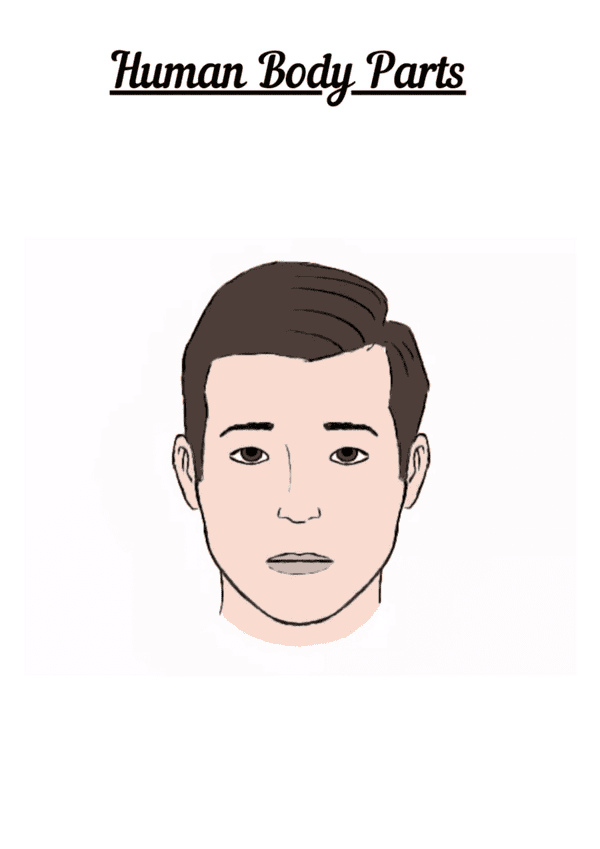
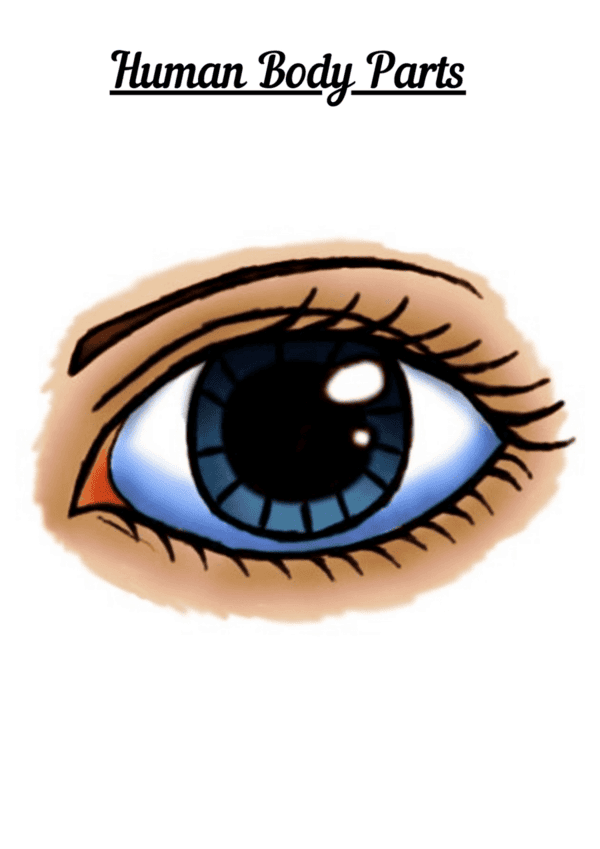
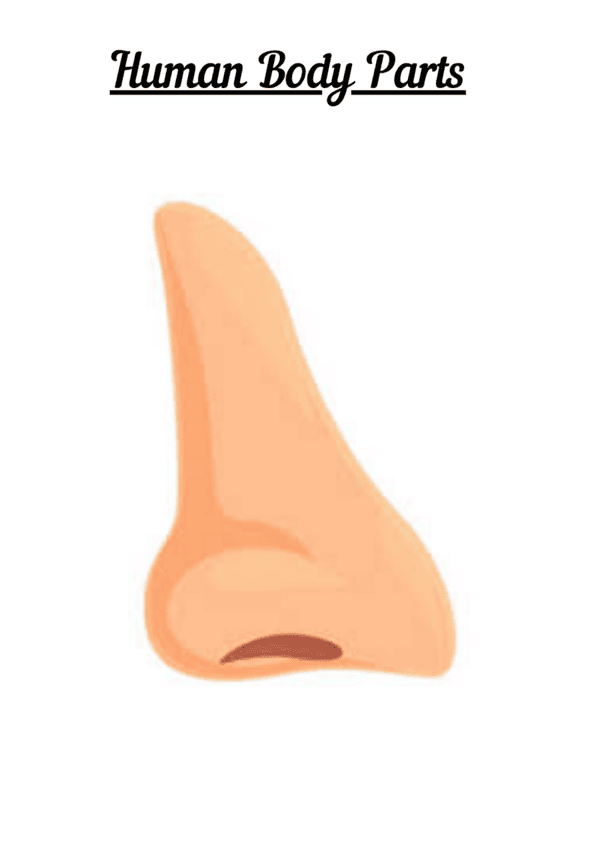
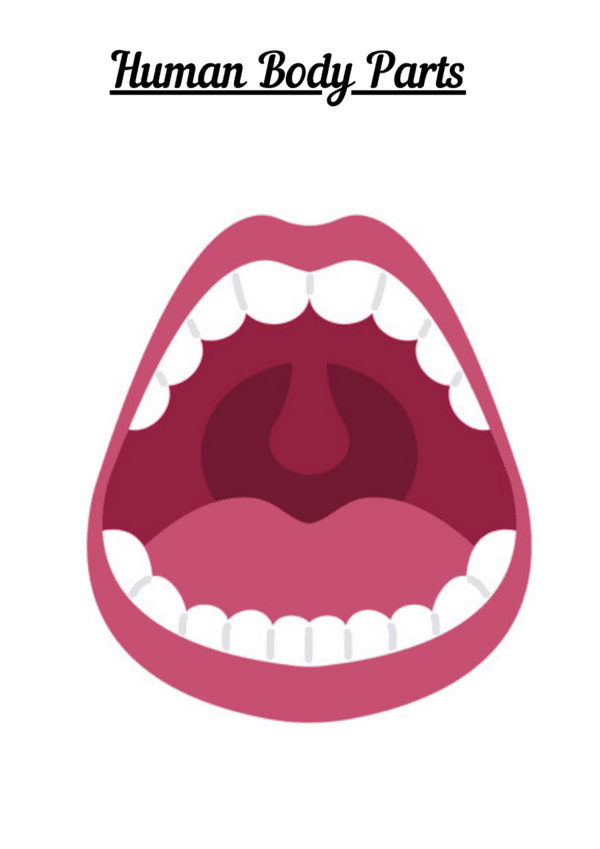
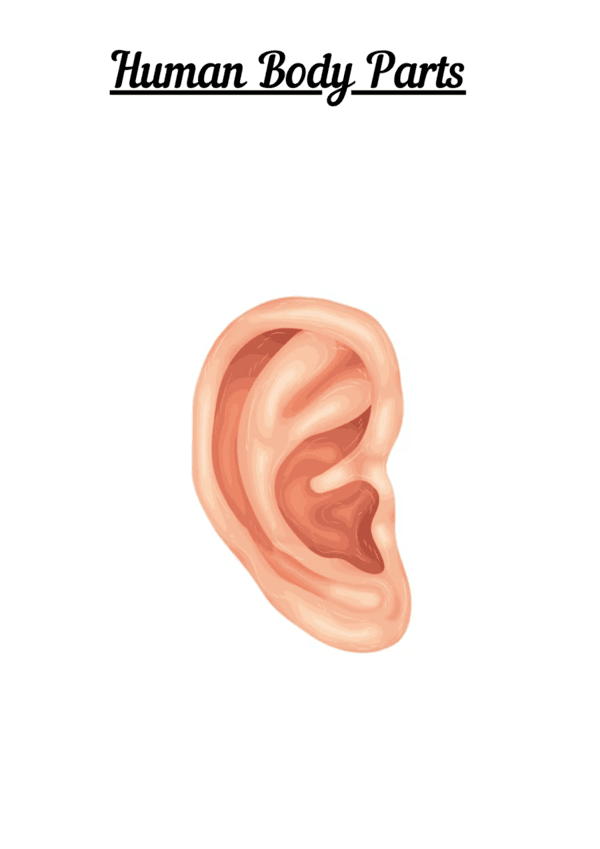
Ans. Class 1 students learn essential external body parts including head, arms, legs, hands, feet, eyes, nose, ears, and mouth. These foundational anatomy components help young learners identify and name visible body structures. Flashcards with illustrations make recognition easier, allowing children to connect images with correct terminology during early learning stages.
2. How can I help my child memorise human body parts quickly?
Ans. Visual flashcards work best for young learners as they combine images with labels, enabling faster recall through picture association. Interactive methods like pointing to body parts while saying their names, singing body part songs, and using colour-coded flashcards strengthen memory retention. Regular practice with these tools reinforces learning without overwhelming Class 1 students.
3. Why is learning body parts important for Class 1 children?
Ans. Understanding basic body anatomy builds vocabulary, supports health awareness, and improves self-awareness in young children. Learning to identify and name body parts helps Class 1 students communicate about themselves, understand simple health instructions, and form the foundation for future science concepts. Early exposure to anatomical terminology develops language skills naturally.
4. What's the best way to teach the difference between left and right body parts?
Ans. Directional learning happens through repetition and movement activities. Teachers use activities where students point to their own left and right arms, legs, and hands simultaneously. Flashcards labelling "left hand" and "right hand" with directional arrows help Class 1 learners grasp laterality concepts. Consistent practice during daily lessons solidifies this spatial awareness.
5. How do flashcards help young learners master body part identification for Class 1?
Ans. Flashcards present body parts through clear visuals paired with simple labels, reducing cognitive load for young children. This Q&A format strengthens memory through repetition and visual recognition. Interactive flashcard sessions encourage active participation, making learning engaging rather than passive, which is especially effective for Class 1 students developing foundational anatomical knowledge.
Explore Courses for Class 1 exam
Related Searches
Important questions, Flashcards: Human Body Parts - 1, past year papers, pdf , Free, ppt, Exam, Flashcards: Human Body Parts - 1, study material, mock tests for examination, video lectures, Semester Notes, Previous Year Questions with Solutions, Viva Questions, Summary, Objective type Questions, practice quizzes, shortcuts and tricks, Extra Questions, Flashcards: Human Body Parts - 1, Sample Paper, MCQs;