CBSE Class 1  >  Class 1   >  Mathematics  >  Flashcards: Numbers 10 to 20
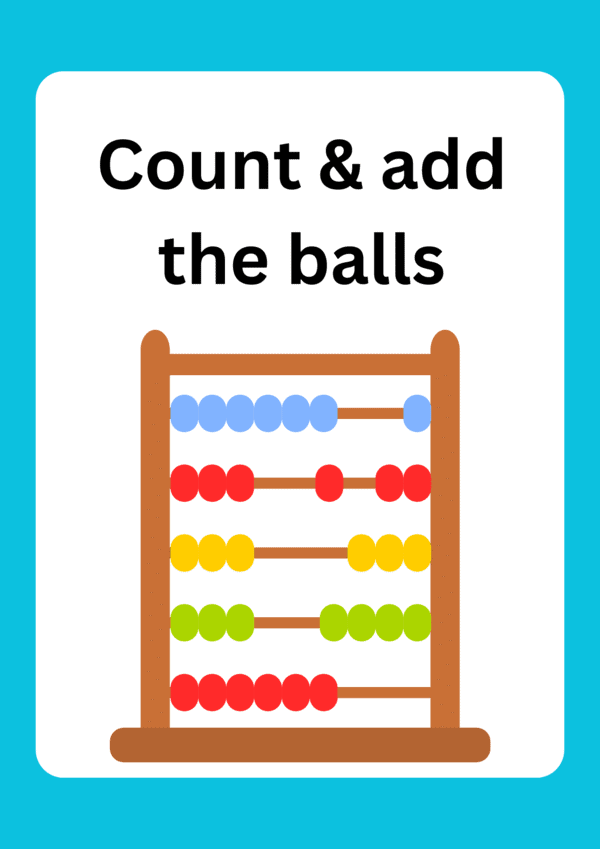
Numbers 10 to 20
21 Flashcards
Start
Start

Flashcards: Numbers 10 to 20

21 Flashcards

FAQs on Flashcards: Numbers 10 to 20

1. How do I write numbers 10 to 20 correctly in CBSE Class 1?
Ans. Numbers 10 to 20 are written with two digits: 10, 11, 12, 13, 14, 15, 16, 17, 18, 19, and 20. The first digit represents tens (1 ten = 10) and the second represents ones. For example, 15 means 1 ten and 5 ones. Practice writing each numeral repeatedly to develop number formation skills at this foundational level.
2. What's the difference between counting numbers and understanding the place value of digits 10 to 20?
Ans. Counting 10 to 20 means saying the sequence aloud, while understanding place value means grasping that 10 contains 1 ten and 0 ones, or that 17 has 1 ten and 7 ones. Place value teaches children why 10 comes after 9 and introduces the tens position. Recognising this distinction helps students progress from rote memorisation to meaningful mathematical thinking.
3. How can I help my child recognise and identify numbers 10 to 20 using flashcards?
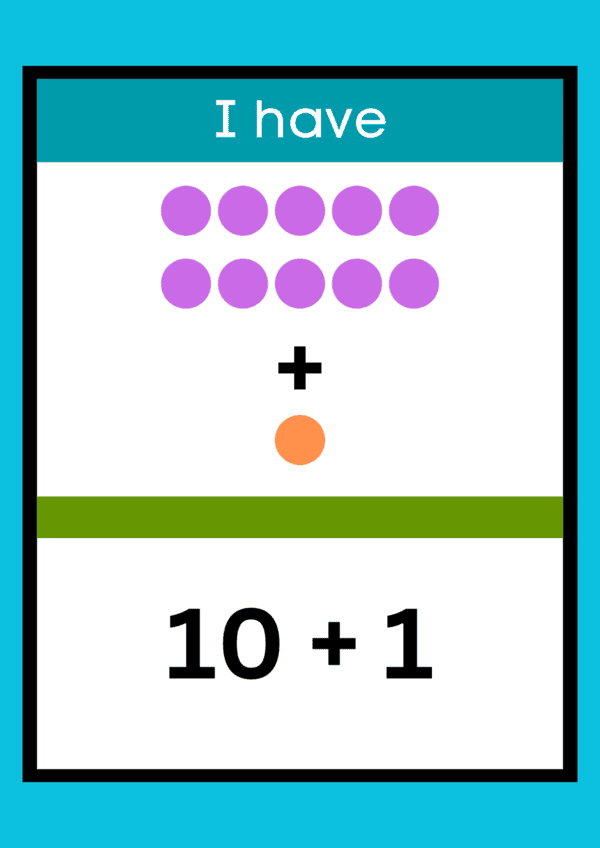
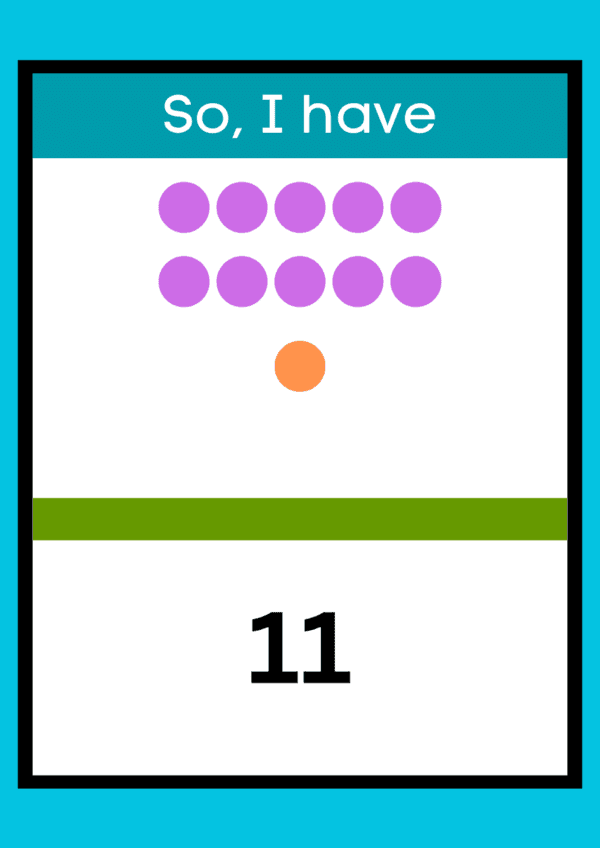
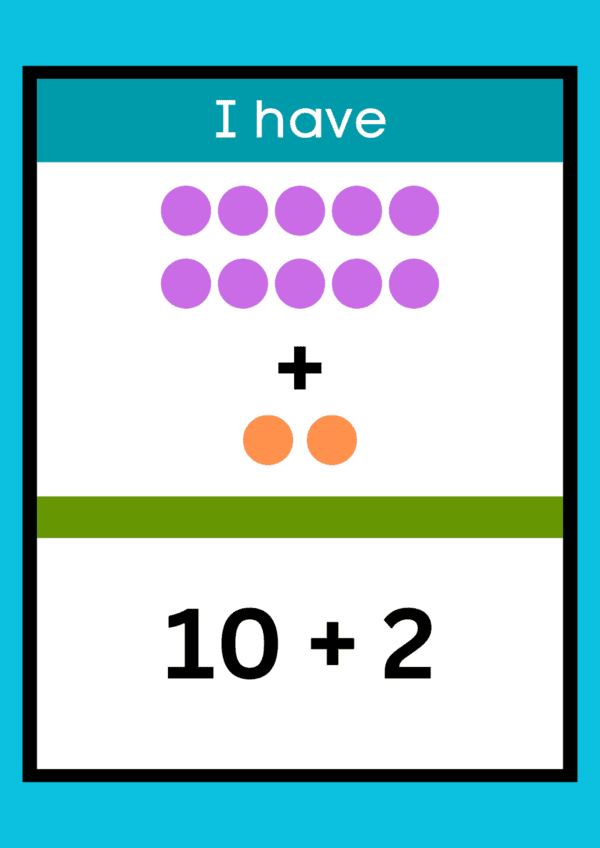
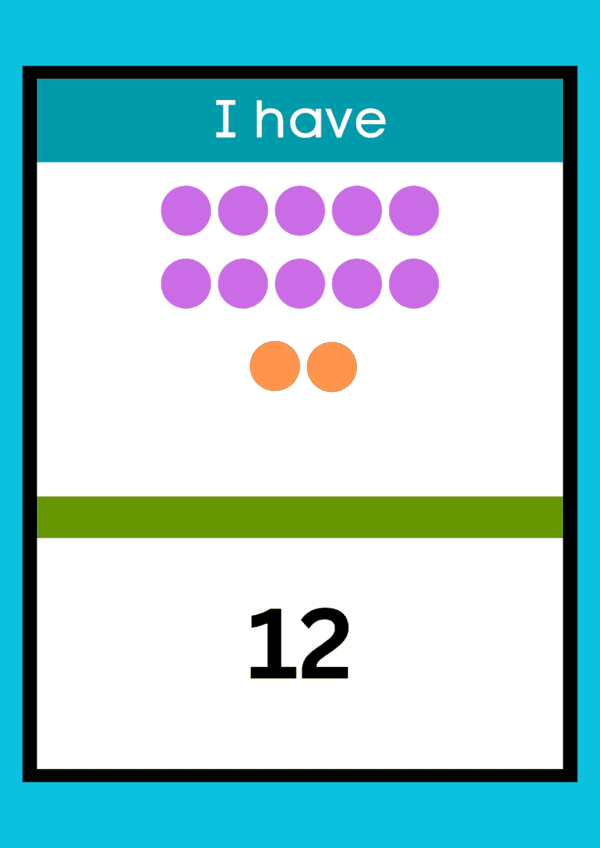
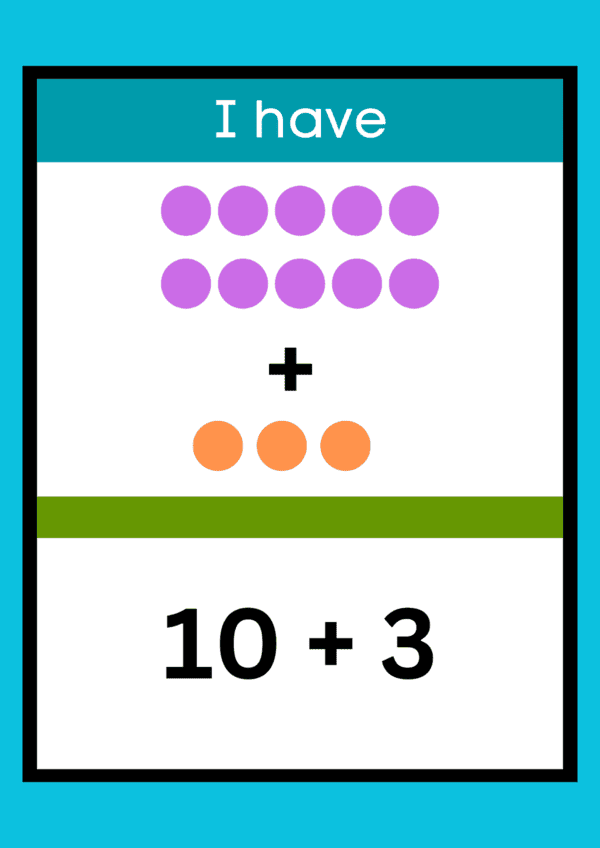
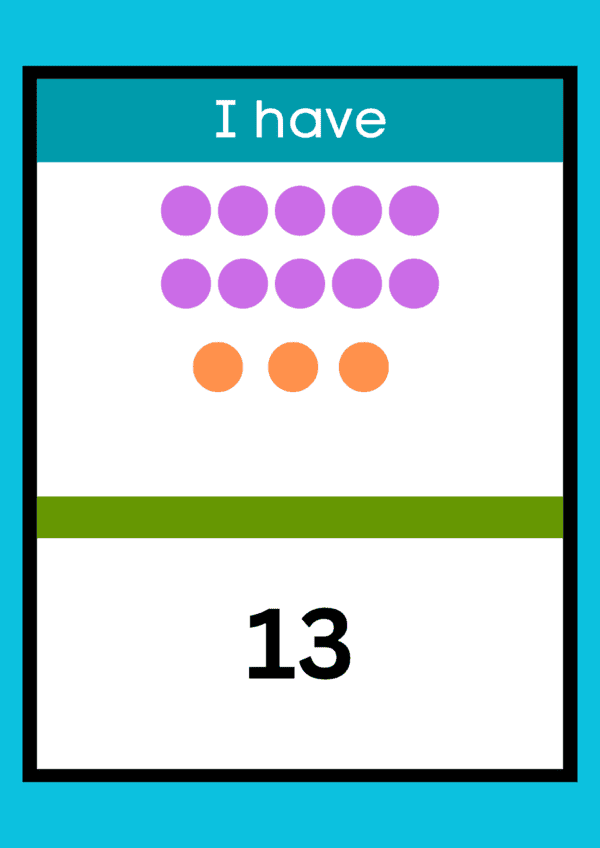
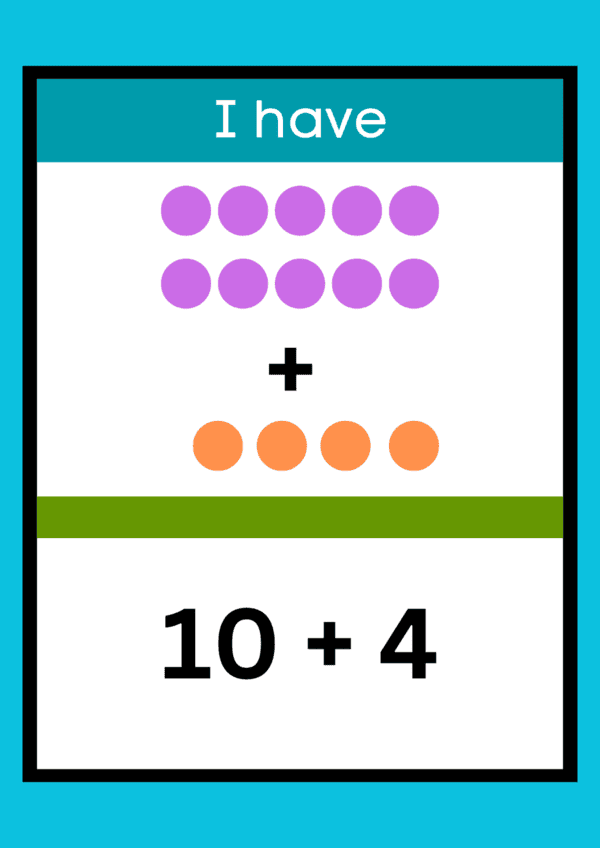
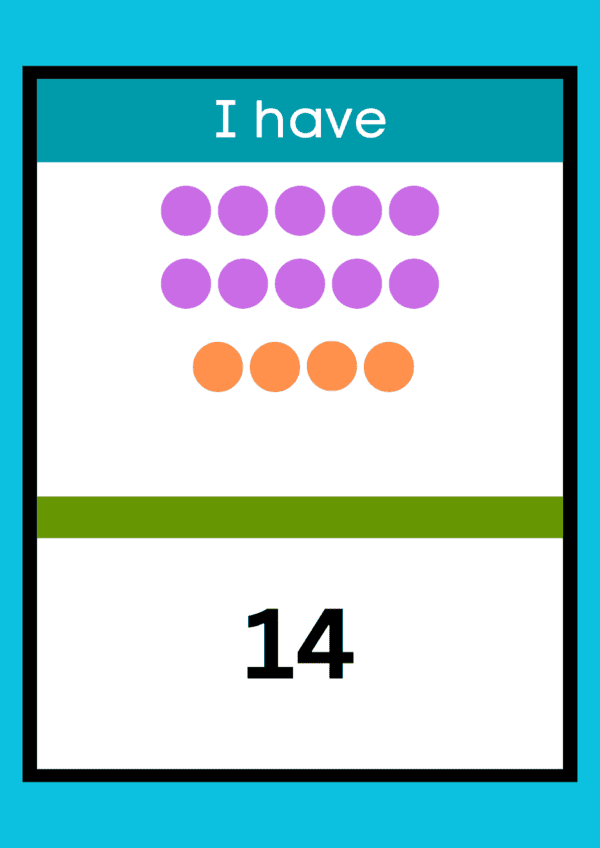
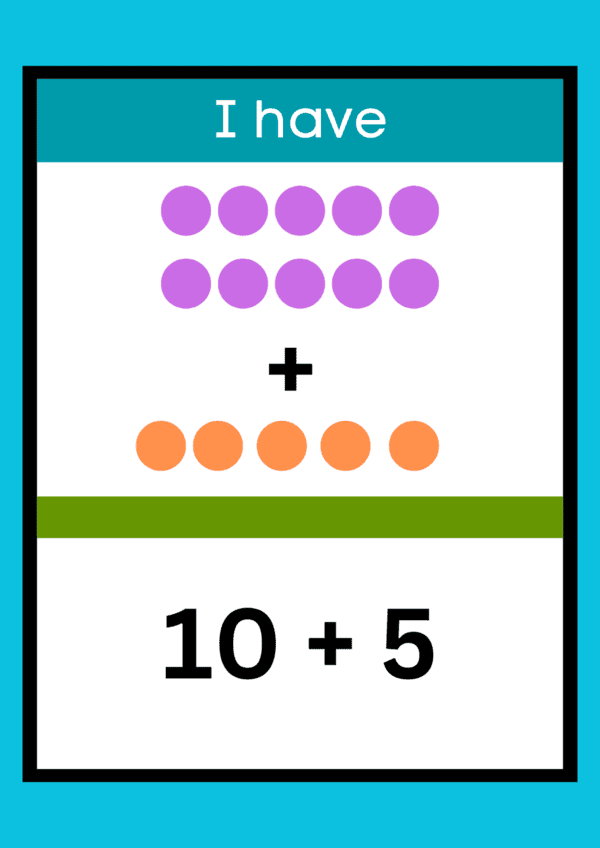
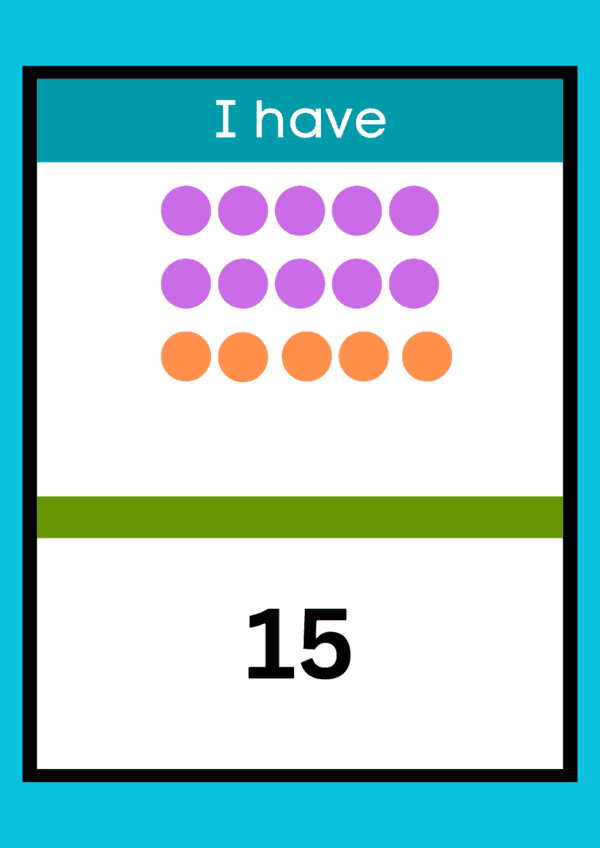
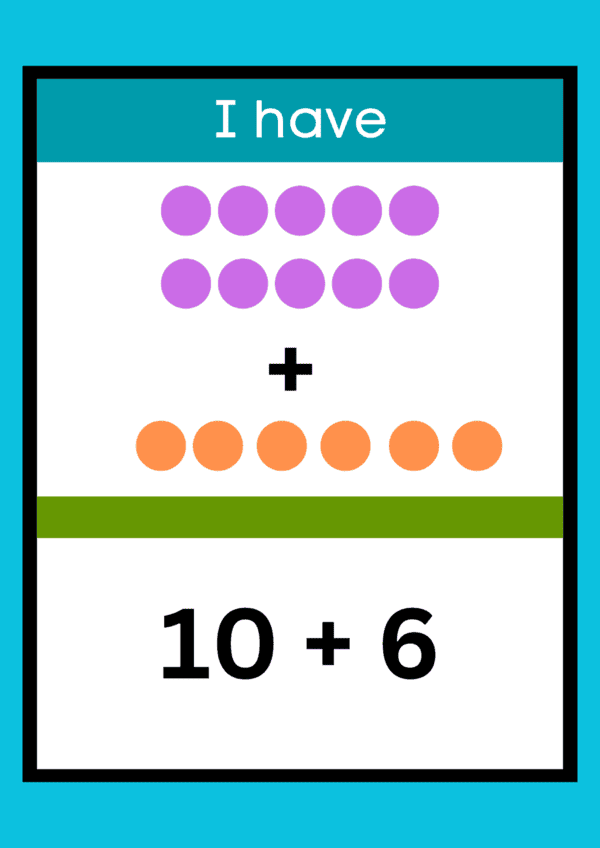
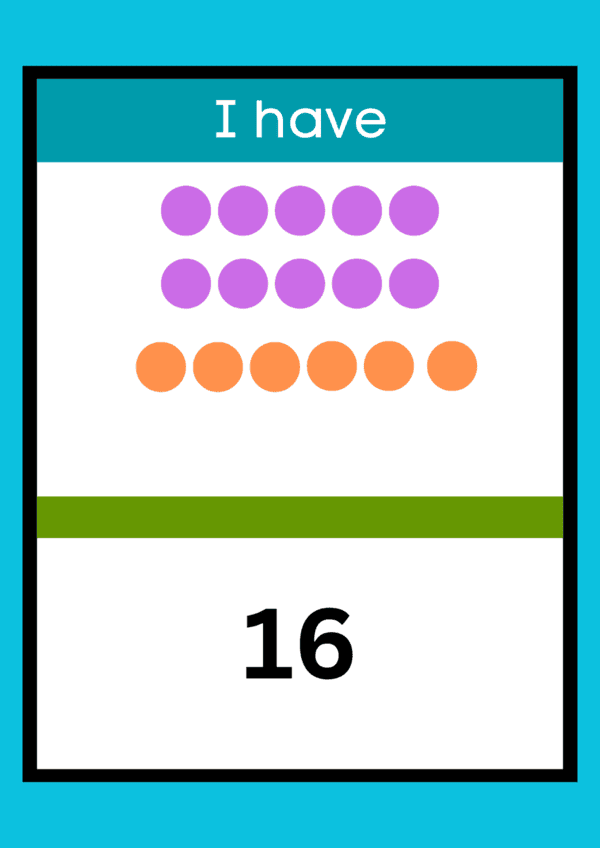
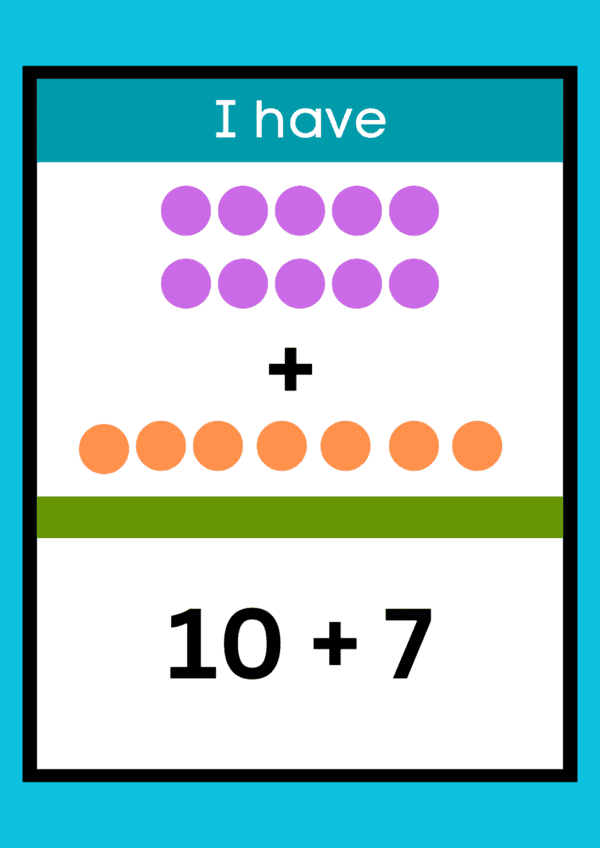
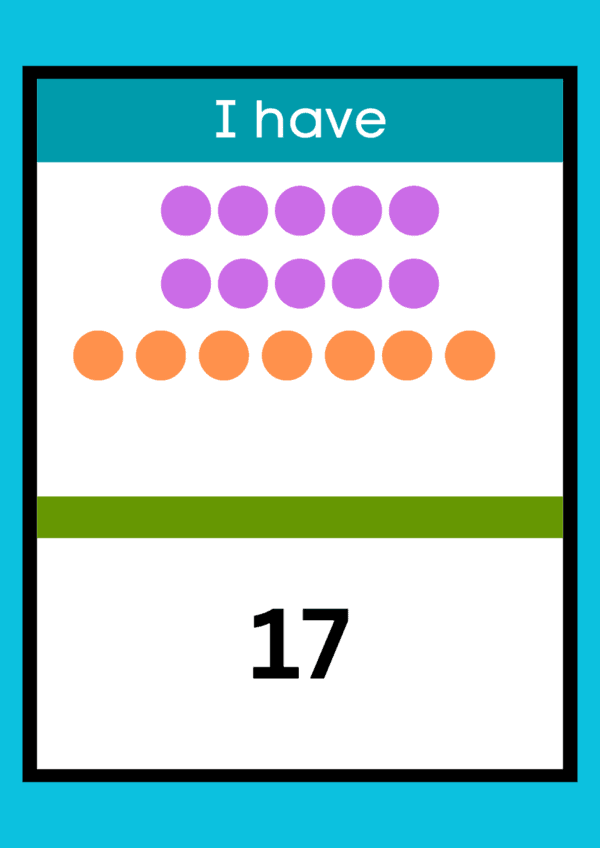
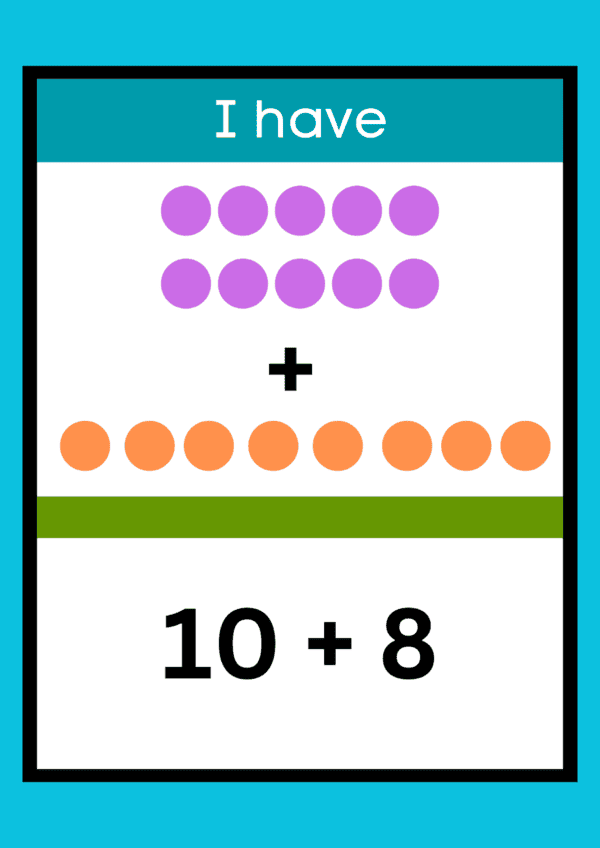
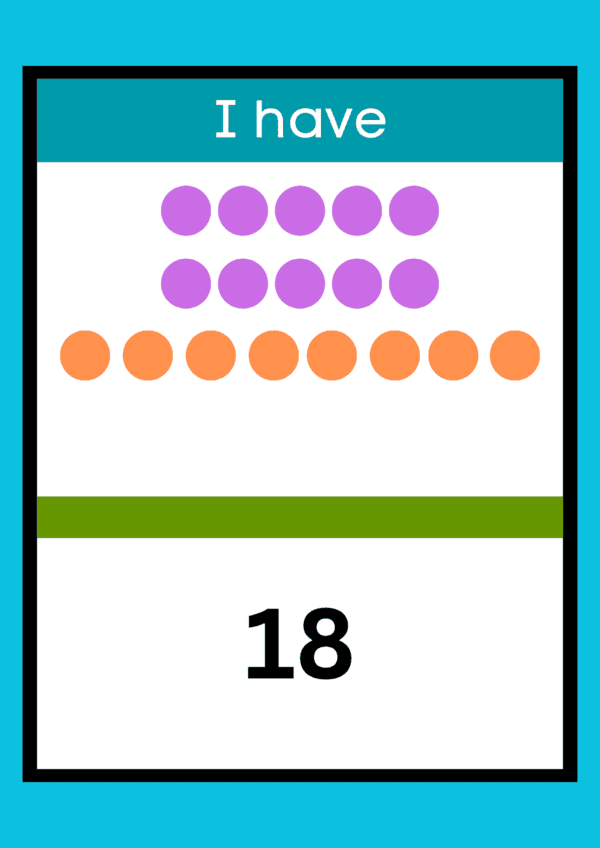
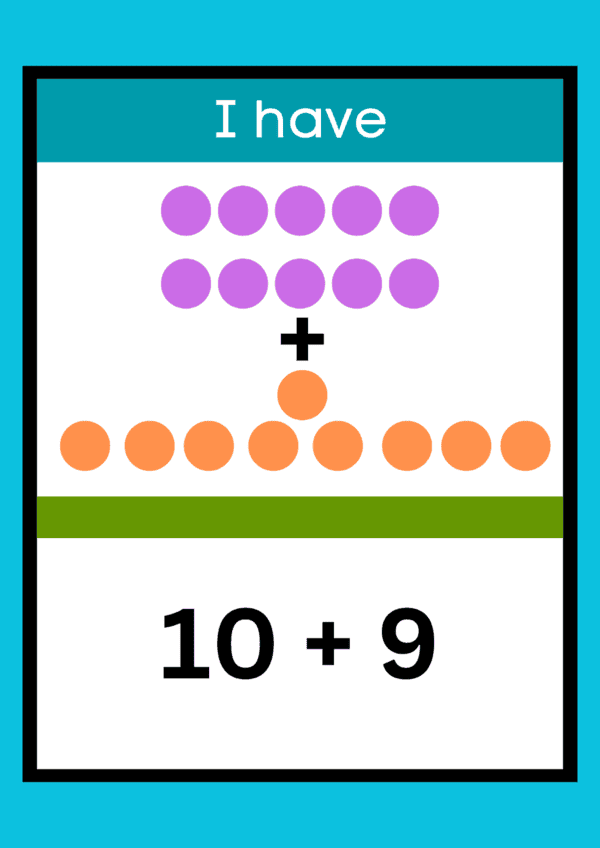
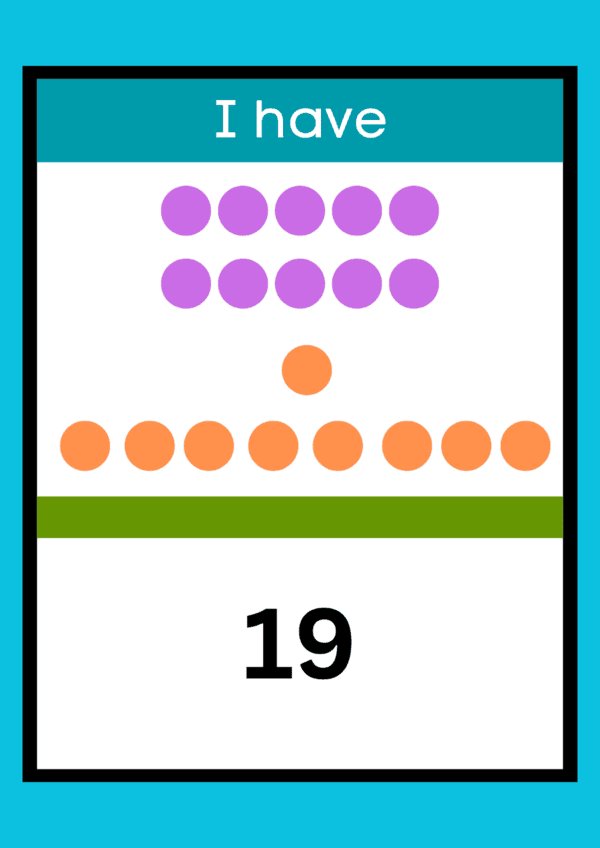
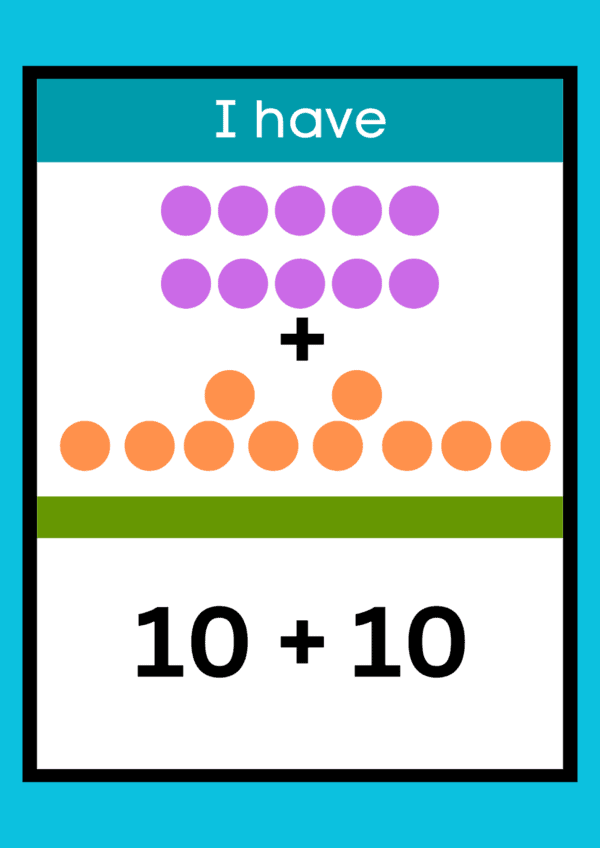
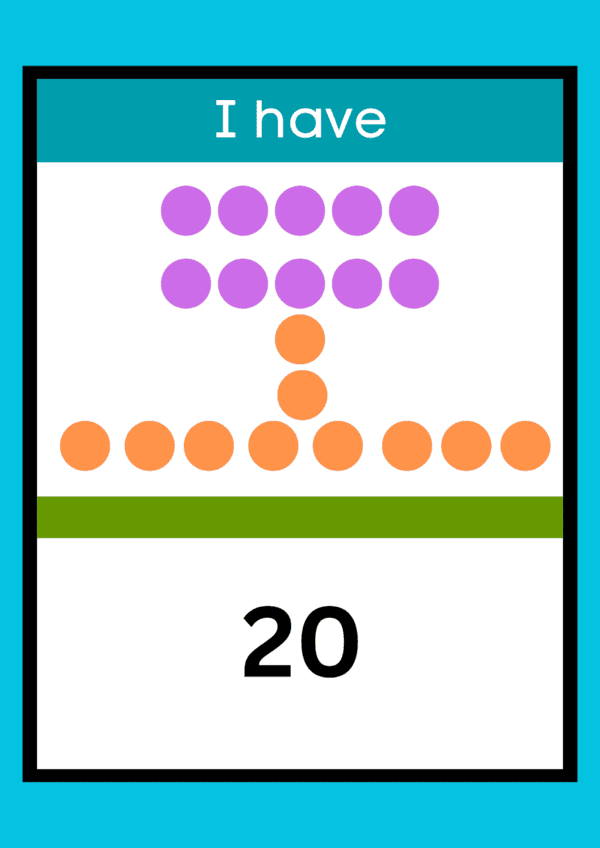
Ans. Flashcards display the numeral on one side and the corresponding quantity (using objects or dots) on the other. Show the flashcard, ask the child to name the number, then flip it to verify. This visual-verbal connection strengthens number recognition and builds confidence. Refer to interactive flashcards with engaging visuals to make learning enjoyable and reinforce numeral identification effectively.
4. Why do students find numbers 15 to 20 harder to learn compared to 10 to 15?
Ans. Numbers 15 to 20 introduce irregular naming patterns in English: "fifteen" and "sixteen" don't follow the teen-number pattern as clearly as others. Additionally, the transition from teens to 20 confuses some learners about how place value shifts. Using concrete objects like counters or tens-and-ones blocks helps clarify why 18 means 1 ten and 8 ones, reducing conceptual confusion.
5. What activities help Class 1 students practise ordering and sequencing numbers between 10 and 20?
Ans. Sequencing activities include arranging numeral cards in order, filling missing numbers in sequences (e.g., 10, 11, __, 13), and skip-counting exercises. Number lines and visual worksheets reinforce understanding of progression. Hands-on games with counters or beads grouped into tens strengthen number ordering skills. These interactive methods develop fluency in recognising which number comes before or after within the 10-20 range.
Explore Courses for Class 1 exam
Related Searches
Objective type Questions, Summary, Previous Year Questions with Solutions, pdf , Exam, practice quizzes, shortcuts and tricks, ppt, Sample Paper, mock tests for examination, past year papers, study material, Flashcards: Numbers 10 to 20, Viva Questions, Semester Notes, Free, Important questions, MCQs, Extra Questions, Flashcards: Numbers 10 to 20, Flashcards: Numbers 10 to 20, video lectures;