LKG Exam  >  LKG   >  Flashcards: Big and Small animal
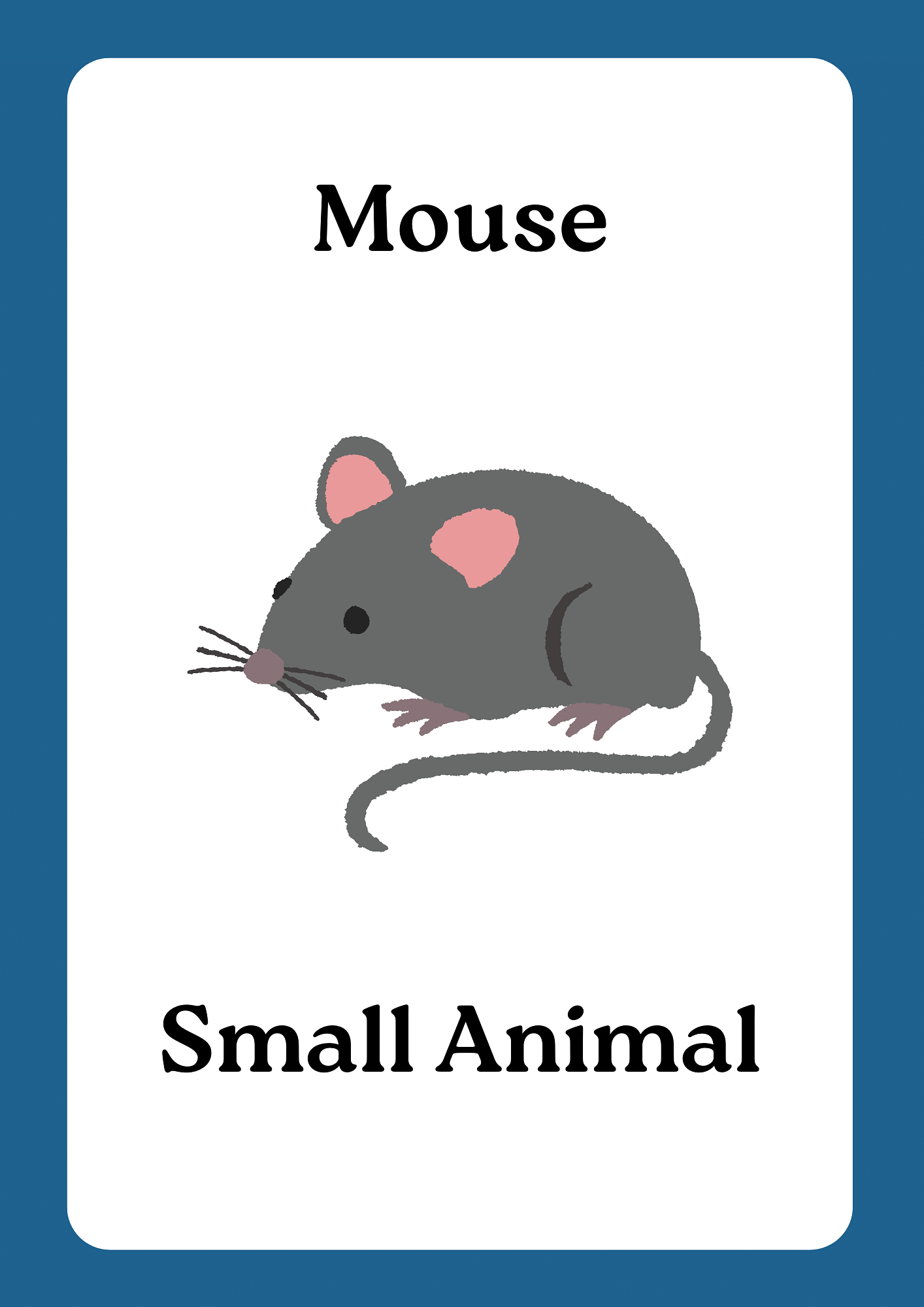
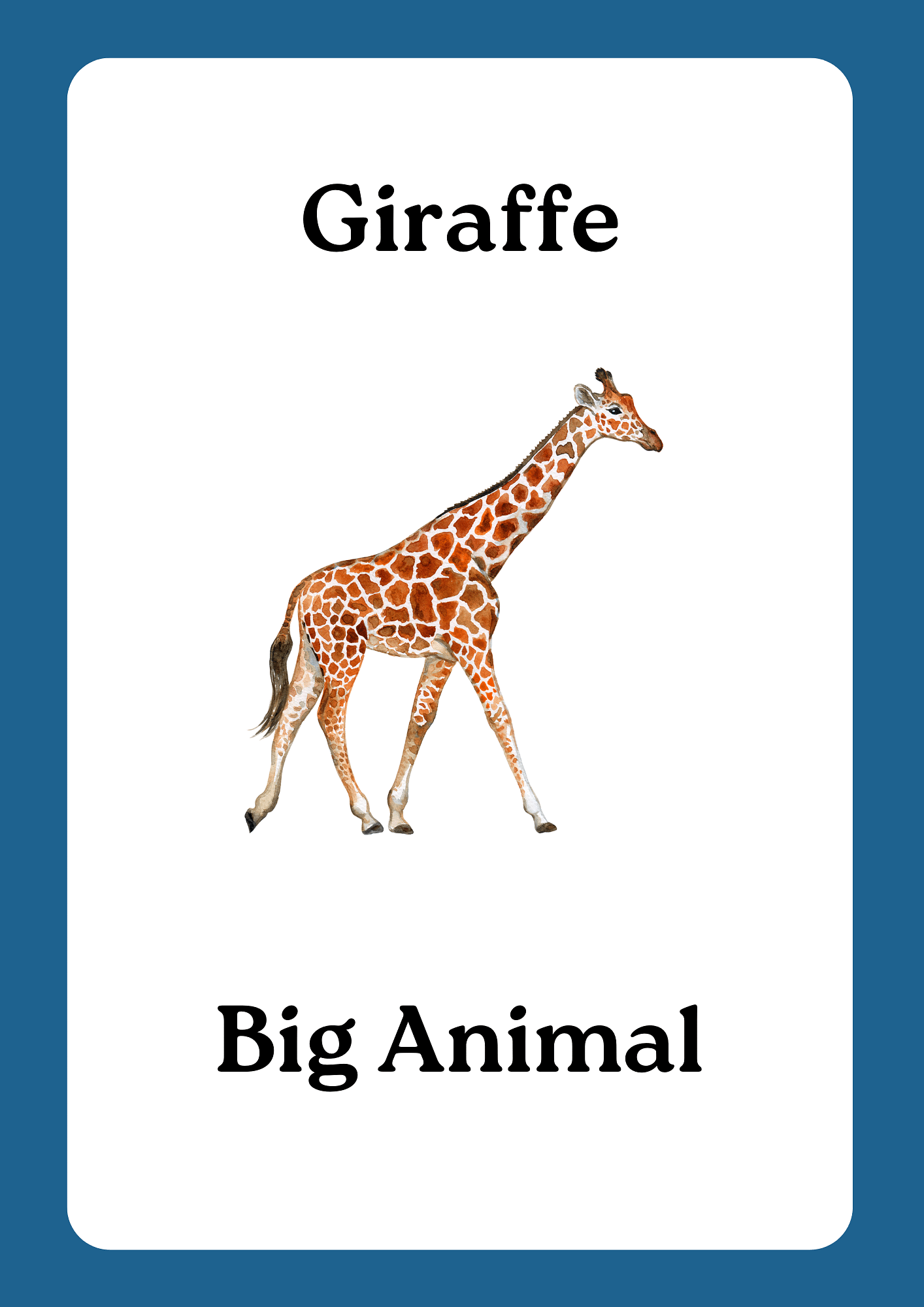
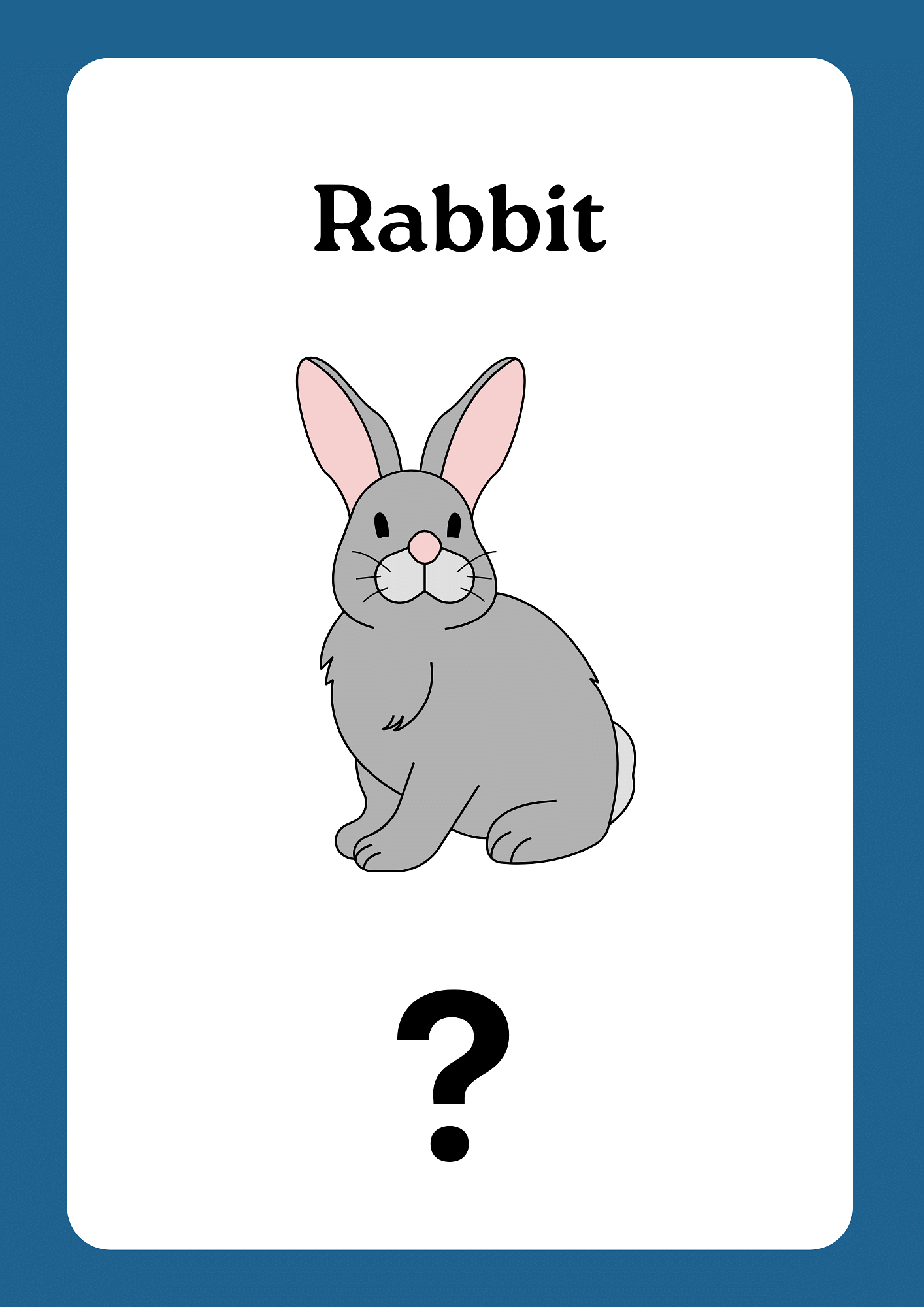
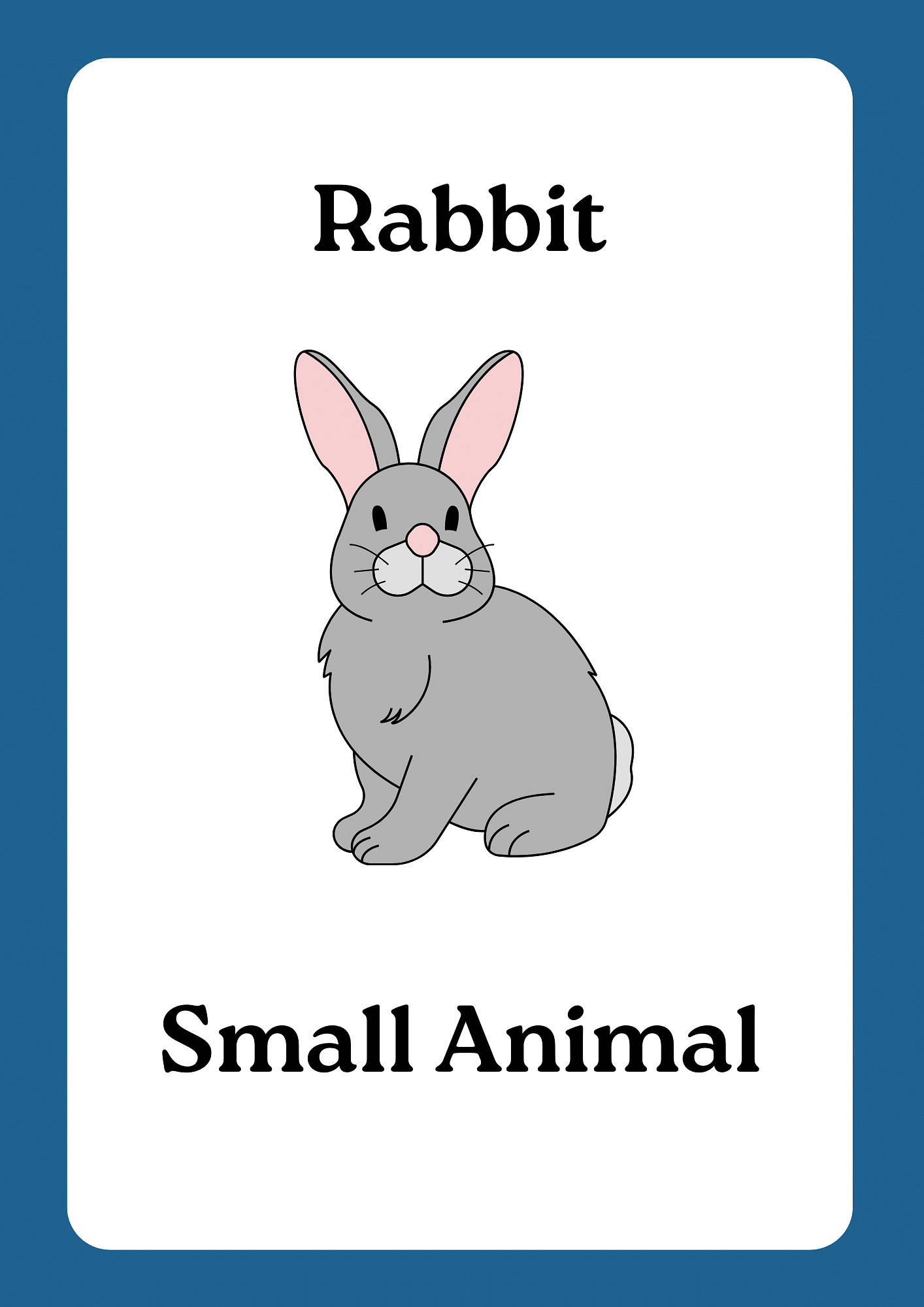
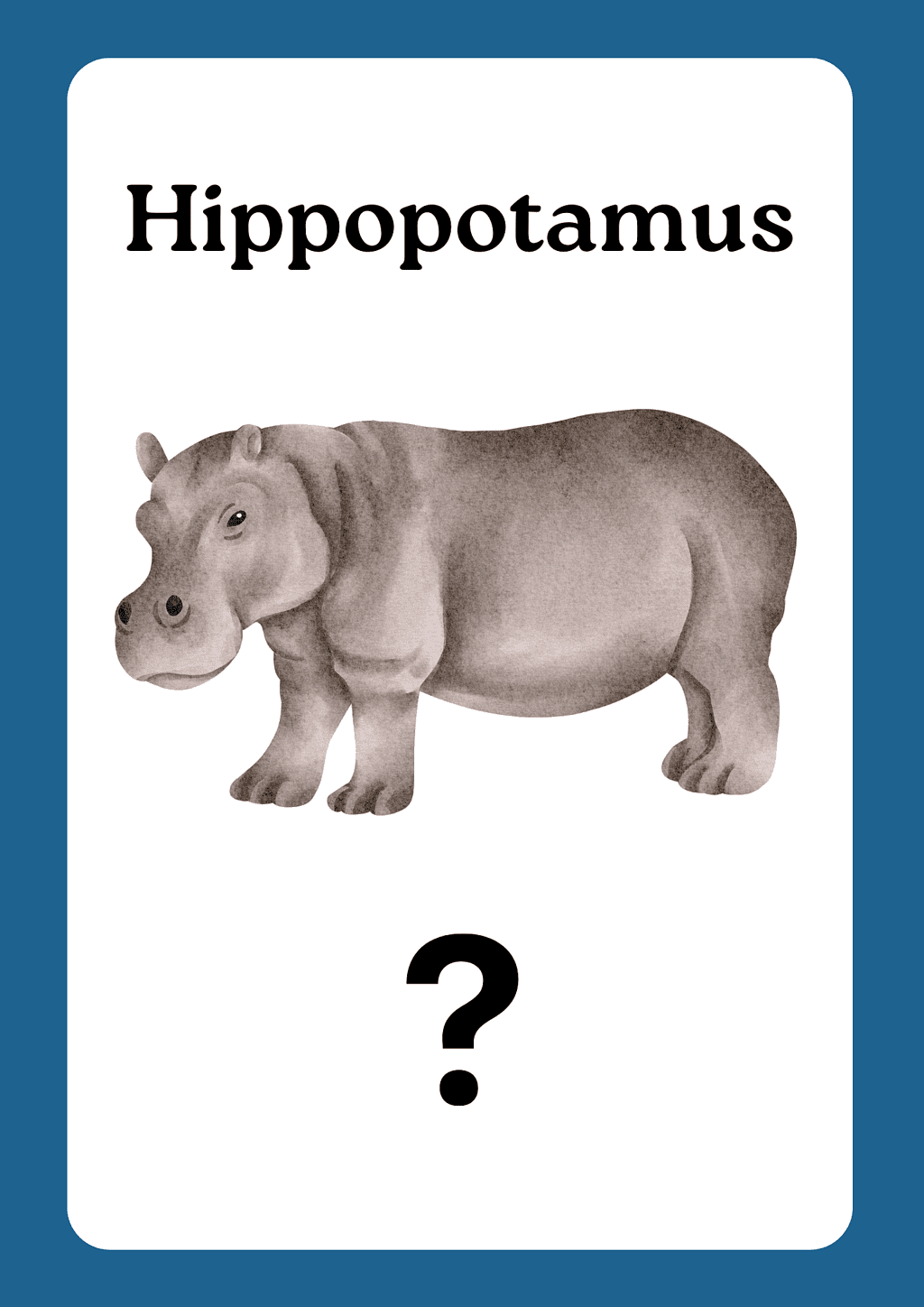
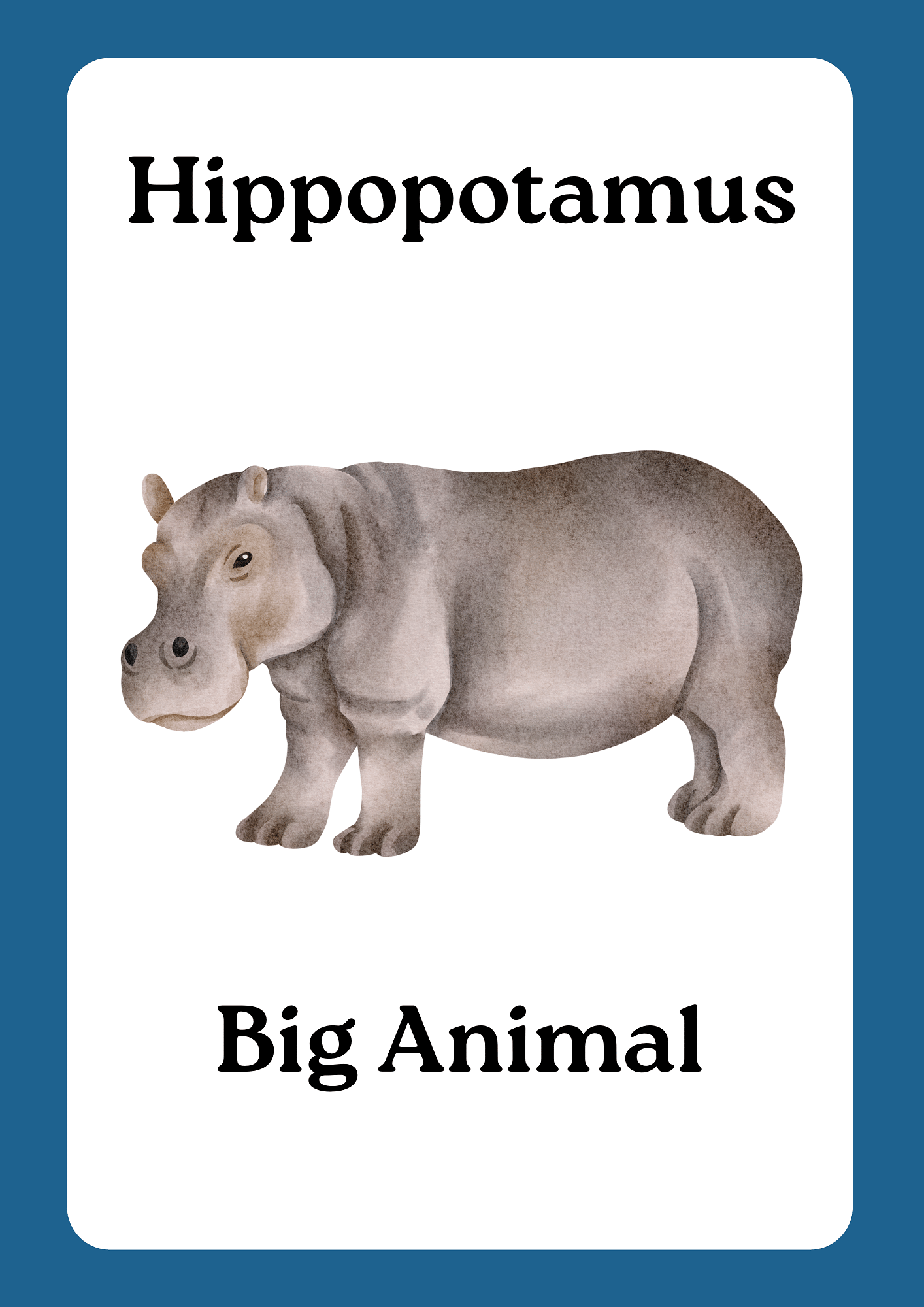
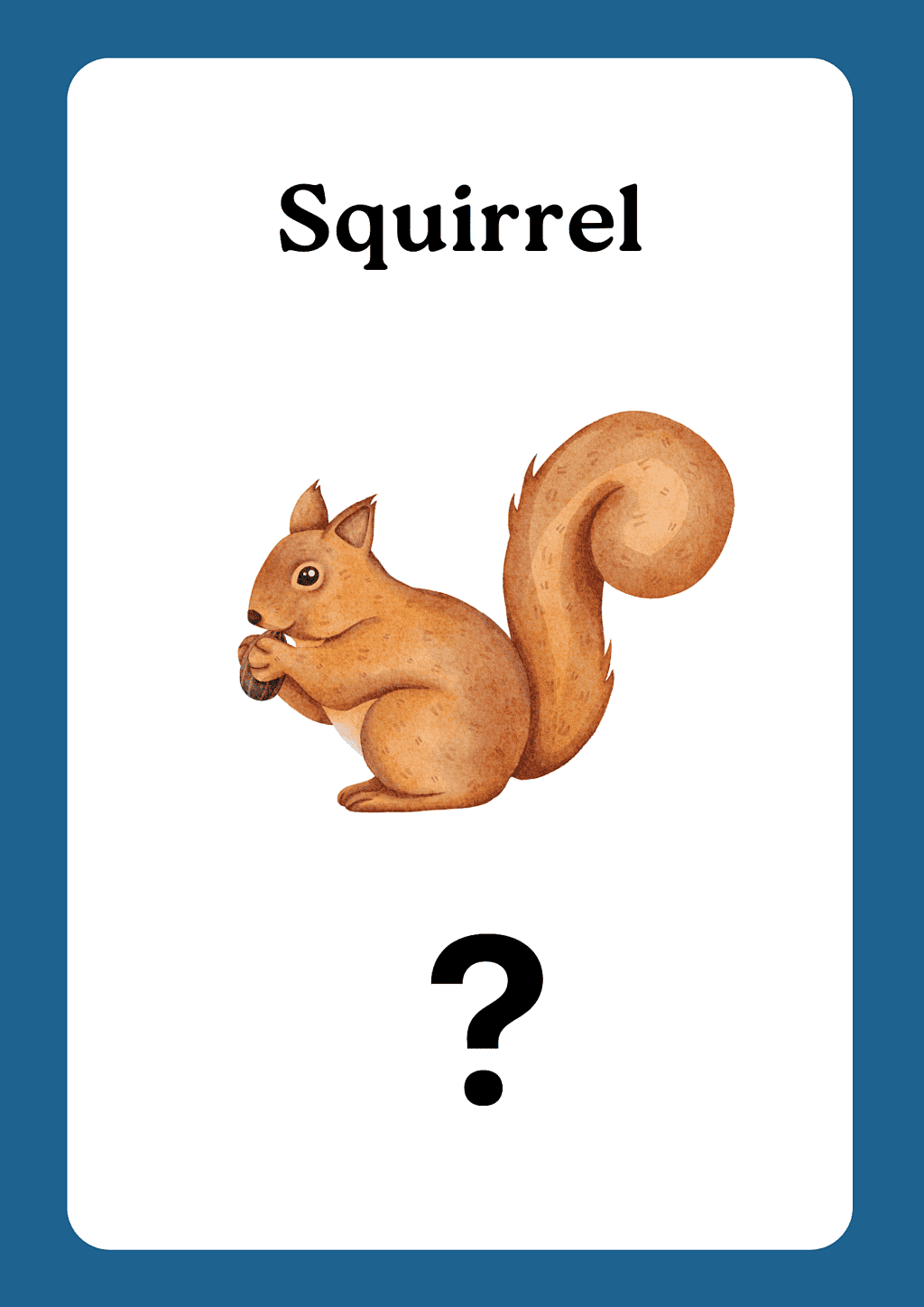
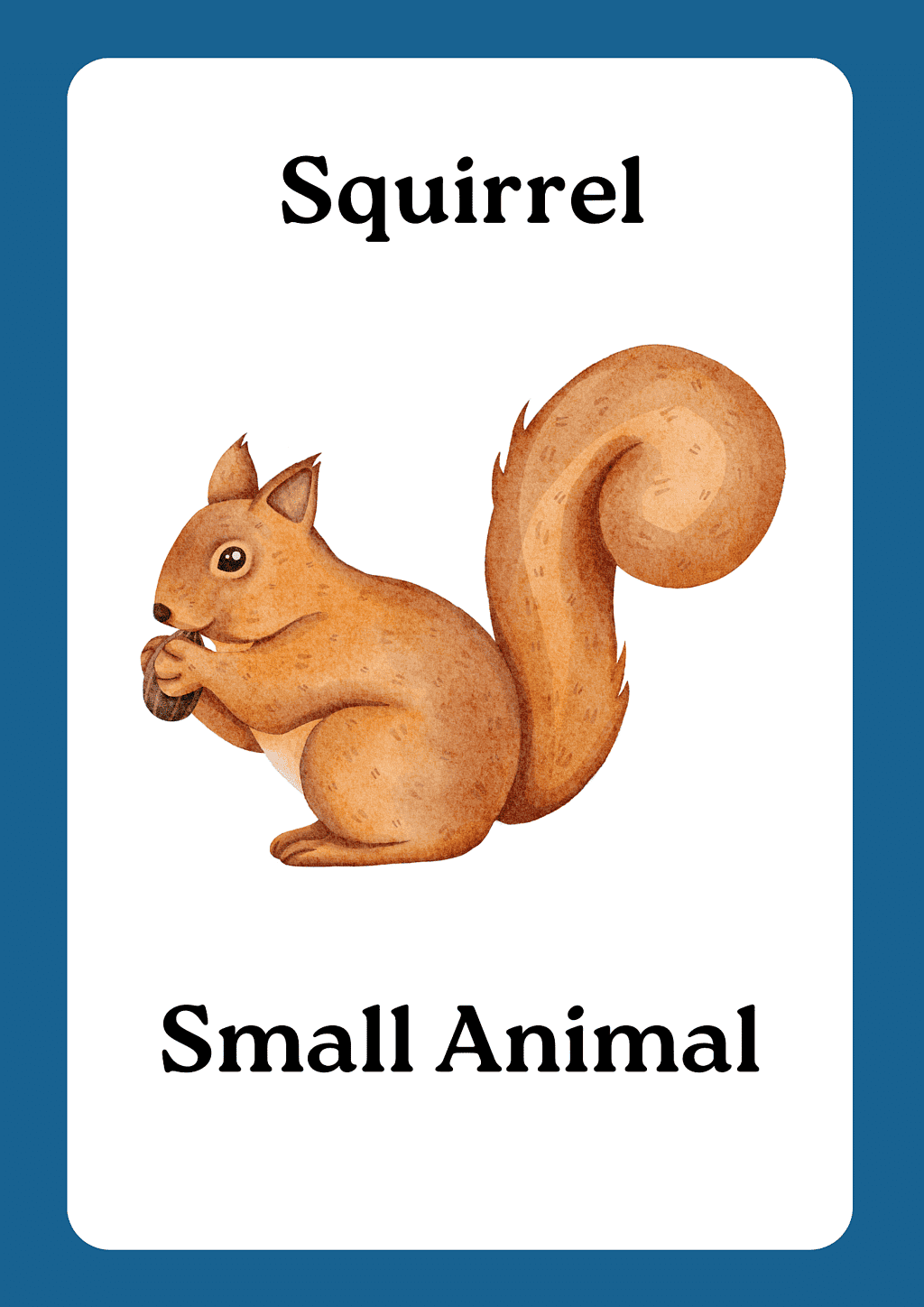
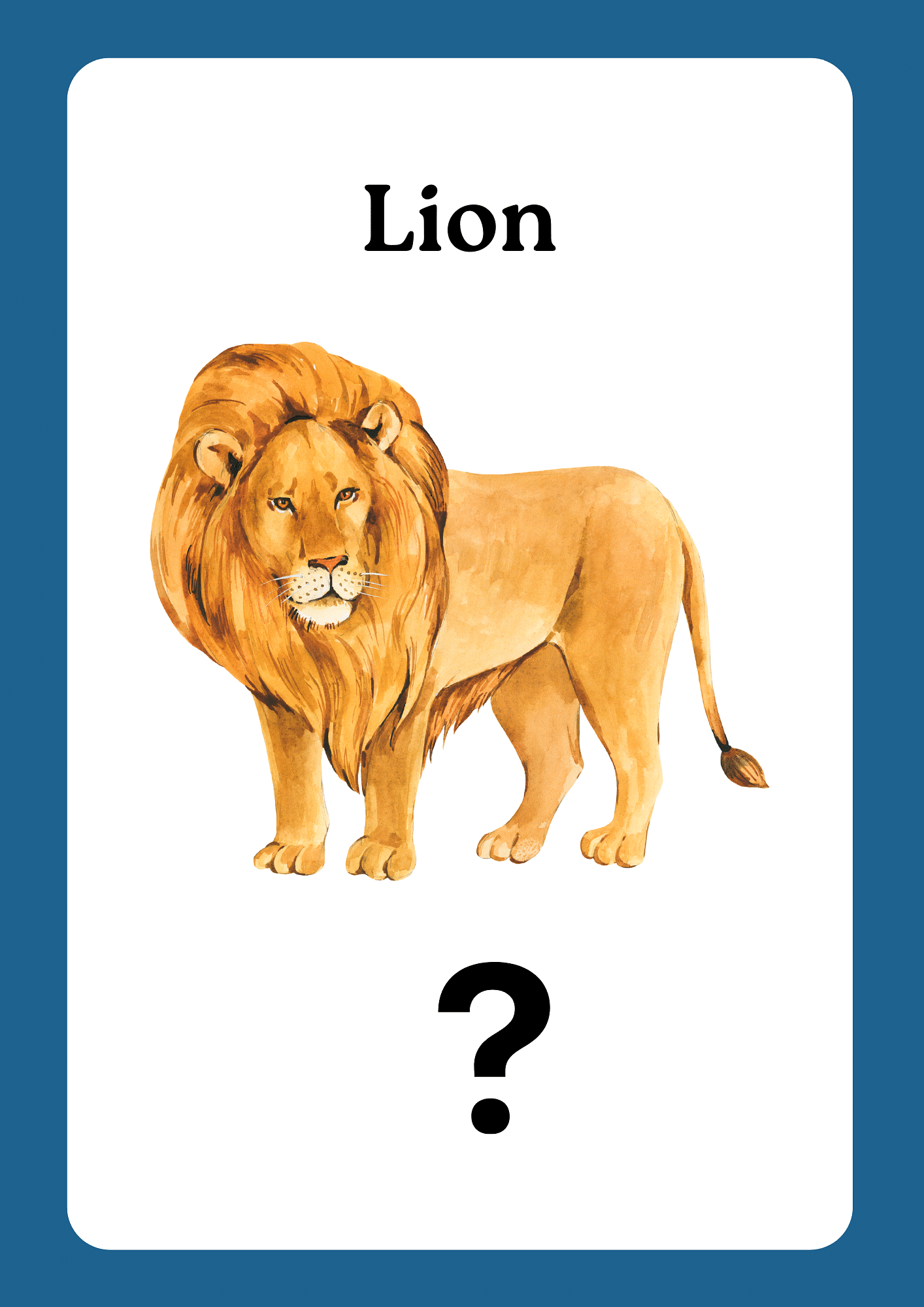
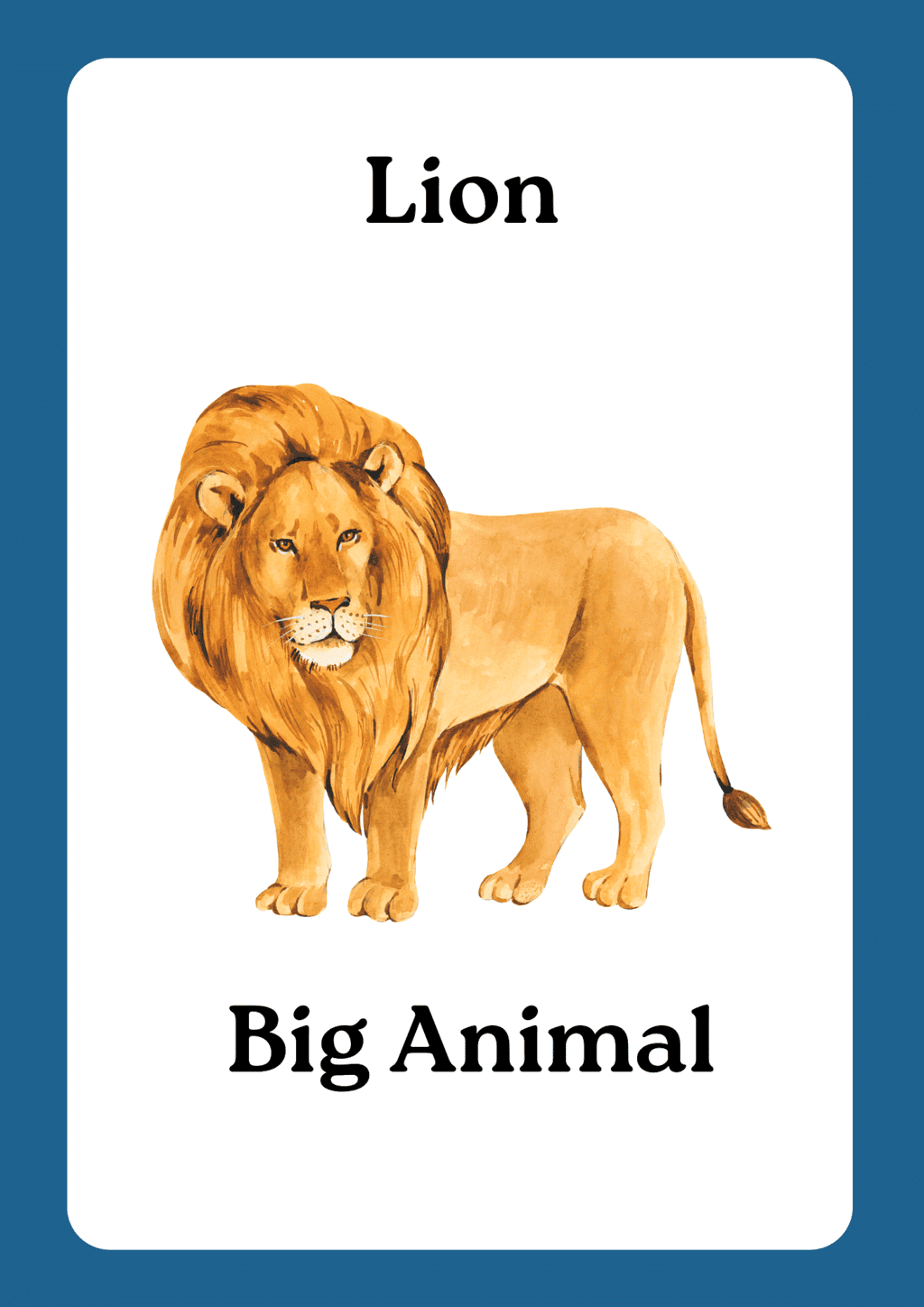
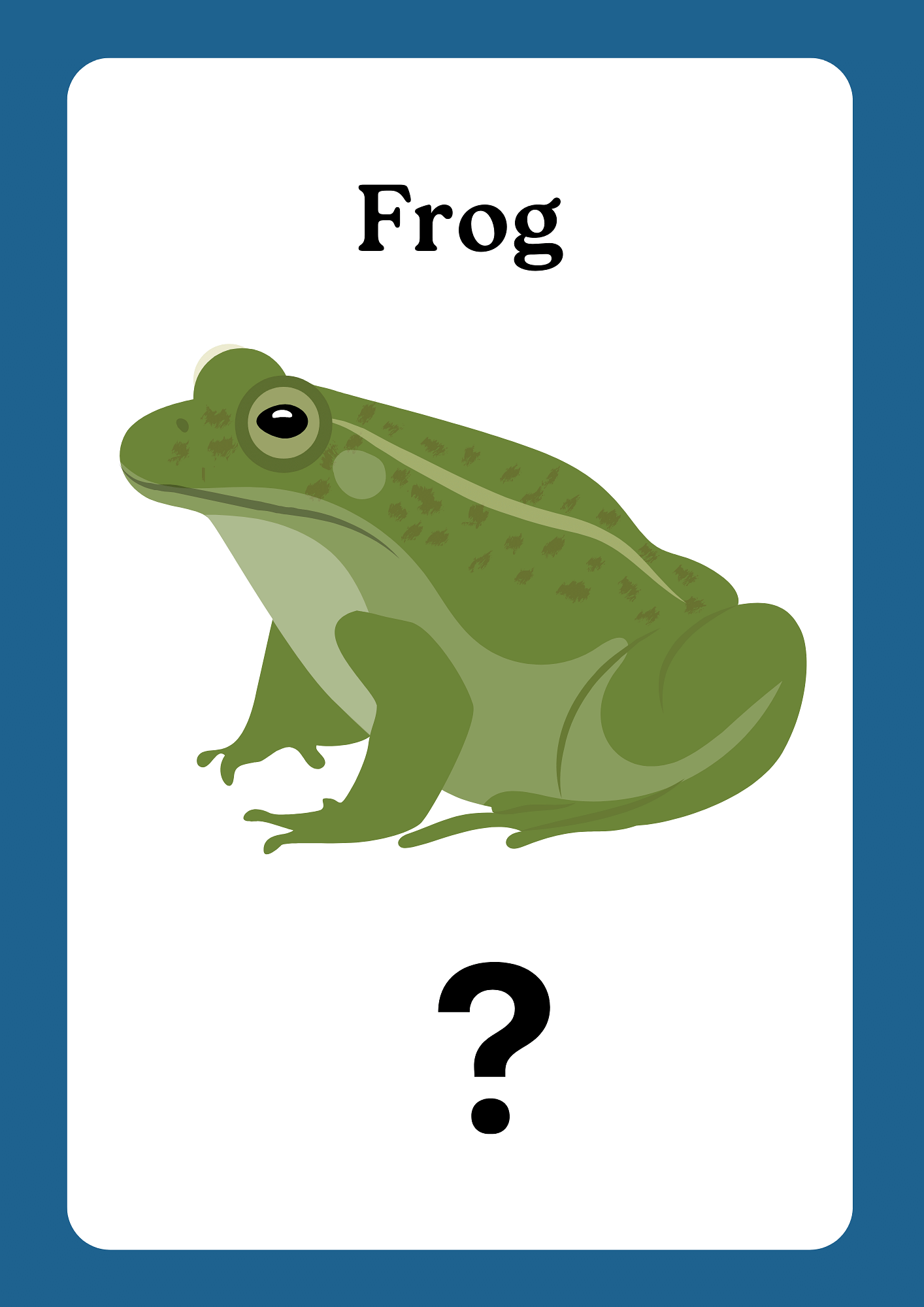
Big and Small animal
17 Flashcards
Start
Start

Big and Small animal Flashcards - LKG

17 Flashcards

FAQs on Big and Small animal Flashcards - LKG

1. What are some examples of big animals?
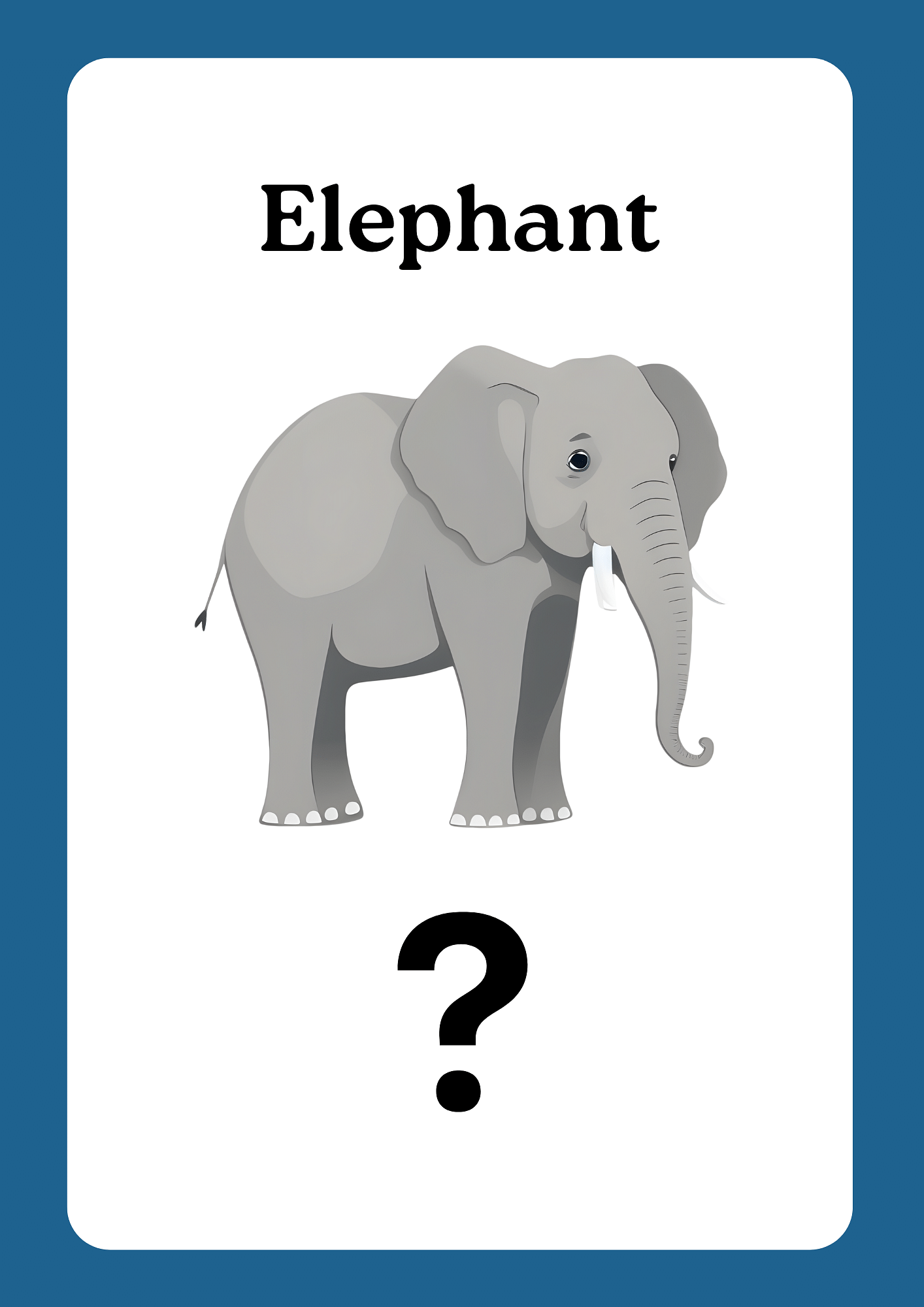
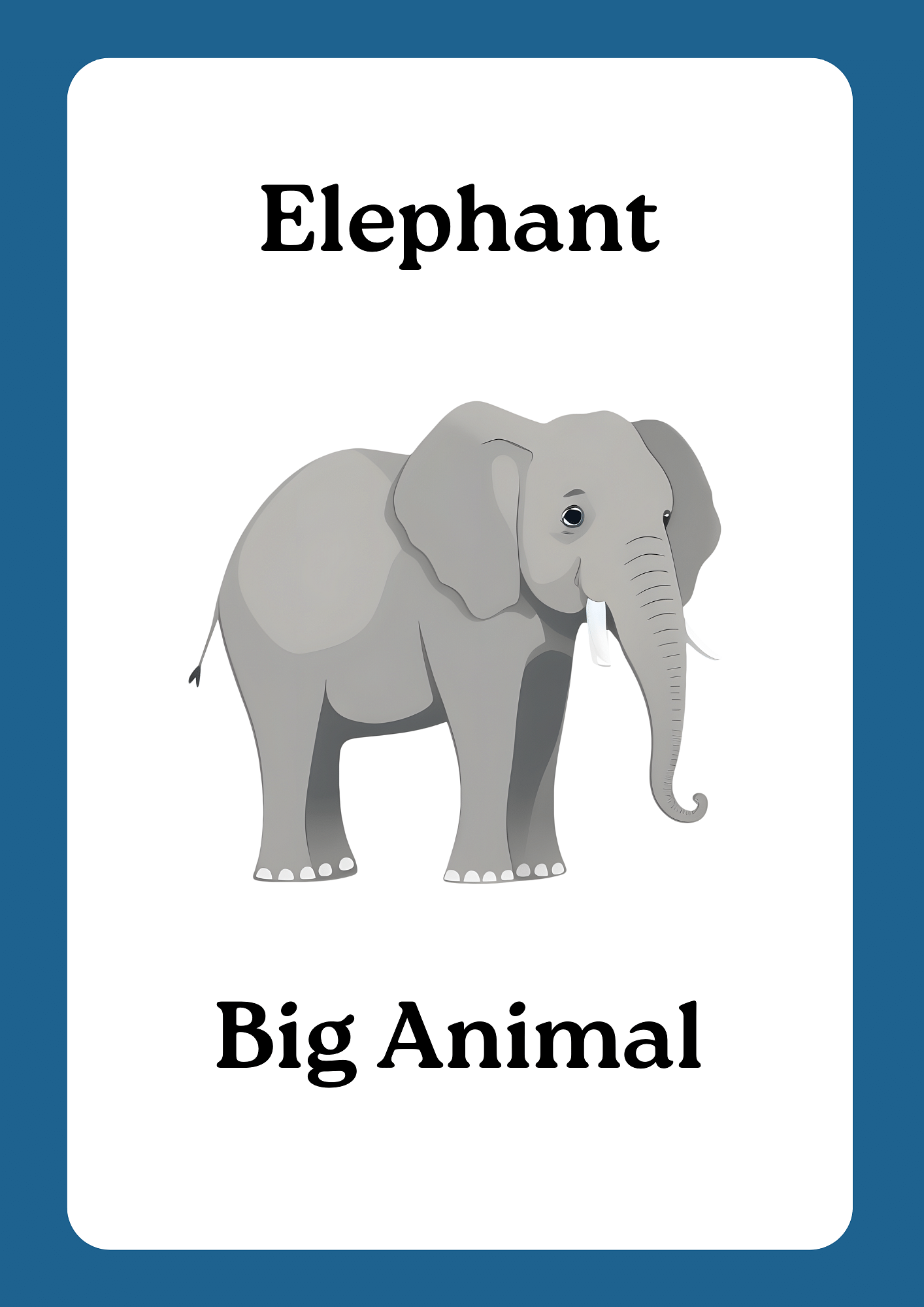
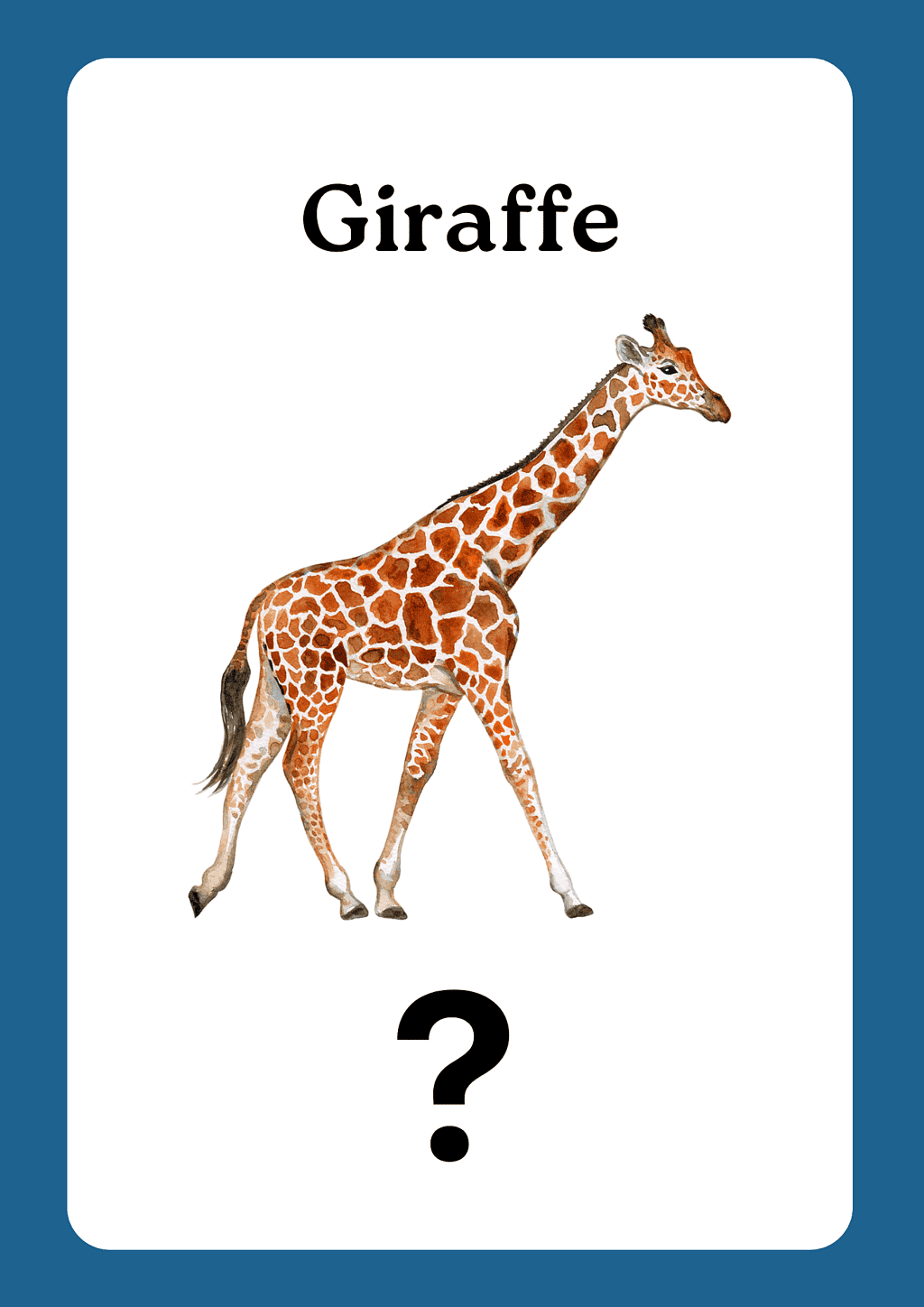
Ans. Some examples of big animals include elephants, whales, giraffes, and polar bears.
2. What are some examples of small animals?
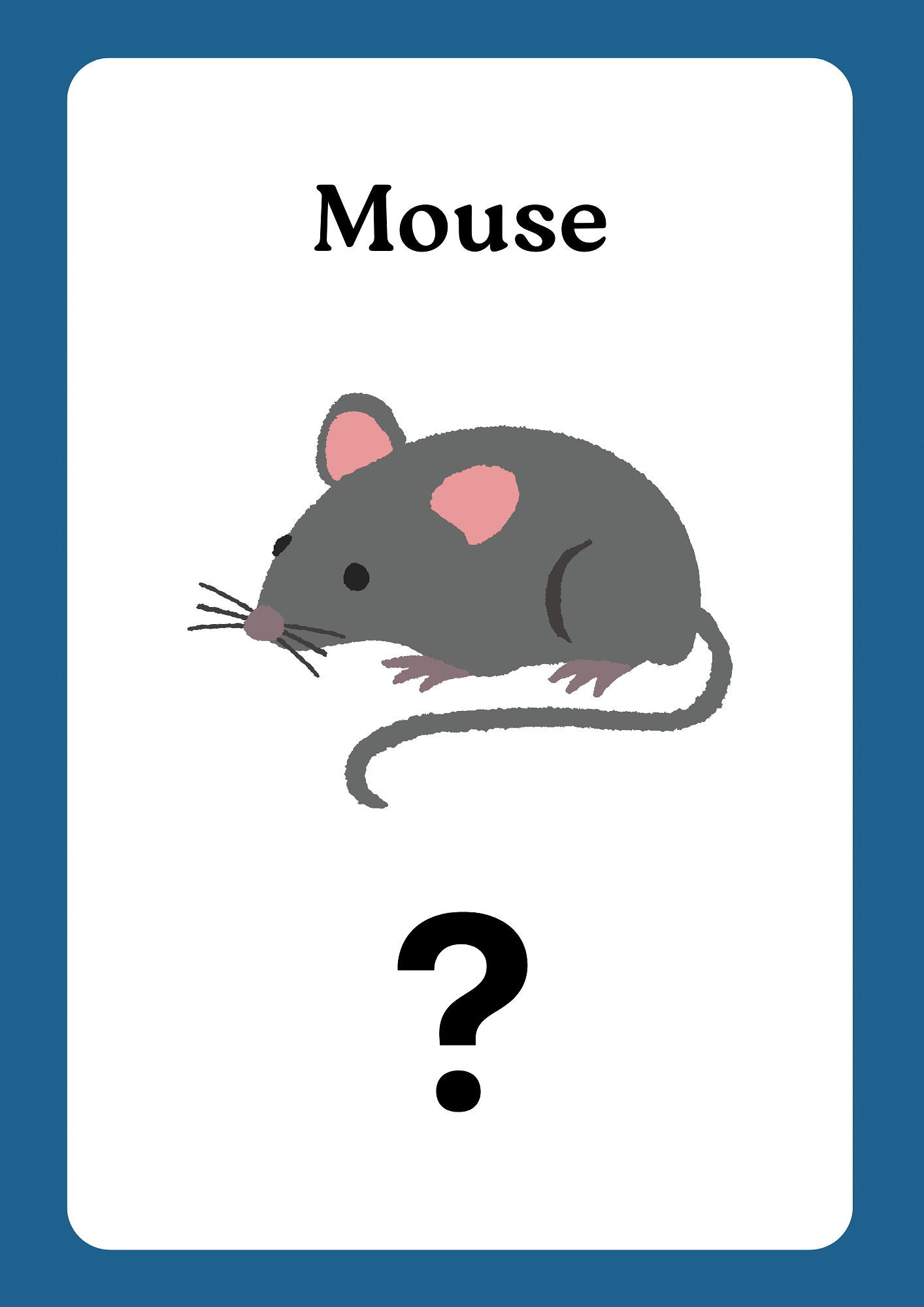
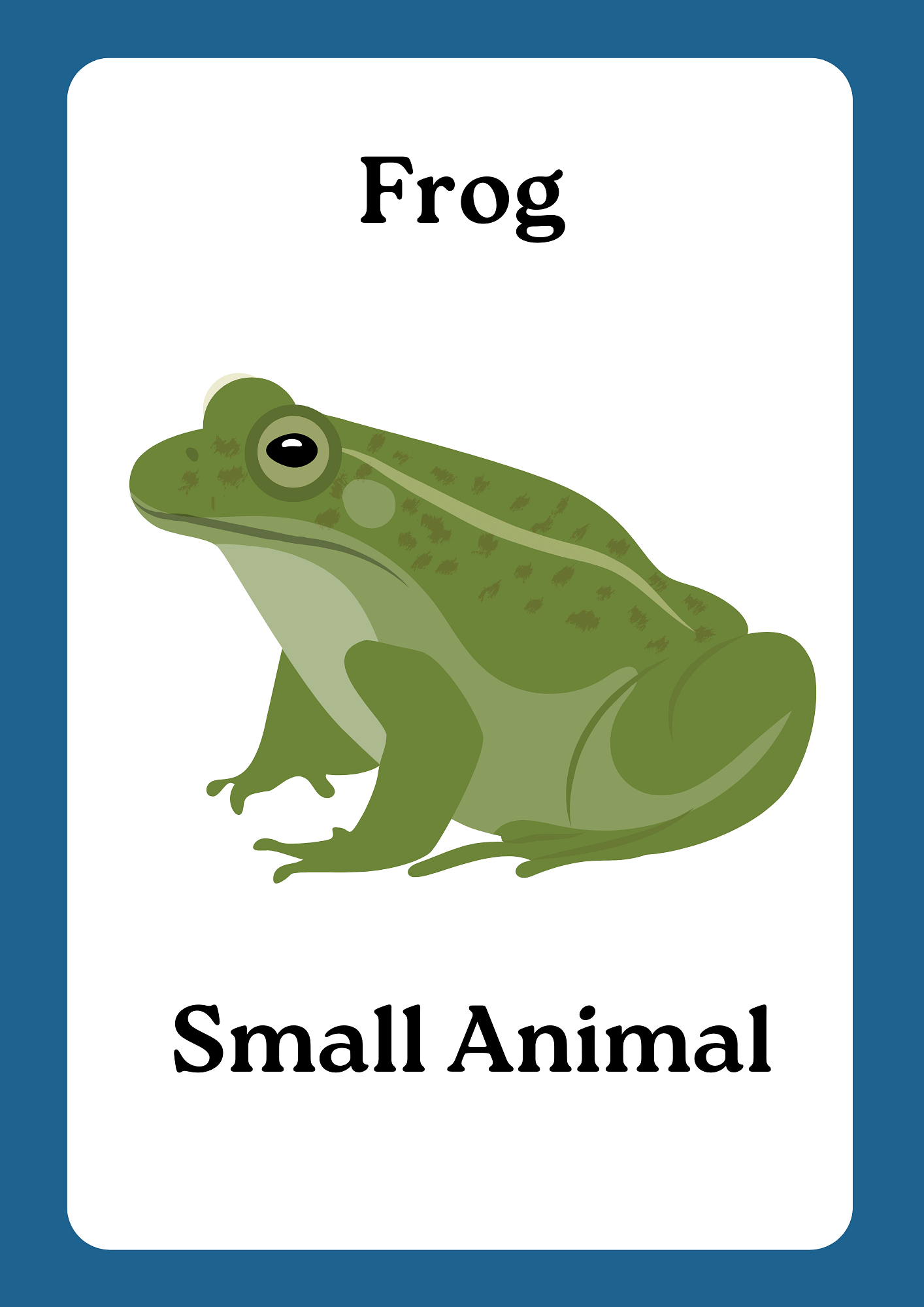
Ans. Some examples of small animals include mice, frogs, butterflies, and hummingbirds.
3. How do animals adapt to their size in their natural habitats?
Ans. Animals adapt to their size in their natural habitats by developing different physical characteristics, behaviors, and survival strategies. For example, small animals may be able to hide in tiny spaces to avoid predators, while big animals may have a strong physical presence to deter threats.
4. Why do big animals tend to have longer lifespans compared to small animals?
Ans. Big animals tend to have longer lifespans compared to small animals because they have slower metabolic rates, lower heart rates, and larger bodies that can better withstand environmental challenges. Additionally, big animals often have fewer natural predators once they reach adulthood.
5. How do big and small animals play different roles in their ecosystems?
Ans. Big animals often play keystone roles in their ecosystems by influencing the behavior and abundance of other species. Small animals, on the other hand, may have important roles in pollination, seed dispersal, and nutrient cycling. Both big and small animals contribute to the overall balance and biodiversity of their ecosystems.

Top Courses for LKG

Related Searches
video lectures, Big and Small animal Flashcards - LKG , Free, Summary, Semester Notes, past year papers, shortcuts and tricks, Extra Questions, study material, Big and Small animal Flashcards - LKG , Sample Paper, Previous Year Questions with Solutions, Exam, mock tests for examination, Objective type Questions, MCQs, pdf , practice quizzes, Viva Questions, Big and Small animal Flashcards - LKG , ppt, Important questions;