CBSE Class 10  >  Class 10   >  Science   >  Flashcards: Life Processes- 1
Life Processes- 1
20 Flashcards
Start
Start

Flashcards: Life Processes- 1

20 Flashcards

FAQs on Flashcards: Life Processes- 1

1. What are the main life processes that Class 10 students need to know for CBSE exams?
Ans. Life processes are essential functions organisms perform to stay alive, including nutrition, respiration, transportation, and excretion. Nutrition involves obtaining and using food for energy and growth. Respiration releases energy from nutrients through chemical reactions. Transportation distributes nutrients and oxygen throughout the body, while excretion removes metabolic waste products. These interconnected processes sustain all living organisms.
2. How does nutrition differ between plants and animals in life processes?
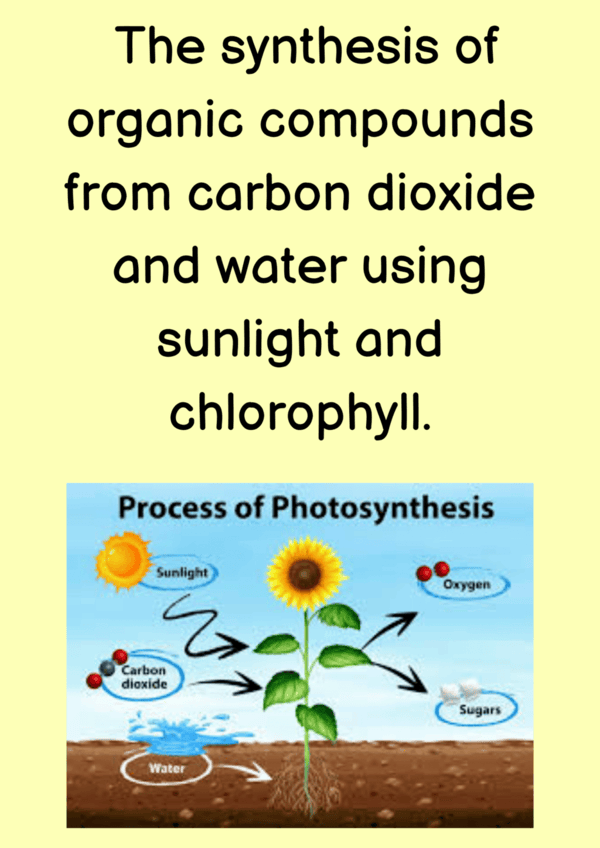
Ans. Plants are autotrophs and manufacture their own food through photosynthesis using sunlight, water, and carbon dioxide. Animals are heterotrophs and depend on consuming other organisms for nutrition. While plants store glucose as starch, animals store it as glycogen. Both require nutrients for energy and growth, but their feeding mechanisms and food sources differ fundamentally in life processes.
3. Why is respiration considered a critical life process for survival?
Ans. Respiration is vital because it converts glucose and oxygen into usable energy (ATP) that cells require for all activities. Without respiration, organisms cannot synthesize proteins, contract muscles, maintain body temperature, or perform any metabolic function. Both aerobic and anaerobic respiration occur in living cells, with aerobic respiration producing significantly more energy for sustaining life processes.
4. What's the difference between aerobic and anaerobic respiration in life processes?
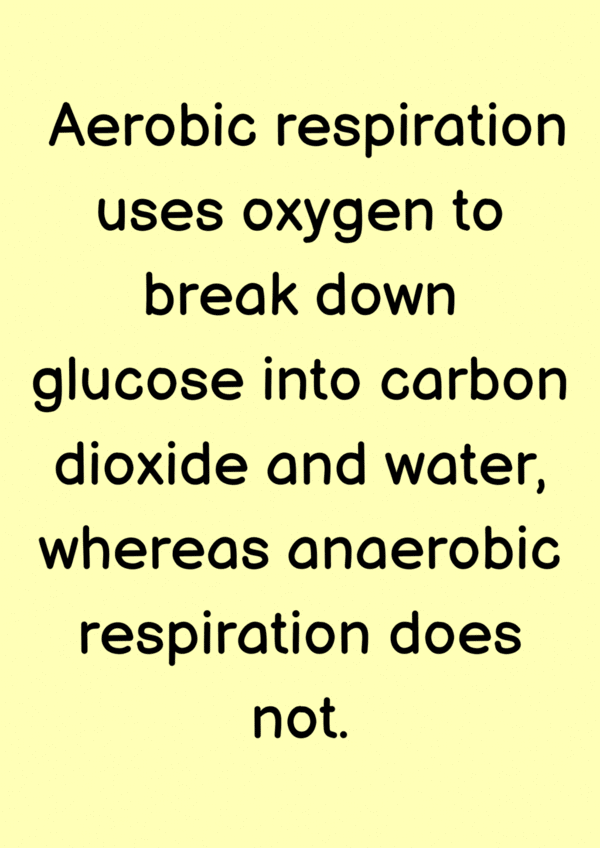
Ans. Aerobic respiration requires oxygen to break down glucose completely, producing maximum energy (38 ATP molecules) and releasing carbon dioxide and water as waste. Anaerobic respiration occurs without oxygen, producing less energy (2 ATP molecules) and generating lactate or ethanol as byproducts. Aerobic respiration is more efficient and occurs in mitochondria, while anaerobic respiration happens in cytoplasm during oxygen scarcity.
5. How does excretion help maintain homeostasis as a key life process?
Ans. Excretion removes harmful nitrogenous waste products like urea and uric acid, preventing their toxic accumulation in the body. This process maintains internal balance by regulating water and mineral levels, controlling pH, and eliminating metabolic byproducts. Through kidneys and other excretory organs, organisms eliminate waste while preserving essential nutrients, thereby sustaining stable internal conditions necessary for survival.
Explore Courses for Class 10 exam
Related Searches
Extra Questions, ppt, Free, study material, Viva Questions, video lectures, Previous Year Questions with Solutions, MCQs, mock tests for examination, Important questions, Objective type Questions, Flashcards: Life Processes- 1, Semester Notes, shortcuts and tricks, Flashcards: Life Processes- 1, Exam, Sample Paper, pdf , Summary, practice quizzes, Flashcards: Life Processes- 1, past year papers;