|  Colours 22 Flashcards |  Start |
 | What do the different colors of crayons symbolize in the poem 'Colours'? |  Card: 1 / 22 |
| The different colors symbolize the diversity of choices and the joy of sharing with friends. | Card: 2 / 22 |

| If we share our crayons, we can create ___ together. | Card: 3 / 22 |
| Beautiful pictures | Card: 4 / 22 |

| True or False: The poem 'Colours' suggests that sharing crayons can lead to more fun. | Card: 5 / 22 |
| True 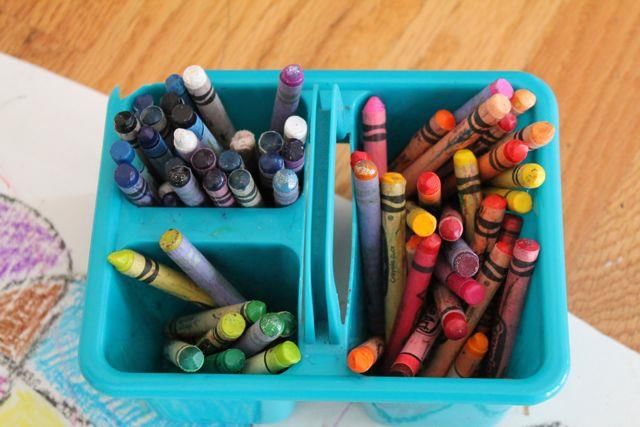 | Card: 6 / 22 |
| What feelings do the simple language and cheerful tone of the poem evoke for young children? | Card: 7 / 22 |
| They evoke feelings of joy and understanding about the importance of sharing. | Card: 8 / 22 |

| In the second stanza, what do the phrases 'I need the red and you need the black' imply about sharing? | Card: 9 / 22 |
| They imply that each person has different needs and that sharing allows everyone to benefit from each other's resources. | Card: 10 / 22 |

| List three colors mentioned in the first stanza of the poem 'Colours'. | Card: 11 / 22 |
|  Unlock all Flashcards with EduRev Infinity Plan Starting from @ ₹99 only | |
| Red, yellow, blue | Card: 12 / 22 |

| Fill in the blank: Sharing makes us ___ and brings us closer to our friends. | Card: 13 / 22 |
| Happy  | Card: 14 / 22 |
| True or False: The poem suggests that sharing has no impact on friendships. | Card: 15 / 22 |
| False; the poem states that sharing brings us closer to our friends. | Card: 16 / 22 |

| What does the poem teach about working together? | Card: 17 / 22 |
| The poem teaches that by working together, we can create something beautiful and have fun. 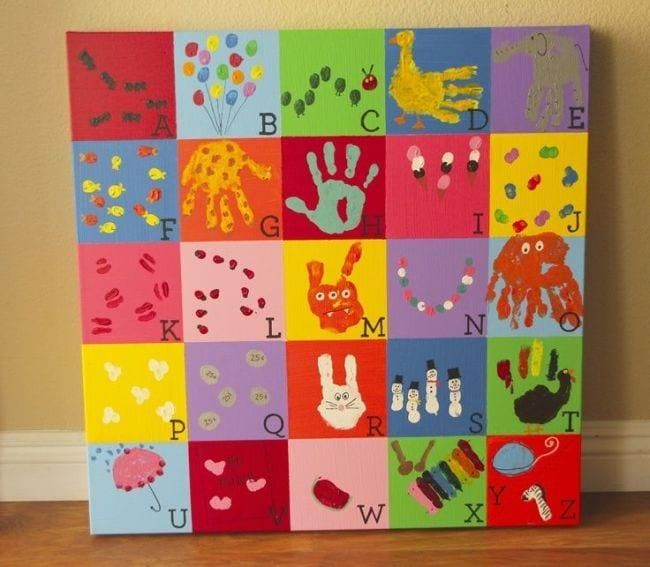 | Card: 18 / 22 |
| Fill in the blank: A crayon is a stick of colored wax used for ___. | Card: 19 / 22 |
| Drawing 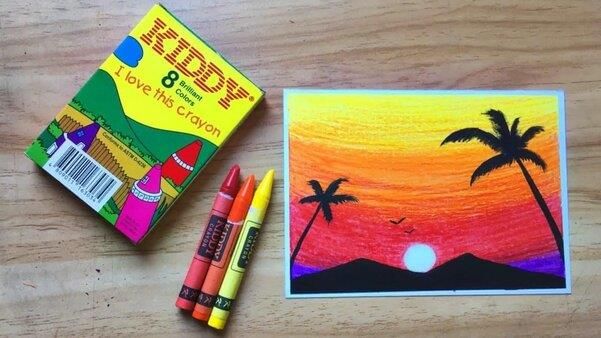 | Card: 20 / 22 |
| Short Answer: Why is sharing considered important in the context of the poem? | Card: 21 / 22 |
| Sharing is considered important because it allows everyone to enjoy more and fosters happiness and connection among friends.  | Card: 22 / 22 |
| Completed! Keep practicing to master all of them. |  Restart |