|  Patterns in Mathematics 44 Flashcards |  Start |
 | Mathematics is primarily concerned with identifying ___ and understanding the reasons behind them. |  Card: 1 / 44 |
| Patterns | Card: 2 / 44 |
| True or False: Mathematics only focuses on the theoretical aspects and does not have real-world applications. | Card: 3 / 44 |
| False. Mathematics seeks to explain patterns, which can be applied in various ways to benefit society. | Card: 4 / 44 |
| Fill in the blank: The days of the week follow a repeating pattern: Monday, Tuesday, Wednesday, Thursday, Friday, Saturday, ___ and then it starts again with Monday. | Card: 5 / 44 |
| Sunday  | Card: 6 / 44 |
| What two qualities do mathematicians need to discover and explain patterns? | Card: 7 / 44 |
| Creativity and logical thinking | Card: 8 / 44 |
| Riddle: I can be seen in nature, in sports, and in the sky; I help explain the world, oh my! What am I? | Card: 9 / 44 |
| Mathematics  | Card: 10 / 44 |
| What is the study of number patterns called? | Card: 11 / 44 |
| The study of number patterns is called number theory. | Card: 12 / 44 |
| Fill in the blanks: Each number sequence has a specific pattern or rule that determines the ___ number. | Card: 13 / 44 |
| Next 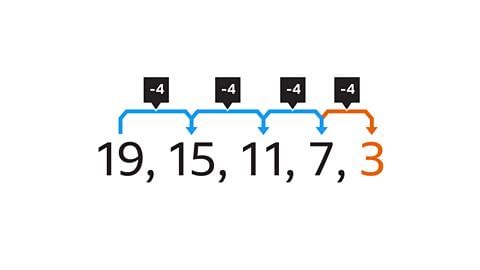 | Card: 14 / 44 |
| True or False: The sequence of even numbers is formed by adding 2 to the previous even number. | Card: 15 / 44 |
| True | Card: 16 / 44 |
| Riddle: I am a sequence where each number is obtained by adding 2 to the previous. What am I? | Card: 17 / 44 |
| Even numbers (if starting from 2) Odd numbers (if starting from 1) | Card: 18 / 44 |
| What common mathematical sequences are mentioned in the content? | Card: 19 / 44 |
| Common mathematical sequences include odd numbers and even numbers. | Card: 20 / 44 |
| Fill in the blank: Mathematicians love exploring these patterns, especially in number ___, which are ordered lists of numbers following a rule. | Card: 21 / 44 |
| Sequences | Card: 22 / 44 |
|  Unlock all Flashcards with EduRev Infinity Plan Starting from @ ₹99 only | |
| Multiple Choice: Which of the following is NOT a characteristic of number sequences? A) They follow a specific rule B) They can contain letters C) They can be infinite D) They can represent patterns | Card: 23 / 44 |
| B) They can contain letters | Card: 24 / 44 |
| The first four triangular numbers are 1, 3, 6, and __. | Card: 25 / 44 |
| 10 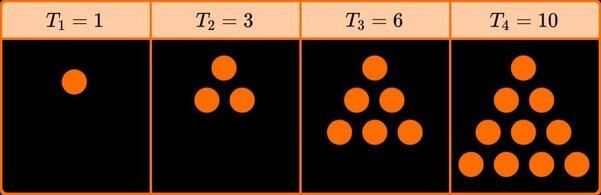 | Card: 26 / 44 |
| True or False: The number 36 can be both a square number and a triangular number. | Card: 27 / 44 |
| True 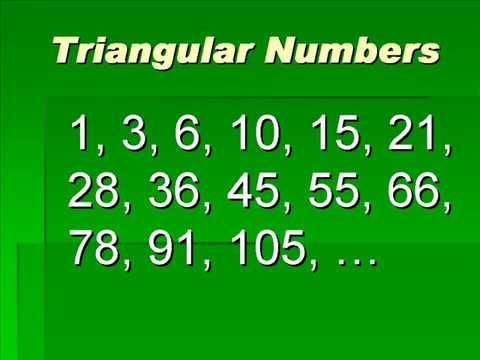 | Card: 28 / 44 |
| Fill in the blank: The triangular number after 10 is __. | Card: 29 / 44 |
| 15 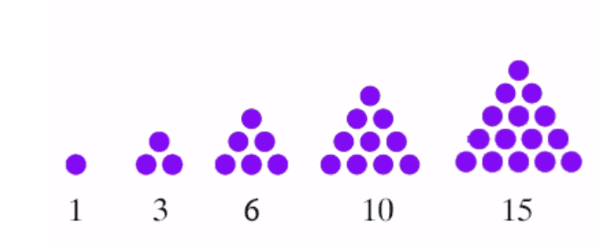 | Card: 30 / 44 |
| What geometric shape represents square numbers when visualized? | Card: 31 / 44 |
| Square 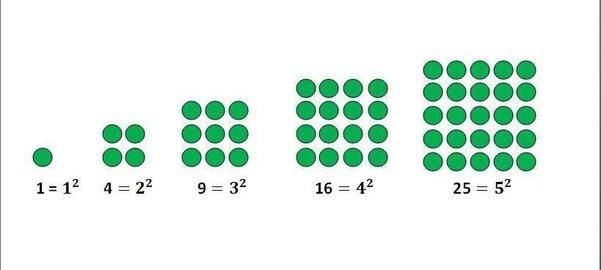 | Card: 32 / 44 |
| Riddle: I start at one and grow in rows. I form a shape that's quite different from squares. What am I? | Card: 33 / 44 |
| Triangular numbers 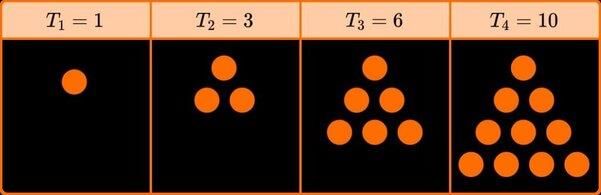 | Card: 34 / 44 |
| Fill in the blank: The square number for 5 is __. | Card: 35 / 44 |
| 25 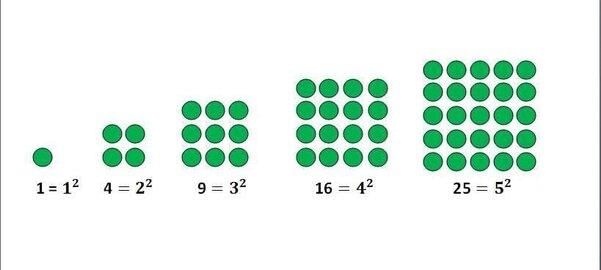 | Card: 36 / 44 |
| In the sequence of triangular numbers, the number of dots in the nth row corresponds to the formula __. | Card: 37 / 44 |
| n(n + 1)/2 | Card: 38 / 44 |
| The sum of the first n odd numbers results in ___ numbers. | Card: 39 / 44 |
| Square numbers 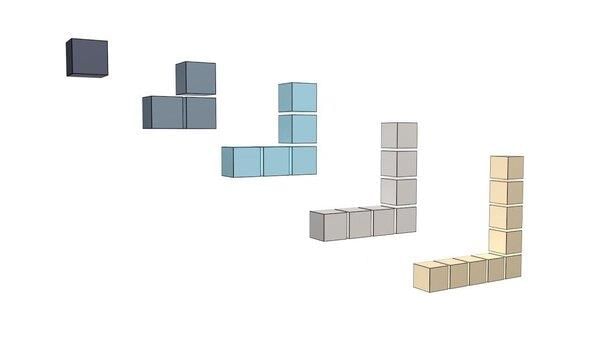 | Card: 40 / 44 |
| True or False: Adding the first 10 odd numbers results in a sum of 100. | Card: 41 / 44 |
| True | Card: 42 / 44 |
| Fill in the blank: The next odd number added after 1 and 3 is ___. | Card: 43 / 44 |
| 5 | Card: 44 / 44 |
| Completed! Keep practicing to master all of them. |  Restart |